

Affiliate Disclosure
Plumber Guide Guys is a participant in the Amazon Services LLC Associates Program, an affiliate advertising program designed to provide a means for sites to earn advertising fees by advertising and linking to Amazon.
Is Plumbing Hard on the Body? Every day, plumbers face tough challenges. They work in tight spaces, lift heavy things, and do tasks that test their limits. Plumbing is much harder than people think, leading to health issues for plumbers.
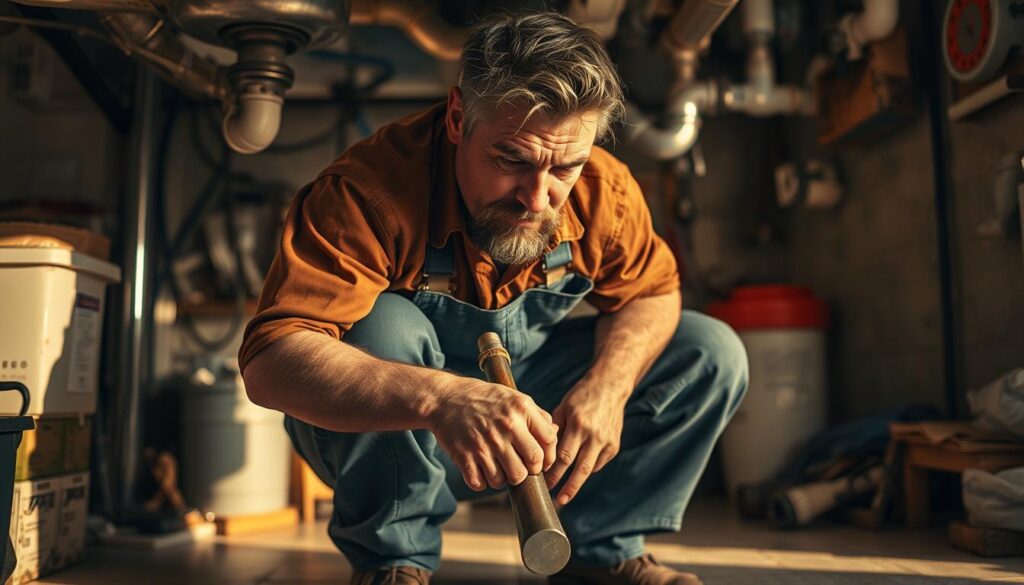
Plumbing is very hard on the body. Plumbers crawl under sinks, carry heavy pipes, and work in awkward positions. This job needs strength, flexibility, and toughness, unlike many other jobs.
It’s important to know the physical challenges of plumbing to stay healthy and have a long career. Whether you’re already a plumber or thinking about becoming one, taking care of your body is key.
Key Takeaways
- Plumbing is an extremely physically demanding profession
- Physical strain can lead to long-term health complications
- Proper body mechanics are critical for career longevity
- Preventative strategies can reduce injury risks
- Regular strength training helps mitigate physical challenges
Table of Contents
Understanding the Physical Demands of Plumbing Work
Plumbing is a tough job that needs strength, flexibility, and endurance. It’s much harder than office work, pushing plumbers to their limits every day.
Plumbers face many physical challenges that test their bodies. Their work is unpredictable, requiring them to be adaptable and resilient.
Daily Physical Challenges
Being a plumber means facing many tough tasks every day:
- Navigating tight crawl spaces
- Lifting heavy equipment and pipes
- Working in awkward body positions
- Climbing ladders and scaffolding
- Carrying tools across job sites
Body Parts Most Affected
Plumbing health risks mainly affect certain body parts:
| Body Part | Primary Stress Factors | Potential Issues |
|---|---|---|
| Lower Back | Heavy lifting, bending | Muscle strain, chronic pain |
| Knees | Constant kneeling | Joint inflammation, cartilage damage |
| Shoulders | Repetitive overhead work | Rotator cuff injuries |
| Hands/Wrists | Tool usage, gripping | Carpal tunnel syndrome |
Energy Expenditure Requirements
Plumbing is very physically demanding. Plumbers burn about 300-500 calories per hour while working, which is like a hard gym session.
“In plumbing, your body is your most important tool. Treat it with respect and it will serve you well.” – Professional Plumber’s Wisdom
Knowing these challenges helps plumbers stay healthy and keep their careers going strong.
Is Plumbing Hard on the Body: A Comprehensive Analysis
Plumbing is a tough job that can hurt your body over time. It’s important to know the long-term effects if you’re thinking about or already doing this job.
Plumbing is very demanding physically. It involves a lot of bending, lifting, and working in tight spots. These actions can cause serious health problems.
- Constant bending and twisting
- Lifting heavy equipment and materials
- Working in confined spaces
- Exposure to physical strain
Working in plumbing for a long time can affect your body in many ways. Plumbers often face:
| Body Area | Potential Impact | Risk Level |
|---|---|---|
| Back | Chronic pain and possible disc problems | High |
| Knees | Wear and tear on joints, arthritis risk | Medium |
| Shoulders | Repetitive strain injuries | Medium-High |
Preventative steps are key for keeping healthy and working well in plumbing. Regular exercise, proper lifting, and using ergonomic tools can help a lot.
Even with challenges, many plumbers find ways to protect themselves. They keep their bodies healthy through their careers. Knowing these challenges helps create a better work environment.
Common Health Risks in the Plumbing Profession
Plumbing is a tough job that puts workers at risk. It’s important to know these risks to keep plumbers safe and healthy.
Plumbers face many health challenges. These include physical strain and exposure to harmful substances. It’s key to manage and prevent these risks.
Musculoskeletal Disorders
Plumbers often get musculoskeletal disorders. These problems come from:
- Repeated awkward body positioning
- Heavy lifting of equipment and materials
- Prolonged work in confined spaces
- Constant bending and twisting
Repetitive Strain Injuries
Using tools a lot can cause repetitive strain injuries. Wrist, shoulder, and hand problems are common among plumbers.
| Body Part | Common Injury | Potential Impact |
|---|---|---|
| Hands | Carpal Tunnel Syndrome | Reduced grip strength |
| Shoulders | Rotator Cuff Strain | Limited mobility |
| Lower Back | Chronic Pain | Potential work limitation |
Exposure to Harmful Substances
Plumbers are at risk from chemicals and the environment. They might be exposed to:
- Lead particles
- Asbestos remnants
- Toxic cleaning chemicals
- Mold and bacterial contaminants
Wearing the right safety gear and getting health checks can help. This reduces the risks plumbers face.
Essential Tools and Equipment for Safer Plumbing Work
Choosing the right tools is key to avoiding injuries. Ergonomics for plumbers is not just about feeling comfortable. It’s about keeping your body safe from harm in tough work settings.
High-quality, ergonomic tools can lessen physical strain and lower injury risks. Knowing which tools make your job safer and more efficient is important.
- Lightweight pipe wrenches with cushioned grips
- Adjustable handles on cutting tools
- Anti-vibration work gloves
- Knee pads with advanced shock absorption
- Telescoping tools to reduce bending
Today’s plumbing tools are designed to be ergonomic. Tools with extended reach and balanced weight help prevent muscle strain during tough jobs.
Here are some must-have ergonomic tools for plumbers:
- Ergonomic pipe cutters with balanced weight
- Adjustable wrenches with soft-grip handles
- Compact multi-bit screwdrivers
- Lightweight utility knives
- Digital measuring tools
Your health and safety should always come first. By picking tools made for injury prevention, you can work better and protect your body from long-term damage.
Proper Body Mechanics and Lifting Techniques
Plumbing is a tough job that needs careful body mechanics and injury prevention. Knowing ergonomics for plumbers can lower the risk of long-term physical strain and injuries.
Protecting your body starts with knowing the unique physical challenges of plumbing. Plumber injury prevention isn’t just about avoiding accidents. It’s about keeping your health and work ability long-term.
Correct Posture Guidelines
Keeping the right posture is key for plumbers who work in tough environments. Here are some posture tips:
- Keep your spine neutral and aligned when working
- Avoid twisting your body while carrying heavy equipment
- Use knee pads to reduce stress on lower back and joints
- Alternate between standing and crouching positions
Safe Lifting Methods
Lifting is a key skill in plumbing that needs careful technique to avoid injuries:
- Bend at the knees, not the waist
- Keep the load close to your body
- Avoid lifting above shoulder height
- Use mechanical assists when possible
Tool Handling Ergonomics
Proper tool management can greatly reduce physical strain. Ergonomics for plumbers means picking and using tools that reduce body stress:
- Choose tools with comfortable grip designs
- Use extended handles for hard-to-reach areas
- Rotate tools to prevent repetitive motion injuries
- Invest in lightweight, well-balanced equipment
By using these techniques, you can protect your body and keep your plumbing career going. You’ll stay in top physical shape.
Preventing Back Pain and Joint Stress
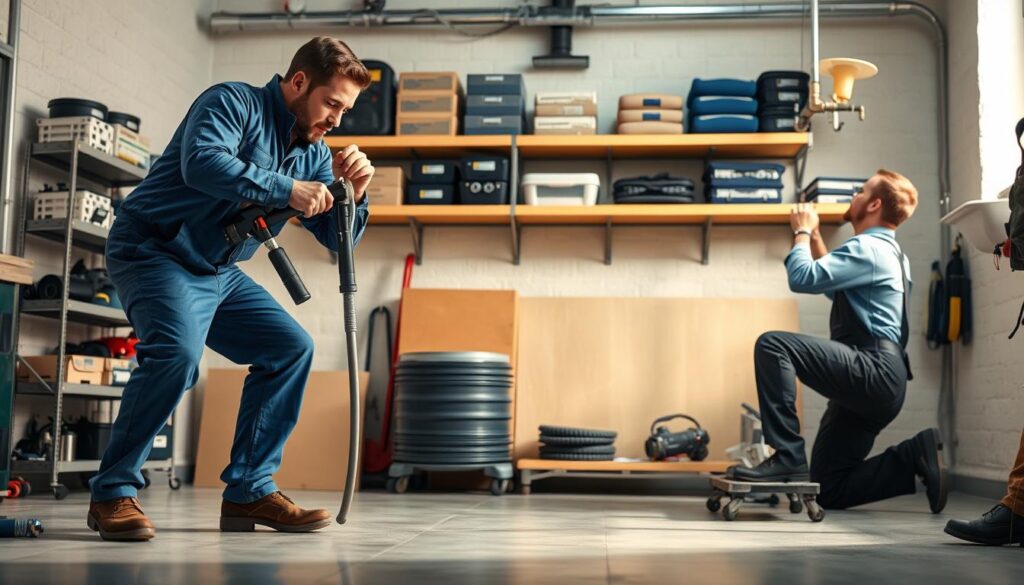
Plumbers face big physical challenges that can cause serious back and knee pain. Your body goes through a lot of strain every day. It’s important to take steps to prevent long-term health problems and keep your career going strong.
Knowing what causes body stress is key to staying safe. Things like repetitive movements, heavy lifting, and awkward positions can hurt your muscles and joints. By taking the right steps, you can lower your chance of chronic pain a lot.
- Practice targeted stretching before and after work shifts
- Invest in supportive knee pads and back braces
- Use ergonomic tools designed to minimize physical strain
- Maintain core and lower body strength through regular exercise
“Prevention is always easier than rehabilitation” – Professional Plumbing Safety Guide
Doing exercises that strengthen your core and lower back can help prevent injuries. Yoga and strength training are great for building up against plumbing’s physical demands. A regular fitness routine that focuses on flexibility and strength will help protect your body from harm.
It’s also important to get regular medical check-ups and listen to what your body is telling you. If you have ongoing pain, see a doctor who specializes in work-related health issues. They can help create a plan to keep you safe and healthy.
Protective Gear and Safety Equipment
Plumber injury prevention starts with understanding the critical role of protective gear. It helps manage occupational hazards in plumbing. Your safety equipment is your first line of defense against workplace risks.
Professional plumbers face many physical challenges. The right gear can greatly reduce injury risks and long-term health problems.
Required Personal Protective Equipment (PPE)
- Safety glasses with side shields
- Steel-toed work boots
- Cut-resistant work gloves
- Respirator masks
- Waterproof protective clothing
Specialized Safety Tools for Protection
| Protection Type | Specific Use | Recommended Scenarios |
|---|---|---|
| Knee Pads | Joint protection during extended work | Crawl space repairs, floor installations |
| Back Support Belt | Reduce strain during heavy lifting | Moving equipment, handling large pipes |
| Hearing Protection | Prevent noise-induced hearing damage | Operating power tools, working in loud environments |
Selecting the Right Protection
Choose your protective equipment based on specific job requirements. Not all tasks demand the same level of protection. Think about the work environment, hazards, and plumbing challenges when picking your safety gear.
Remember, proper maintenance of your protective equipment is key. Regular inspection and timely replacement ensure it keeps working to prevent injuries.
Exercise and Strength Training for Plumbers
Keeping fit is key for plumbers to avoid injuries and have a long-lasting career. Your body is your main tool, so it’s vital to focus on exercises that improve your health and work performance.
Strength training is essential for plumbers. It helps build the strength needed to handle the job’s physical demands. This way, you can prevent injuries and keep your career on track.
- Core Strength Exercises:
- Planks
- Russian twists
- Medicine ball rotations
- Upper Body Conditioning:
- Dumbbell rows
- Shoulder press
- Push-ups
- Lower Body Workouts:
- Squats
- Lunges
- Deadlifts
Your workouts should aim for functional fitness, matching the movements plumbers do every day. Flexibility and mobility are just as important as raw strength.
| Exercise Type | Frequency | Benefits for Plumbers |
|---|---|---|
| Cardio | 3-4 times/week | Improves endurance for long workdays |
| Strength Training | 2-3 times/week | Builds muscle support for heavy lifting |
| Stretching | Daily | Prevents muscle strain and improves flexibility |
Start with a gentle pace and gradually get tougher. Working with a fitness expert who knows plumbing’s physical needs is a good idea. They can tailor a workout plan that supports your career and keeps you injury-free.
Recovery and Rest Strategies
Plumbing is a tough job that needs careful recovery and injury prevention. Your body faces a lot of stress every day. So, it’s key to rest and recover well to keep your plumbing career going strong.

Knowing how to prevent injuries starts with understanding the need for recovery after work. Your body needs special care to handle the physical demands of plumbing.
Post-Work Recovery Methods
- Do stretching routines to help muscles stressed at work
- Try self-massage techniques to ease muscle tension
- Use foam rollers for deep muscle recovery
- Apply cold and heat therapy to reduce inflammation
Injury Prevention Techniques
Long-term effects of plumbing can be lessened with proactive injury prevention. Keeping your body in good shape is essential.
| Prevention Strategy | Frequency | Benefits |
|---|---|---|
| Daily Stretching | 15-20 minutes | Improves flexibility, reduces muscle strain |
| Strength Training | 2-3 times weekly | Builds muscle resilience, prevents injuries |
| Proper Hydration | Throughout day | Supports muscle recovery, reduces fatigue |
Work-Life Balance Tips
Keeping a healthy balance is vital for a lasting plumbing career. Mental and physical recovery are equally important.
- Set clear work boundaries
- Make sleep and rest a priority
- Do things that help you relax
- Get regular health check-ups
By using these recovery and rest strategies, you can protect your body. This will help you keep your plumbing career going and stay healthy.
Long-term Career Sustainability in Plumbing
Plumbing careers need physical strength, but planning can help you stay strong over time. Knowing the challenges of plumbing is key to a successful career that keeps you healthy.
There are ways to make your plumbing career better and less hard on your body:
- Keep learning new skills
- Try different career paths
- Look for ways to move up
- Focus on areas that are easier on your body
Plumbing can be tough, but you can plan for a long, healthy career:
- Get advanced certifications
- Move into supervisory roles
- Take on technical training jobs
- Be an expert in specific plumbing systems
To keep your plumbing career going strong, take care of your body and keep learning. Planning and learning can help you handle the tough parts of plumbing.
| Career Stage | Physical Demand Level | Recommended Strategies |
|---|---|---|
| Entry Level | High | Focus on proper body mechanics |
| Mid-Career | Moderate | Develop specialized skills |
| Advanced Level | Low | Transition to management/training roles |
Investing in your professional growth can turn a tough career into a lasting and fulfilling one.
Workplace Ergonomics and Environment Optimization
Ergonomics for plumbers is key to avoiding work-related health issues. Your work area greatly affects how much strain you feel and your long-term health. By making your workspace better, you can keep your body safe and do your job better.
Creating an ergonomic workspace involves several key strategies:
- Organize tools within easy reach to minimize unnecessary stretching
- Use adjustable work platforms to maintain proper body positioning
- Invest in lightweight, high-quality tools that reduce muscle fatigue
- Ensure adequate lighting to prevent eye strain and improve precision
Occupational hazards in plumbing often come from doing the same thing over and over. You can lower these risks by:
- Rotating tasks to prevent muscle overuse
- Taking regular short breaks to stretch and reset your body
- Using knee pads and supportive footwear
- Maintaining a clean, well-organized work area
Proper workstation setup is essential for long-term health and productivity in the plumbing profession. By focusing on ergonomics and making your work area better, you can reduce physical stress and work longer.
Conclusion
Plumbing can be tough on your body, but you can have a long, healthy career if you know how. The first step is to understand the physical challenges of plumbing. This knowledge helps with plumber injury prevention.
Your health and career longevity depend on managing physical strain and risks. This means using the right lifting methods and ergonomic tools. It also means staying fit and using good body mechanics.
Success in plumbing doesn’t mean it’s unsustainable. Plumbers who care for their health can have fulfilling careers. By keeping your skills up to date and using protective gear, you can handle plumbing’s physical demands.
Your dedication to health and learning will shape your career. Follow the tips in this guide to build a successful plumbing career. This career will support your goals and keep you healthy.