
Affiliate Disclosure
Plumber Guide Guys is a participant in the Amazon Services LLC Associates Program, an affiliate advertising program designed to provide a means for sites to earn advertising fees by advertising and linking to Amazon.
How Much Does It Cost to Replace Plumbing? Did you know a single leaking pipe can waste up to 10,000 gallons of water per year? Knowing the cost to replace plumbing is key for homeowners. It helps protect their property and avoid expensive water damage. Prices vary a lot based on several important factors.
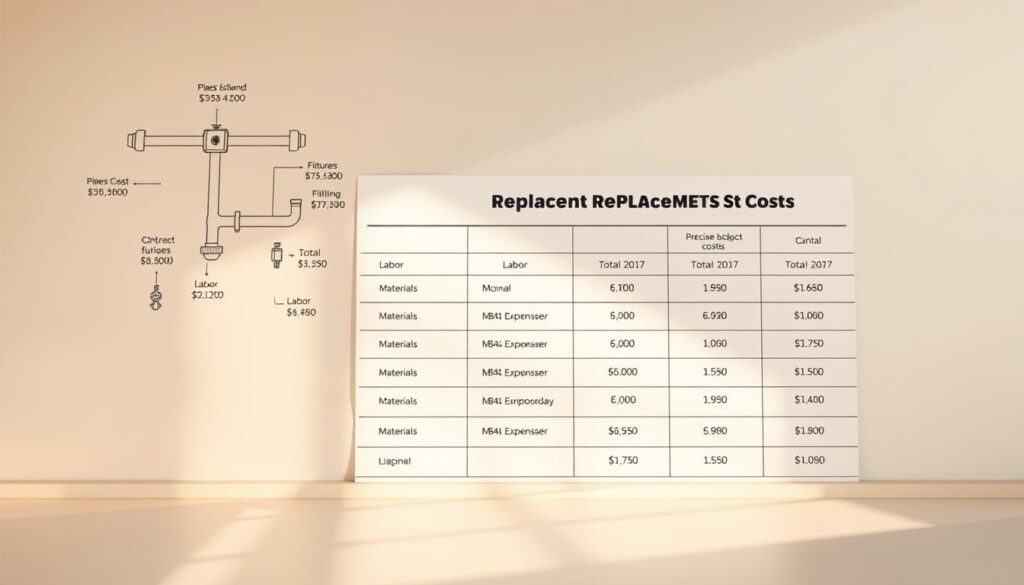
Replacing plumbing in a home can cost between $3,500 and $15,000. The cost depends on your home’s size, the type of pipes, and how complex the installation is. Homeowners in the U.S. should plan their budget carefully for a full plumbing replacement.
The cost for you will depend on your home’s size, the pipes you choose, and local labor rates. Professional plumbers can guide you through these details. They can give you a precise estimate for your situation.
Key Takeaways
- Typical plumbing replacement costs range from $3,500 to $15,000
- Factors affecting cost include home size and pipe material
- Professional assessment is key for accurate pricing
- Leaking pipes can cause significant water waste and damage
- Different pipe materials have varying costs and benefits
Table of Contents
Understanding Plumbing Replacement Costs in Your Home
Exploring home repiping costs can be daunting. Your plumbing system is vital for your home’s smooth operation. It protects you from water damage and health risks.
What Factors Determine Your Total Investment
Several elements affect the cost of replacing your home’s plumbing:
- Home size and total number of fixtures
- Pipe material selection (PEX, copper, PVC)
- Accessibility of existing pipes
- Local labor rates
- Permit and code upgrade requirements
Homes with hidden pipes face higher repiping costs. Pipes behind tile, under concrete, or in walls are harder to reach. This increases the project’s cost.
Why Plumbing Replacement Is a Critical Home Investment
The initial cost might seem high, but it’s worth it. Replacing your plumbing system prevents major problems. Ignoring plumbing issues can lead to:
- Extensive water damage
- Structural deterioration
- Health hazards from contaminated water
- Emergency repair expenses
A proactive approach to plumbing maintenance can save thousands in future damages.
Viewing home repiping as an investment is wise. It ensures your property’s longevity and your family’s safety.
How Much Does It Cost to Replace Plumbing
Knowing the cost to replace plumbing is key for homeowners planning renovations or fixing old pipes. The cost to repipe a house varies a lot. It depends on several important factors.
For minor repairs, costs range from $371 to $2,133. But, full home repiping can cost much more, from $3,500 to $15,000+. Your final cost will depend on your home’s size, the type of pipes, and how easy they are to access.
| Home Size | Estimated Repiping Cost |
|---|---|
| 800 sq ft | $3,600 |
| 1,200 sq ft | $5,400 |
| 1,600 sq ft | $7,200 |
| 3,000 sq ft | $13,500 |
The type of pipes you choose also affects the cost. PEX piping is the most affordable for a whole-home replacement, costing between $3,500 and $7,000. Copper pipes are the most expensive, with prices from $8,000 to $15,000.
- PEX: Most affordable option
- Copper: Premium pricing
- PVC: Mid-range cost for drain lines
- Galvanized Steel: Moderate expense
Remember that unexpected complications can increase your total plumbing replacement expenses.
Your actual costs will depend on your home’s unique features, pipe accessibility, and local labor rates. Getting a professional’s advice will give you the most accurate estimate for your situation.
Average Cost to Repipe a House by Home Size
The cost to repipe a house depends on its size. Costs vary based on the home’s size and complexity. Here’s a look at typical costs for different home sizes.
Small Homes: 800 to 1,200 Square Feet
Small homes, 800 to 1,200 square feet, cost between $3,600 to $5,400 to repipe. These homes usually have:
- One bathroom
- Shorter pipe runs
- Simpler layout
- Faster installation (1-2 days)
Medium Homes: 1,300 to 1,600 Square Feet
Medium homes cost a bit more to repipe. Expect to pay between $5,850 and $7,200. They often have:
- Two to 2.5 bathrooms
- More complex pipe routing
- Longer installation time (2-3 days)
Large Homes: 2,300 to 3,000 Square Feet
Larger homes need more work, raising costs. Prices can go from $10,350 to $13,500. They often have:
- Multiple stories
- Three or more bathrooms
- Complex pipe routing
- Longer installation (3-5 days)
| Home Size | Cost Range | Installation Time |
|---|---|---|
| 800-1,200 sq ft | $3,600-$5,400 | 1-2 days |
| 1,300-1,600 sq ft | $5,850-$7,200 | 2-3 days |
| 2,300-3,000 sq ft | $10,350-$13,500 | 3-5 days |
The cost to repipe a house depends on its size. Other factors like pipe material and layout also affect the price.
Pipe Material Costs and Installation Expenses
When you think about replacing your plumbing, knowing the cost of different pipes is key. The type of pipe you choose can greatly affect your expenses.
There are several types of pipes, each with its own benefits and prices. Let’s look at the most common ones:
- PEX (Cross-linked Polyethylene)
- Material cost: $0.40 to $2.00 per linear foot
- Whole-home installation: $3,500 to $7,000
- Most economical and flexible option
- Copper Pipes
- Material cost: $3 to $8 per linear foot
- Whole-home installation: $8,000 to $15,000
- Ideal for high-end homes and exposed piping
- PVC (Polyvinyl Chloride)
- Primarily used for drain and waste lines
- Installation cost: $4,000 to $8,000
“PEX offers faster installation and better freeze resistance compared to traditional copper pipes,” says professional plumber Robert Jenkins.
Choosing PEX pipes can save you money compared to copper. PEX installation is quicker, which means less disruption to your home and lower labor costs.
When picking a pipe material, think about your budget, home style, and what you expect in the long run. Each material has its own advantages that can shape your plumbing replacement plan.
PEX Plumbing Installation Expenses vs. Copper Pipe Replacement Cost
When you’re thinking about upgrading your home’s plumbing, knowing the difference between PEX and copper pipes can save you a lot of money. Each type has its own benefits for your home’s water system. This affects the cost of installing PEX and replacing copper pipes.
More and more professional plumbers suggest using PEX for new homes. It’s known for its flexibility and performance, unlike traditional copper pipes.
Why PEX Is the Modern Standard
PEX is now the top choice for homeowners looking for efficient plumbing. Its main benefits include:
- Quick installation in tight spaces
- Exceptional freeze resistance
- Lower overall plumbing installation expenses
- Reduced chance of leaks
Most plumbers can finish a PEX installation in just one day. This cuts down on labor costs a lot compared to copper pipes. Its ability to expand without bursting is perfect for colder climates.
When Copper Pipes Make Sense for Your Home
Even though PEX is popular, copper pipes are better in certain situations. Luxury homes and commercial spaces often choose copper for its:
- Aesthetic appeal in exposed piping
- Antimicrobial natural properties
- Potential to increase property value
New copper installation methods, like ProPress fittings, have made copper installation faster. This makes the cost of replacing copper pipes more competitive than before.
Labor Costs and Professional Plumber Rates
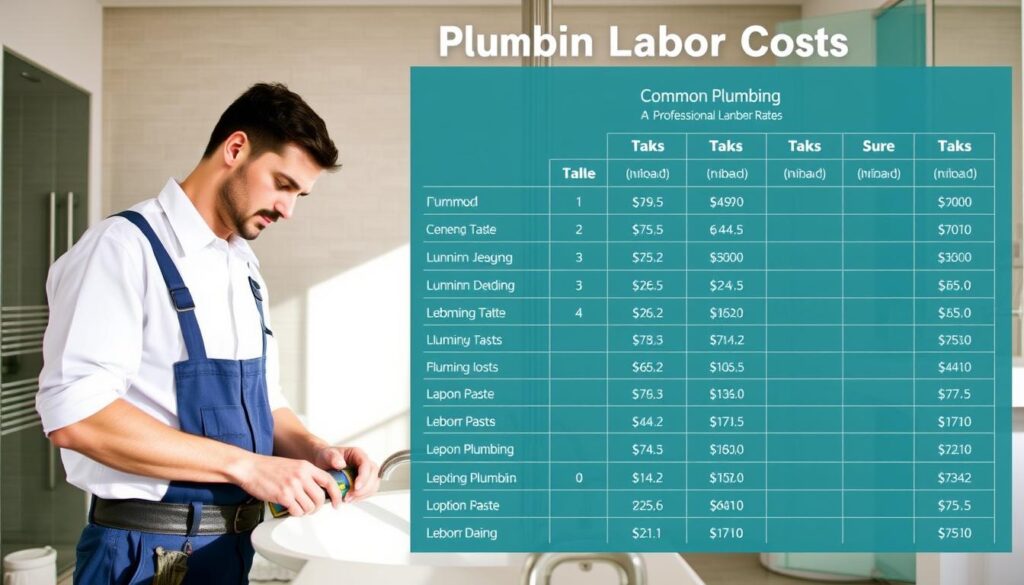
When planning for water line replacement, knowing plumber labor costs is key. Professional plumbing services can greatly affect your budget. Plumbers charge based on their skills, tools, and business costs.
- Geographic location
- Plumber’s experience level
- Project complexity
- Time required for installation
Understanding Hourly Rates and Project Duration
Plumbing costs vary a lot depending on the job. Homeowners should expect to pay between $45 and $200 per hour. The total cost depends on several important factors:
- Simple repairs: 2-4 hours ($90-$800)
- Single-room repipe: 8-16 hours ($360-$3,200)
- Whole-home replacement: 24-40 hours ($1,080-$8,000)
Your costs will depend on your home’s specifics. Things like multiple floors, hard-to-reach pipes, and old homes can make the job longer and pricier. Plumbers might offer flat rates for the whole job. This can be more predictable but might cost more.
Pro tip: Always get multiple quotes and prioritize experience over the lowest price. An skilled plumber can save you money by completing the job efficiently and preventing future issues.
Signs You Need Whole Home Plumbing Replacement
Knowing when your home needs a whole home plumbing replacement can prevent expensive water damage and emergency repairs. Professional plumbers advise looking out for key warning signs that show your plumbing system might be failing.
The cost of plumbing replacement can change a lot based on how soon you spot problems. Here are the main signs that mean you might need a full plumbing replacement:
- Home built before the 1960s with original pipes
- Rusty or brown-colored water from multiple taps
- Recurring pipe leaks in different areas of your home
- Consistent low water pressure throughout the house
- Visible pipe corrosion and calcium buildup
Professional plumbers recommend getting a camera inspection. This usually costs between $270 and $1,737. It helps get a clear view of your plumbing system’s condition.
| Warning Sign | Potential Plumbing Issue |
|---|---|
| Rusty Water | Internal Pipe Corrosion |
| Water Hammer Sound | Pipe System Stress |
| Repeated Leaks | Systemic Pipe Failure |
If you see many warning signs, it might be smarter to get a whole home plumbing replacement instead of fixing it bit by bit. Spotting problems early can stop big failures and keep your home safe.
Galvanized Pipe Replacement Cost and Cast Iron Concerns
Old plumbing can be a big problem for homeowners. Knowing about the risks and costs of replacing galvanized pipes helps you make smart choices for your home.
Older homes often have pipes that can harm your water and home’s structure. The cost to replace these pipes can change a lot. It depends on the type of pipes and how much needs to be replaced.
Red Flag Materials in Older Homes
Some pipe materials are warning signs for needed repairs:
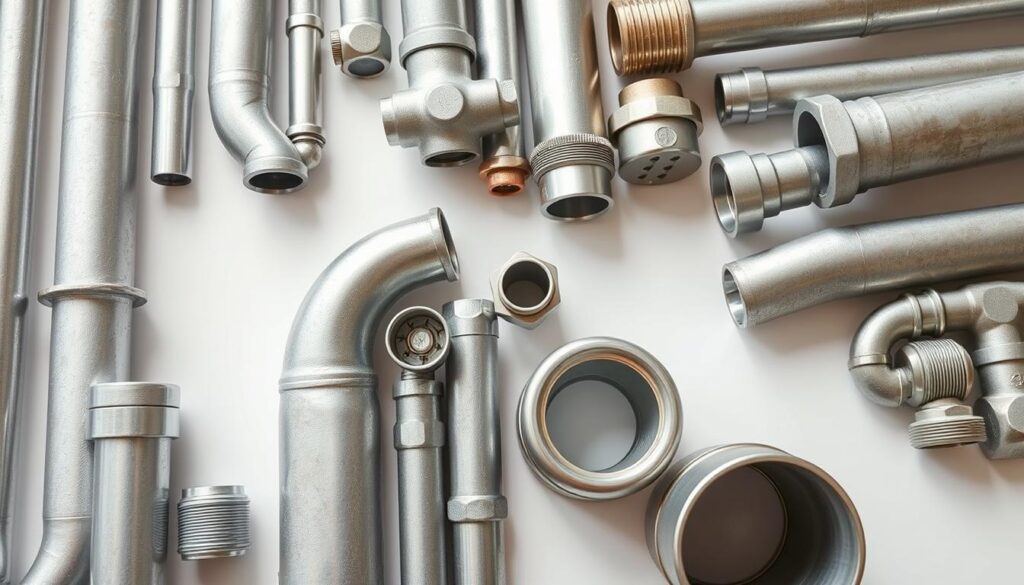
- Galvanized steel pipes (pre-1960 installations)
- Cast iron drain pipes
- Lead pipes
- Polybutylene pipes
“If you’re the buyer, you want to change those old pipes immediately.”
Replacing galvanized pipes can cost between $5,000 and $9,000 for a whole house. Replacing one section can cost $300 to $500.
Lead and Polybutylene Pipe Issues
Some pipes can be very dangerous. Lead pipes, found in homes before 1986, can make your water unsafe. Polybutylene pipes, used from 1978 to the mid-1990s, can burst without warning.
| Pipe Material | Replacement Cost | Primary Risk |
|---|---|---|
| Galvanized Steel | $5,000-$9,000 | Rust and Water Contamination |
| Cast Iron | $6,000-$12,000 | Brittleness and Root Intrusion |
| Lead | Varies | Water Contamination |
| Polybutylene | $4,000-$7,000 | Unexpected Leaks |
Getting a professional to check your pipes can spot these dangers early. Replacing them early can save your home’s value and keep your family safe.
Common Pipe Repair Costs vs. Full Replacement
When plumbing problems arise, you face a big choice: fix parts or replace the whole system. Knowing the costs can help you save a lot of money.
Pipe repair costs change a lot based on the material and damage. Here’s a look at typical prices:
- PVC section replacement: $150-$300
- Galvanized pipe section replacement: $300-$500
- Cast iron joint repair: $400-$600
Water line replacement costs can go up fast. Plumbers suggest looking at a few things before deciding to repair or replace:
- Number of previous repairs
- Age of existing plumbing system
- Accessibility of damaged pipes
- Overall system condition
| Repair Strategy | Total Cost | Recommended Scenario |
|---|---|---|
| Isolated Pipe Repair | $150-$600 | Single leak, accessible location |
| Partial Replacement | $1,500-$3,000 | Multiple localized issues |
| Full Home Repiping | $3,600-$13,500 | Systemic plumbing failure |
Pro tip: If fixing costs are near half of replacing, think about full repiping. It can stop future costs and water damage.
Your bathroom plumbing replacement cost depends on home size, pipe type, and how easy it is to get to. Always talk to a professional plumber. They can help find the best and most affordable solution for you.
How Plumbing Replacement Affects Your Home Sale
Preparing to sell your home? Plumbing replacement can greatly affect its marketability and sale price. It’s key to understand how plumbing costs impact real estate deals to get the best value.
Real estate pros say that smart plumbing upgrades can draw in buyers. You might not get back all the money spent, but some upgrades can give you an edge.
Critical Disclosure Requirements
Sellers must be open about their home’s plumbing state. Important things to disclose include:
- Previous water damage
- Pipe material type
- Known leaks or repairs
- Past flooding incidents
Telling the truth about plumbing costs can earn trust from buyers. Being upfront prevents legal issues and shows you’re transparent.
Maximizing Sale Value
Before selling, think about plumbing upgrades that add value. Buyers like:
- Modern kitchen and bathroom fixtures
- Fixed water pressure issues
- Up-to-date piping systems
“A home with new plumbing stands out in the neighborhood market,” says Justin Willard, real estate expert.
Smart plumbing investments can make your home stand out. This might help you ask for a higher price and attract buyers who want a home ready to move into.
Conclusion
Knowing the average cost to repipe a house is key. It’s about keeping your home safe. Replacing your plumbing is a smart move for your home’s future.
The cost can change a lot. It can be from $3,500 to $15,000. This depends on your home’s size and the materials used. For small homes, it might cost $3,600 to $5,400. Bigger homes could need up to $13,500.
PEX piping is often the cheapest option. It costs less to install than copper systems.
Being proactive is important. Watch for signs like rusty water or leaks. If your home is over 30 years old, get it checked by a pro.
By fixing problems early, you avoid big damage. You also keep your family safe and your home strong.
With all this info, you can make smart choices. Investing in good plumbing now saves money and stress later.
FAQ
How much does it cost to replace plumbing in an entire house?
How do I know if I need to replace my home’s plumbing?
What pipe material is best for home plumbing?
How much does it cost to replace plumbing in an entire house?
How do I know if I need to replace my home’s plumbing?
What pipe material is best for home plumbing?
FAQ
How much does it cost to replace plumbing in an entire house?
Replacing all the plumbing in your house can cost between ,500 and ,000. This depends on your home’s size and the type of pipes. For small homes, the cost is around ,600 to ,400. Larger homes might cost ,350 to ,500.
PEX piping is the cheapest option. Copper pipes, on the other hand, are more expensive.
How do I know if I need to replace my home’s plumbing?
Look for signs like rusty or brown water, frequent leaks, and low water pressure. Also, listen for strange sounds like water hammer. Visible corrosion and calcium buildup are other signs.
Homes built before the 1960s often need new pipes. A camera inspection can tell you for sure.
What pipe material is best for home plumbing?
PEX is the most popular choice, costing
FAQ
How much does it cost to replace plumbing in an entire house?
Replacing all the plumbing in your house can cost between $3,500 and $15,000. This depends on your home’s size and the type of pipes. For small homes, the cost is around $3,600 to $5,400. Larger homes might cost $10,350 to $13,500.
PEX piping is the cheapest option. Copper pipes, on the other hand, are more expensive.
How do I know if I need to replace my home’s plumbing?
Look for signs like rusty or brown water, frequent leaks, and low water pressure. Also, listen for strange sounds like water hammer. Visible corrosion and calcium buildup are other signs.
Homes built before the 1960s often need new pipes. A camera inspection can tell you for sure.
What pipe material is best for home plumbing?
PEX is the most popular choice, costing $0.40 to $2.00 per foot. It’s flexible, doesn’t freeze, and is easy to install. Replacing your home with PEX can cost $3,500 to $7,000.
Copper is a premium option for its durability and looks. But it’s much more expensive, costing $8,000 to $15,000 for a full installation.
How long does a whole-home plumbing replacement take?
The time needed depends on your home’s size. Small homes take 1-2 days. Medium homes need 2-3 days, and large homes might take 3-5 days.
Accessibility, home layout, and unexpected issues can also affect the time needed.
Are there specific pipe materials I should be concerned about?
Yes, some materials need attention. Galvanized steel pipes from before 1960 corrode inside. Cast iron pipes get brittle, lead pipes are harmful, and polybutylene pipes fail easily.
If your home has these, it’s best to replace them to avoid damage and health risks.
How does plumbing replacement affect my home’s resale value?
New plumbing can make your home more attractive to buyers. It might not cover the full cost, but it can sell faster and for more. Updates are a strong selling point, even in older areas.
What’s the difference between repairing and replacing plumbing?
Repairs work for small issues in newer systems. But, if you’ve had many repairs or your pipes are old, replacement is better. A professional can help decide what’s best for you.
How much do plumbers charge for labor?
Plumbers charge $45 to $200 an hour, based on location and experience. Labor is 40-60% of the total cost. A simple fix might take 2-4 hours, costing $90 to $800.
Replacing all the pipes can take 24-40 hours, costing $1,080 to $8,000, depending on the home’s size and complexity.
How long does a whole-home plumbing replacement take?
Are there specific pipe materials I should be concerned about?
How does plumbing replacement affect my home’s resale value?
What’s the difference between repairing and replacing plumbing?
How much do plumbers charge for labor?
FAQ
How much does it cost to replace plumbing in an entire house?
Replacing all the plumbing in your house can cost between ,500 and ,000. This depends on your home’s size and the type of pipes. For small homes, the cost is around ,600 to ,400. Larger homes might cost ,350 to ,500.
PEX piping is the cheapest option. Copper pipes, on the other hand, are more expensive.
How do I know if I need to replace my home’s plumbing?
Look for signs like rusty or brown water, frequent leaks, and low water pressure. Also, listen for strange sounds like water hammer. Visible corrosion and calcium buildup are other signs.
Homes built before the 1960s often need new pipes. A camera inspection can tell you for sure.
What pipe material is best for home plumbing?
PEX is the most popular choice, costing
FAQ
How much does it cost to replace plumbing in an entire house?
Replacing all the plumbing in your house can cost between $3,500 and $15,000. This depends on your home’s size and the type of pipes. For small homes, the cost is around $3,600 to $5,400. Larger homes might cost $10,350 to $13,500.
PEX piping is the cheapest option. Copper pipes, on the other hand, are more expensive.
How do I know if I need to replace my home’s plumbing?
Look for signs like rusty or brown water, frequent leaks, and low water pressure. Also, listen for strange sounds like water hammer. Visible corrosion and calcium buildup are other signs.
Homes built before the 1960s often need new pipes. A camera inspection can tell you for sure.
What pipe material is best for home plumbing?
PEX is the most popular choice, costing $0.40 to $2.00 per foot. It’s flexible, doesn’t freeze, and is easy to install. Replacing your home with PEX can cost $3,500 to $7,000.
Copper is a premium option for its durability and looks. But it’s much more expensive, costing $8,000 to $15,000 for a full installation.
How long does a whole-home plumbing replacement take?
The time needed depends on your home’s size. Small homes take 1-2 days. Medium homes need 2-3 days, and large homes might take 3-5 days.
Accessibility, home layout, and unexpected issues can also affect the time needed.
Are there specific pipe materials I should be concerned about?
Yes, some materials need attention. Galvanized steel pipes from before 1960 corrode inside. Cast iron pipes get brittle, lead pipes are harmful, and polybutylene pipes fail easily.
If your home has these, it’s best to replace them to avoid damage and health risks.
How does plumbing replacement affect my home’s resale value?
New plumbing can make your home more attractive to buyers. It might not cover the full cost, but it can sell faster and for more. Updates are a strong selling point, even in older areas.
What’s the difference between repairing and replacing plumbing?
Repairs work for small issues in newer systems. But, if you’ve had many repairs or your pipes are old, replacement is better. A professional can help decide what’s best for you.
How much do plumbers charge for labor?
Plumbers charge $45 to $200 an hour, based on location and experience. Labor is 40-60% of the total cost. A simple fix might take 2-4 hours, costing $90 to $800.
Replacing all the pipes can take 24-40 hours, costing $1,080 to $8,000, depending on the home’s size and complexity.
.40 to .00 per foot. It’s flexible, doesn’t freeze, and is easy to install. Replacing your home with PEX can cost ,500 to ,000.
Copper is a premium option for its durability and looks. But it’s much more expensive, costing ,000 to ,000 for a full installation.
How long does a whole-home plumbing replacement take?
The time needed depends on your home’s size. Small homes take 1-2 days. Medium homes need 2-3 days, and large homes might take 3-5 days.
Accessibility, home layout, and unexpected issues can also affect the time needed.
Are there specific pipe materials I should be concerned about?
Yes, some materials need attention. Galvanized steel pipes from before 1960 corrode inside. Cast iron pipes get brittle, lead pipes are harmful, and polybutylene pipes fail easily.
If your home has these, it’s best to replace them to avoid damage and health risks.
How does plumbing replacement affect my home’s resale value?
New plumbing can make your home more attractive to buyers. It might not cover the full cost, but it can sell faster and for more. Updates are a strong selling point, even in older areas.
What’s the difference between repairing and replacing plumbing?
Repairs work for small issues in newer systems. But, if you’ve had many repairs or your pipes are old, replacement is better. A professional can help decide what’s best for you.
How much do plumbers charge for labor?
Plumbers charge to 0 an hour, based on location and experience. Labor is 40-60% of the total cost. A simple fix might take 2-4 hours, costing to 0.
Replacing all the pipes can take 24-40 hours, costing
FAQ
How much does it cost to replace plumbing in an entire house?
Replacing all the plumbing in your house can cost between $3,500 and $15,000. This depends on your home’s size and the type of pipes. For small homes, the cost is around $3,600 to $5,400. Larger homes might cost $10,350 to $13,500.
PEX piping is the cheapest option. Copper pipes, on the other hand, are more expensive.
How do I know if I need to replace my home’s plumbing?
Look for signs like rusty or brown water, frequent leaks, and low water pressure. Also, listen for strange sounds like water hammer. Visible corrosion and calcium buildup are other signs.
Homes built before the 1960s often need new pipes. A camera inspection can tell you for sure.
What pipe material is best for home plumbing?
PEX is the most popular choice, costing $0.40 to $2.00 per foot. It’s flexible, doesn’t freeze, and is easy to install. Replacing your home with PEX can cost $3,500 to $7,000.
Copper is a premium option for its durability and looks. But it’s much more expensive, costing $8,000 to $15,000 for a full installation.
How long does a whole-home plumbing replacement take?
The time needed depends on your home’s size. Small homes take 1-2 days. Medium homes need 2-3 days, and large homes might take 3-5 days.
Accessibility, home layout, and unexpected issues can also affect the time needed.
Are there specific pipe materials I should be concerned about?
Yes, some materials need attention. Galvanized steel pipes from before 1960 corrode inside. Cast iron pipes get brittle, lead pipes are harmful, and polybutylene pipes fail easily.
If your home has these, it’s best to replace them to avoid damage and health risks.
How does plumbing replacement affect my home’s resale value?
New plumbing can make your home more attractive to buyers. It might not cover the full cost, but it can sell faster and for more. Updates are a strong selling point, even in older areas.
What’s the difference between repairing and replacing plumbing?
Repairs work for small issues in newer systems. But, if you’ve had many repairs or your pipes are old, replacement is better. A professional can help decide what’s best for you.
How much do plumbers charge for labor?
Plumbers charge $45 to $200 an hour, based on location and experience. Labor is 40-60% of the total cost. A simple fix might take 2-4 hours, costing $90 to $800.
Replacing all the pipes can take 24-40 hours, costing $1,080 to $8,000, depending on the home’s size and complexity.
,080 to ,000, depending on the home’s size and complexity.