

Affiliate Disclosure
Plumber Guide Guys is a participant in the Amazon Services LLC Associates Program, an affiliate advertising program designed to provide a means for sites to earn advertising fees by advertising and linking to Amazon.
Can a Homeowner Pull a Plumbing Permit? Ever thought about handling plumbing permits yourself? Many homeowners find out they can pull their own DIY plumbing permits. It’s important to know if you can get a permit before starting any home project.
Getting a permit might seem hard, but most places in the U.S. let homeowners do it for their homes. You just need to know the rules in your area and what work you plan to do.
Whether it’s a small fix or a big plumbing job, knowing your rights is key. Can a homeowner pull a plumbing permit? It depends on a few important things we’ll look into closely.
Key Takeaways
- Homeowners can typically pull plumbing permits for their primary residence
- Permit requirements vary by local jurisdiction
- Understanding DIY plumbing permits requires research
- Some projects may require professional licensing
- Local building codes play a critical role in permit approval
Understanding Homeowner Plumbing Permits
Understanding plumbing permits can be tough. These permits are key to protecting your home and property. They make sure your projects are safe and follow local rules.
Plumbing permits give you the green light for certain home improvements. They confirm your work meets building and safety codes.
What Qualifies as a Homeowner Permit
Not every plumbing job needs a permit. Knowing what does helps you follow local laws. Here are some common projects that need a permit:
- Installing new plumbing fixtures
- Rerouting water or sewer pipes
- Water heater replacements
- Major bathroom or kitchen renovations
Legal Requirements in Your State
Permit rules change a lot from state to state. Each place has its own rules for when and how to get permits.
| Project Type | Permit Required | Typical Cost Range |
|---|---|---|
| Fixture Replacement | Often No | N/A |
| Pipe Rerouting | Yes | $100-$500 |
| Sewer Line Work | Always | $200-$1000 |
To find out what’s needed, talk to your local building department or visit their website. Doing your homework avoids legal trouble and ensures your plumbing is safe.
Can a Homeowner Pull a Plumbing Permit
Understanding plumbing permits can be hard for homeowners. The good news is that you can usually get a plumbing permit for your home. But, there are rules and limits you need to know before starting.
To pull a plumbing permit, you must meet several requirements:
- Be the legal owner of the property
- Work on your primary residence
- Perform the work yourself
- Demonstrate knowledge of local plumbing codes
Not all jurisdictions have the same rules. Some states have stricter rules that might need a licensed plumber for certain jobs. Always check with your local building department before starting.
“Pulling your own permit means you’re responsible for ensuring all work meets local building codes and safety standards.”
To pull a plumbing permit, you need to show you can do the work right. You’ll have to:
- Submit detailed project plans
- Pass a code compliance review
- Schedule necessary inspections
- Complete work to municipal standards
Even if you can pull a permit, it’s not always wise to do all plumbing work yourself. Some jobs are too complex and need a pro to ensure safety and follow codes.
Why Plumbing Permits Are Required
Knowing about homeowner plumbing code requirements is key to protecting your home and keeping everyone safe. Plumbing permits are more than just paperwork. They are a vital safety measure for your home and community.
Plumbing permits offer important protections when you do plumbing work. They create a record of changes and make sure your plumbing is up to safety standards.
Safety and Code Compliance
Plumbing permits lead to important checks by building officials. These experts check if your plumbing work follows safety codes. Their inspections help avoid dangers like:
- Cross-contamination of drinking water
- Sewer gas leaks
- Potential flooding from bad drainage
- Structural damage from wrong pipe installation
“Safety codes are not restrictions, but lifelines protecting your home and family.”
Insurance and Liability Protection
Doing plumbing work without permits can be very risky. Insurance might not cover problems caused by unapproved changes. This could leave you responsible for any damage.
Getting the right permits protects your investment and gives you peace of mind for now and the future.
Homeowner Rights for Plumbing Repairs
Knowing your rights for plumbing repairs is key to keeping your home in good shape. As a homeowner, you have certain legal rights to do plumbing work in your home.
Your rights for plumbing repairs include:
- Doing minor repairs and upkeep on your property
- Swapping out fixtures and simple plumbing parts
- Doing regular maintenance without needing a pro
Important limitations exist for these rights. While you can tackle many plumbing tasks, some complex repairs need a pro’s license and permits. What you can do depends on local laws and the job’s complexity.
Important things to think about for plumbing repair rights include:
- Following local building codes
- Getting permits for big repairs
- Making sure work is safe
- Knowing about any special rules in your area
Some places have strict rules about who can do plumbing repairs. Homes in HOA areas or condos might have extra rules that limit what you can do.
Always check local laws before starting any big plumbing project. This helps protect your property and makes sure you’re following the law.
Even if you do repairs yourself, getting a pro to inspect is important. Your rights mean you must keep standards high and make sure your plumbing is safe.
The Residential Permit Application Process
Applying for a residential permit for plumbing work can seem hard. But knowing the steps makes it easier. Your local building department needs detailed documents and checks to ensure your home improvements are safe and follow the rules.
The permit process has several important stages to protect homeowners and the community. You must prepare detailed documents to show your project’s details and how you’ll do the work safely.
Essential Documentation for Your Permit
Getting the right documents is key for a successful permit application. You’ll need to provide:
- Proof of property ownership (deed or recent tax records)
- Detailed description of proposed plumbing work
- Accurate plumbing plans or diagrams
- Specifications for materials and fixtures
- Proof of homeowner’s insurance
Understanding the Assessment and Approval Timeline
The time it takes for your permit application to be reviewed varies by area. Here’s what you can expect:
- Initial application submission
- Document review (3-14 days)
- Potential competency interview
- Permit approval or request for more info
- Scheduled inspections during and after project finish
Pro tip: Reach out to your local building department early to learn about specific requirements for your permit application. Each area has its own rules, so being well-prepared is essential for a smooth approval.
Local Building Permits for Homeowners
Getting local building permits for homeowners can be tricky. Each area has its own rules that affect your plumbing work. It’s key to know these rules to keep your project legal and up to code.
Permits differ a lot from one place to another. Where you live decides what you need, how much it costs, and how to apply. Before you start plumbing work, check your city or county’s building department rules.
- Check your local building department’s website
- Review permit application requirements
- Understand specific local plumbing codes
- Verify required documentation
Important things to think about for local building permits include:
| Permit Aspect | Local Variation Factors |
|---|---|
| Application Method | Online portal or in-person submission |
| Permit Fees | $50 – $300 depending on project scope |
| Inspection Requirements | Pre and post-project inspections |
Pro tip: Develop a positive relationship with your local building inspector. They can provide valuable guidance and help you navigate permit requirements more smoothly.
Always reach out to your local building department for the latest on permits for homeowners. Each place has its own special rules that can really affect your plumbing project’s success.
Obtaining Plumbing Permits Without a License
Getting plumbing permits as a homeowner can be tough. You need to know how to get them without a license. This requires careful planning and understanding local rules.
In many places, you can get plumbing permits without a license. But, you must show you have the right skills and meet local rules.
Knowledge and Experience Requirements
To get plumbing permits without a license, you must prove you’re skilled. Here are some ways to do it:
- Complete local homeowner plumbing courses
- Demonstrate understanding of local building codes
- Provide detailed project plans
- Show evidence of DIY skills
When Professional Licensing Becomes Mandatory
Not every plumbing project needs a homeowner permit. Some projects require a professional license:
| Project Type | License Requirement |
|---|---|
| Residential Single-Family Home | Often Permit-Eligible |
| Multi-Family Properties | Professional License Required |
| Complex Plumbing Systems | Professional License Mandatory |
Your local building department decides if you need a permit. Always check your local rules before starting plumbing work.
County Plumbing Permit Regulations
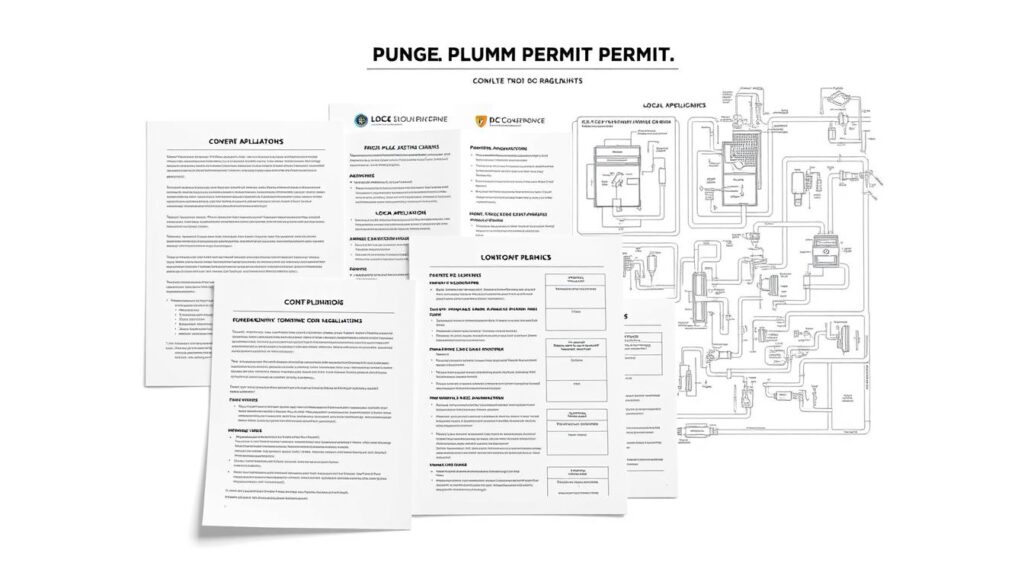
Understanding county plumbing permit rules can be tricky for homeowners. Each county has its own set of rules for plumbing work. These rules might be different from what cities require. Knowing these rules is key to keeping your home projects legal and up to code.
When you’re dealing with county plumbing permits, there are a few important things to remember:
- Find out which county your property is in
- Learn which county department handles permits
- Know the special rules for rural or unincorporated areas
- Check the specific rules for water and waste systems
Rural properties often have more complex permit requirements compared to urban locations. Counties cover bigger areas with different types of properties. This means plumbing rules can change a lot. Your local county building department is the best place to get the right permit info.
“Know your local regulations before starting any plumbing project to avoid legal problems.” – Professional Plumbing Association
County plumbing permit rules might include special rules for:
- Septic system installations
- Well water connections
- Agricultural property changes
- Private waste disposal systems
To get your permit easily, reach out to your county building department. They can give you all the details on what you need, like documents, fees, and inspections specific to your area.
Common Mistakes When Self-Permitting for Plumbing Work
Getting a plumbing permit on your own can be tricky. Many homeowners make mistakes that cost a lot of money. These errors can also cause problems with local building departments. Knowing these common mistakes can save you time, money, and legal issues.
When you try to get a plumbing permit yourself, you might make a few big mistakes:
- Starting work before getting the right permit
- Not scheduling needed inspections
- Changing the project plans without approval
- Using materials or methods not approved
- Thinking the project is simpler than it is
Potential Enforcement Actions
Local building departments are strict about plumbing work done without a permit. The wrong moves can lead to serious problems:
- Stop-work orders that stop your project
- Big fines
- Having to redo all the work done
- Issues when selling your home
When you sell your home, plumbing work done without a permit can be a big problem. Buyers might ask for changes, and title companies might need all permits cleared before closing. Some places keep records of permit issues that can affect future sales.
Pro Tip: Always check local rules and make sure you follow them before starting any plumbing project.
To protect yourself, learn about local building codes, keep detailed records, and know when to get help from a licensed plumber for tough jobs.
Conclusion
Getting diy plumbing permits for your home projects needs careful planning. You must understand local rules. Each place has its own rules you must follow for safety and legality.
Before you start plumbing work, talk to your local building department. They can tell you what you need for your project. Be honest about your skills. Some jobs are too hard for homeowners and need a pro.
Plumbing permits keep you and your home safe. They make sure your work meets important safety and building codes. By getting the right permits, you protect your investment and avoid future problems.
Your local building officials can help a lot with permits. Ask them questions and get clear on what you need. With the right preparation and following rules, you can do your plumbing projects right.
FAQ
Can I pull a plumbing permit for my own home?
In most places in the United States, homeowners can get plumbing permits for their homes. But, the rules can change based on where you live, the project’s size, and local building codes. Always check with your local building department to see what you need for your area.
What types of plumbing projects require a permit?
Mostly, you need a permit for big plumbing jobs like putting in new fixtures, changing pipe routes, or installing water heaters. Sewer line work and big kitchen or bathroom makeovers also need a permit. But, small fixes like replacing a faucet usually don’t. Always check with your local building department to be sure.
What do I need to do to obtain a homeowner plumbing permit?
To get a plumbing permit, you’ll need to show you own the property, submit detailed plans, and know the plumbing codes. You’ll also need to fill out a permit application, pay fees, and schedule inspections. Some places might ask you to pass a test on plumbing codes and safety.
Are there any restrictions on homeowner plumbing permits?
Yes, there are rules. You must own the property, live there, and do the work yourself. Some states require licensed plumbers for certain jobs. Big projects or work on buildings with many units need a pro’s license.
What happens if I do plumbing work without a permit?
Working without a permit can lead to big problems. You might face stop-work orders, fines, and have to remove the work. It could also void your insurance and make selling your home hard. Plus, it’s not safe and might not meet current codes.
How long does the permit process typically take?
The time it takes to get a permit varies a lot. It can be a few days to weeks, depending on your project and the building department’s workload. Some places offer online applications to speed things up.
Do I need special qualifications to pull a plumbing permit?
You don’t need a plumbing license, but you must know plumbing codes and safe practices. Some places might test your knowledge of codes and installation. Taking courses can help you get approved.
What inspections will be required for my plumbing project?
Most projects need at least two inspections: one before walls are closed and one after. The number and type of inspections depend on your local codes and project size. Always schedule inspections ahead of time and make sure the area is accessible.
Are there any plumbing projects I absolutely cannot do myself?
Some jobs are off-limits to homeowners. This includes complex work like medical gas systems, big commercial jobs, or work on buildings with many units. Also, jobs involving public water or sewer systems need a licensed pro.
How much does a plumbing permit cost?
Permit fees vary a lot. They can be under or hundreds of dollars. The best way to find out the cost is to call your local building department. Fees are set by each county and city.