
Affiliate Disclosure
Plumber Guide Guys is a participant in the Amazon Services LLC Associates Program, an affiliate advertising program designed to provide a means for sites to earn advertising fees by advertising and linking to Amazon.
Ever wondered why your drains sometimes make mysterious gurgling sounds or why water seems to drain slowly? The secret might be hiding right above your head – in your plumbing vent system. What invisible network controls the smooth flow of water through your home’s pipes?
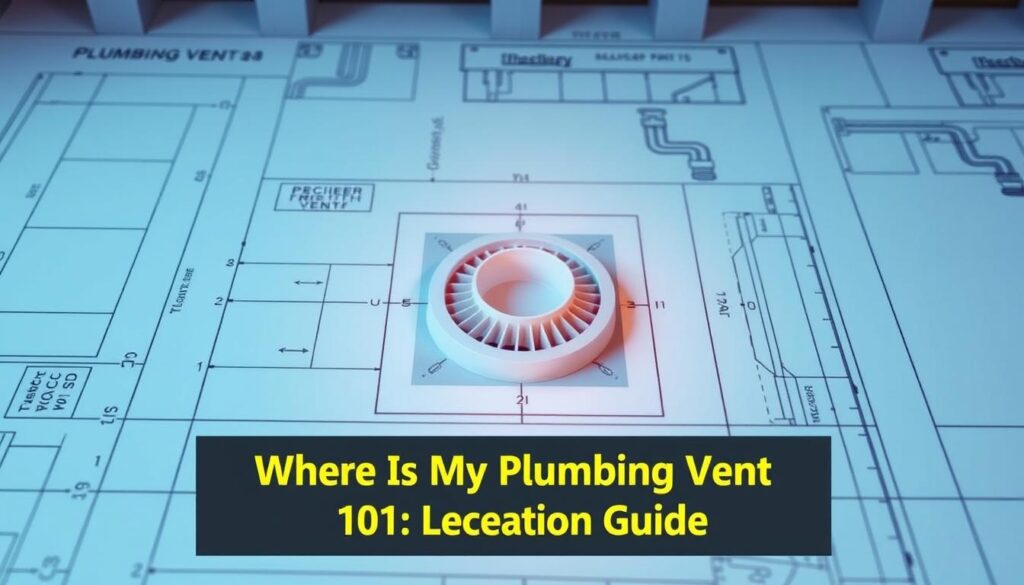
Understanding your plumbing vent location is key for a healthy drainage system. The American Society of Plumbing Engineers says these pipes do more than you might think. They are the unsung heroes of your home’s plumbing, making sure everything flows smoothly and efficiently.
This guide will show you everything about where your plumbing vent is. Whether you’re new to homeownership or a seasoned DIYer, you’ll learn how to spot, understand, and value these vital parts of your plumbing system.
Key Takeaways
- Plumbing vents are key for good drainage
- Vents prevent vacuum pressure in your pipes
- Knowing your vent location helps solve plumbing problems
- Vents protect water trap seals in your plumbing system
- Different types of vents serve various fixtures in your home
Table of Contents
What Is a Plumbing Vent and Why Does Your Home Need One
Your home’s drainage system has a key part that you might not see: the plumbing vent. This important part helps keep your plumbing system working well and safe.
A plumbing vent is more than just a pipe through your roof. It’s a complex system that keeps your home safe from plumbing problems. It also makes sure your home smells good.
The Primary Purpose of Protecting Trap Seals
The main job of a plumbing vent is to keep trap seals safe. These small water barriers in your P-traps stop bad sewer smells from getting in. Without a vent, these seals can fail due to changes in pressure.
- Prevents sewer gas from entering your home
- Maintains a water barrier in pipe connections
- Protects against possible health dangers
How Vents Balance Air Pressure in Your Drainage System
Plumbing vents add air to your drainage system. This balances the pressure and stops it from getting too high or too low. This helps water flow smoothly and keeps the trap seals from being pulled down.
| Pressure Type | Effect Without Venting | Venting Solution |
|---|---|---|
| Negative Pressure | Siphons trap water | Introduces compensating air |
| Positive Pressure | Pushes water out of traps | Provides pressure relief |
Secondary Benefits Beyond Trap Seal Protection
Plumbing vents do more than just protect trap seals. They also make your drains quieter, water drains faster, and safely move sewer gases away from your home.
- Quieter drain operations
- Faster water drainage
- Efficient sewer gas removal
Understanding How Plumbing Vents Work in Your Drainage System
Your home’s drainage system is a complex network called the DWV system. It manages wastewater and keeps air flowing right. Vent pipes are key to making sure your plumbing works well. They prevent bad pressure and let gases out.
Vent pipes balance air pressure in your drainage system. Water moving through pipes pushes air out, which could make a vacuum. Without vents, this vacuum can cause big problems:
- Slow drainage in sinks and toilets
- Potential siphoning of water from trap seals
- Sewer gas entering your living space
Think of your plumbing like a drinking straw. Covering the straw’s top stops liquid flow. Vent pipes work the same way, letting air in to replace displaced air when water moves. They make a path from your fixtures to the roof, letting gases safely leave your home.
| Vent Pipe Function | Purpose |
|---|---|
| Air Circulation | Prevents vacuum pressure in pipes |
| Trap Seal Protection | Maintains water barrier blocking sewer gases |
| Gas Removal | Directs harmful gases out through roof |
Knowing how your drainage system’s vent pipes work helps you spot problems. It also shows the clever design that keeps your plumbing efficient.
Where Is My Plumbing Vent: Common Locations in Your Home
Knowing where your plumbing vents are is key to a good drainage system. These vents help prevent drainage problems and keep air moving in your pipes.
Roof Plumbing Vent Locations and Termination Points
Your roof vent is a vertical pipe that goes through the roof. You can find them near bathrooms and other important areas. Most homes have several vent points, with the main one being the biggest.
- Visible on roof surface, usually 6 inches above roofline
- Typically made of PVC, ABS, or cast iron
- Located above bathroom and kitchen areas
Finding Vent Pipes Behind Walls and in Attic Spaces
Vent pipes aren’t always easy to spot. They often run up walls, following drain pipes. In the attic, you can see them going from floor to roof.
- Check utility chases
- Look behind bathroom vanities
- Examine walls near toilets and sinks
Identifying Your House Vent Stack and Main Stack Location
The main vent stack is the heart of your plumbing system. It’s a big vertical pipe that goes from your basement or crawl space to the roof. It connects many smaller vents.
Pro tip: During daylight hours, look for light penetrations around roof vent pipe locations to help identify their exact placement.
Different Types of Plumbing Vents and Their Locations
Plumbing vent systems are more complex than most homeowners realize. Knowing the different types of vents helps you spot plumbing problems. It also shows the detailed design of your home’s drainage system.
Individual Vents and Branch Vent Connections
Individual vents are simple. Each fixture has its own vent pipe. This pipe:
- Runs directly from near the fixture trap
- Connects to a branch vent or goes through the roof
- Keeps sewer gases out of living spaces
Branch vents are key in combining multiple individual vents. They gather vent pipes from various fixtures. Then, they lead them to the main vent stack or roof.
Common Vents for Back-to-Back Fixtures
Common vents are great for fixtures on opposite sides of a shared wall. These vents:
- Work for back-to-back fixtures like double sinks
- Use a single vent pipe at the junction between fixtures
- Lower the total number of vent pipes needed
Wet Venting Systems in Bathrooms
Wet venting is a modern plumbing ventilation method. In this system, a single pipe does two jobs:
- Acts as a drain for one fixture
- Provides ventilation for another fixture
- Is common in small bathroom layouts
Your home’s plumbing setup might be different from others. This depends on local building codes and the home’s age. Knowing about these vent types helps you understand your home’s plumbing better.
| Vent Type | Primary Function | Typical Location |
|---|---|---|
| Individual Vents | Dedicated fixture ventilation | Near specific fixtures |
| Branch Vents | Consolidate multiple individual vents | Between fixtures and main stack |
| Common Vents | Serve back-to-back fixtures | Shared wall between fixtures |
| Wet Vents | Dual drain and vent function | Compact bathroom layouts |
How to Locate Plumbing Vents for Specific Fixtures
Knowing where plumbing vents are can save you a lot of time and hassle. Each fixture in your home needs its own venting method. This ensures good drainage and avoids plumbing problems.
- Toilet Vent: You’ll find it in the wall right behind the toilet. It connects to the main stack vent. Most toilets are about 12 inches from the wall, with the vent going straight up.
- Sink Vent: For bathroom and kitchen sinks, look for vent pipes in the wall behind the sink. Vanity sinks often have hidden vents in the wall.
- Shower Vent: These are usually near the drain, often in the wall at the head or foot of the shower or bathtub.
Kitchen fixtures need extra care. Sink vents are behind the sink, with slight offsets for garbage disposals. Pedestal sinks have unique venting needs, with pipes hidden in the wall behind the fixture.
| Fixture Type | Typical Vent Location | Special Considerations |
|---|---|---|
| Toilet | Wall behind toilet | Connects to main stack |
| Bathroom Sink | Behind sink cabinet | Vertical pipe above P-trap |
| Shower/Tub | Near drain location | Often concealed in wall |
| Kitchen Sink | Behind sink | Offset for disposal |
Pro tip: Check your basement or crawl space to find fixture vents. Look for vertical pipes rising from beneath the fixtures. Remember, each fixture vent must be within a specific distance from the trap to meet plumbing codes.
Finding Your Sewer Vent Pipe and Stack Vent System
Understanding your home’s plumbing can be tricky. The main stack is key, linking levels and ensuring waste removal and air flow.
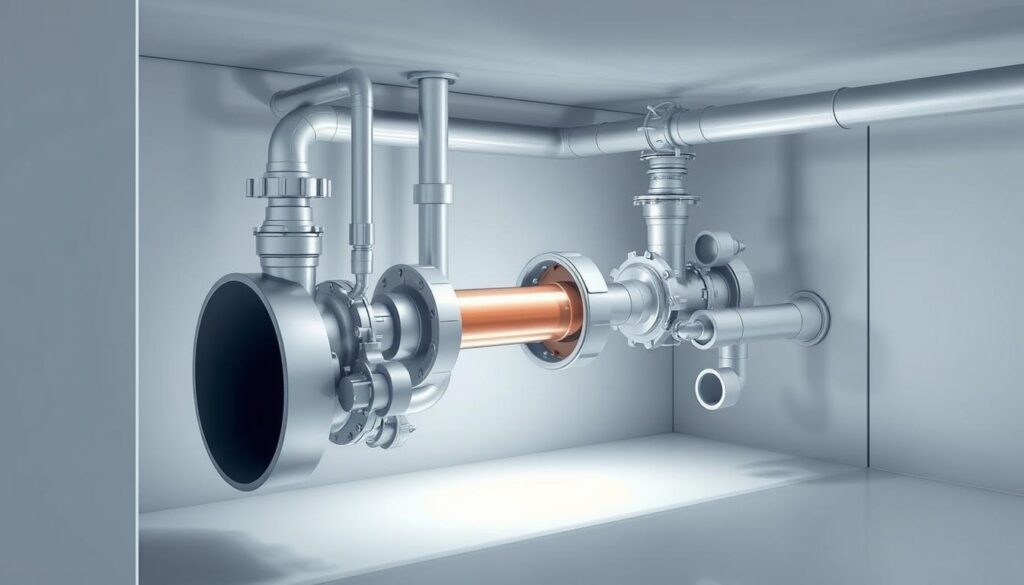
Your sewer vent pipe is vital for your plumbing’s efficiency. Let’s look at how to spot and grasp these important parts.
Tracing the Main Plumbing Stack in Your Home
Finding your main stack needs a step-by-step plan. Here’s how to locate it:
- Look for the biggest vertical pipe on your roof
- Search your attic for the vent stack’s path
- Find the pipe in wall cavities, usually near bathrooms
- Follow the pipe down to your basement or crawl space
The main stack is usually 3-4 inches wide and in the middle. Plumbers often find it behind toilets or in utility chases.
Understanding Vent Stack and Stack Vent Differences
Many get vent stack and stack vent mixed up. Here’s what they mean:
- Vent Stack: A vertical pipe for air, serving multiple fixtures
- Stack Vent: The top part of a drain stack, above the highest fixture
Knowing these differences helps you talk better with plumbers and understand your home’s drainage.
Pro Tip: A well-maintained sewer vent pipe prevents drainage issues and protects your home’s plumbing integrity.
Alternative Venting Solutions and Special Installations
Plumbing systems can be tricky. When roof venting is hard, new solutions help manage drainage and air pressure. This is important for your home’s plumbing.
Air admittance valves (AAVs) are a new way to vent homes. These valves let air in when needed and close by themselves. They’re great for tricky spots like kitchen islands.
- Allows air entry during negative pressure
- Automatically closes by gravity
- Perfect for kitchen islands and tight spaces
Island vent setups are another special solution. They work well when sinks are far from walls. These setups ensure water drains properly.
- Loop down below sink’s flood level
- Rise back up to create proper ventilation
- Maintain consistent drainage performance
| Venting Method | Application | Key Characteristics |
|---|---|---|
| AAV | Kitchen Islands | Mechanical one-way valve |
| Island Vent | Isolated Fixtures | Horizontal loop configuration |
| Circuit Venting | Multiple Fixtures | Single shared vent system |
Your local building codes decide what venting solutions are okay. Some places have strict rules about AAVs. Always check local plumbing laws before you install.
Knowing about these venting options can help solve plumbing problems. It makes sure your home’s drainage works well.
Signs Your Plumbing Vent May Be Blocked or Improperly Located
Spotting early signs of plumbing vent problems can prevent expensive fixes and health risks. A blocked vent can mess up your home’s drainage, causing trouble and danger.
Your plumbing system sends out subtle clues if something’s amiss. Catching these signs early can help fix vent issues before they get worse.
Slow Drains and Unusual Sounds
Slow drains often hint at vent problems. A blocked vent can lead to:
- Water draining slowly
- Gurgling sounds from sinks, toilets, or showers
- Multiple fixtures draining hard at once
These signs mean air can’t move freely through your plumbing. This creates negative pressure that slows down water flow.
Sewer Gas Odors and Trap Seal Complications
Stinky sewer gas odors are a big warning sign. Sewer gases in your home mean the water seal in your P-traps is broken. This can happen when:
- Vents are blocked
- Trap seals lose water because of bad venting
- Negative pressure pulls water from drain traps
“A working plumbing vent system keeps sewer gases out of your home.” – Plumbing Professional
If you see these signs, check for blocked vent issues fast. While some fixes are DIY-friendly, complex problems need a pro to keep your system safe and working right.
Conclusion
Knowing where your plumbing vent is can make you a better homeowner. You’ll be able to spot and fix problems early, saving money on repairs.
Understanding where plumbing vents are helps you maintain your home better. It’s not just about fixing issues. It’s about keeping your home’s plumbing system working right.
By finding each vent pipe, you learn about your home’s plumbing. If you hear strange noises or notice slow drains, you’ll know it’s time to act.
Learning about your plumbing vents is a smart move. It helps you work with plumbers and do basic checks. This keeps your plumbing system in top shape for years.