
Affiliate Disclosure
Plumber Guide Guys is a participant in the Amazon Services LLC Associates Program, an affiliate advertising program designed to provide a means for sites to earn advertising fees by advertising and linking to Amazon.
How to Get Plumbing Jobs? Are you ready to unlock a career that offers stability, good pay, and endless opportunities? What if you could transform your technical skills into a thriving profession that’s always in demand?
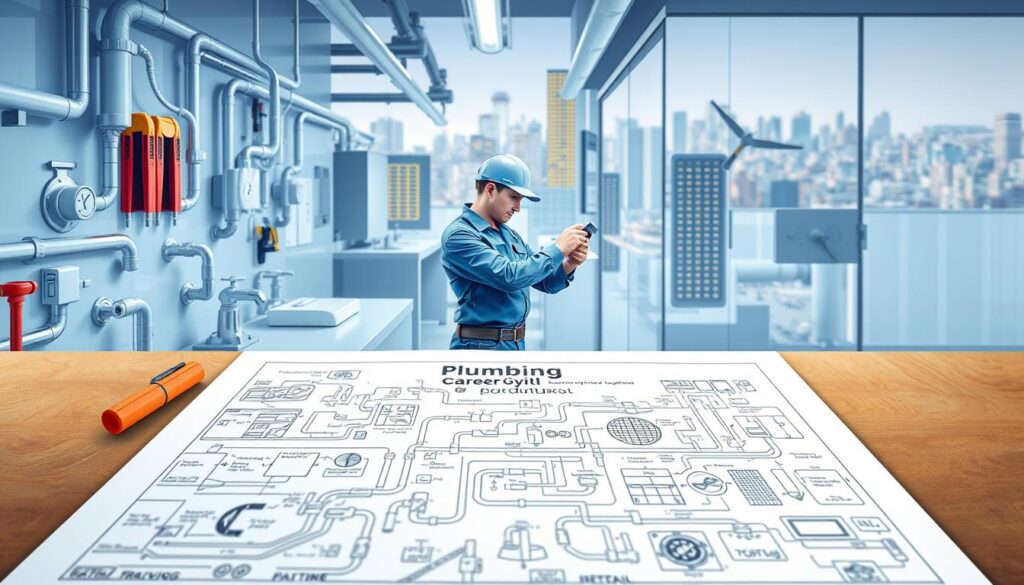
The plumbing industry presents an exciting pathway for individuals seeking a robust career with significant growth. This guide will provide you with a clear, actionable roadmap for how to get plumbing jobs in today’s competitive market.
Whether you’re a high school graduate, career changer, or someone exploring vocational opportunities, this guide delivers practical information. Success in plumbing requires a combination of formal education, hands-on training, proper licensing, networking skills, and business acumen.
Key Takeaways
- Discover a recession-resistant career path with strong job security
- Learn essential steps to enter the plumbing profession
- Understand educational and licensing requirements
- Explore multiple career advancement opportunities
- Gain insights into building a successful plumbing career
Table of Contents
Understanding the Plumbing Career Landscape
Plumbing is a dynamic and essential career path. It offers exciting opportunities for skilled professionals. The construction and maintenance industries rely on expert plumbers to keep things running smoothly. Your role in this field goes beyond simple pipe repairs.
The plumbing industry has a strong career landscape. It offers many pathways for growth and development. Skilled trades are in high demand across the United States, creating many opportunities for motivated individuals.
Current Demand for Plumbers in the United States
The job market for plumbers is strong and promising. Recent Bureau of Labor Statistics data shows:
- Projected job growth of 4% between 2021-2031
- Approximately 51,000 new plumbing positions expected annually
- Median annual wage around $59,880 as of 2022
Why Plumbing Offers Job Security and Growth
Your plumbing career can provide long-term stability. This is due to several key factors:
- Essential service that cannot be outsourced
- Aging infrastructure needing constant maintenance
- Increasing demand in residential and commercial sectors
- Opportunities for specialization in emerging technologies
The plumbing profession combines technical skill, problem-solving, and hands-on work. Your expertise will be key in maintaining critical infrastructure and supporting sustainable development.
Educational Pathways to Start Your Plumbing Career
Starting a plumbing career means picking the right education. You’ll learn key skills that will help you succeed.
There are two main ways to start your plumbing career:
- Certificate Programs
- Associate Degree Programs
Certificate programs are quick to get you working. They teach you how to install and fix pipes, understand codes, and get technical skills. You’ll learn in about 6-12 months.
Associate degree programs offer more. They last two years and include advanced technical knowledge, math for trades, and more career options. They also teach safety, like OSHA rules, and give you hands-on experience.
Associate degrees have big benefits:
- They prepare you for management roles
- They lead to specialized jobs
- They help you move up in education later
- They give you deeper technical training
Choosing depends on your time, money, and goals. Both ways can lead to a good plumbing career with the right training and license.
“Education is the blueprint for your future in the trades.” – Professional Plumbing Association
No matter your choice, keep learning and improving. The plumbing world values those who keep up with new tech and methods.
Choosing the Right Plumbing Trade School
Finding the right plumbing trade school is key to starting your career. Your choice affects your future, skills, and earnings in plumbing.
When looking at trade schools, consider important factors. These will shape your education and career path.
State Approval and Accreditation Requirements
It’s vital to check if your school meets state standards. Look for:
- State board certifications
- National trade organization accreditation
- Local licensing compliance
Evaluating Program Curriculum and Hands-On Training
A good plumbing program mixes theory and practice. Look for schools with:
- Plenty of workshop training
- Access to modern equipment
- Experienced instructors
Cost Comparison Between Certificate and Associate Degree Programs
Understanding costs is important. Here’s a comparison:
| Program Type | Average Duration | Estimated Cost | Career Opportunity |
|---|---|---|---|
| Certificate Program | 6-12 months | $3,000 – $7,000 | Entry-level jobs |
| Associate Degree | 2 years | $10,000 – $25,000 | Advanced roles, management |
Pro tip: Many schools offer financial aid, scholarships, and flexible payment plans to help manage educational expenses.
Completing Your Plumbing Apprenticeship Successfully
Your plumbing apprenticeship is a key step to a successful career in the trades. You start earning 40-50% of what a journeyman makes, with pay increases as you learn more. This way, you get real-world experience without the burden of student loans.
To succeed in your apprenticeship, you need to be dedicated and have certain qualities. These qualities will help shape your career:
- Punctuality and reliability
- Willingness to learn continuously
- Attention to detail
- Professional conduct
- Strong communication skills
As you go through your apprenticeship, you’ll face different challenges. These challenges will test your skills and grow your knowledge. Your mentors will teach you about complex plumbing systems, skills you can’t learn from books alone.
| Apprenticeship Phase | Key Learning Objectives | Typical Duration |
|---|---|---|
| Initial Training | Basic technical skills and safety protocols | 6-12 months |
| Intermediate Development | Advanced installation and repair techniques | 12-24 months |
| Advanced Specialization | Complex system design and troubleshooting | 24-36 months |
Keeping track of your hours and experiences is very important for your future. Keep detailed records of your work, skills, and projects. These records will be key when you become a licensed journeyman plumber.
Your apprenticeship is a big investment in your future. By being committed, flexible, and always ready to learn, you’ll lay a solid foundation for a fulfilling career in plumbing.
Getting Licensed as a Professional Plumber
Becoming a licensed plumber takes hard work, skill, and knowing the licensing rules. Your path from apprentice to master plumber has key steps. These steps shape your plumbing career.
- Apprentice plumber: Entry-level with supervised training
- Journeyman plumber: Works independently
- Master plumber: Has advanced skills and supervises others
State-Specific Licensing Requirements
Each state has its own rules for plumber licenses. Most require:
- Being at least 18 years old
- Finishing an approved apprenticeship
- Having enough work experience hours
- Passing a big licensing exam
“Success in plumbing licensing is about understanding both technical skills and regulatory requirements.”
Journeyman and Master Plumber Certifications
To be a journeyman plumber, you must pass a test. It checks your knowledge of plumbing codes and more. After 5-7 years as a journeyman, you can aim for master plumber status.
Master plumbers get more benefits, like:
- Supervising plumbers
- Training apprentices
- Getting permits for big projects
- Running their own plumbing businesses
Always check with your state’s licensing board for exact rules. Rules can change a lot between places.
How to Get Plumbing Jobs
Finding your first plumbing job takes smart networking and action. The plumbing world has many chances for those ready to make connections and show their skills.
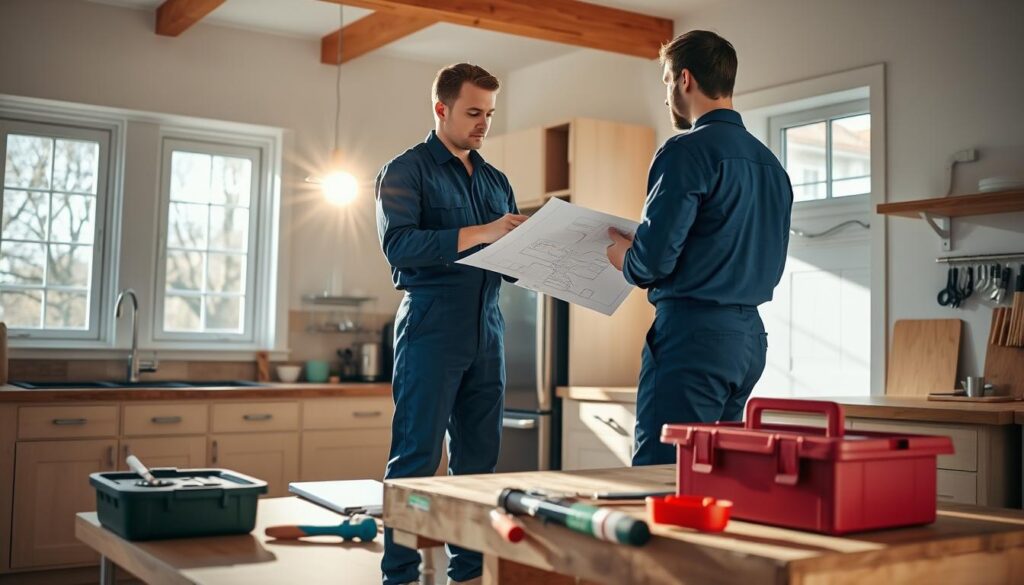
Looking for plumbing jobs means using different ways and building relationships. Who you know can really help you find a job.
Building Relationships with Local Contractors
It’s key to connect with local contractors to get plumbing jobs. Here are some tips:
- Go to local construction and trade events
- Join plumbing associations
- Send a professional message to contractors
- Help or shadow experienced plumbers
When you network, talk about your skills and how excited you are. Many contractors like to hire through trusted sources.
Leveraging Trade School Job Placement Services
Your trade school can help a lot with finding jobs. They usually have:
- Resume help
- Interview tips
- Connections with employers
- Job fairs
Networking Within Union and Non-Union Opportunities
Look at both union and non-union groups for jobs. Professional unions have big job boards and referrals. Non-union groups online and in local businesses can also help.
Keep trying and be professional to get the plumbing job you want.
Marketing Your Plumbing Services to Find Contracts
Successful plumbers know that finding contracts is all about marketing. Showing off your skills can turn a simple job into a booming business.
Digital marketing is key for plumbers looking for new contracts. Having a strong online presence helps clients find you fast.
- Develop a user-friendly website highlighting your services
- Create Google Business Profile for local visibility
- Utilize social media platforms like Facebook and Instagram
- Generate positive customer reviews and testimonials
Local networking is also vital for plumbing contracts. Go to community events, join professional groups, and connect with construction and property managers.
Try these focused marketing methods:
- Create targeted online ads
- Distribute professional business cards
- Offer referral bonuses to current clients
- Showcase your unique skills with case studies
Take the time to learn about your local market’s needs. Each area has its own marketing needs, so adjust your strategy to find more contracts.
“Your reputation is your most valuable marketing tool in the plumbing industry.” – Professional Plumbing Association
By using these smart marketing strategies, you’ll stand out as a trusted plumbing service. This will bring in more contracts and help your business grow.
Specializing to Increase Your Job Opportunities
Plumbing offers many career paths for those who want to specialize. By focusing on specific skills, you can stand out in the job market. This opens up more chances for better pay and opportunities.

Residential vs Commercial Plumbing Positions
Knowing the difference between residential and commercial plumbing helps you choose your path. This choice can shape your career.
- Residential Plumbing: Works in homes, apartments, and small buildings
- Commercial Plumbing: Handles big buildings like offices, hospitals, and schools
Skills and job complexity differ a lot between these areas. Commercial plumbing needs more advanced skills and special tools.
Emerging Specializations in Green Technology and Water Management
The plumbing field is changing fast with green tech and water saving solutions. New specializations are creating great job chances.
| Specialization | Key Skills Required | Potential Market Demand |
|---|---|---|
| Sustainable Plumbing | Energy-efficient system design | High growth in eco-conscious markets |
| Water Recycling Systems | Advanced filtration technologies | Increasing in drought-prone regions |
| Smart Water Management | IoT and digital monitoring skills | Rapid expansion in commercial sectors |
Investing in specialized training and keeping up with new tech makes you valuable. You’ll thrive in the changing plumbing world.
Building Your Professional Reputation in the Plumbing Industry
Building a strong reputation is key in the plumbing world. Your reputation is your most valuable asset. It attracts clients and opens doors for career growth. Skilled plumbers know that being good at your job is just the start.
Here are some ways to build your professional credibility:
- Always do high-quality work
- Keep clients informed and open
- Meet deadlines and keep promises
- Keep learning and improving
Having a strong online presence is important today. Make professional profiles that show your skills, certifications, and projects. Customer reviews and testimonials can make you more visible and trustworthy.
Networking is also key in plumbing. Go to trade events, join groups, and meet experienced plumbers. They can offer advice and help you get more work. Your reputation will grow as you work hard and build real connections.
“Your reputation is your most significant professional currency in the trades.” – Master Plumber Robert Garcia
Building your reputation takes time. Every job is a chance to show you’re professional, skilled, and care about your clients.
Salary Expectations and Career Advancement Opportunities
Plumbing is a rewarding career with great financial and professional growth. Knowing the salary and advancement chances helps plan your career path in this exciting trade.
Plumbers earn competitive pay that grows with experience and skills. Beginners start with good wages, with plenty of room to increase their earnings.
Understanding Regional Pay Differences
Plumbing salaries change a lot across the United States. Several things affect how much plumbers earn:
- Local economic conditions
- Cost of living
- Demand for skilled trades
- Urban vs. rural markets
Some states pay plumbers more than others. For example, California, New York, and Massachusetts often offer better pay than other places.
Transitioning from Employee to Business Owner
Many plumbers start their own businesses, which can really boost their earnings. To succeed, you need:
- Strong technical skills
- Business management knowledge
- Networking capabilities
- Initial capital investment
By planning well and improving your skills, you can turn your plumbing job into a successful business.
Conclusion
Starting your career in plumbing is a chance for a stable and rewarding job. The plumbing field has a strong demand, ensuring job security. Plus, you’ll earn good pay that grows with your experience and skills.
Most plumbers are happy with their jobs. They enjoy the independence and problem-solving aspects. These make the work both challenging and rewarding.
Getting plumbing jobs is not just luck. It comes from making smart choices. Choose the right training, do well in your apprenticeship, and get the right licenses. Networking and marketing your services also play big roles.
Plumbing is different from other careers that need expensive degrees. You can start earning while you learn. This means you can avoid big debts and work in a field that can’t be easily replaced by machines.
Now, it’s time to take action. Look for trade schools near you, talk to local plumbers about apprenticeships, and find out what your state needs for licenses. Joining plumbing associations can also help you grow in your career. With hard work and the right attitude, you can have a fulfilling career in plumbing.
Keep improving your skills and build a good reputation. The plumbing industry offers many ways to advance, like starting your own business. Your hard work can lead to a long, satisfying career that helps your community and brings you joy.
FAQ
How long does it take to become a licensed plumber?
What are the typical entry requirements for a plumbing career?
How much does plumbing school cost?
How long does it take to become a licensed plumber?
What are the typical entry requirements for a plumbing career?
How much does plumbing school cost?
FAQ
How long does it take to become a licensed plumber?
It takes about 4-5 years to become a licensed plumber. This includes 6-12 months of trade school and 4-5 years of apprenticeship. You must pass state exams and gain work experience to get your license.
What are the typical entry requirements for a plumbing career?
To start in plumbing, you need a high school diploma or GED. You also need to finish a vocational program and a 4-5 year apprenticeship. Plus, you must pass background checks and have a valid driver’s license.
How much does plumbing school cost?
Plumbing school costs vary from
FAQ
How long does it take to become a licensed plumber?
It takes about 4-5 years to become a licensed plumber. This includes 6-12 months of trade school and 4-5 years of apprenticeship. You must pass state exams and gain work experience to get your license.
What are the typical entry requirements for a plumbing career?
To start in plumbing, you need a high school diploma or GED. You also need to finish a vocational program and a 4-5 year apprenticeship. Plus, you must pass background checks and have a valid driver’s license.
How much does plumbing school cost?
Plumbing school costs vary from $1,000 to $15,000. This depends on the program and location. Many schools offer financial aid and flexible payment plans to help with costs.
What tools do I need to start as a plumber?
You’ll need a basic tool kit for plumbing. This includes pipe wrenches, pliers, and a tape measure. The cost of tools can be between $500 to $1,500, depending on quality.
Are there opportunities for advancement in plumbing?
Yes, plumbing offers many career paths. You can move from apprentice to journeyman and then to master plumber. You can also become a project manager or start your own business.
What is the average salary for plumbers?
Plumbers earn about $56,330 a year on average. Experienced plumbers can make between $70,000 and $100,000. Salaries vary based on location and experience.
Do I need to be physically strong to become a plumber?
Plumbing is physically demanding. You’ll need strength, stamina, and flexibility. Being in good shape can help you succeed in this job.
How can I find plumbing job opportunities?
Look for plumbing jobs through trade schools, online boards, and local networks. You can also use LinkedIn and get referrals. Many plumbers find work through personal connections.
What certifications are most valuable for plumbers?
Important certifications include journeyman and master plumber licenses. Green plumbing and backflow prevention certifications are also valuable. Continuing education can boost your career and pay.
Is plumbing a good career for someone changing professions?
Plumbing is a great choice for career changers. It offers stable jobs, good pay, and little student debt. The industry welcomes motivated and capable professionals willing to train.
,000 to ,000. This depends on the program and location. Many schools offer financial aid and flexible payment plans to help with costs.
What tools do I need to start as a plumber?
You’ll need a basic tool kit for plumbing. This includes pipe wrenches, pliers, and a tape measure. The cost of tools can be between 0 to
FAQ
How long does it take to become a licensed plumber?
It takes about 4-5 years to become a licensed plumber. This includes 6-12 months of trade school and 4-5 years of apprenticeship. You must pass state exams and gain work experience to get your license.
What are the typical entry requirements for a plumbing career?
To start in plumbing, you need a high school diploma or GED. You also need to finish a vocational program and a 4-5 year apprenticeship. Plus, you must pass background checks and have a valid driver’s license.
How much does plumbing school cost?
Plumbing school costs vary from $1,000 to $15,000. This depends on the program and location. Many schools offer financial aid and flexible payment plans to help with costs.
What tools do I need to start as a plumber?
You’ll need a basic tool kit for plumbing. This includes pipe wrenches, pliers, and a tape measure. The cost of tools can be between $500 to $1,500, depending on quality.
Are there opportunities for advancement in plumbing?
Yes, plumbing offers many career paths. You can move from apprentice to journeyman and then to master plumber. You can also become a project manager or start your own business.
What is the average salary for plumbers?
Plumbers earn about $56,330 a year on average. Experienced plumbers can make between $70,000 and $100,000. Salaries vary based on location and experience.
Do I need to be physically strong to become a plumber?
Plumbing is physically demanding. You’ll need strength, stamina, and flexibility. Being in good shape can help you succeed in this job.
How can I find plumbing job opportunities?
Look for plumbing jobs through trade schools, online boards, and local networks. You can also use LinkedIn and get referrals. Many plumbers find work through personal connections.
What certifications are most valuable for plumbers?
Important certifications include journeyman and master plumber licenses. Green plumbing and backflow prevention certifications are also valuable. Continuing education can boost your career and pay.
Is plumbing a good career for someone changing professions?
Plumbing is a great choice for career changers. It offers stable jobs, good pay, and little student debt. The industry welcomes motivated and capable professionals willing to train.
,500, depending on quality.
Are there opportunities for advancement in plumbing?
Yes, plumbing offers many career paths. You can move from apprentice to journeyman and then to master plumber. You can also become a project manager or start your own business.
What is the average salary for plumbers?
Plumbers earn about ,330 a year on average. Experienced plumbers can make between ,000 and 0,000. Salaries vary based on location and experience.
Do I need to be physically strong to become a plumber?
Plumbing is physically demanding. You’ll need strength, stamina, and flexibility. Being in good shape can help you succeed in this job.
How can I find plumbing job opportunities?
Look for plumbing jobs through trade schools, online boards, and local networks. You can also use LinkedIn and get referrals. Many plumbers find work through personal connections.
What certifications are most valuable for plumbers?
Important certifications include journeyman and master plumber licenses. Green plumbing and backflow prevention certifications are also valuable. Continuing education can boost your career and pay.
Is plumbing a good career for someone changing professions?
Plumbing is a great choice for career changers. It offers stable jobs, good pay, and little student debt. The industry welcomes motivated and capable professionals willing to train.
What tools do I need to start as a plumber?
FAQ
How long does it take to become a licensed plumber?
It takes about 4-5 years to become a licensed plumber. This includes 6-12 months of trade school and 4-5 years of apprenticeship. You must pass state exams and gain work experience to get your license.
What are the typical entry requirements for a plumbing career?
To start in plumbing, you need a high school diploma or GED. You also need to finish a vocational program and a 4-5 year apprenticeship. Plus, you must pass background checks and have a valid driver’s license.
How much does plumbing school cost?
Plumbing school costs vary from
FAQ
How long does it take to become a licensed plumber?
It takes about 4-5 years to become a licensed plumber. This includes 6-12 months of trade school and 4-5 years of apprenticeship. You must pass state exams and gain work experience to get your license.
What are the typical entry requirements for a plumbing career?
To start in plumbing, you need a high school diploma or GED. You also need to finish a vocational program and a 4-5 year apprenticeship. Plus, you must pass background checks and have a valid driver’s license.
How much does plumbing school cost?
Plumbing school costs vary from $1,000 to $15,000. This depends on the program and location. Many schools offer financial aid and flexible payment plans to help with costs.
What tools do I need to start as a plumber?
You’ll need a basic tool kit for plumbing. This includes pipe wrenches, pliers, and a tape measure. The cost of tools can be between $500 to $1,500, depending on quality.
Are there opportunities for advancement in plumbing?
Yes, plumbing offers many career paths. You can move from apprentice to journeyman and then to master plumber. You can also become a project manager or start your own business.
What is the average salary for plumbers?
Plumbers earn about $56,330 a year on average. Experienced plumbers can make between $70,000 and $100,000. Salaries vary based on location and experience.
Do I need to be physically strong to become a plumber?
Plumbing is physically demanding. You’ll need strength, stamina, and flexibility. Being in good shape can help you succeed in this job.
How can I find plumbing job opportunities?
Look for plumbing jobs through trade schools, online boards, and local networks. You can also use LinkedIn and get referrals. Many plumbers find work through personal connections.
What certifications are most valuable for plumbers?
Important certifications include journeyman and master plumber licenses. Green plumbing and backflow prevention certifications are also valuable. Continuing education can boost your career and pay.
Is plumbing a good career for someone changing professions?
Plumbing is a great choice for career changers. It offers stable jobs, good pay, and little student debt. The industry welcomes motivated and capable professionals willing to train.
,000 to ,000. This depends on the program and location. Many schools offer financial aid and flexible payment plans to help with costs.
What tools do I need to start as a plumber?
You’ll need a basic tool kit for plumbing. This includes pipe wrenches, pliers, and a tape measure. The cost of tools can be between 0 to
FAQ
How long does it take to become a licensed plumber?
It takes about 4-5 years to become a licensed plumber. This includes 6-12 months of trade school and 4-5 years of apprenticeship. You must pass state exams and gain work experience to get your license.
What are the typical entry requirements for a plumbing career?
To start in plumbing, you need a high school diploma or GED. You also need to finish a vocational program and a 4-5 year apprenticeship. Plus, you must pass background checks and have a valid driver’s license.
How much does plumbing school cost?
Plumbing school costs vary from $1,000 to $15,000. This depends on the program and location. Many schools offer financial aid and flexible payment plans to help with costs.
What tools do I need to start as a plumber?
You’ll need a basic tool kit for plumbing. This includes pipe wrenches, pliers, and a tape measure. The cost of tools can be between $500 to $1,500, depending on quality.
Are there opportunities for advancement in plumbing?
Yes, plumbing offers many career paths. You can move from apprentice to journeyman and then to master plumber. You can also become a project manager or start your own business.
What is the average salary for plumbers?
Plumbers earn about $56,330 a year on average. Experienced plumbers can make between $70,000 and $100,000. Salaries vary based on location and experience.
Do I need to be physically strong to become a plumber?
Plumbing is physically demanding. You’ll need strength, stamina, and flexibility. Being in good shape can help you succeed in this job.
How can I find plumbing job opportunities?
Look for plumbing jobs through trade schools, online boards, and local networks. You can also use LinkedIn and get referrals. Many plumbers find work through personal connections.
What certifications are most valuable for plumbers?
Important certifications include journeyman and master plumber licenses. Green plumbing and backflow prevention certifications are also valuable. Continuing education can boost your career and pay.
Is plumbing a good career for someone changing professions?
Plumbing is a great choice for career changers. It offers stable jobs, good pay, and little student debt. The industry welcomes motivated and capable professionals willing to train.
,500, depending on quality.
Are there opportunities for advancement in plumbing?
Yes, plumbing offers many career paths. You can move from apprentice to journeyman and then to master plumber. You can also become a project manager or start your own business.
What is the average salary for plumbers?
Plumbers earn about ,330 a year on average. Experienced plumbers can make between ,000 and 0,000. Salaries vary based on location and experience.
Do I need to be physically strong to become a plumber?
Plumbing is physically demanding. You’ll need strength, stamina, and flexibility. Being in good shape can help you succeed in this job.
How can I find plumbing job opportunities?
Look for plumbing jobs through trade schools, online boards, and local networks. You can also use LinkedIn and get referrals. Many plumbers find work through personal connections.
What certifications are most valuable for plumbers?
Important certifications include journeyman and master plumber licenses. Green plumbing and backflow prevention certifications are also valuable. Continuing education can boost your career and pay.
Is plumbing a good career for someone changing professions?
Plumbing is a great choice for career changers. It offers stable jobs, good pay, and little student debt. The industry welcomes motivated and capable professionals willing to train.
Are there opportunities for advancement in plumbing?
What is the average salary for plumbers?
Do I need to be physically strong to become a plumber?
How can I find plumbing job opportunities?
What certifications are most valuable for plumbers?
Is plumbing a good career for someone changing professions?
What tools do I need to start as a plumber?
How long does it take to become a licensed plumber?
What are the typical entry requirements for a plumbing career?
How much does plumbing school cost?
FAQ
How long does it take to become a licensed plumber?
It takes about 4-5 years to become a licensed plumber. This includes 6-12 months of trade school and 4-5 years of apprenticeship. You must pass state exams and gain work experience to get your license.
What are the typical entry requirements for a plumbing career?
To start in plumbing, you need a high school diploma or GED. You also need to finish a vocational program and a 4-5 year apprenticeship. Plus, you must pass background checks and have a valid driver’s license.
How much does plumbing school cost?
Plumbing school costs vary from
FAQ
How long does it take to become a licensed plumber?
It takes about 4-5 years to become a licensed plumber. This includes 6-12 months of trade school and 4-5 years of apprenticeship. You must pass state exams and gain work experience to get your license.
What are the typical entry requirements for a plumbing career?
To start in plumbing, you need a high school diploma or GED. You also need to finish a vocational program and a 4-5 year apprenticeship. Plus, you must pass background checks and have a valid driver’s license.
How much does plumbing school cost?
Plumbing school costs vary from $1,000 to $15,000. This depends on the program and location. Many schools offer financial aid and flexible payment plans to help with costs.
What tools do I need to start as a plumber?
You’ll need a basic tool kit for plumbing. This includes pipe wrenches, pliers, and a tape measure. The cost of tools can be between $500 to $1,500, depending on quality.
Are there opportunities for advancement in plumbing?
Yes, plumbing offers many career paths. You can move from apprentice to journeyman and then to master plumber. You can also become a project manager or start your own business.
What is the average salary for plumbers?
Plumbers earn about $56,330 a year on average. Experienced plumbers can make between $70,000 and $100,000. Salaries vary based on location and experience.
Do I need to be physically strong to become a plumber?
Plumbing is physically demanding. You’ll need strength, stamina, and flexibility. Being in good shape can help you succeed in this job.
How can I find plumbing job opportunities?
Look for plumbing jobs through trade schools, online boards, and local networks. You can also use LinkedIn and get referrals. Many plumbers find work through personal connections.
What certifications are most valuable for plumbers?
Important certifications include journeyman and master plumber licenses. Green plumbing and backflow prevention certifications are also valuable. Continuing education can boost your career and pay.
Is plumbing a good career for someone changing professions?
Plumbing is a great choice for career changers. It offers stable jobs, good pay, and little student debt. The industry welcomes motivated and capable professionals willing to train.
,000 to ,000. This depends on the program and location. Many schools offer financial aid and flexible payment plans to help with costs.
What tools do I need to start as a plumber?
You’ll need a basic tool kit for plumbing. This includes pipe wrenches, pliers, and a tape measure. The cost of tools can be between 0 to
FAQ
How long does it take to become a licensed plumber?
It takes about 4-5 years to become a licensed plumber. This includes 6-12 months of trade school and 4-5 years of apprenticeship. You must pass state exams and gain work experience to get your license.
What are the typical entry requirements for a plumbing career?
To start in plumbing, you need a high school diploma or GED. You also need to finish a vocational program and a 4-5 year apprenticeship. Plus, you must pass background checks and have a valid driver’s license.
How much does plumbing school cost?
Plumbing school costs vary from $1,000 to $15,000. This depends on the program and location. Many schools offer financial aid and flexible payment plans to help with costs.
What tools do I need to start as a plumber?
You’ll need a basic tool kit for plumbing. This includes pipe wrenches, pliers, and a tape measure. The cost of tools can be between $500 to $1,500, depending on quality.
Are there opportunities for advancement in plumbing?
Yes, plumbing offers many career paths. You can move from apprentice to journeyman and then to master plumber. You can also become a project manager or start your own business.
What is the average salary for plumbers?
Plumbers earn about $56,330 a year on average. Experienced plumbers can make between $70,000 and $100,000. Salaries vary based on location and experience.
Do I need to be physically strong to become a plumber?
Plumbing is physically demanding. You’ll need strength, stamina, and flexibility. Being in good shape can help you succeed in this job.
How can I find plumbing job opportunities?
Look for plumbing jobs through trade schools, online boards, and local networks. You can also use LinkedIn and get referrals. Many plumbers find work through personal connections.
What certifications are most valuable for plumbers?
Important certifications include journeyman and master plumber licenses. Green plumbing and backflow prevention certifications are also valuable. Continuing education can boost your career and pay.
Is plumbing a good career for someone changing professions?
Plumbing is a great choice for career changers. It offers stable jobs, good pay, and little student debt. The industry welcomes motivated and capable professionals willing to train.
,500, depending on quality.
Are there opportunities for advancement in plumbing?
Yes, plumbing offers many career paths. You can move from apprentice to journeyman and then to master plumber. You can also become a project manager or start your own business.
What is the average salary for plumbers?
Plumbers earn about ,330 a year on average. Experienced plumbers can make between ,000 and 0,000. Salaries vary based on location and experience.
Do I need to be physically strong to become a plumber?
Plumbing is physically demanding. You’ll need strength, stamina, and flexibility. Being in good shape can help you succeed in this job.
How can I find plumbing job opportunities?
Look for plumbing jobs through trade schools, online boards, and local networks. You can also use LinkedIn and get referrals. Many plumbers find work through personal connections.
What certifications are most valuable for plumbers?
Important certifications include journeyman and master plumber licenses. Green plumbing and backflow prevention certifications are also valuable. Continuing education can boost your career and pay.
Is plumbing a good career for someone changing professions?
Plumbing is a great choice for career changers. It offers stable jobs, good pay, and little student debt. The industry welcomes motivated and capable professionals willing to train.
What tools do I need to start as a plumber?
FAQ
How long does it take to become a licensed plumber?
It takes about 4-5 years to become a licensed plumber. This includes 6-12 months of trade school and 4-5 years of apprenticeship. You must pass state exams and gain work experience to get your license.
What are the typical entry requirements for a plumbing career?
To start in plumbing, you need a high school diploma or GED. You also need to finish a vocational program and a 4-5 year apprenticeship. Plus, you must pass background checks and have a valid driver’s license.
How much does plumbing school cost?
Plumbing school costs vary from
FAQ
How long does it take to become a licensed plumber?
It takes about 4-5 years to become a licensed plumber. This includes 6-12 months of trade school and 4-5 years of apprenticeship. You must pass state exams and gain work experience to get your license.
What are the typical entry requirements for a plumbing career?
To start in plumbing, you need a high school diploma or GED. You also need to finish a vocational program and a 4-5 year apprenticeship. Plus, you must pass background checks and have a valid driver’s license.
How much does plumbing school cost?
Plumbing school costs vary from $1,000 to $15,000. This depends on the program and location. Many schools offer financial aid and flexible payment plans to help with costs.
What tools do I need to start as a plumber?
You’ll need a basic tool kit for plumbing. This includes pipe wrenches, pliers, and a tape measure. The cost of tools can be between $500 to $1,500, depending on quality.
Are there opportunities for advancement in plumbing?
Yes, plumbing offers many career paths. You can move from apprentice to journeyman and then to master plumber. You can also become a project manager or start your own business.
What is the average salary for plumbers?
Plumbers earn about $56,330 a year on average. Experienced plumbers can make between $70,000 and $100,000. Salaries vary based on location and experience.
Do I need to be physically strong to become a plumber?
Plumbing is physically demanding. You’ll need strength, stamina, and flexibility. Being in good shape can help you succeed in this job.
How can I find plumbing job opportunities?
Look for plumbing jobs through trade schools, online boards, and local networks. You can also use LinkedIn and get referrals. Many plumbers find work through personal connections.
What certifications are most valuable for plumbers?
Important certifications include journeyman and master plumber licenses. Green plumbing and backflow prevention certifications are also valuable. Continuing education can boost your career and pay.
Is plumbing a good career for someone changing professions?
Plumbing is a great choice for career changers. It offers stable jobs, good pay, and little student debt. The industry welcomes motivated and capable professionals willing to train.
,000 to ,000. This depends on the program and location. Many schools offer financial aid and flexible payment plans to help with costs.
What tools do I need to start as a plumber?
You’ll need a basic tool kit for plumbing. This includes pipe wrenches, pliers, and a tape measure. The cost of tools can be between 0 to
FAQ
How long does it take to become a licensed plumber?
It takes about 4-5 years to become a licensed plumber. This includes 6-12 months of trade school and 4-5 years of apprenticeship. You must pass state exams and gain work experience to get your license.
What are the typical entry requirements for a plumbing career?
To start in plumbing, you need a high school diploma or GED. You also need to finish a vocational program and a 4-5 year apprenticeship. Plus, you must pass background checks and have a valid driver’s license.
How much does plumbing school cost?
Plumbing school costs vary from $1,000 to $15,000. This depends on the program and location. Many schools offer financial aid and flexible payment plans to help with costs.
What tools do I need to start as a plumber?
You’ll need a basic tool kit for plumbing. This includes pipe wrenches, pliers, and a tape measure. The cost of tools can be between $500 to $1,500, depending on quality.
Are there opportunities for advancement in plumbing?
Yes, plumbing offers many career paths. You can move from apprentice to journeyman and then to master plumber. You can also become a project manager or start your own business.
What is the average salary for plumbers?
Plumbers earn about $56,330 a year on average. Experienced plumbers can make between $70,000 and $100,000. Salaries vary based on location and experience.
Do I need to be physically strong to become a plumber?
Plumbing is physically demanding. You’ll need strength, stamina, and flexibility. Being in good shape can help you succeed in this job.
How can I find plumbing job opportunities?
Look for plumbing jobs through trade schools, online boards, and local networks. You can also use LinkedIn and get referrals. Many plumbers find work through personal connections.
What certifications are most valuable for plumbers?
Important certifications include journeyman and master plumber licenses. Green plumbing and backflow prevention certifications are also valuable. Continuing education can boost your career and pay.
Is plumbing a good career for someone changing professions?
Plumbing is a great choice for career changers. It offers stable jobs, good pay, and little student debt. The industry welcomes motivated and capable professionals willing to train.
,500, depending on quality.
Are there opportunities for advancement in plumbing?
Yes, plumbing offers many career paths. You can move from apprentice to journeyman and then to master plumber. You can also become a project manager or start your own business.
What is the average salary for plumbers?
Plumbers earn about ,330 a year on average. Experienced plumbers can make between ,000 and 0,000. Salaries vary based on location and experience.
Do I need to be physically strong to become a plumber?
Plumbing is physically demanding. You’ll need strength, stamina, and flexibility. Being in good shape can help you succeed in this job.
How can I find plumbing job opportunities?
Look for plumbing jobs through trade schools, online boards, and local networks. You can also use LinkedIn and get referrals. Many plumbers find work through personal connections.
What certifications are most valuable for plumbers?
Important certifications include journeyman and master plumber licenses. Green plumbing and backflow prevention certifications are also valuable. Continuing education can boost your career and pay.
Is plumbing a good career for someone changing professions?
Plumbing is a great choice for career changers. It offers stable jobs, good pay, and little student debt. The industry welcomes motivated and capable professionals willing to train.