

Affiliate Disclosure
Plumber Guide Guys is a participant in the Amazon Services LLC Associates Program, an affiliate advertising program designed to provide a means for sites to earn advertising fees by advertising and linking to Amazon.
How to Become a Union Plumber in the US? Are you ready for a career that’s stable, well-paid, and full of growth? A union plumber apprenticeship might be the key to a rewarding trade career.
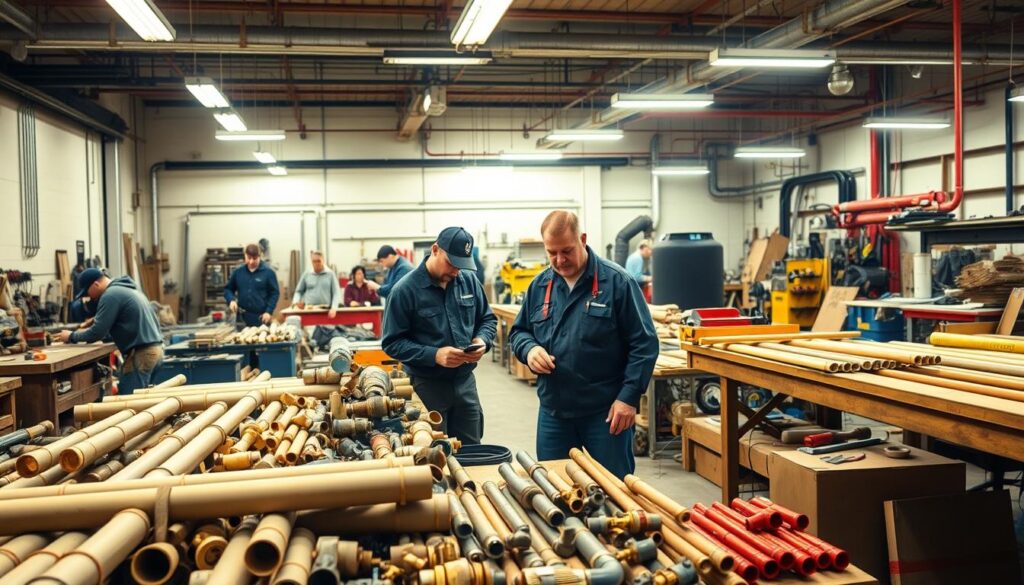
The union plumber apprenticeship is a unique way into the skilled trades. It offers a mix of classroom learning and real-world experience. This training is designed to help you master plumbing skills.
Many people want to join these programs, but spots are limited. Starting your career as a union plumber means understanding the special opportunities and tough training involved.
Key Takeaways
- Union plumber apprenticeships offer structured, thorough training
- Competitive programs provide great career chances
- Hands-on learning mixes classroom and practical skills
- Union apprenticeships lead to stable, well-paying jobs
- Professional growth is a key part of the program
Table of Contents
What Is a Union Plumber and Why Choose This Career Path
Plumbing is key to keeping our buildings and systems working well. Union plumbers are experts who install and fix plumbing in homes, businesses, and factories.
Choosing to be a union plumber means more than just a job. It’s a career with great benefits that make you stand out from others.
Understanding the Role of Union Plumbers
Union plumbers are skilled workers who join professional groups. They focus on:
- Installing water and drainage systems
- Maintaining complex piping infrastructures
- Repairing residential and commercial plumbing networks
- Working with various utility systems
Benefits of Joining a Plumbers Union
The perks of being a union plumber make this job very appealing. Here’s what you can look forward to:
| Benefit Category | Key Advantages |
|---|---|
| Financial Opportunities | Higher wages, structured pay increases, competitive compensation |
| Professional Development | Paid training, apprenticeship programs, continuous skill enhancement |
| Job Security | Strong advocacy, reliable employment, protection of workers’ rights |
| Healthcare & Retirement | Comprehensive medical coverage, pension plans, retirement benefits |
Joining a plumbers union opens doors to world-class training, strong support, and chances for career growth. It’s more than just a job.
How to Become a Union Plumber
Becoming a union plumber takes hard work and a clear plan. Your journey begins with understanding the steps to enter this rewarding trade. The path to becoming a union plumber involves several key steps that turn you into a skilled craftsman.
Your first step is to meet basic qualifications. Most unions look for candidates who:
- Are at least 18 years old
- Have a high school diploma or GED
- Are physically fit for the job
- Have a valid driver’s license
Research is key in your journey to become a union plumber. You should:
- Find local plumbers unions in your area
- Check the specific requirements of each union
- Go to information sessions
- Talk to current union plumbers
The application process for union plumber programs is tough. Get ready for aptitude tests, physical exams, and drug screenings. These tests make sure you’re prepared for the challenging yet rewarding work.
Your apprenticeship will last four to five years. You’ll learn in both classrooms and on the job. This training builds a strong base for your plumbing career.
Union plumbing offers a structured pathway to a stable, well-paying career in the skilled trades.
By following these steps and staying committed, you’ll go from an apprentice to a certified union plumber. You’ll be ready to start a successful career in this vital trade.
Understanding Union Plumber Apprenticeship Programs
Students at plumbing trade school have many paths to choose from. Union apprenticeship programs are a top choice for those wanting deep training and career growth.
These programs have a long history of training skilled tradespeople. They mix classroom learning with real-world experience. This combo prepares you well for a plumbing career.
The Roots of Union Apprenticeship Training
Union apprenticeships in plumbing started in the mid-1930s. In 1936, the United Association of Journeyman Plumbers and the National Association of Master Plumbers created the first national program.
- Standardized 5-year apprenticeship program
- Minimum 720 hours of classroom instruction
- Equal representation from master and journeyman plumbers
- Consistent national training standards
What Sets Union Apprenticeships Apart
Union apprenticeships differ from regular trade schools. You earn while learning, get great benefits, and earn respected credentials. These open doors to many career chances.
Key differences include:
- Paid training instead of paying tuition
- Structured curriculum with national recognition
- Strong job placement support
- Comprehensive healthcare and retirement benefits
Going through a union apprenticeship changes you. You become a skilled professional ready for the plumbing industry’s needs.
Meeting the Qualifications and Requirements
To become a union plumber, you must meet certain requirements. These ensure you’re ready for the challenges of this trade. The path to becoming a professional plumber involves several key qualifications.
Your journey starts with basic requirements for aspiring plumbers. These include:
- Minimum age of 18 years old
- High school diploma or equivalent GED
- Valid driver’s license
- Ability to read, write, and speak English proficiently
- Physical fitness to perform demanding manual labor
Being physically fit is important for your plumbing career. You’ll need to pass tests that check your fitness for the job. These tests usually include:
- Physical examination
- Drug screening
- Agility test to assess physical capabilities
- Aptitude test measuring mathematical and mechanical skills
Attention high school seniors: You can start applying early. Prepare a letter from your school confirming your expected graduation, along with current transcripts. This shows your dedication to becoming a professional plumber.
The union takes these requirements very seriously. They are in place to ensure safety, competence, and professional standards in plumbing. Meeting these qualifications is your first step towards a fulfilling career in plumbing.
The Application Process for Plumbers Local Union Programs
Applying for a plumbing apprenticeship can seem tough. But, knowing the steps can make it easier. Start by getting ready and paying close attention to the details.
Required Documents and Application Fees
Your application needs some important documents. Make sure you have these before you start:
- Valid driver’s license
- Birth certificate or U.S. passport
- High school diploma or equivalent (transcripts, GED, or DD214 for veterans)
- Proof of age verification
Most programs ask for a non-refundable application fee, about $50. You’ll pay this with a major credit card online.
Important Deadlines and Submission Guidelines
Applications have strict deadlines. Local unions usually open their portals in November through February. Timing is critical.
Here are some tips for submitting:
- Have digital copies of all needed documents ready
- Check the specific application portal for your local union
- Submit your application as early as possible
- Make sure all uploaded documents are clear and readable
After you apply, you’ll get an email with next steps. This includes information about your aptitude test.
Classroom Training and Technical Education
Starting your journey to become a professional plumber means diving into classroom training. This training lays the groundwork for your ua plumbing certification. Union apprenticeship programs usually need 500-720 hours of technical education.
The classroom lessons cover a wide range of technical skills. These skills are designed to get you ready for tough plumbing tasks:
- Technical blueprint reading and mechanical drawing
- Advanced trade mathematics
- Computer-aided design (CAD) techniques
- Water supply and drainage system principles
- Fuel gas science and code interpretation
You’ll learn a lot about the plumbing industry. You’ll gain skills like:
- Interpreting complex construction plans
- Performing precise mathematical calculations
- Understanding state-specific plumbing regulations
- Mastering safety protocols and OSHA guidelines
The training mixes theory with practice. This ensures you’re ready to shine in your plumbing career. You’ll be well-prepared to get your ua plumbing certification.
| Training Component | Hours Dedicated |
|---|---|
| Technical Mathematics | 100-150 hours |
| Blueprint Reading | 80-120 hours |
| Code Interpretation | 60-90 hours |
| Safety Training | 40-60 hours |
Your classroom education turns theory into practical skills. It prepares you for a successful plumbing career.
On-the-Job Training and Hands-On Experience
Your plumbing apprenticeship turns classroom learning into real skills. You’ll get hands-on training in pipefitter union jobs. Here, you learn from experienced professionals in a unique setting.
During your apprenticeship, you’ll dive into plumbing work. You’ll learn by doing, not just reading. This way, you’re ready for the real plumbing challenges.
Working Alongside Licensed Journeyman Plumbers
You’ll work with journeyman plumbers who are your mentors. They teach you through real tasks. You get insights that books can’t share.
- Learn industry best practices from certified experts
- Receive real-time feedback on your performance
- Develop professional work ethic
- Understand safety protocols in practical settings
Skills Developed in the Field
Pipefitter union jobs need a wide range of skills. You’ll learn these through field training. You’ll work in many places, from homes to big industrial systems.
- Technical Proficiency: Install and repair pipe systems
- Work with multiple materials (copper, PVC, cast iron)
- Operate specialized plumbing equipment
- Develop advanced problem-solving skills
Your apprenticeship lets you earn while you learn. It turns book knowledge into real skills in plumbing.
Earning Your Journeyman Plumber Certification
Finishing your plumbers local union apprenticeship is a big step. After four to five years of hard work, you’re set to get your journeyman plumber certification. This certification opens up new career paths for you.
The certification process has two main parts:
- Written examination testing theoretical knowledge
- Practical skills assessment demonstrating hands-on expertise
Your plumbers local union training gets you ready for this challenge. The written exam covers key areas like:
- Plumbing codes and regulations
- System design principles
- Installation techniques
- Safety procedures
Passing the exam makes you a certified journeyman plumber. This means you can work on your own. You’ll also get documents showing your skills, like welding and gas fitting.
Your certification is more than just a pass. It’s your ticket to a respected trade, union membership, and more growth in plumbing.
Union Plumber Salary and Benefits Package
Choosing to be a union plumber means great money and lots of benefits. It’s not just a job; it’s a career with a bright future. You’ll earn well and have many advantages over time.
Union plumbers get paid well and their pay grows as they get more experience. Even as an apprentice, you start earning right away. Your pay goes up as you learn more. A union plumber’s earning power keeps increasing as they work.
Competitive Wages and Pay Progression
Union plumbers have clear pay rates that match their skills and years of work. Here’s what you can expect:
- Apprentice: 40-50% of journeyman rate
- Journeyman: $51+ per hour
- Annual earnings: $122,000+ possible
- Regular pay raises in your contract
Healthcare, Retirement, and Additional Perks
But it’s not just about the money. You also get amazing benefits. Here’s what’s included:
| Benefit Category | Coverage Details |
|---|---|
| Healthcare | Full medical, dental, vision coverage |
| Retirement | Defined Pension Plan, Annuity programs |
| Additional Benefits | Life insurance, disability coverage, Members Assistance Program |
Being a union member makes your plumbing career much better. You get fair pay and lots of support. This is thanks to the union’s strong bargaining power.
Career Advancement Opportunities in the Plumbing Trade
Starting as a union plumber is just the beginning. The plumbing trade has many ways to grow your career. You can move up to new levels of expertise.
Specializing is a big step towards career growth. You can choose areas that fit your interests and skills:
- Medical gas system installation
- Fire sprinkler system design
- Industrial process piping
- HVAC system integration
Getting advanced certifications can open even more doors. A master plumber certification lets you:
- Start your own plumbing business
- Get complex permits
- Lead project teams
- Charge higher service rates
Your union training sets you up for leadership roles. Jobs like plumbing inspector, technical instructor, or union representative are available. Experienced plumbers often move into project management or estimating in construction.
“The union plumbing career path is not just a job, it’s a gateway to continuous professional growth.” – Industry Expert
Using your union connections can lead to new career paths. Keep learning through continuing education. This keeps you up-to-date with new technologies and trends.
Conclusion
Starting your journey to become a union plumber is a smart move with big benefits. It takes hard work, physical strength, and a drive to grow in your career. This guide will show you how to become a union plumber and open doors in the skilled trades.
Your training will mix classroom learning with real-world practice. Union apprenticeships offer a clear path to learn plumbing skills. You’ll gain the technical and practical skills needed for this challenging job. After four to five years, you’ll have a stable job with good pay, earning $70,000 to $90,000 a year.
Being part of a union means more than just a job. It gives you a community, great benefits, and job security. Remember, your hard work and dedication are key to success. Plumbing is a rewarding career that lets you solve problems and contribute to your community without college debt.
Your journey as a union plumber begins today. Look into local unions, get your application ready, and start your career. The path may be tough, but the rewards of being a skilled union plumber are worth it.