
Affiliate Disclosure
Plumber Guide Guys is a participant in the Amazon Services LLC Associates Program, an affiliate advertising program designed to provide a means for sites to earn advertising fees by advertising and linking to Amazon.
What Is Plumbing Fixtures? Ever thought about what keeps water flowing in your home? Plumbing fixtures are the heroes you don’t see, making your daily life comfortable. They ensure you have access to water and help with drainage.
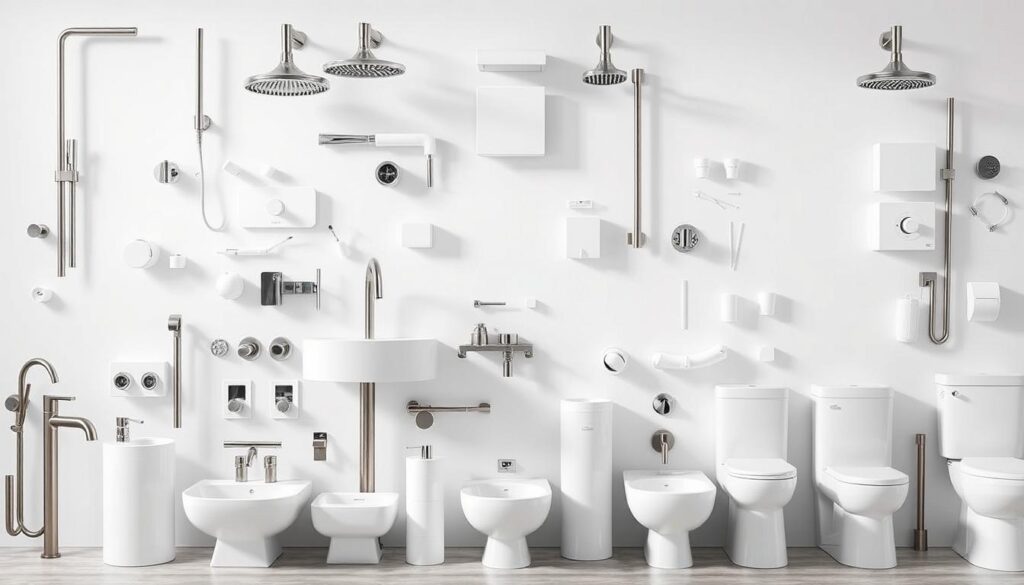
So, what are plumbing fixtures? They’re the parts of your home’s water system you use every day. From kitchen sinks to bathroom showers, they’re key in managing water and waste in homes and businesses.
Knowing about plumbing fixtures helps you take better care of your home. It prevents problems and guides you in making smart choices during updates or fixes. These parts are not just useful; they’re essential for your home’s comfort and efficiency.
Key Takeaways
- Plumbing fixtures are visible water system components
- They include sinks, toilets, showers, and faucets
- Fixtures manage water supply and waste removal
- Proper understanding helps with home maintenance
- Different fixtures serve specific functional purposes
Table of Contents
Understanding Plumbing Fixtures and Their Role
Your home’s plumbing system is made up of many parts. These parts work together to bring you clean water and take away waste. Knowing how bathroom fixtures and sink plumbing fit into this system helps you take care of your home.
- Water Supply System
- Drainage-Waste-Vent (DWV) System
Components of a Residential Plumbing System
Every plumbing fixture is important for water flow. Kitchen sinks and bathroom fixtures connect your home’s water systems to the outside world.
| System Type | Primary Function | Key Components |
|---|---|---|
| Water Supply | Delivers clean water | Pipes, valves, faucets |
| Drainage System | Removes wastewater | Drain pipes, traps, vents |
Water Supply and Drainage Systems
Sink plumbing is key in both systems. Water supply pipes bring water to your fixtures. Drainage pipes take away used water, keeping your home safe.
Basic Functions and Purposes
Plumbing fixtures make it easy to get water and remove waste. They connect your home’s plumbing to your daily needs.
What Is Plumbing Fixtures and Their Core Functions
Plumbing fixtures are key parts of your home’s water system. They include things like kitchen sinks and bathroom showers. Knowing about plumbing fixtures helps you pick the best ones for your home.
- Water delivery to specific areas of your home
- Waste removal through drainage systems
- Water conservation through efficient design
- Providing convenient access to water resources
“Plumbing fixtures are the unsung heroes of modern home infrastructure, connecting us to clean water and sanitation.” – Plumbing Experts Association
Modern plumbing fixtures have changed a lot. Touchless faucets, water-saving toilets, and smart shower systems are the latest. They make things work better and save water, which can also cut down on your bills.
There are many types of plumbing fixtures, each with its own job. Kitchen fixtures help with food and cleaning, while bathroom fixtures are for hygiene and waste. They’re made to work well and be easy to use.
When picking plumbing hardware, think about how long it will last, how much water it uses, and if it fits with your plumbing. Good fixtures make your home work better and look nicer.
Essential Types of Bathroom Fixtures
Bathroom fixtures are key to a good bathroom design. They affect both looks and function. From toilets to showerheads, each piece is important for a comfy bathroom.
Modern Toilet Options and Mechanisms
Toilets have changed a lot. You’ll find many new designs when installing a toilet:
- Dual-flush models save water
- Wall-mounted toilets look modern
- Comfort-height toilets are easier to use
Sink and Faucet Combinations
Sinks are more than just a place to wash your hands. They can change your bathroom’s look. Here are some popular sink options:
| Sink Type | Best For | Style |
|---|---|---|
| Pedestal Sink | Small Bathrooms | Classic |
| Vessel Sink | Modern Designs | Contemporary |
| Undermount Sink | Seamless Countertops | Minimalist |
Shower and Bathtub Innovations
Showerheads are now a big part of bathroom design. You can pick from many styles, like rain-style or multi-jet. Think about:
- Water pressure
- Spray patterns
- Water saving features
Choose fixtures that are both useful and stylish. Your picks can make your daily routine better and show off your taste.
Kitchen Plumbing Fixtures Guide
Choosing the right kitchen plumbing fixtures can change how you cook and clean. Kitchen faucets and sink plumbing are key. They mix function with style in today’s homes.
When looking at kitchen sinks, you’ll find many good options:
- Farmhouse sinks: Spacious and visually striking
- Under-mount sinks: Sleek and easy to clean
- Double-bowl sinks: Maximize workspace and versatility
Modern kitchen faucets have cool features that make daily tasks easier. Touchless faucets let you turn on water without touching it. This cuts down on germ spread and makes life easier.
| Faucet Type | Key Features | Best For |
|---|---|---|
| Pull-Down Faucets | Extended reach, flexible sprayer | Large pots, thorough cleaning |
| Touchless Faucets | Motion-activated, hygienic | Busy kitchens, germ reduction |
| Water-Saving Faucets | Low flow, eco-friendly | Environmental conservation |
Think about your cooking habits and kitchen layout when picking sink plumbing. Water-efficient models save money and help the planet.
Pro tip: Look for WaterSense-labeled fixtures to ensure optimal performance and water conservation.
Water-Efficient Fixtures and Conservation
Protecting our planet’s water starts at home. Water-efficient fixtures help cut down water use and bills. They’re a smart way to save the environment.
Benefits of Low-Flow Fixtures
Modern water-efficient fixtures save money and the planet. They cut down water waste without losing performance.
- Reduce water consumption by up to 30%
- Lower monthly utility expenses
- Minimize environmental impact
- Improve home sustainability
WaterSense Certification Standards
The EPA’s WaterSense program sets a high standard for water-efficient fixtures. Products with this mark have:
- Rigorous performance testing
- Verified water savings
- High-quality manufacturing standards
“One leaky faucet can waste over 2,000 gallons annually. Water-efficient fixtures stop this unnecessary waste.” – EPA Water Conservation Report
Cost Savings and Environmental Impact
Water-efficient fixtures save money over time. An average household can save $380 per year with WaterSense products. These savings help the environment and support green living.
Choosing Quality Materials for Fixtures
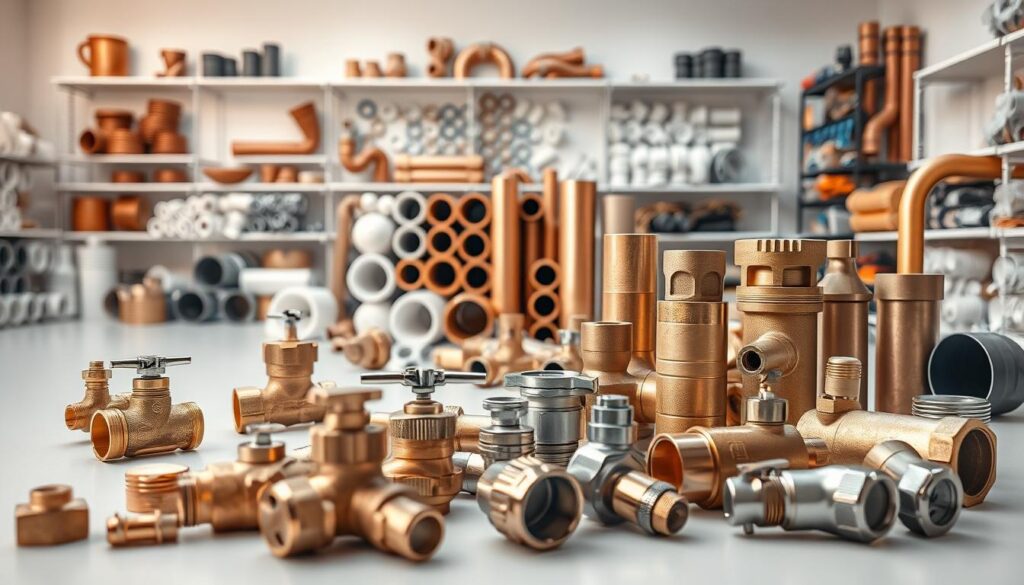
Choosing the right materials for your plumbing hardware is key. It affects how long they last and how they look. The fixtures you pick can also impact your home’s value and upkeep.
When looking at plumbing hardware materials, keep these points in mind:
- Stainless Steel: It’s very resistant to rust and lasts a long time.
- Brass: It’s a classic choice that protects well against corrosion.
- Ceramic: It has a smooth surface, is easy to clean, and resists stains well.
- Fireclay: It’s very tough, making it great for sinks and other fixtures.
Today’s plumbing hardware combines new materials with style. Composite granite sinks are very strong. PVD finishes on faucets are great at preventing scratches and corrosion.
When picking plumbing hardware materials, focus on these:
- Durability
- Maintenance needs
- Looks
- Value for money
Professional tip: Spend on quality materials now to avoid costly repairs later. Your future self will appreciate your wise choice.
Installation Requirements and Considerations
Proper installation of plumbing fixtures is key for their long-term performance. Whether it’s a toilet or bathtub, knowing the essential steps can save you time and money. It also helps avoid future problems.
Before starting any plumbing project, experts suggest checking a few important things:
- Accurate measurements of existing space
- Compatibility with current plumbing infrastructure
- Necessary tools and expertise
- Local building code requirements
Proper Mounting and Securing
Secure mounting is vital to avoid future plumbing issues. For toilets, use the right wax rings and bolts, and make sure it’s level. Bathtubs need precise leveling and strong support to avoid damage.
Connection Types and Methods
Each fixture has its own connection method. You might need:
- Compression fittings
- Push-to-connect systems
- Soldered joints
- Threaded connections
Code Compliance Guidelines
Always check local building codes before starting. Some places need permits for installing toilets or bathtubs. A professional plumber can guide you through these rules and ensure your work is up to code.
Professional installation costs vary but typically range from $100 to $500 depending on complexity and local labor rates.
While some might try DIY, complex fixtures often need a pro. This ensures they work right and avoids water damage.
Maintenance and Care for Plumbing Fixtures
Keeping your sink plumbing and bathroom fixtures in good shape is key. Regular care helps avoid expensive fixes and keeps water systems working well.
Plumbing fixtures need regular checks to stay in top shape. Here are some important steps to keep your bathroom and kitchen looking great:
- Inspect bathroom fixtures monthly for signs of wear or damage
- Clean sink plumbing fixtures with appropriate non-abrasive cleaners
- Check for hidden leaks around faucets and pipe connections
- Descale showerheads and faucet aerators periodically
Each material in your bathroom needs its own care. Ceramic, stainless steel, and brass surfaces each have unique maintenance requirements to avoid corrosion and keep their shine.
| Fixture Type | Cleaning Frequency | Recommended Method |
|---|---|---|
| Faucets | Weekly | Mild soap, soft cloth |
| Showerheads | Monthly | Vinegar solution |
| Toilet | Bi-weekly | Toilet-specific cleaner |
In cold areas, it’s vital to winterize your plumbing. Wrap exposed pipes and disconnect outdoor fixtures to stop freezing and damage. Following these care tips will make your plumbing last longer and save you money on repairs.
Common Problems and Troubleshooting
Plumbing issues can quickly turn from minor annoyances to major headaches if not addressed promptly. Knowing how to detect and resolve common sink plumbing and toilet installation problems can save you time, money, and prevent water damage.
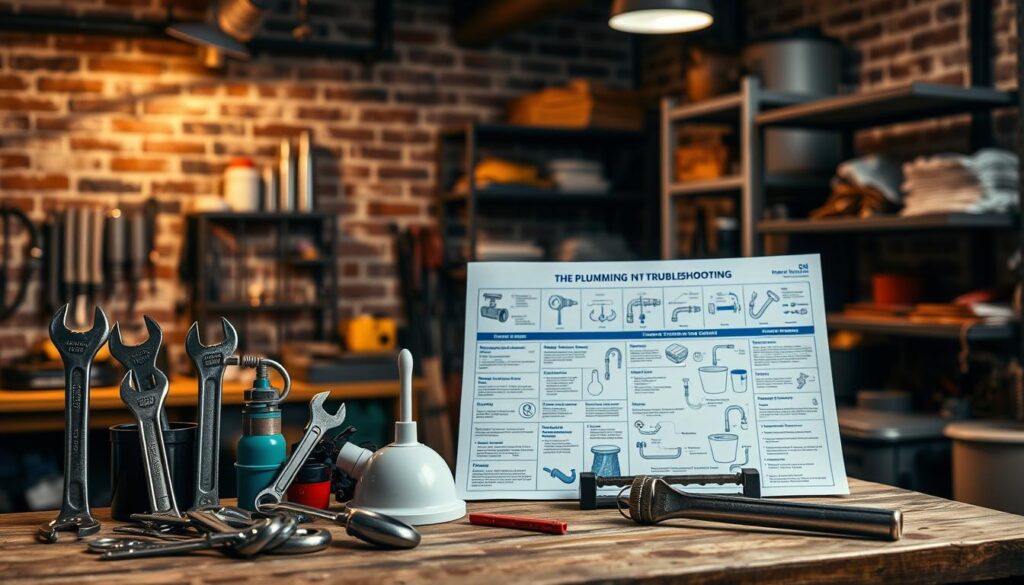
Leak Detection and Repair Strategies
Identifying leaks early is key to keeping your home’s plumbing system in good shape. For sink plumbing issues, watch for these warning signs:
- Water stains under pipes
- Musty odors near fixtures
- Unexplained increases in water bills
- Visible water droplets or moisture
Pressure Issues Resolution
Water pressure problems can affect your toilet installation and plumbing performance. Low pressure might come from:
- Mineral buildup in pipes
- Faulty pressure regulators
- Hidden leaks in the water system
Clog Prevention Strategies
Preventing clogs requires proactive maintenance. Simple techniques like using drain strainers and avoiding dumping grease can protect your plumbing infrastructure. Regular cleaning and mindful usage are key to preventing blockages in both kitchen and bathroom fixtures.
Remember: Small preventative actions can save you from costly repairs down the line.
Modern Trends in Plumbing Fixtures
The world of plumbing fixtures is changing fast. It’s now mixing new tech with cool designs. Today’s plumbing goes beyond just working right, adding smart features that look great too.
Smart tech has changed water-saving fixtures. Now, you can find plumbing with:
- Touchless operation using motion sensors
- Voice-activated controls
- Mobile app integration for remote management
- Advanced water conservation settings
Design trends are also exciting. People are choosing unique finishes and styles. Matte black and brushed gold fixtures are big, adding a touch of class to homes.
Water-saving fixtures are now stylish too. Dual-flush toilets, precise faucets, and smart showerheads are popular. They’re not just good for the planet, but they look good too.
Luxury features like rain showerheads and freestanding tubs are now for homes. They used to be only in fancy hotels. Now, they’re available for anyone who wants them.
“Innovation meets functionality in modern plumbing design” – Design Trends Magazine
Think about how new fixtures can make your home better. They can save water, make your home more comfortable, and look amazing.
Professional vs DIY Installation
Homeowners often face a big choice: do it yourself or hire a pro for toilet and bathtub installs. Each option has its own good points and possible downsides to think about.
Going the DIY route might save money, but it needs certain skills and tools. For those new to plumbing, complex tasks can be tough. On the other hand, pros ensure your fixtures are installed right, avoiding water damage and future repair costs.
- DIY Challenges:
- Specialized tool requirements
- Risk of improper sealing
- Potential code violation penalties
- Professional Benefits:
- Guaranteed workmanship
- Code compliance
- Warranty protection
Think about your skills and the job’s complexity before making a choice. Simple replacements might be doable, but big bathroom overhauls usually need a pro.
| Installation Type | DIY Difficulty | Recommended Approach |
|---|---|---|
| Toilet Replacement | Moderate | Professional for complex scenarios |
| Bathtub Installation | High | Recommended Professional Service |
| Faucet Swap | Low | DIY Friendly |
Quality and safety should always come first. Saving money is tempting, but bad installs can cause big problems. If unsure, it’s best to talk to a licensed plumber.
Conclusion
Knowing what plumbing fixtures are is key to a well-functioning home. This guide has shown you the important types of plumbing fixtures. They are not just parts; they are the heart of your home’s water system.
You now have the knowledge to make smart choices. Whether you’re updating your home or keeping things as they are, picking the right fixtures matters. They affect your comfort, water use, and home value. New plumbing tech brings better solutions that look good and work well.
Learning about your plumbing system saves money and hassle in the long run. Keeping things in good shape and choosing quality fixtures avoids big repair bills. Each fixture has its own role, so picking the right ones is important.
Stay interested in new plumbing tech and ways to save water. Your efforts will make your home more efficient and help the planet. Keep learning and tackle your plumbing with confidence and knowledge.