
Affiliate Disclosure
Plumber Guide Guys is a participant in the Amazon Services LLC Associates Program, an affiliate advertising program designed to provide a means for sites to earn advertising fees by advertising and linking to Amazon.
What Is Check Valve in Plumbing? Ever thought about how your plumbing stops water from flowing backward? This could damage your home. The answer is a check valve in plumbing. It’s a key device that keeps your water system safe.
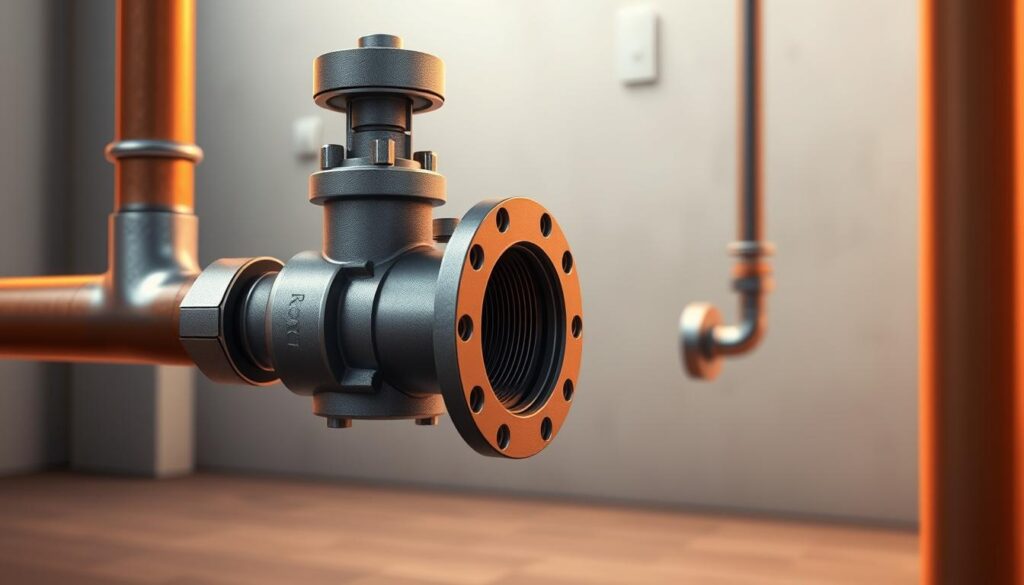
Check valves are smart devices that make sure water flows only one way. Knowing about check valves helps homeowners keep their water systems safe from problems and contamination.
These valves work quietly, stopping water from flowing backward. They keep your plumbing system working well. Check valves are important in both homes and businesses, helping keep water clean and systems running smoothly.
Key Takeaways
- Check valves prevent backward water flow in plumbing systems
- They are critical for maintaining water system integrity
- Multiple types of check valves exist for different applications
- Proper installation ensures optimal backflow prevention
- Regular maintenance extends check valve effectiveness
Table of Contents
Understanding Check Valves in Plumbing Systems
Check valves are key in plumbing systems for smooth water flow. They control and direct water, preventing backflow.
The one-way valve function is key to check valves’ operation. They protect your water system from backflow damage.
Basic Function and Operation
Check valves work on a simple principle. They open when water flows the right way. If water tries to go back, they close, stopping it.
- Prevents backflow of liquids
- Maintains system pressure
- Protects equipment from damage
Role in Water Flow Control
There are many types of plumbing check valves, each with its role. They manage pressure, control flow direction, and keep systems safe.
| Valve Type | Primary Function | Best Used In |
|---|---|---|
| Ball Check Valve | Prevents backflow | Residential plumbing |
| Swing Check Valve | Controls water direction | Commercial systems |
| Spring-loaded Valve | Regulates pressure | High-pressure applications |
Common Applications in Plumbing
Check valves are vital in many places, like home water heaters and industrial systems. They stop contamination, keep systems efficient, and prevent equipment failure.
“A check valve is like a one-way street for water – it ensures flow moves in the right direction.” – Plumbing Expert
Knowing about these valves helps you make better choices for your plumbing and maintenance.
Types of Check Valves for Plumbing Applications
Knowing about plumbing check valve types is key to picking the right one for your water system. Each type has its own role in managing water flow and stopping backflow.
Plumbers and homeowners have many check valve options. Each is made for different uses:
- Spring Loaded Check Valve: Great for systems needing exact pressure control
- Swing Check Valve: Best for systems with gravity flow or low pressure
- Ball Check Valve: Stops reverse flow in vertical pipes well
- Diaphragm Check Valve: Good for handling different fluids
Your choice depends on system pressure, fluid type, and where it’s installed. Spring loaded check valves seal well in high-pressure situations. Swing check valves are good for homes where water moves gently.
When picking a check valve, look at these important features:
- Pressure rating
- Temperature tolerance
- Material compatibility
- Flow direction needs
Experts say to think about your system’s needs before choosing a check valve. This ensures it works well and lasts long.
What is Check Valve in Plumbing
Check valves are key in plumbing systems. They make sure water flows only one way. Knowing about check valves helps keep water systems working well and safely.
These devices are vital for stopping backflow. They keep water systems clean from contamination. A one-way valve function is key for keeping water pressure right and avoiding pipe damage.
Core Components of Check Valves
Check valves have a few main parts that make them work:
- Valve Body: The main housing that contains internal mechanisms
- Disc or Flap: Moves to allow or block water flow
- Spring Mechanism: Helps control valve movement
- Sealing Surface: Ensures tight closure when water attempts to flow backward
Working Mechanism Explained
The one-way valve function works in a simple way. When water flows the right way, the valve stays open. If water tries to go the wrong way, the valve closes fast to stop backflow.
Benefits of Check Valve Installation
Installing check valves has many benefits:
- Prevents water contamination
- Protects pumping equipment
- Maintains consistent water pressure
- Reduces possible pipe damage
Whether you’re a homeowner or a plumber, knowing about check valves is important. It helps keep your water system efficient and safe.
Ball Check Valves: Features and Applications
Ball check valves are key in many plumbing systems. They stop backflow in water systems. These devices use a simple yet effective way to control water flow and protect your plumbing.
The design of ball check valves is great for homes and businesses. A smooth ball inside the valve reacts to water pressure and flow. When water tries to flow backward, the ball seals against a precise seat, stopping it.
- Ideal for vertical and horizontal pipe installations
- Suitable for low to moderate pressure systems
- Excellent for preventing contamination in water lines
Ball check valves are useful in many plumbing situations:
- Residential water supply lines
- Irrigation systems
- Pump discharge applications
- HVAC water circulation systems
Ball check valves are known for their small size, low maintenance, and reliable work. Their simple design makes them easy to install in most plumbing setups.
Ball check valves provide a critical defense against water system contamination and unexpected backflow.
When picking a ball check valve, think about pipe size, system pressure, and your needs. This ensures they work best in your plumbing system.
Spring Loaded Check Valves in Plumbing
Spring loaded check valves are key in keeping plumbing systems safe and efficient. They stop backflow, protecting your pipes and equipment from water damage.
Knowing how spring loaded check valves work helps you choose the right plumbing setup. These valves have unique features that make them stand out.
Design Characteristics
Spring loaded check valves have special design parts that make them work well:
- Integrated spring mechanism for quick closure
- Precision-engineered disc or piston
- Durable materials that resist corrosion
- Compact and light design
Installation Requirements
Installing check valves right is key for them to work well. Keep these points in mind:
- Make sure flow direction marks are correct
- Ensure pipes are aligned properly
- Use the right sealing materials
- Check valve orientation must match system needs
Maintenance Considerations
Keeping your spring loaded check valve in good shape is important. Here are some maintenance tips:
| Maintenance Task | Frequency | Purpose |
|---|---|---|
| Visual Inspection | Every 6 months | Look for wear and damage |
| Clean Valve Components | Annually | Remove debris and sediment |
| Pressure Testing | Every 2 years | Check valve performance |
Understanding spring loaded check valve design and following installation and maintenance tips ensures your plumbing works well for a long time.
Swing Check Valves and Their Uses
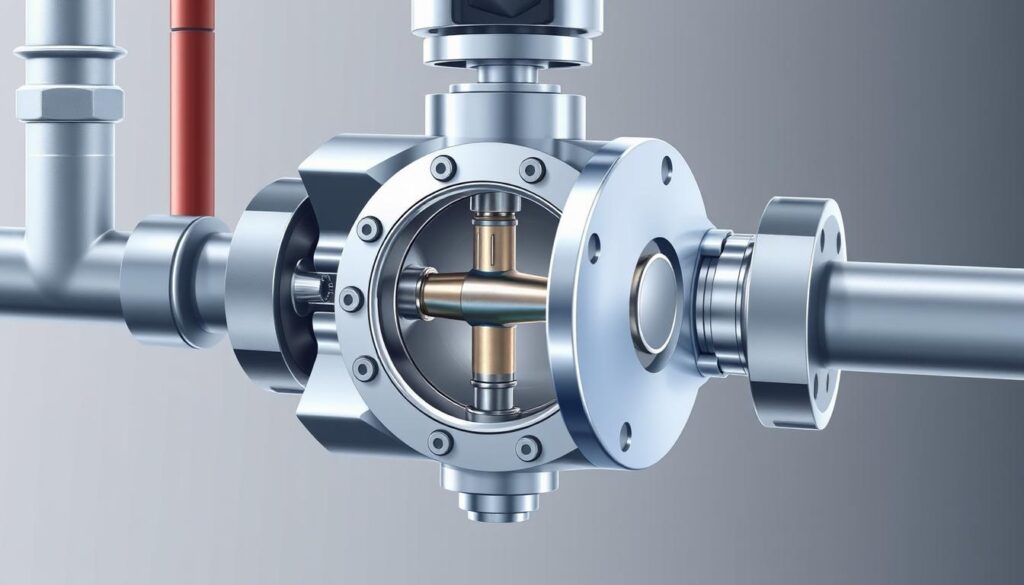
Swing check valves are key in plumbing systems. They manage water flow efficiently. These valves use a hinged disc to control flow, stopping backflow and protecting your pipes.
The design of swing check valves is unique. They open and close with water pressure. When water flows right, the disc opens. It closes quickly if flow reverses or stops.
- Ideal for horizontal and vertical piping installations
- Suitable for various fluid types and pressures
- Provides automatic one-way flow protection
There are different types of plumbing check valves. Some have weighted discs for better closing. Others use spring-assisted mechanisms for easier operation.
| Swing Check Valve Type | Key Features | Typical Applications |
|---|---|---|
| Standard Swing Check | Basic hinged disc design | Residential water systems |
| Weighted Disc Swing Check | Additional weight for faster closure | Industrial pipelines |
| Spring-Assisted Swing Check | Spring mechanism for quicker response | High-pressure environments |
Professional plumbers often suggest swing check valves. They are reliable and simple. These valves are vital in preventing water hammer and protecting pumps and other equipment.
Check Valve Installation Guidelines
Installing a check valve right is key for your plumbing system’s efficiency and reliability. It matters whether you’re dealing with home water lines or industrial pipes. Knowing how to install a check valve correctly can stop water damage and keep water flowing smoothly.
Before starting your check valve installation, you’ll need the right tools and materials. This is to do the job well.
Essential Tools for Check Valve Installation
- Pipe wrench
- Teflon tape
- Adjustable pliers
- Pipe cutter
- Safety glasses
Proper Positioning and Orientation
Getting the valve’s position right is very important. The valve must have the arrow pointing towards the water flow. Putting it the wrong way can cause the valve to fail and damage your system.
Step-by-Step Installation Process
- Shut off the water supply to the specific line
- Clean and prepare the pipe surfaces
- Apply Teflon tape to pipe threads
- Carefully align the check valve with flow direction
- Tighten connections securely but avoid over-tightening
- Slowly restore water pressure and check for leaks
When installing a check valve, follow the manufacturer’s instructions closely. Different valves have their own needs for installation. This affects how well they work and how long they last.
Pro Tip: Always perform a pressure test after installation to ensure a proper seal and identify any potential issues.
Check Valve Maintenance and Troubleshooting
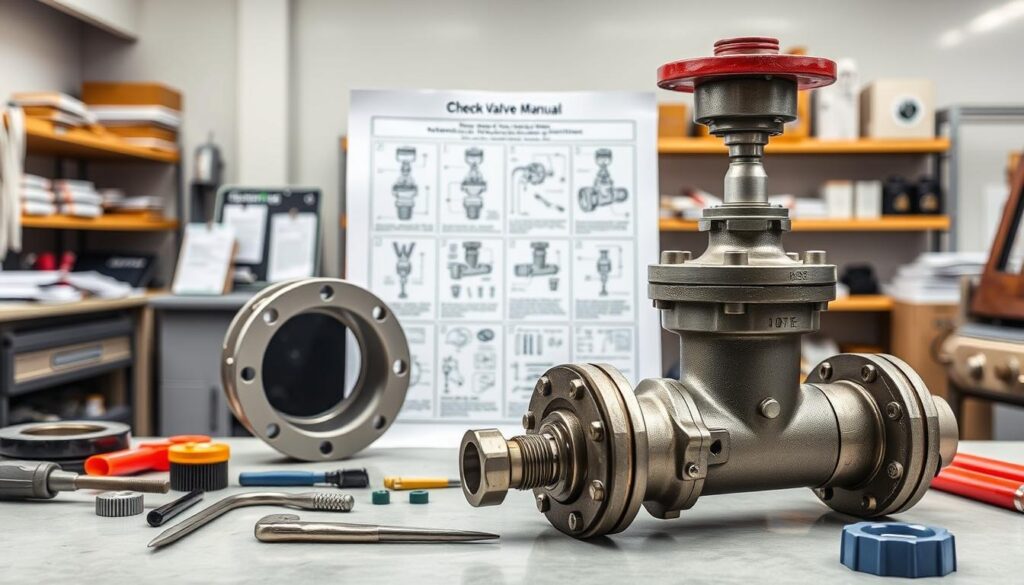
Keeping your check valve in good shape is key for your plumbing system’s health. Regular checks can spot problems early, saving you money and hassle.
When you’re troubleshooting your check valve, pay attention to a few important things:
- Identifying common signs of valve wear
- Checking for debris and obstruction
- Inspecting valve seals and components
- Testing valve functionality
Look out for these signs that your check valve might need some love:
- Unusual noises during water flow
- Visible leaks around the valve
- Reduced water pressure
- Difficulty closing or opening
Maintaining your check valve involves a few essential steps. First, check the valve seat for any debris or damage. Buildup can block the seal, causing leaks or backflow. Clean it well to keep it working right.
Regular maintenance can extend your check valve’s lifespan by up to 50%.
When you’re fixing specific issues, follow a step-by-step plan. Look at the valve’s parts for wear, rust, or damage. If problems keep coming back, it might be time for a new valve to avoid bigger problems.
For complex systems or if you’re not sure what to do, get a pro’s help. A skilled plumber can give you a thorough check and make sure your system runs smoothly.
Comparing Check Valves vs Backflow Preventers
It’s important to know the difference between check valves and backflow preventers. They are key to keeping your plumbing system safe and working well. Even though they might look similar, they have different jobs to protect your water.
Check valves and backflow preventers have special features for different uses. Let’s look at what makes them different. This will help you pick the right one for your needs.
Key Functional Differences
- Check Valves: Mainly used to stop water from flowing backwards in one direction
- Backflow Preventers: Designed to keep clean water safe from contamination
- Check valves work with a simple mechanical setup
- Backflow preventers have more advanced safety features
When to Choose Each Device
Choosing between a check valve and a backflow preventer depends on your needs:
- Use a check valve for basic flow control in safe areas
- Choose a backflow preventer to protect drinking water from contamination
- Think about local plumbing laws and your system’s needs
Keeping your water safe means picking the right protection for your situation.
Both check valves and backflow preventers are vital for keeping your water system safe. Talking to a professional plumber can help you choose the best one for your needs.
Check Valve Safety and Regulations
It’s important to know the safety rules for check valves in plumbing. These rules help keep your water safe and protect public health. Using a backflow prevention device stops contaminated water from getting back into clean water systems.
When we talk about check valves in plumbing, safety is key. Local and state laws have strict rules to avoid water contamination risks.
- Comply with local plumbing codes
- Conduct regular professional inspections
- Use certified backflow prevention devices
- Maintain proper installation standards
“Safety in plumbing is not an option, but a necessity for protecting public health.” – Water Safety Experts
In California, Title 17, Public Health Code has specific rules for water safety. These rules give clear steps for installing and keeping check valves to stop cross-contamination.
Important safety points include:
- Selecting the right check valve types
- Ensuring correct installation orientation
- Doing regular maintenance checks
- Checking if you follow local water safety standards
Professional installation and regular checks are vital for keeping your plumbing system safe.
Conclusion
Check valves are key to keeping plumbing systems safe and efficient. They act as backflow prevention devices, protecting your water from contamination. Knowing about check valves helps you safeguard your home’s water system.
There are various types of check valves for homes and businesses. Ball, swing, and spring-loaded designs each have their own benefits. Installing and maintaining them correctly is vital to prevent backflow and water damage.
Experts suggest checking your check valves regularly. This ensures they work well and keeps your water systems safe. Talking to a licensed plumber can help you pick the right device for your needs.
Understanding check valves lets you make better choices for your plumbing. Regular maintenance and proactive steps are essential to protect your home’s water supply. Using these devices wisely is a smart move.