
Affiliate Disclosure
Plumber Guide Guys is a participant in the Amazon Services LLC Associates Program, an affiliate advertising program designed to provide a means for sites to earn advertising fees by advertising and linking to Amazon.
What is a Running Trap in Plumbing? Ever wondered about the hidden plumbing parts behind your walls? They could be a safety risk. Running traps were once common in old homes, built before the 1950s.
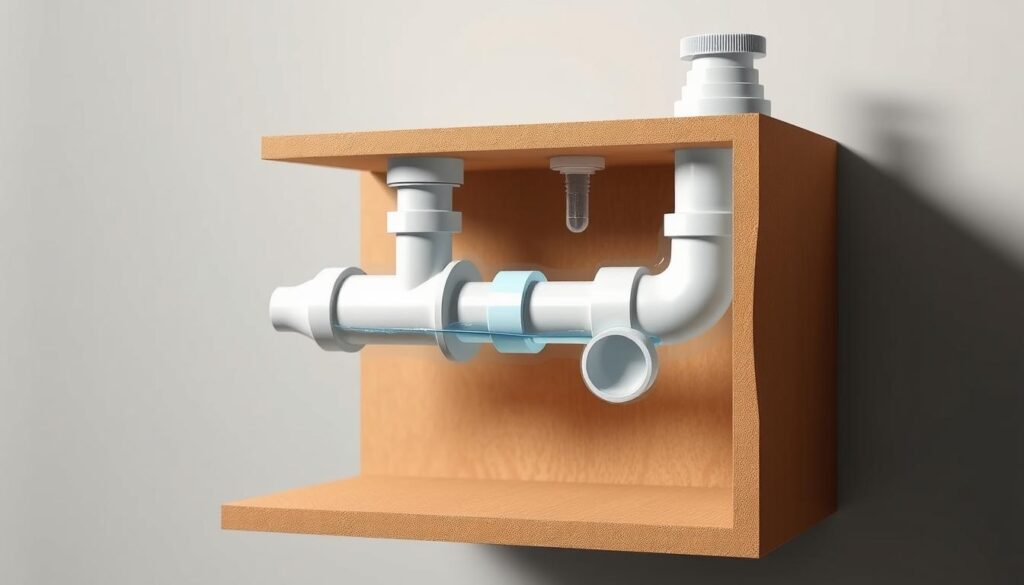
A running trap is an old drainage system. It was made to keep sewer gases out of homes. It was a key part of early home sanitation, keeping homes safe from harmful gases.
Learning about running traps shows how plumbing has changed. These old parts were smart for their time but didn’t offer enough protection. Modern plumbing has moved on to better solutions.
Key Takeaways
- Running traps were primary sewer gas prevention methods before 1950
- These devices created a water seal to block toxic gases
- Modern plumbing has replaced running traps with more efficient solutions
- Homes with running traps may require professional plumbing upgrades
- Understanding historical plumbing helps homeowners maintain safe environments
Table of Contents
Understanding Running Traps: Definition and Basic Function
Running traps were key in older drainage systems. They helped keep buildings safe from sewer gases and managed wastewater. These fixtures were essential for both homes and businesses.
Drainage systems need special parts to keep out harmful gases. Running traps were an early fix for this problem in plumbing.
Creating Effective Water Seals
Running traps use a clever method to keep gases out. They create a water barrier that stops sewer gases. This water seal keeps dangerous gases from coming back through the pipes.
- Blocks toxic sewer gases
- Maintains continuous water barrier
- Prevents possible health dangers
Historical Evolution of Plumbing Traps
The first drainage traps came out in the late 19th century. As cities grew, plumbers created traps to keep gases out. This was a big step in protecting public health.
Key Components of Running Trap Systems
A running trap has important parts that work together. These include:
- Curved pipe section
- Water retention chamber
- Connection points to main drainage line
- Ventilation interface
Knowing about these traps helps us see their importance in early plumbing. They kept communities safe from sewer gas dangers.
The History and Evolution of Running Traps in Plumbing
Running traps were a big deal in plumbing back in the early 1900s. They changed how homes handled wastewater and kept sewer gases out. Before the 1950s, these traps were a key part of homes, showing a big step forward in keeping homes clean.
The story of running traps starts with early plumbing breakthroughs. Plumbing historians say these traps were key in keeping bad gases out of homes. Plumbers saw them as a smart fix for old drainage problems.
- Originated in early 1900s residential construction
- Provided essential barrier against sewer gases
- Represented cutting-edge plumbing technology for their time
Back then, architects and engineers loved running traps. They were the go-to for homes, seen as the latest in drainage tech. Old tech and loose building rules made them common.
But, as plumbing got better, running traps lost their appeal. New building rules made them outdated. Now, they’re not used in new homes anymore.
What is a Running Trap in Plumbing and How Does It Work?
Running traps are key parts in older plumbing systems. They help manage drainage and keep sewer gas out of your home. Knowing about running traps can help spot problems in older homes.
A running trap works by keeping a water seal in the main drain line. This seal stops bad sewer gases from getting into your home. You can find these traps in crawl spaces or near the foundation of older homes.
Basic Operating Principles
The main idea behind a running trap is water retention. Water stays in a curved part of the pipe, creating a seal. This seal keeps gas and smells from getting in. It’s important for keeping your home air clean.
- Creates a continuous water seal in drain lines
- Blocks sewer gases from entering living spaces
- Provides a simple drainage solution for older homes
Types of Running Trap Configurations
There are different types of running traps for various plumbing needs. Some common ones are:
- Inline running traps
- Offset running traps
- Deep seal running traps
Common Installation Locations
Running traps can be found in several places in older plumbing systems:
- Crawl spaces underneath homes
- Underground near the home’s foundation
- Basement drainage systems
“Understanding your home’s plumbing history can help prevent drainage issues.” – Plumbing Experts Association
Even though running traps were once new, modern plumbing has moved on to better solutions like P-traps. Knowing about running traps is important for those with older homes.
Comparing Running Traps to Modern P-Traps
The move from running traps to modern P-traps is a big step forward in plumbing. P-traps have become the go-to choice in today’s plumbing systems. They offer better performance and reliability.
Looking at the design of running traps and P-traps shows their main differences. Running traps have a straight pipe setup. P-traps, on the other hand, have a curved shape. This curved shape gives P-traps several key benefits:
- More efficient water seal prevention
- Easier maintenance and cleaning
- Better protection against sewer gases
- Simplified installation process
Let’s dive into the details of these differences:
| Feature | Running Trap | P-Trap |
|---|---|---|
| Water Seal Depth | Inconsistent | Consistent |
| Maintenance Difficulty | High | Low |
| Sewer Gas Prevention | Limited | Excellent |
| Modern Building Code Compliance | Non-compliant | Fully Compliant |
The switch from running traps to P-traps marks a major leap in plumbing tech. It focuses on safety and efficiency.
Knowing the difference between running traps and P-traps helps homeowners see why P-traps are used today. P-traps are designed to keep sewer gases out and are easier to maintain. This makes them a better choice for modern plumbing systems.
Why Running Traps Are Now Banned in Modern Construction
Plumbing technology has changed a lot, making running traps old news in building. These systems are risky and have led to new rules in plumbing codes.
Experts in plumbing and building say there are many reasons to stop using running traps. They are not good for homes or businesses anymore.
Safety Concerns and Risks
Running traps are not safe for today’s plumbing needs:
- They don’t drain well
- They can leak sewer gas
- They get clogged easily
- They’re not very efficient
Code Violations and Regulations
New plumbing rules ban running traps because they don’t work right. The Uniform Plumbing Code (UPC) and International Plumbing Code (IPC) say no to these old traps.
| Plumbing Code Requirement | Running Trap Status |
|---|---|
| Sewer Gas Prevention | Non-Compliant |
| Drainage Efficiency | Inadequate |
| Maintenance Accessibility | Limited |
Alternative Modern Solutions
Today, we have better plumbing options that are safer and work better. P-traps and special trap designs are now the norm, giving us:
- Better ways to block sewer gas
- Easier access for maintenance
- Better drainage
- They follow today’s building codes
Knowing the problems with running traps helps people make smart choices about their plumbing. They can choose to upgrade or replace their systems.
Signs Your Home Has an Outdated Running Trap
Spotting an outdated running trap in your home can avoid big plumbing problems. Homes built before 1960 are more likely to have these old drainage traps. Catching these signs early can help avoid expensive fixes and health risks.
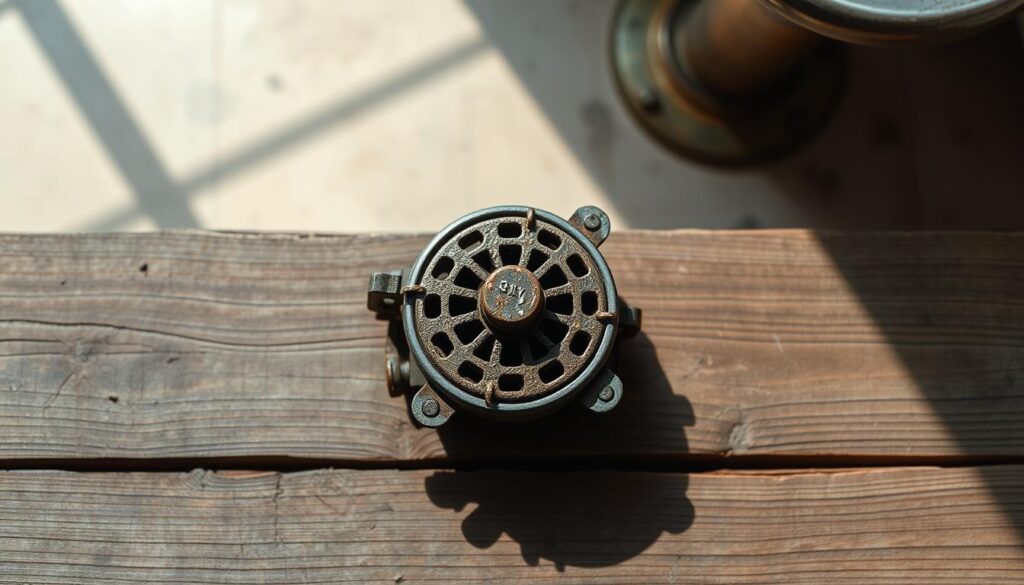
Look out for these signs if you think your plumbing trap installation is off:
- Persistent sewer odors from drains
- Frequent and unexplained drain clogs
- Slow drainage in many fixtures
- Unusual gurgling sounds from pipes
- Water backing up in sinks or toilets
Older homes often hide plumbing issues. Running traps were once common but now pose big risks for drainage systems. These old setups can harm your home’s cleanliness and structure.
| Age of Home | Likelihood of Running Trap | Recommended Action |
|---|---|---|
| Pre-1950 | High | Immediate inspection recommended |
| 1950-1970 | Moderate | Professional assessment suggested |
| Post-1970 | Low | Routine maintenance |
Professional plumbers can check your drainage traps and suggest needed upgrades. They ensure your plumbing meets today’s safety standards.
Problems Associated with Running Traps
Running traps in drainage systems can cause big problems for homeowners. These old plumbing parts often lead to ongoing issues. They affect the water trap function and the home’s plumbing efficiency.
The water trap in drainage systems with running traps has many maintenance challenges. These complex plumbing fixtures are known for serious problems. They can harm your home’s drainage system.
Maintenance Challenges
Running traps make it hard for homeowners to keep their plumbing systems in good shape:
- Extremely difficult to clean thoroughly
- Prone to accumulating debris and sediment
- Limited accessibility for routine maintenance
- High risk of internal corrosion
Common Failure Points
There are several key failure points in running traps:
- Seal degradation preventing proper water blockage
- Structural weakening due to age and corrosion
- Potential leakage around connection points
- Reduced drainage efficiency over time
Impact on Home Plumbing Systems
The effects of running trap failures can be big. If not fixed, they can cause sewage backups, water damage, and costly repairs. Your home’s plumbing system is at risk when these old systems fail.
Replacing running traps with modern drainage solutions is key to keeping your plumbing system healthy and working well.
Professional Removal and Replacement Options
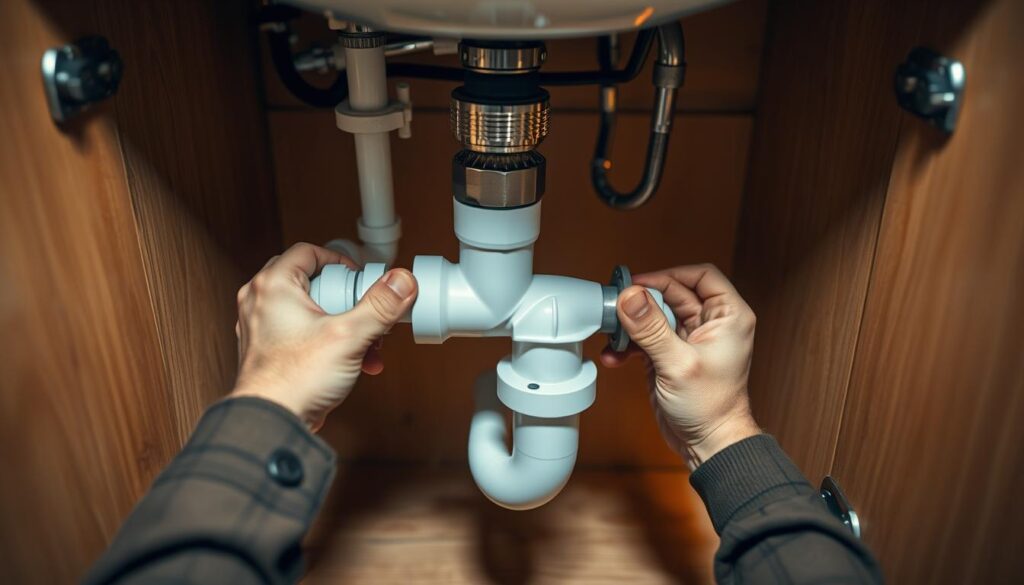
Dealing with an old running trap? It’s time to call in the pros for removal and replacement. This is key for keeping your plumbing system in top shape. Installing a new trap needs special skills to work right and follow today’s building codes.
Here’s how plumbers tackle the job:
- They start with a full check of your plumbing system
- Then, they look for any issues with running traps vs p traps
- Next, they safely take out the old trap
- They suggest the best modern trap for you
- And finish by installing the new trap with exact measurements
Choosing the right trap is a big part of the job. Modern p-traps have big pluses over old running traps. They seal water better and are easier to keep up.
The cost to install a new trap can change based on a few things:
| Factor | Impact on Cost |
|---|---|
| Home’s Age | Older homes might need more work |
| Pipe Material | Different pipes make the job harder or easier |
| Accessibility | Tricky spots to get to cost more |
It’s smart to hire a licensed plumber who knows the difference between old and new traps. They can help pick the best fix for your plumbing.
Getting a pro to do the job means your plumbing will be safe and work well.
Conclusion
Learning about running traps in plumbing shows they’re a big problem for homeowners. Today’s plumbing codes have made these old systems outdated and risky. They’re no longer safe for homes.
Your home’s plumbing safety is key. Running traps were once useful but now, they’re not. Today, we need systems that keep our homes safe from harmful gases and damage.
Experts say it’s time to check your home’s plumbing. They suggest replacing old traps with new ones. This upgrade will improve water flow and lower the risk of problems.
Choosing modern plumbing is more than following rules. It’s about keeping your home safe and healthy. Talk to a skilled plumber to see how you can update your plumbing. They’ll help make your home’s drainage system safe and efficient.
FAQ
What exactly is a running trap in plumbing?
Why are running traps no longer used in modern plumbing?
How can I tell if my home has a running trap?
What is the primary function of a running trap?
How does a running trap differ from a modern P-trap?
Are running traps dangerous?
What should I do if I discover a running trap in my home?
How much does it cost to replace a running trap?
What exactly is a running trap in plumbing?
Why are running traps no longer used in modern plumbing?
How can I tell if my home has a running trap?
What is the primary function of a running trap?
How does a running trap differ from a modern P-trap?
Are running traps dangerous?
What should I do if I discover a running trap in my home?
How much does it cost to replace a running trap?
FAQ
What exactly is a running trap in plumbing?
A running trap is an old plumbing system used before 1950. It creates a water seal to keep sewer gases out. Unlike today’s P-traps, running traps were longer and more complex.
Why are running traps no longer used in modern plumbing?
Running traps are no longer used because of many problems. They clog often, are hard to maintain, and don’t drain well. Modern P-traps are safer and work better.
How can I tell if my home has a running trap?
Look for sewer smells, clogged drains, slow flow, and homes built before 1950. These signs mean you might have an old running trap that needs fixing.
What is the primary function of a running trap?
The main job of a running trap is to keep sewer gases out. It does this by keeping water in the trap, which stops gases from coming up.
How does a running trap differ from a modern P-trap?
Running traps are longer and less efficient than P-traps. P-traps are smaller, easier to clean, and better at keeping gases out. They’re the better choice today.
Are running traps dangerous?
Yes, running traps can be dangerous. They can lead to bacterial growth, poor drainage, and gas leaks. They also make keeping plumbing systems clean hard.
What should I do if I discover a running trap in my home?
If you find a running trap, get a professional plumber to check it. They’ll tell you if you need to replace it with a modern P-trap or something else.
How much does it cost to replace a running trap?
Replacing a running trap costs between 0 and
FAQ
What exactly is a running trap in plumbing?
A running trap is an old plumbing system used before 1950. It creates a water seal to keep sewer gases out. Unlike today’s P-traps, running traps were longer and more complex.
Why are running traps no longer used in modern plumbing?
Running traps are no longer used because of many problems. They clog often, are hard to maintain, and don’t drain well. Modern P-traps are safer and work better.
How can I tell if my home has a running trap?
Look for sewer smells, clogged drains, slow flow, and homes built before 1950. These signs mean you might have an old running trap that needs fixing.
What is the primary function of a running trap?
The main job of a running trap is to keep sewer gases out. It does this by keeping water in the trap, which stops gases from coming up.
How does a running trap differ from a modern P-trap?
Running traps are longer and less efficient than P-traps. P-traps are smaller, easier to clean, and better at keeping gases out. They’re the better choice today.
Are running traps dangerous?
Yes, running traps can be dangerous. They can lead to bacterial growth, poor drainage, and gas leaks. They also make keeping plumbing systems clean hard.
What should I do if I discover a running trap in my home?
If you find a running trap, get a professional plumber to check it. They’ll tell you if you need to replace it with a modern P-trap or something else.
How much does it cost to replace a running trap?
Replacing a running trap costs between $200 and $1,000. The price depends on your plumbing setup, how easy it is to get to, and how many fixtures you have.
Can I replace a running trap myself?
No, it’s best to have a professional plumber do it. They know the codes, how to install it right, and what to watch out for.
Are running traps used in any modern applications?
No, running traps are not used anymore. Today’s plumbing codes require safer, more efficient designs like P-traps for all buildings.
,000. The price depends on your plumbing setup, how easy it is to get to, and how many fixtures you have.
Can I replace a running trap myself?
No, it’s best to have a professional plumber do it. They know the codes, how to install it right, and what to watch out for.
Are running traps used in any modern applications?
No, running traps are not used anymore. Today’s plumbing codes require safer, more efficient designs like P-traps for all buildings.