

Affiliate Disclosure
Plumber Guide Guys is a participant in the Amazon Services LLC Associates Program, an affiliate advertising program designed to provide a means for sites to earn advertising fees by advertising and linking to Amazon.
Is Plumber a Hard Job? Ever wondered what it takes to be a professional plumber? Are you curious if the plumbing career is worth the effort? Many think plumbing is tough, but the truth might surprise you.
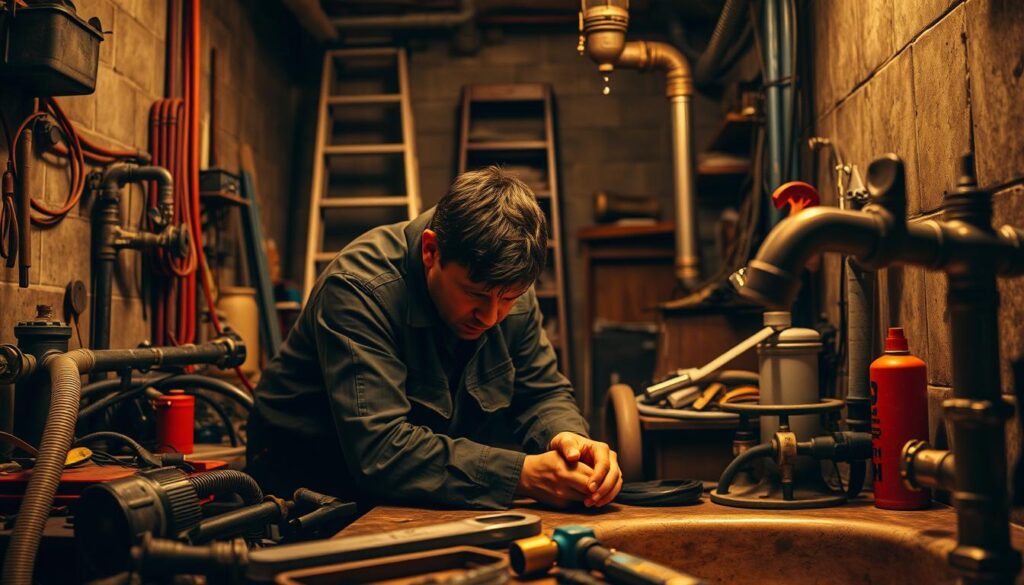
When you think of a plumber’s day, you might picture complex pipes, tight spaces, and hard physical work. Is plumber a hard job? The answer is not as simple as you might think.
Plumbing is a skilled trade needing technical know-how, physical strength, and problem-solving skills. It’s more than just fixing leaks or unclogging drains. Plumbers are key in keeping our infrastructure safe, protecting public health, and ensuring safe water systems.
Key Takeaways
- Plumbing is a complex and challenging professional trade
- Physical and technical skills are essential for success
- Plumbers provide critical infrastructure services
- Career offers stability and growth opportunities
- Technical knowledge and continuous learning are key
Table of Contents
Physical Demands and Challenges of Plumbing Work
Plumbing is a tough job that needs lots of strength, endurance, and flexibility. It’s much harder than office work, pushing plumbers to be ready both mentally and physically every day.
Is plumbing physically demanding? Yes, it is. Plumbers face special challenges that test their bodies every day. It’s not just about fixing pipes; it’s a job that requires top physical shape.
Common Physical Requirements
Plumbers need to be ready for hard physical work, including:
- Lifting heavy equipment and materials weighing up to 50 pounds
- Crawling into tight spaces under sinks and buildings
- Maintaining awkward body positions for extended periods
- Climbing ladders and working at various heights
- Standing and walking for most of the workday
Working in Difficult Conditions
Plumbing often means working in tough places. You might find yourself in:
- Cramped crawl spaces
- Extremely hot or cold locations
- Outdoor work sites in various weather conditions
- Potentially dirty or contaminated areas
Health and Safety Considerations
Keeping your body safe is key in this tough job. Getting the right training, using proper lifting, and wearing the right gear can help avoid injuries and long-term problems.
A fit and resilient body is a plumber’s most important tool.
Though the challenges are big, many plumbers find it rewarding. They enjoy staying active and solving complex problems every day.
The Financial Reality of a Plumbing Career
Thinking about a plumbing career? It’s important to know the money side. Plumbers in the U.S. make good money because their job is tough. This shows a great balance between the job’s difficulty and the pay.
Plumbers earn a median of $56,330 a year. The highest earners can make up to $97,170. Your salary depends on a few things:
- Where you live
- How long you’ve been working
- What special skills you have
- Your certifications
Salaries vary by location. Plumbers in big cities like New York or California make more than those in small towns. As you get better and learn more, your pay goes up.
| Experience Level | Average Annual Salary |
|---|---|
| Entry-Level | $35,000 – $45,000 |
| Mid-Career | $55,000 – $75,000 |
| Expert/Specialized | $80,000 – $97,000 |
Pro tip: Keep learning and getting certifications to make more money in plumbing.
“Plumbing isn’t just a job – it’s a well-compensated career with significant growth opportunities.” – Industry Expert
Plumbers also get extra money from overtime, emergency calls, and starting their own businesses. Your skills mean more money, making the hard work worth it.
Skills and Education Requirements for Plumbers
Becoming a professional plumber is more complex than many think. It requires tough training, technical skills, and a dedication to learning. Apprentice plumbers face early challenges, needing to master both practical and theoretical knowledge.
Getting through plumbing education needs hard work and planning. To become a licensed plumber, you’ll go through several key steps:
- High school diploma or equivalent
- Technical vocational training program
- Apprenticeship program (4-5 years)
- State licensing examination
Technical Knowledge Requirements
Plumber job challenges start with learning complex technical skills. You’ll need to grasp:
- Pipe system design and installation
- Water pressure calculations
- Blueprint reading
- Advanced mathematics
- Material compatibility
Certification and Licensing Process
Getting licensed as a plumber takes a lot of time. Most states need about 8,000 hours of apprenticeship and 500-1,000 hours of classroom work. Your certification shows you’ve met high professional standards.
“The best plumbers never stop learning. Your education is a continuous journey of skill development and adaptation.” – Master Plumber Association
Ongoing Training Requirements
The plumbing field keeps changing with new tech and rules. To succeed, plumbers must keep learning, attending workshops, and staying up-to-date. Your education doesn’t stop after you get certified—it’s a lifelong journey to stay excellent.
Is Plumber a Hard Job: Breaking Down the Daily Routine
To understand if being a plumber is hard, we need to look at their daily tasks. Each day, plumbers face different challenges that test their skills and flexibility. The stress level can change a lot, depending on the tasks and any unexpected problems.
A plumber’s day is filled with various tasks that keep the job exciting and tough. They might start by checking pipes in homes and end by fixing a big water system issue in a business.
- Early morning equipment preparation and job scheduling
- Residential and commercial service calls
- Diagnosing complex plumbing system problems
- Installing new fixtures and repairing existing systems
- Managing customer interactions and expectations
Plumbing is physically demanding. Plumbers spend hours in tight spaces, carry heavy tools, and work in different weather. Is plumber a hard job? Yes, it is. It needs strength, technical skills, and mental toughness.
“No two jobs are exactly alike in plumbing. Each day brings its own set of unique challenges and opportunities for problem-solving.” – Professional Plumbing Association
Being good at plumbing means being quick to adapt, thinking clearly, and staying positive even when things get tough. While it can be stressful, many plumbers find it very rewarding and mentally engaging.
Career Growth and Job Security in Plumbing
The plumbing career offers great opportunities for growth and stability. Despite its challenges, skilled plumbers can create rewarding careers. This is possible with strategic planning and continuous learning.
Understanding the plumbing profession’s advancement and success is key. Your journey can lead to exciting professional developments. These can go beyond what you might expect.
Advancement Opportunities
Plumbing careers offer many paths for growth:
- Entry-level apprentice positions
- Journeyman plumber status
- Master plumber certification
- Specialized technical roles
- Management and supervisory positions
Industry Demand and Stability
The labor market shows strong demand for skilled plumbers. Professionals can enjoy job security due to ongoing infrastructure needs and construction projects.
| Career Stage | Average Annual Salary | Job Growth Projection |
|---|---|---|
| Apprentice | $35,000 – $45,000 | 10-15% growth |
| Journeyman | $55,000 – $75,000 | 15-20% growth |
| Master Plumber | $75,000 – $100,000 | 20-25% growth |
Business Ownership
Entrepreneurial plumbers find the career’s challenges rewarding. Many start their own businesses. This leads to more income and professional freedom.
- Low startup costs
- High demand for services
- Potential for significant revenue
Your plumbing career can be a dynamic and rewarding journey. This is true with strategic skill development and continuous learning.
Work-Life Balance in the Plumbing Profession

Plumbing offers a unique way to balance work and life. It attracts many who want stability and flexibility. Plumbers usually work regular hours, Monday to Friday, from 7 AM to 5 PM.
This schedule lets them have a steady routine. They can plan their personal time and family commitments well.
The balance plumbers get can change based on their job and specialty. Some key points include:
- Typical daytime work hours (7 AM – 5 PM)
- Minimal weekend work for most residential plumbers
- Potential for overtime during emergency repairs
- Flexible scheduling options
Choosing the right career path can greatly improve a plumber’s work-life balance. Independent contractors and business owners have more control over their schedules. This is different from those working for big plumbing companies.
| Employment Type | Schedule Flexibility | Work-Life Balance Rating |
|---|---|---|
| Company Employee | Moderate | 7/10 |
| Independent Contractor | High | 9/10 |
| Small Business Owner | Very High | 10/10 |
Emergency on-call responsibilities can sometimes mess up personal plans. Plumbers might have to fix urgent problems outside regular hours. This can affect their personal schedules.
It’s important to know what you want and what your career goals are. This helps create the best work-life balance for plumbers. Some like flexible schedules, while others prefer a more set routine.
Technology and Innovation in Modern Plumbing
The plumbing world is seeing a big change thanks to new technology. Digital tools are making the job easier and more precise. This is changing how plumbers work.
Today, plumbers use the latest tech to solve tough problems and give better service. Smart tools and new equipment have changed plumbing a lot.
Digital Tools Revolutionizing Plumbing Work
Now, plumbers have strong digital tools to find and fix issues fast and right. These tools include:
- Thermal imaging cameras for leak detection
- Advanced pipe inspection cameras
- Digital pressure testing equipment
- Wireless monitoring systems
Smart Plumbing Systems Transforming Homes
Smart home tech is bringing new chances and challenges for plumbers. Homeowners want smart plumbing that:
- Monitors water use
- Has remote controls
- Finds leaks automatically
- Uses water wisely
Future Industry Trends
The plumbing field is always getting new tech. Plumbers need to keep learning and updating their skills. This is to keep up with the market’s needs.
“Technology is not just changing tools, but transforming the entire approach to plumbing services.” – Industry Expert
Adopting these new technologies is key for plumbers to stay ahead. They need to offer top-notch service in our digital age.
Mental Challenges and Problem-Solving Aspects
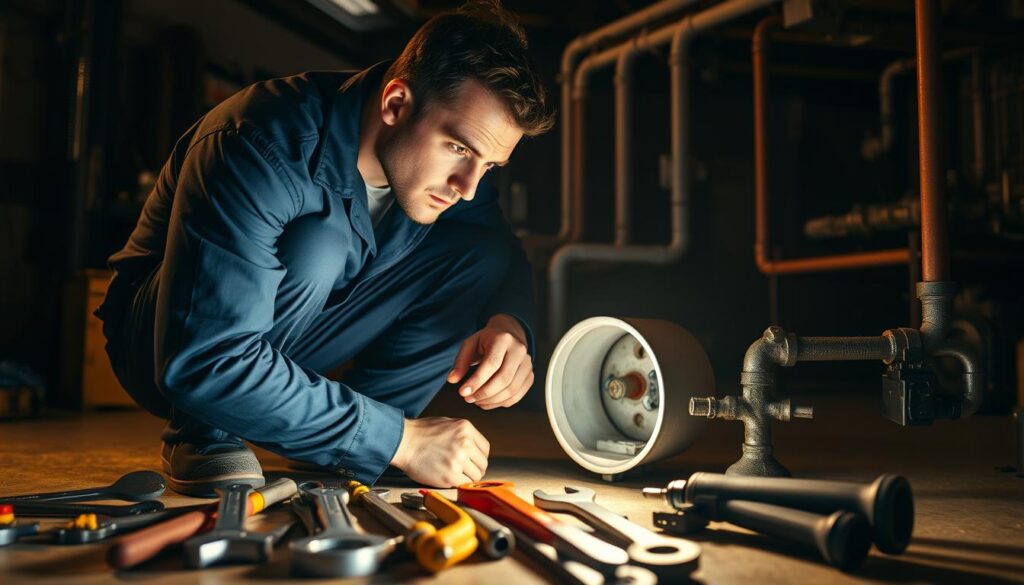
Plumbing is more than just a physical job. It requires deep mental problem-solving and critical thinking. Every task is a unique puzzle that needs quick and creative solutions.
Your skill in quickly solving complex problems sets you apart. You need to:
- Analyze complex pipe and drainage systems
- Find the root cause of water leaks
- Develop new repair strategies
- Make fast decisions under pressure
Mental agility is key in this job. You’ll face situations where usual methods won’t work. Diagnostic skills become your most valuable tool, turning tough problems into easy fixes.
Plumbers must stay calm and focused, even when things get stressful. Whether it’s fixing emergency water damage or solving complex home systems, your mental strength is what matters.
“In plumbing, every problem has a solution—it just takes patience and intelligent thinking.” – Master Plumber, Mike Rodriguez
Being a great plumber means combining technical knowledge with mental flexibility. Your brain is as important as your tools in solving today’s plumbing challenges.
Customer Service and Communication Requirements
Being a plumber means you need top-notch communication skills. Plumbers often face tough customer situations that test their people skills. Homeowners usually call plumbers when they’re in a bind, needing someone to understand and help quickly.
Good plumbers know it’s not just about fixing pipes. They must explain complex stuff in simple for clients who might not get it.
- Communicate technical problems in simple terms
- Remain calm during high-stress situations
- Provide transparent cost estimates
- Listen actively to customer concerns
Emergency repairs are when stress levels are highest. Customers are worried and might be upset. But, if you stay calm and show you care, you can turn a bad situation into a good one.
Effective communication is the bridge between technical expertise and customer satisfaction.
To do well, plumbers should explain what they’re doing, give clear timelines, and show they really care about the customer’s home and comfort. These actions not only fix the problem but also earn trust and future business.
Conclusion: Is Plumbing the Right Career Choice for You?
Thinking about a plumbing career means looking at many things. It’s not just about being physically strong. It’s also about if you really like the work.
Success in plumbing depends on your skills, problem-solving, and how well you work with people. You need to be good at technical stuff and solving problems.
When you think about if plumbing is hard, remember the work can be unpredictable. It’s physically demanding and you always have to keep learning. But, plumbers in the U.S. can make good money and have steady jobs.
There are chances to grow in the trade, from starting out to owning your own business. Your choice should match your strengths and what you want to achieve in your career.
Being good at plumbing needs mechanical skills, being physically strong, and a desire to learn. While it’s tough, it also offers great rewards for those who are dedicated and skilled.
In the end, a plumbing career needs hard work, technical skills, and a commitment to learning. If you’re up for the challenge and enjoy solving tough problems, plumbing might be the right choice for you.