

Affiliate Disclosure
Plumber Guide Guys is a participant in the Amazon Services LLC Associates Program, an affiliate advertising program designed to provide a means for sites to earn advertising fees by advertising and linking to Amazon.
How to Become a Certified Plumber? Did you know the U.S. needs about 25,000 new plumbers every year until 2026? The plumbing industry is booming, with lots of job openings for skilled workers. It’s a stable and rewarding career path.
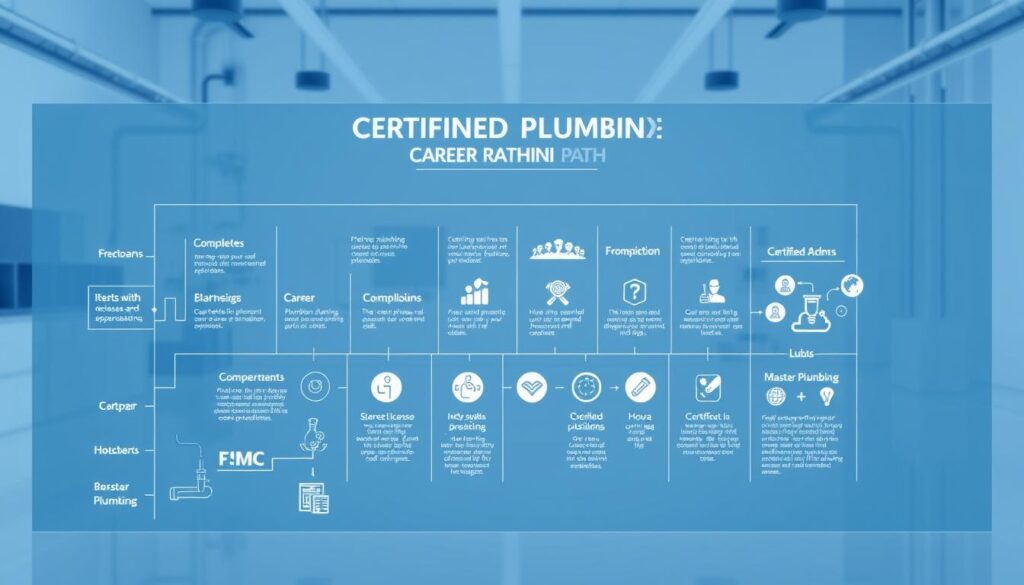
Thinking about becoming a certified plumber? You’re stepping into a vital field that keeps our homes and buildings running smoothly. To get certified, you’ll need to complete training, gain practical experience, and earn professional credentials.
This guide will show you how to start your journey as a certified plumber. You’ll learn about the education, licensing, and strategies for success in this important trade.
Key Takeaways
- Plumbing offers a stable and lucrative career with high demand nationwide
- Certification requires structured education and hands-on apprenticeship
- Multiple career paths exist within the plumbing profession
- Professional licensing validates your skills and expertise
- Continuous learning is key for career growth
Table of Contents
Understanding Plumbing Career Paths and Requirements
Starting a plumbing career means knowing the different paths and licensing rules in the U.S. Each state has its own rules for plumbing licenses. It’s important to check local laws before you begin.
There are many plumbing careers, each with its own level of certification and skills needed. Your career will likely go through these stages:
- Apprentice Plumber
- Journeyman Plumber Training
- Master Plumber Certification
Types of Plumbing Licenses
Plumbing licenses differ by state and the type of work allowed. Here are some common types:
| License Type | Skill Level | Work Permitted |
|---|---|---|
| Apprentice | Entry Level | Supervised Work |
| Journeyman | Intermediate | Independent Installations |
| Master Plumber | Advanced | Complex Projects, Supervision |
Basic Eligibility Requirements
To get a plumbing license, you’ll need to meet certain requirements:
- Minimum age of 18
- High school diploma or equivalent
- Completion of approved apprenticeship program
- Passing required examination
Training as a journeyman plumber gives you the skills and knowledge to move up in your career. Each level of certification brings new chances for growth and higher pay.
How to Become Certified Plumber: Step-by-Step Process
Becoming a certified plumber takes hard work and a clear plan. You start by learning the steps to turn your passion into a career.
The journey to becoming a certified plumber includes several key steps:
- Complete high school or obtain a GED
- Enroll in a vocational training program
- Begin an apprenticeship with a licensed plumbing contractor
- Accumulate required work experience hours
- Prepare for and pass state licensing examinations
Your apprenticeship is key to learning hands-on skills. You’ll work with experienced plumbers who teach you about complex systems. Apprenticeships last 4-5 years and require about 8,000 hours of training.
Getting certified means you’ll need to pass tough exams. You’ll learn a lot in class and show you can do the job. The licensing process varies by state, but the basics are the same.
Persistence and continuous learning are key to successful plumbing certification.
Think about the cost too. You’ll need to budget for classes, exams, and licensing fees. Some apprenticeships pay you, which can help with costs.
Education and Training Requirements for Plumbers
To start a career in plumbing, you need a good plan for your education. You’ll find many training options that can help you succeed in this trade.
There are different ways to prepare for a plumbing career. Knowing your options can help you choose the best path for your future.
Trade School Programs
Plumbing trade schools offer detailed technical training. They prepare you for real-world challenges. You’ll learn:
- Hands-on technical skills training
- Classroom instruction in plumbing theory
- Safety protocols and industry standards
- Basic blueprint reading
- Understanding local building codes
Apprenticeship Opportunities
Getting a plumbing apprentice license is key. Apprenticeships mix work experience with learning. You’ll:
- Earn while you learn
- Gain supervised professional experience
- Work toward full professional certification
- Develop industry connections
College Degree Options
Some plumbers get associate degrees in construction management. These programs offer:
- Advanced technical knowledge
- Business management skills
- Enhanced career advancement opportunities
Pro tip: Research local requirements for your specific area, as educational pathways can vary by state and municipality.
Getting Your Plumbing Work Experience
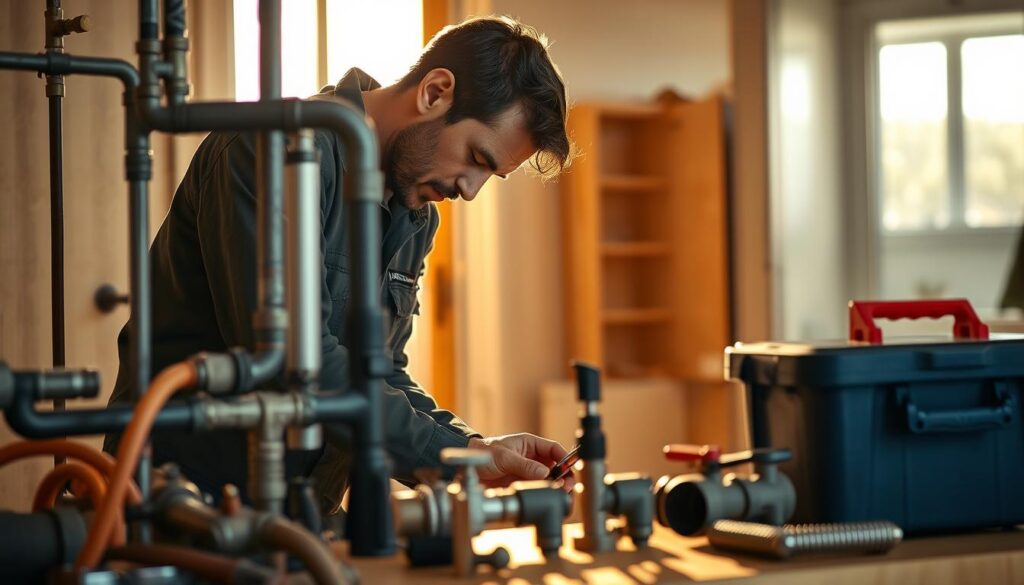
Getting hands-on experience is key to becoming a pro plumber. Plumber apprenticeships lay the groundwork for essential skills and qualifications. They usually last four years, filled with practical learning.
To become a skilled plumber, follow these steps:
- Find a job with a licensed plumbing contractor
- Get on-the-job training under supervision
- Keep a detailed record of your work hours
- Learn from seasoned journeyman plumbers
During your apprenticeship, you’ll gain vital experience for certification. Most places need at least 8,000 hours of documented work experience in 10 years. These hours must be as a journeyman, foreman, or supervisor.
Here’s how to make the most of your experience:
- Take on different projects
- Ask for guidance from senior plumbers
- Join specialized training sessions
- Keep accurate records of your work
Quality experience is more than just logging hours. Aim to master skills in various plumbing areas. This will boost your professional plumber qualifications.
Preparing for Plumbing License Examinations
Getting your state plumbing license needs good preparation. The process might seem tough, but with the right steps, you can pass the exams with confidence.
The plumbing license exam has two main parts. They check if you know a lot about plumbing:
Law and Business Exam Breakdown
This part tests your knowledge of rules and business skills. You’ll need to know about:
- Licensing rules
- Managing contracts
- Business ethics
- Local plumbing laws
Trade Exam Requirements
The technical part tests your skills and knowledge. You’ll face questions on:
- Plumbing codes
- How to install things
- Safety rules
- Math problems
Essential Study Resources
Good studying is key to passing. Here are some helpful resources:
- Official state licensing study guides
- Practice workbooks
- Online courses
- Materials from trade associations
To pass, you need to score at least 70-75%. With hard work and studying, you’ll do great.
Essential Documentation and Legal Requirements
Getting a state plumbing license can seem tough. But knowing what documents you need makes it easier. Each state has its own rules for plumbing licenses. You need to pay close attention to these details.
To get your state plumbing license, you must gather many documents. These show you’re qualified and follow the law.
- Proof of completed apprenticeship or training
- Educational transcripts
- Work experience verification
- Criminal background check documentation
- Fingerprint submission forms
Financial and insurance needs are also key for your plumbing license. Most states require certain protections. This ensures you’re responsible in your work.
| Requirement | Typical Specifications |
|---|---|
| Surety Bond | $25,000 minimum |
| Workers’ Compensation | Required for businesses with employees |
| Liability Insurance | $500,000 to $1,000,000 coverage |
Your background check is a big part of getting your license. Make sure all your documents are ready carefully to avoid delays. Check that everything is up-to-date and correct before you send it in.
“Proper documentation is the foundation of a successful plumbing career.” – Professional Plumbing Association
Cost Analysis: Licensing, Insurance, and Bonds
Becoming a professional plumber requires a big financial investment. Knowing the costs early helps you plan your budget better. The expenses for becoming a certified plumber include several key areas that need careful planning.
When you aim for professional plumber qualifications, you’ll face several major costs:
Application and Exam Fees
The journey to becoming a licensed plumber comes with various fees:
- Original Contractors License Application Fee: $330
- Initial License Application Fee: $200
- Certification Examination Fee: Typically ranges between $100-$250
- State Registration Fees: Varies by location
Insurance Requirements
Professional liability insurance is key for your plumbing business. It protects you from financial risks. You’ll need:
- General Liability Insurance: $500-$1,500 annually
- Workers’ Compensation Insurance: Dependent on business size
- Commercial Vehicle Insurance: $1,000-$2,500 per year
Bonding Obligations
Surety bonds show you’re financially responsible and protect clients. You’ll need:
- Contractor License Bond: $5,000-$25,000
- Performance Bond: Varies by project scope
- Payment Bond: Ensures subcontractor and material supplier payments
Investing in proper licensing, insurance, and bonds shows your dedication to excellence in plumbing.
Career Growth and Salary Expectations

Working in plumbing offers great chances for career growth and higher pay. Moving from apprentice to master plumber can lead to many opportunities for both career and financial success.
Plumbing careers have three main stages:
- Apprentice Plumber
- Journeyman Plumber Training
- Master Plumber Certification
Your earnings will go up with each step. Reports show plumbers can see big pay increases:
| Career Stage | Average Annual Salary |
|---|---|
| Apprentice | $35,000 – $45,000 |
| Journeyman | $50,000 – $65,000 |
| Master Plumber | $70,000 – $90,000 |
Your salary can also depend on where you work, your specialty, and demand. Urban areas and places with lots of building work usually pay more. Skills in commercial plumbing or green tech can also raise your value.
Getting journeyman or master plumber certifications can lead to starting your own plumbing business or becoming a specialized contractor.
Professional Certifications and Specializations
Getting ahead in plumbing is more than just a license. Professional certifications can really boost your skills and appeal in the field. As a plumber, you can choose to specialize and stand out with specific certifications.
Master plumber certification is the top honor for plumbers. It shows you know a lot and can handle tough plumbing jobs.
- Specialized Certification Areas:
- Medical Gas Piping Systems
- Green Plumbing Technologies
- Water Treatment Specialists
- Commercial Industrial Plumbing
Getting these certifications takes hard work and learning new skills. Each one can help you grow in your career and maybe even earn more.
| Certification | Focus Area | Typical Requirements |
|---|---|---|
| Master Plumber | Advanced Technical Skills | 5+ Years Experience, Advanced Exam |
| Green Plumbing Specialist | Sustainable Technologies | Specialized Training, Environmental Certification |
| Medical Gas Technician | Healthcare Facility Systems | Specialized Medical Gas Certification |
Even if you don’t have to keep learning to renew your license, it’s key to stay up-to-date. Staying current shows you’re serious about being the best.
Investing in master plumber certification and special training can really set you apart. It can lead to better jobs and higher pay.
Conclusion
Starting a career as a certified plumber takes hard work, planning, and a drive to grow. Your path includes getting an education, gaining experience, and passing tough exams. Each step is vital.
Knowing what it takes to get certified is key. In places like California, you need certain skills and education to get a license. This guide helps you understand and follow these steps clearly.
Keep learning and growing in your plumbing career. Stay current with new tech and rules. Look for mentors, take extra training, and connect with others in the field. This will help you get better and open up more job chances.
Your dedication to being the best plumber you can be will pay off. Take every chance to learn, stay excited about your work, and work hard. Plumbing is a fulfilling career with lots of opportunities for success and growth.