
Affiliate Disclosure
Plumber Guide Guys is a participant in the Amazon Services LLC Associates Program, an affiliate advertising program designed to provide a means for sites to earn advertising fees by advertising and linking to Amazon.
What Is Plumbing Top Out? Ever wondered why some plumbing jobs are top-notch while others are a mess? It all comes down to the plumbing top out phase. This phase turns a construction site into a fully functional home.
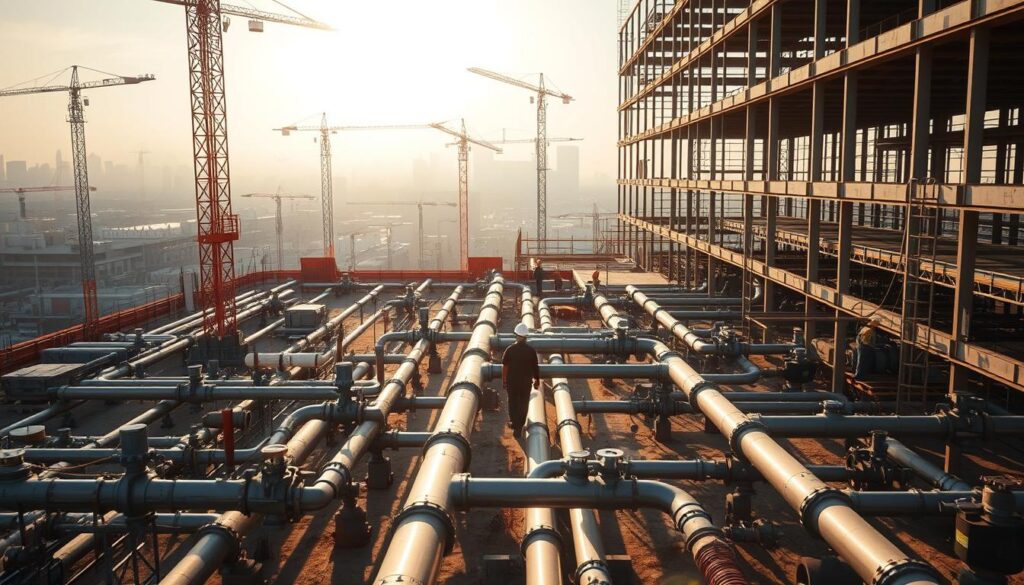
Plumbing top out is a key moment in building projects. It’s when the initial pipe work is finished and the final touches are added. This phase connects the underground pipes to the final water and waste systems in your home.
Understanding plumbing top out is vital when building or renovating. It can save you time, money, and avoid future problems. Skilled plumbers place water lines, drain systems, and key connections before walls are finished.
Key Takeaways
- Plumbing top out occurs between rough-in and finishing phases
- Critical for establishing proper water and waste system infrastructure
- Requires precise planning and professional expertise
- Involves positioning water supply and drainage lines
- Prepares building for final fixture installations
Table of Contents
Understanding What Is Plumbing Top Out
The plumbing top out phase is a key part of building construction. It’s when the plumbing system is set up above the foundation. Knowing about top out in construction is vital for a new building. It helps ensure pipes are installed right and systems work well.
During this phase, experts put in key parts for water, waste, and gas systems. This happens after the building’s frame is built but before the walls are finished.
Definition and Scope of Top Out Phase
Plumbing top out means installing important parts all over the building. Getting these parts right is key to your project’s success. It’s all about placing pipes correctly and making sure systems work together.
- Water supply line installation
- Drain and vent pipe routing
- Gas line connection
- Fixture preparation points
Why Top Out Is Critical in Construction
The top out phase makes sure your plumbing works well. Installing everything right here stops problems later. This includes leaks, pressure issues, and system failures.
| Component | Purpose | Installation Complexity |
|---|---|---|
| Water Supply Lines | Distribute clean water | Medium |
| Drain Pipes | Remove wastewater | High |
| Vent Pipes | Regulate pressure | Low |
Key Components of Plumbing Top Out
The plumbing top out phase focuses on placing pipes, connections, and fixtures. Skilled plumbers plan each system carefully. They make sure it works well and meets local building codes.
- Kitchen areas: Sink, dishwasher, and appliance connections
- Bathroom zones: Shower, toilet, and sink infrastructure
- Utility spaces: Washer, water heater, and additional connections
Plumbing Construction Phases Overview
Knowing all the plumbing stages is key for a project’s success. Home plumbing needs a careful plan to work well. This plan ensures water and waste are managed efficiently.
Every plumbing project goes through three main steps:
- Underground Phase
- Above-Ground Rough-In Phase
- Finishing Phase
Each step is important for a good plumbing system. The underground phase starts with laying pipes under the foundation. This is the base for water and waste lines.
The above-ground rough-in phase puts pipes in walls and ceilings. It connects the underground pipes to where fixtures will go. This sets up your home’s plumbing system.
| Plumbing Project Milestone | Key Activities | Duration |
|---|---|---|
| Underground Phase | Foundation pipe placement | 1-3 days |
| Above-Ground Rough-In | Wall and ceiling pipe installation | 3-5 days |
| Finishing Phase | Fixture installation and connections | 2-4 days |
Knowing these stages helps you see how your project is doing. It makes sure it meets standards and local rules.
Underground Rough-In vs Top Out Phase
It’s important to know the difference between plumbing rough-in and top out phases. These stages are key to setting up a plumbing system in your home. They ensure water gets in and waste goes out.
The plumbing rough-in and top out phases have different roles. The rough-in phase lays the groundwork underground. The top out phase finishes the work above ground.
Key Differences Between Phases
- Underground rough-in involves laying pipes beneath the foundation
- Top out phase concentrates on above-ground piping and fixture connections
- Rough-in prepares the basic framework for water and waste systems
- Top out completes the visible plumbing components
Timeline and Sequence
The plumbing process starts with the underground rough-in. This lays the pipe network for the system. Then, the top out phase connects these pipes to fixtures and drain lines above ground.
| Phase | Primary Focus | Key Activities |
|---|---|---|
| Underground Rough-In | Foundation Infrastructure | Pipe Placement, Initial Connections |
| Top Out Phase | Above-Ground Installations | Fixture Connections, Vent Systems |
Essential Components
During the top out phase, plumbers do important work. They install water lines, connect drain systems, and prepare for fixtures. This turns the underground setup into a working plumbing system.
Successful plumbing installation requires precision and expertise in both rough-in and top out phases.
The Above-Ground Rough-In Process
The plumbing top out phase is a key part of construction. It’s when plumbers install the plumbing systems above ground. They turn empty spaces into working parts by placing pipes and components carefully.
During plumbing top out, several important steps happen:
- Water supply line positioning
- Waste and vent pipe configuration
- Gas line preparation
- Flue pipe installation
Plumbers create a network of pipes that connects different areas of the building. They measure and align everything to work well and follow local rules.
Important parts of the above-ground rough-in include:
- Precise pipe measurements
- Strategic routing through walls and ceilings
- Proper support and alignment
- Preparation for future fixture connections
This phase needs a lot of detail. Plumbers must think ahead to solve problems and make sure the system works well for a long time.
“Accuracy during above-ground rough-in determines the entire plumbing system’s future performance.”
Knowing about this phase shows how complex plumbing really is. It’s not just simple pipes and fixtures.
Key Components of Plumbing Top Out Phase
The plumbing top out phase is a key part of construction. It’s when plumbing systems are set up and ready for the final touches. Knowing about plumbing top out helps both contractors and homeowners make sure the installation goes smoothly.
During this phase, important parts are carefully put in place. They make the plumbing system work well and last long. This stage is all about getting things right before the final steps.
Water Supply Lines
Water supply lines are the heart of your home’s plumbing. In the plumbing top out phase, these lines are placed through walls and ceilings. This ensures water gets to all the right places.
- Copper piping for durability
- PEX tubing for flexibility
- Strategic routing to minimize possible leaks
Drain-Waste-Vent System
The drain-waste-vent system keeps your home’s plumbing flowing right. It stops sewer gases from getting inside. Plumbers work hard to set this up during the top out phase.
- Proper slope for efficient waste removal
- Vent pipes to regulate air pressure
- Connection points for future fixtures
Fixture Installation Points
Getting ready for fixture installation needs careful planning. Plumbers mark and prepare spots for sinks, toilets, and showers during the top out phase.
- Accurate positioning of mounting brackets
- Ensuring proper water and drainage connections
- Preparing for final fixture attachment
Understanding the plumbing top out phase shows how complex and vital it is. It’s a critical part of construction.
Materials and Tools Required for Top Out
When you’re in the plumbing top out phase, picking the right materials and tools is key. Knowing what happens during this time means you need to prepare well and have the right gear.
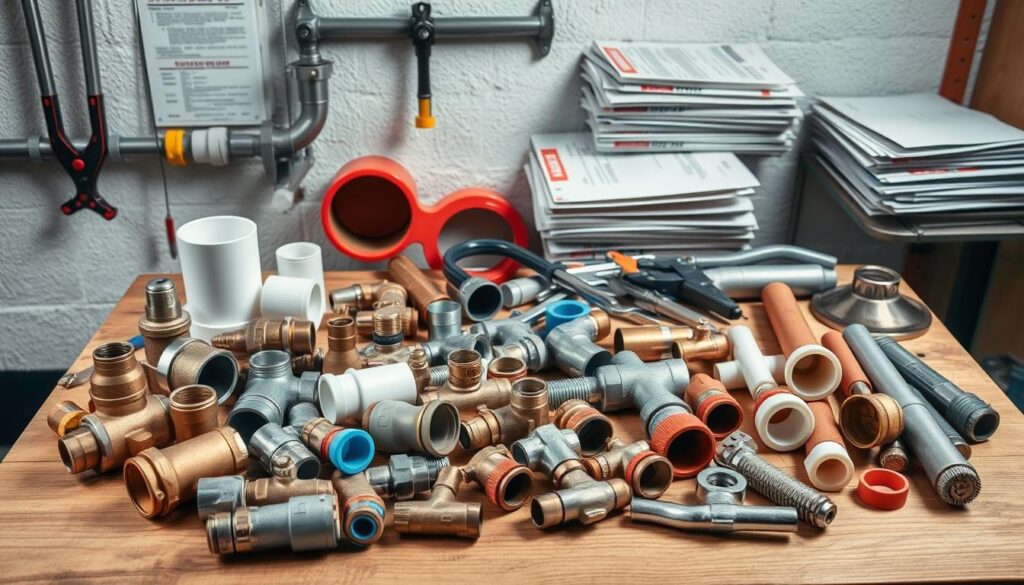
Your plumbing top out phase needs specific materials for durability and performance. The most common pipe materials are:
- PVC (Polyvinyl Chloride) – lightweight and resistant to corrosion
- PEX (Cross-linked Polyethylene) – flexible and simple to install
- Copper – traditional and long-lasting
- CPVC (Chlorinated Polyvinyl Chloride) – heat-resistant option
Here are the essential tools for the plumbing top out phase:
- Pipe cutters
- Measuring tape
- Pipe threading machine
- Level
- Pipe wrenches
- Soldering equipment
Professional plumbers say quality tools and materials are vital for a reliable plumbing system. Choosing the right pipe type for your project can prevent future issues.
Proper preparation and tool selection are key to a successful plumbing top out phase.
Professional Requirements and Inspections
Plumbing top out inspections are key in any construction project. They ensure your plumbing meets professional standards. This includes checking for certification, following regulations, and testing thoroughly.
Professional plumbing needs specific skills and strict rules. Knowing the top out plumbing inspection requirements is vital for your project’s success.
Certification Requirements
To do plumbing top out work, professionals must meet certain standards:
- State-licensed plumbing certification
- At least 4-5 years of apprenticeship
- Passing tough trade exams
- Keeping up with continuing education
Inspection Protocols
Local building authorities do detailed inspections to check for code compliance and safety.
| Inspection Stage | Key Verification Points |
|---|---|
| Pre-Installation Review | Permit verification, plans compliance |
| Rough-In Inspection | Pipe alignment, material quality |
| Final Top Out Inspection | System pressure testing, fixture connections |
Common Compliance Issues
During top out plumbing inspections, contractors often face compliance challenges:
- Improper pipe sizing
- Incorrect slope for drainage systems
- Inadequate vent configurations
- Non-standard material usage
Proactive planning and expert knowledge help avoid these issues.
Common Challenges During Top Out Phase
The plumbing top out phase is full of complex challenges. Even experienced professionals find it tough. You’ll face many obstacles that need smart problem-solving and technical skills.
During this phase, contractors often struggle with coordinating with different trades. They need to communicate well and plan carefully. This ensures the project moves smoothly.
- Spatial constraints within walls and ceilings
- Alignment requirements for future fixture installations
- Interference from electrical and HVAC systems
- Maintaining strict building code compliance
Plumbers must navigate physical and regulatory limits during the top out phase. They need to plan pipe routes, avoid conflicts, and meet structural and functional needs.
“Success in the top out phase requires adaptability and technical precision.” – Professional Plumbing Association
Your team’s skills affect the project’s timeline, budget, and quality. Good communication, detailed planning, and problem-solving are key. They help overcome common plumbing top out phase challenges.
- Precise measurement techniques
- Advanced conflict resolution strategies
- Real-time adaptation skills
Knowing these challenges helps you tackle the plumbing top out phase with confidence and skill.
Quality Control and Testing Procedures
Ensuring top quality is key during the top out plumbing inspection. Your plumbing system is tested thoroughly. This is to make sure it’s safe, works well, and lasts long.
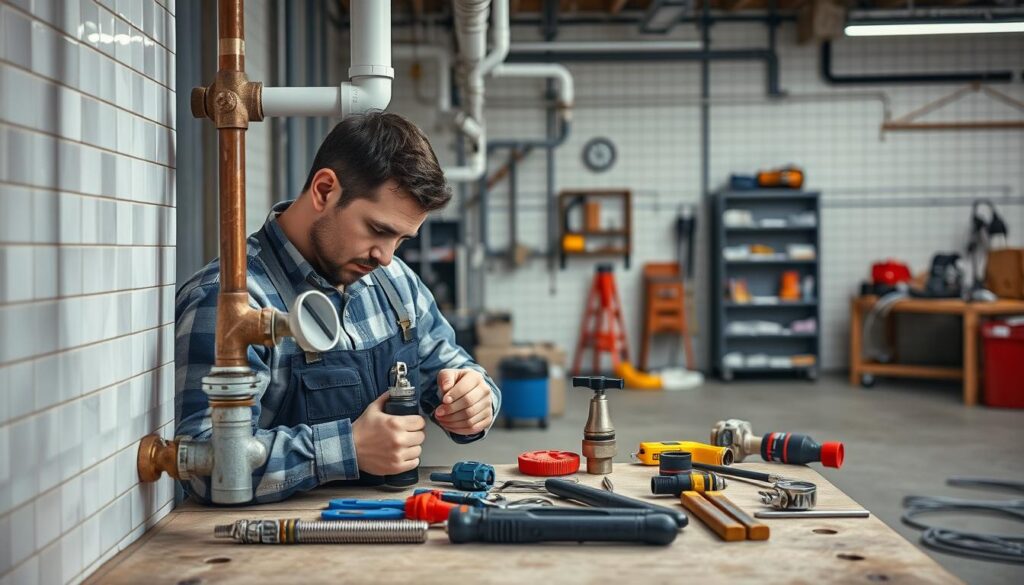
Quality control is the heart of good plumbing work. Plumbing is considered “topped out” after all tests and checks are done right.
Pressure Testing Methods
Pressure testing is a key way to check if plumbing systems work right. Experts use different methods to make sure systems are reliable:
- Air pressure testing for drainage systems
- Hydrostatic pressure testing for water supply lines
- Pneumatic pressure testing for specific pipe configurations
Leak Detection Protocols
Leak detection is important to find any problems in your plumbing. These methods include:
- Visual inspection of pipe connections
- Electronic leak detection equipment
- Pressure drop monitoring
Documentation Requirements
Keeping detailed records is vital during the top out plumbing inspection. Your project needs:
- Pressure test results
- Material specifications
- Installation photographs
- Compliance certificates
By sticking to these strict quality control and testing steps, you get a strong and dependable plumbing system. It will meet all professional standards.
Best Practices for Successful Top Out
For a successful plumbing top out, you need a good plan and careful details. How you handle this stage affects the plumbing system’s quality and how well it works.
Here are important best practices for plumbing top out:
- Develop a detailed project timeline
- Choose top-quality plumbing materials
- Check local building codes
- Do thorough checks before starting
- Keep your team well-informed
Your plumbing top out needs to be precise. Use the best materials that follow the rules and meet standards. Good planning helps avoid problems during setup.
“Preparation is the key to a seamless plumbing top out process.”
Experts say to focus on quality control. This means testing, finding leaks, and keeping records. These steps help make a strong and dependable plumbing system.
- Use advanced testing equipment
- Document every installation step
- Perform multiple verification checks
Success in top out comes from being ready for anything. Be flexible and always aim for the best in your work.
Project Timeline and Coordination
Managing plumbing installation stages needs careful planning and coordination. The success of your project depends on good communication between different trades. It also relies on managing the timeline well.
Effective scheduling helps avoid costly delays. It ensures the project moves smoothly through important plumbing milestones.
Successful coordination involves several strategies:
- Create a detailed project timeline with clear checkpoints
- Schedule regular interdisciplinary meetings
- Establish transparent communication channels
- Build flexibility into project planning
Different trades must work together during plumbing installation. Electricians, HVAC technicians, and drywall installers need to collaborate closely. Proactive communication prevents conflicts and reduces unexpected problems.
Key considerations for project coordination include:
- Identifying scheduling conflicts
- Developing contingency plans
- Tracking progress against established milestones
- Implementing real-time tracking and reporting
“Precision in planning prevents poor performance in execution.”
Your project’s success depends on attention to detail and adaptable management. By focusing on coordination and clear communication, you can handle complex plumbing installations with confidence.
Conclusion
Knowing what plumbing top out means is key for anyone in construction or home improvement. This stage is vital for a plumbing system that works well for years. It’s a moment to make sure your plumbing is ready for the future.
Plumbing top out is more than just putting in pipes. It’s about making sure your plumbing meets all the standards and lasts long. Doing this right saves you money and trouble down the road.
Both pros and DIYers need to understand plumbing top out. It’s important for any project, big or small. Knowing about it helps you make smart choices and work well with contractors.
Learning about plumbing top out shows you care about your building’s upkeep. Remember, this phase is not just about following rules. It’s about making your building safe and efficient.