
Affiliate Disclosure
Plumber Guide Guys is a participant in the Amazon Services LLC Associates Program, an affiliate advertising program designed to provide a means for sites to earn advertising fees by advertising and linking to Amazon.
How to Check Your Plumbing Vent? Did you know a blocked plumbing vent can lead to water damage and expensive repairs?
Plumbing vents are key to your home’s drainage system. They help manage air pressure, remove harmful gases, and keep water flowing smoothly. Knowing how to check your plumbing vent can save you thousands and avoid household headaches.
Regular checks on your plumbing vent can spot problems early. Learning about plumbing vent care helps protect your home’s plumbing. It also keeps your daily life running smoothly.
Key Takeaways
- Plumbing vents are essential for maintaining proper drainage system functionality
- Regular inspection can prevent costly water damage and repairs
- Understanding vent system basics helps homeowners identify possible issues
- DIY plumbing vent checks can save money on professional services
- Proper maintenance extends the life of your home’s plumbing infrastructure
Table of Contents
Understanding Plumbing Vent Systems and Their Function
Your home’s plumbing system has many pipes and vents. They work together for smooth water flow and waste removal. A plumbing vent system is key for your home’s drainage health.
Proper venting is more than just a roof pipe. These systems manage air pressure and prevent drainage issues. They also keep your home safe from sewer gases.
How Air Pressure Regulation Works
Plumbing vent system testing shows the air pressure balance in your pipes. Water flow creates negative pressure that can break water seals. Vent systems add air to balance this, ensuring:
- Smooth water flow through pipes
- Prevention of vacuum effects
- Elimination of possible drainage blockages
The Role of Vent Stacks in Your Home
Vent stacks are like the lungs of your plumbing system. They let air in and out, preventing harmful pressure. This keeps your plumbing system strong.
Types of Plumbing Vents
Various plumbing setups need different vent types for best performance. Some common ones are:
- Stack vents
- Branch vents
- Wet vents
- Air admittance valves
Knowing about these vents helps you keep your plumbing system in good shape. It prevents costly problems later on.
Common Signs of a Clogged Plumbing Vent
Spotting vent pipe clogs early can prevent costly plumbing fixes. Your home’s plumbing system sends out subtle signs if something’s amiss with the vent pipe.
When you see signs of a blocked vent pipe, you’ll notice a few key symptoms. These signs should not be ignored:
- Slow Draining Fixtures: Water in sinks, showers, and tubs drains much slower than usual
- Gurgling Sounds: Strange noises from drains or toilets when water flows
- Foul sewage odors around drains or bathrooms
- Toilets that struggle to flush or refill properly
These symptoms happen because a blocked vent stops the plumbing system from getting the air it needs. Without enough air, water can’t move freely through the pipes. This creates negative air pressure that messes with normal drainage.
Watch out if many fixtures in your home start acting up at the same time. If different drains have ongoing problems, it’s likely a sign of a blocked vent pipe. This needs a professional to check.
How to Check Plumbing Vent From Ground Level
Checking your home’s plumbing vent system doesn’t always mean climbing the roof. Many ways to check it can be done safely from the ground. This helps spot problems early, saving you money later.
Homeowners can use several DIY methods to check plumbing vents. These methods help find any issues before they get worse.
Visual Inspection Methods
Begin by watching how your home’s drainage works. Look for these signs:
- Slow draining in sinks and bathtubs
- Water backing up in multiple fixtures
- Unusual water level changes in toilet bowls
- Visible water pooling around drain areas
Sound Tests to Detect Possible Issues
Pay attention to sounds when water drains. Certain sounds can point to vent problems:
- Gurgling noises suggest blockages
- Loud suction sounds mean airflow is restricted
- Bubbling or whistling when draining
Checking Indoor Plumbing Fixtures
Do a detailed check inside to find vent problems:
| Fixture | Potential Vent Issue | Recommended Action |
|---|---|---|
| Toilet | Slow or weak flush | Check for air pressure imbalance |
| Sink | Drainage delays | Inspect drain speed and water movement |
| Shower | Standing water | Measure drainage efficiency |
While ground-level checks are useful, some problems need a pro. These steps give you a first look at your plumbing vent’s health.
Understanding Drain and Vent Stack Locations
It’s important to know where your home’s plumbing vent stacks are. This knowledge is key for effective roof vent pipe maintenance. Understanding their location in your home is the first step.
Plumbing vent stacks are usually found on the roof. They run straight up through the roof line. These pipes help keep the right air pressure in your home’s plumbing system.
- Most homes have 1-3 vent stacks
- Vent pipes are usually 2-3 inches in diameter
- Located near bathroom and kitchen areas
The spot of your drain and vent stacks matches your home’s plumbing setup. Usually, vent pipes line up with big drain lines in bathrooms, kitchens, and utility rooms.
| Home Area | Typical Vent Stack Location | Purpose |
|---|---|---|
| Kitchen | Near sink and dishwasher lines | Regulate air pressure |
| Bathroom | Behind toilet and shower | Prevent sewer gas buildup |
| Utility Room | Close to washing machine | Manage drainage flow |
To do a full plumbing vent inspection, find these key spots inside and outside your home. Knowing where these important parts are makes roof vent pipe maintenance simpler.
Essential Tools for Plumbing Vent Inspection
To do a good plumbing vent inspection, you need the right tools. Getting ready helps you find problems fast and safely. Knowing what tools you need makes your job easier and faster.
Safety Equipment for Plumbing Vent Inspection
Your safety is the most important thing during a plumbing vent inspection. You should wear:
- Non-slip work gloves
- Protective safety goggles
- Sturdy roofing boots with good traction
- Hard hat for roof work
- Fall protection harness
Diagnostic Tools for Thorough Inspection
To check if your plumbing vent stack works right, you need some tools. These tools help find blockages and problems in your home’s ventilation.
| Tool | Purpose | Recommended Use |
|---|---|---|
| Flashlight | Illuminating dark spaces | Checking vent openings and tight spaces |
| Plumber’s Snake | Clearing minor blockages | Removing debris from vent pipes |
| Inspection Mirror | Viewing hard-to-reach areas | Examining pipe connections |
| Garden Hose | Water pressure testing | Checking vent stack flow |
Professional Inspection Devices
For tough plumbing vent inspection jobs, you might need professional tools. Pipe cameras and digital moisture meters give you detailed info. They go beyond just looking.
While you can do simple inspections yourself, some problems need a pro. Having the right tools and knowing when to ask for help can save you time. It also keeps your home’s plumbing safe.
Common Causes of Plumbing Vent Blockages
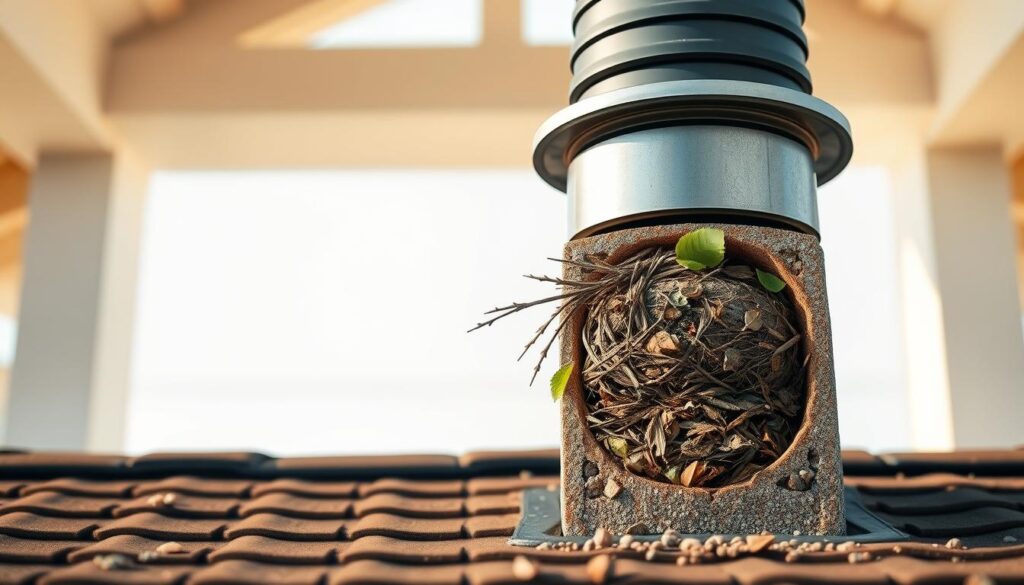
Finding out why your vent pipe is clogged can be tough. Knowing the main reasons helps you fix problems early. This way, you avoid bigger plumbing issues.
Many things can block your home’s plumbing vent system. These include environmental and structural factors. These blockages stop air from flowing right, causing drainage and pressure problems.
- Organic debris like fallen leaves and branches
- Animal nests and small creature intrusions
- Ice formations in cold weather regions
- Gradual rust and metal corrosion
Seasons and outside factors affect your plumbing vent’s work. These changes can lead to blockages.
| Blockage Type | Potential Impact | Prevention Strategy |
|---|---|---|
| Organic Debris | Partial air flow restriction | Regular roof vent screening |
| Animal Nests | Complete vent obstruction | Install protective mesh covers |
| Ice Buildup | Drainage system pressure issues | Insulate vent pipes |
| Metal Corrosion | Long-term structural damage | Annual professional inspection |
By being proactive and checking your vents often, you can spot and fix blockages early. This prevents big plumbing problems.
Performing a Roof-Level Vent Inspection
Roof vent pipe maintenance is key and needs careful checks. Getting to your roof can be tough, but knowing how helps spot problems early. This way, you avoid big issues later on.
Safety First: Protecting Yourself During Roof Inspections
Always put safety first when checking your roof. Wear shoes that grip well, use a strong ladder, and follow these safety tips:
- Check the weather – stay off in the rain or wind
- Use a safety harness on steep roofs
- Have a friend to help in case of trouble
- Wear gloves and eye protection
Visual Inspection Techniques
Start with a good look around. Shine a bright light on the vent opening and nearby to find any blockages.
| Inspection Area | What to Look For | Potential Issues |
|---|---|---|
| Vent Opening | Debris accumulation | Potential airflow restriction |
| Pipe Exterior | Cracks or damage | Water infiltration risks |
| Roof Seal | Proper flashing | Leak prevention |
Testing Vent Airflow
Testing your plumbing vent system is easy. Try the toilet paper test to see if it’s working right:
- Hold a piece of toilet paper near the vent opening
- See if the paper moves or gets pulled toward the vent
- If it does, your vent is working well
While DIY checks are good, some problems need a pro. Regular upkeep saves money and keeps your plumbing running smoothly.
Signs of Serious Vent Stack Damage
Spotting vent pipe clogs can show big problems in your plumbing. Serious damage to the vent stack is more than just a blockage. It needs quick action to avoid big plumbing failures.
Look out for these key signs of blocked vent pipe:
- Persistent Sewage Odors: Strong, bad smells all over your home mean big vent stack issues
- Visible damage to the vent pipe, like cracks or breaks
- Many drains slow down or get blocked at the same time
- Unusual gurgling sounds from toilets and sinks that keep happening after trying to clear them
Experts say to get a professional plumber right away if you see these signs. Ignoring serious damage can cause big water damage, health risks from sewage gases, and expensive fixes.
Signs that mean you need a pro include:
- Water backing up in many fixtures at once
- Mold growing near plumbing
- Water bill going up without reason, hinting at hidden leaks
- Water damage to your home’s structure near the vent stack
Your plumbing system needs a working vent stack. Spotting serious damage early can save you a lot of money and keep your home safe.
How to Test Plumbing Vent Functionality
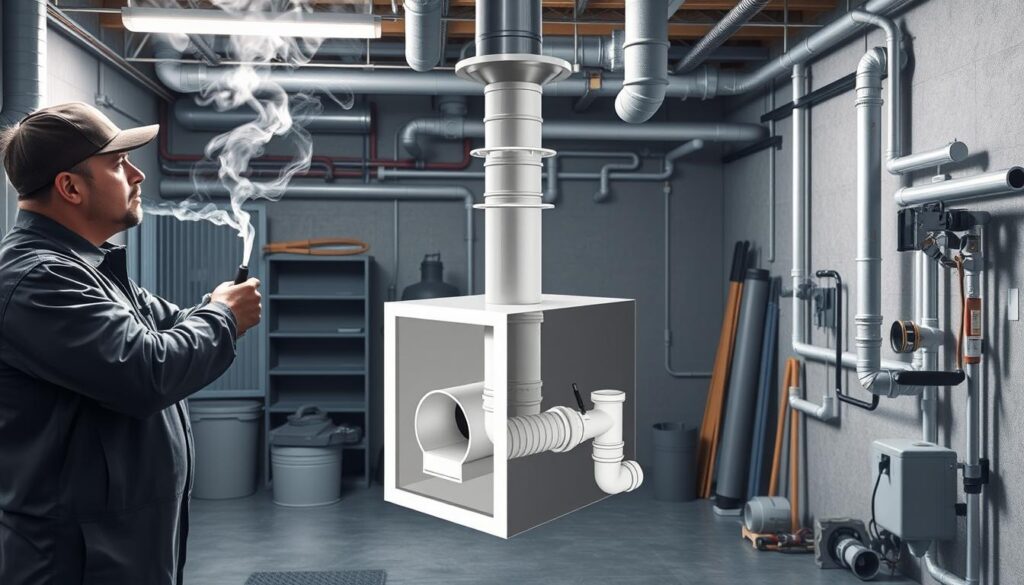
Testing your plumbing vent system is key to keeping your home’s drainage working right. A good plumbing vent stack helps water flow smoothly and stops air pressure problems in your plumbing.
To test your vent system well, you need a clear plan. Here are some important steps to follow:
- Multiple Fixture Test
- Water Drain Observation
- Sound Diagnostic Check
- Smoke Leak Detection
The multiple fixture test checks how well your system drains when many water sources are on. Start by flushing toilets, running sinks, and turning on showers. Watch how water flows through your pipes.
| Test Method | Purpose | Indicators of Issues |
|---|---|---|
| Multiple Fixture Test | Check overall drainage performance | Slow draining, gurgling sounds |
| Sound Diagnostic | Identify possible blockages | Unusual noises during drainage |
| Smoke Test | Detect vent system leaks | Smoke escaping from unexpected areas |
When you test your plumbing vent system, listen for gurgling sounds or slow drainage. These signs might mean there’s a blockage in your vent stack. If you see these signs, you might need a pro to check or fix it.
Experts say it’s smart to test your plumbing vent system often. This keeps your system working right and saves you from big repair bills. Regular checks help keep your home’s drainage system efficient.
When to Call a Professional Plumber
Dealing with plumbing vent issues can be tough for homeowners. Some problems you can fix yourself, but others need a pro’s help during a plumbing vent inspection.
Knowing when to call a plumber can save you time, money, and prevent damage to your plumbing. Here are some situations where you should get a professional plumber:
Emergency Situations
- Persistent sewage odors inside your home
- Multiple drains experiencing simultaneous slow drainage
- Gurgling sounds from toilets or sinks
- Water backing up in unusual places
These signs might mean serious blockages that could harm your plumbing system when you try to fix vent pipe issues.
Complex Inspection Requirements
Professional plumbers have the right tools for a detailed plumbing vent inspection. They use:
- High-resolution pipe cameras
- Advanced diagnostic tools
- Pressure testing equipment
- Thermal imaging cameras
“Not all plumbing problems are visible to the untrained eye. Professional tools can detect hidden issues before they become major repairs.” – Master Plumbers Association
Safety Considerations
Roof-level inspections are risky. Professional plumbers have:
- Proper safety equipment
- Insurance coverage
- Training for working at heights
- Expertise in handling complex structural assessments
Put your safety and plumbing system first by knowing when to call a professional.
Preventive Maintenance Tips for Vent Systems
Keeping your home’s plumbing vent system in good shape is key. It ensures proper venting and prevents problems. Regular care can save you from expensive fixes and keeps your plumbing running well.
To keep your roof vent pipe in top condition, follow these important steps:
- Clean vent openings every three months to remove debris and blockages
- Check the roof around vents for any obstructions
- Trim tree branches near vents to stop leaves and twigs from getting stuck
- Look for animal nests or debris buildup
Seasonal checks are vital for your plumbing vent system. Spotting problems early can save you a lot of time and money. During these checks, look for:
- Rust or corrosion on vent pipes
- Cracks or damage to vent stack parts
- Loose or out-of-place vent pipe connections
Get a professional to check your roof vent pipe at least once a year. They have the skills and tools to find issues you might miss. They’ll make sure your venting system works perfectly.
Remember: A well-maintained vent system is key to preventing drainage issues and protecting your home’s plumbing infrastructure.
Stay ahead of plumbing vent system problems. Small maintenance efforts can prevent big issues later.
Conclusion
Knowing how to check plumbing vents is key to a healthy home. Your skills can avoid expensive fixes and stop big drainage issues. By learning the basics and warning signs, you’re protecting your home’s plumbing.
Keeping your plumbing in check is easy. Just do simple visual checks, listen for odd sounds, and know when to call a pro. A well-kept plumbing vent keeps air pressure right, ensures smooth flow, and stops sewer gas buildup.
While DIY checks are great, some problems need a pro. Plumbers have the tools and know-how for tough issues. Mixing your own checks with pro advice keeps your plumbing running well.
Now you can manage your home’s plumbing better. Stay alert and do regular checks to catch issues early. This way, you protect your home and keep your plumbing system working smoothly for years.