

Affiliate Disclosure
Plumber Guide Guys is a participant in the Amazon Services LLC Associates Program, an affiliate advertising program designed to provide a means for sites to earn advertising fees by advertising and linking to Amazon.
How to Be a Good Plumber? Jake Miller’s life changed when a burst pipe hit his family’s restaurant on a busy Saturday night. A quick-thinking plumber fixed a complex water line issue, turning disaster into a smooth fix. This moment sparked Jake’s passion for plumbing.
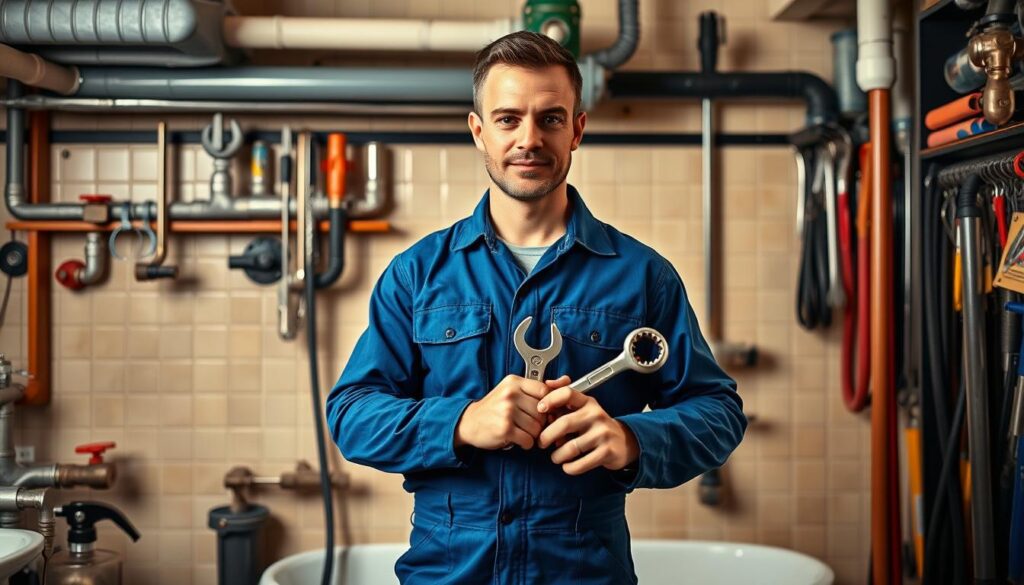
To be a great plumber, you need more than just technical skills. You must be dedicated, always learning, and ready to solve tough problems. Plumbers face challenges every day, from fixing homes to setting up commercial systems. They succeed by knowing their stuff, solving problems, and providing top-notch service.
The plumbing world is full of chances for those who put in the effort. If you’re thinking of a career switch or beginning your journey, knowing the key skills and strategies can lead to success.
Key Takeaways
- Develop both technical and people skills
- Stay committed to learning and growing
- Excel in both the practical and theoretical sides of plumbing
- Always focus on safety and precision
- Build strong relationships with your clients
Table of Contents
Understanding the Fundamentals of Professional Plumbing
Starting your journey as a plumber means learning about plumbing systems and rules. You need to know more than just how to fix things. Knowing the plumbing codes well is key to being good at your job.
Plumbing is complex, and it’s not just about technical skills. You also need to know the local and regional rules that guide your work.
Essential Plumbing Code Knowledge
Plumbing codes vary by region in the U.S. You must learn and follow these rules. Important parts of plumbing code knowledge include:
- Local building regulations
- Pipe installation standards
- Water safety requirements
- Drainage system specifications
Basic Plumbing System Components
Knowing the parts of plumbing systems is vital. You’ll need to learn about:
- Water supply lines
- Drainage pipes
- Fixtures and valves
- Water heating systems
Safety Protocols and Regulations
Safety is a top priority in plumbing. Keeping yourself and others safe means following strict safety rules. Always wear the right gear and follow safety guidelines.
“Success in plumbing is not just about technical skills, but understanding the entire system and its regulations.” – Professional Plumbing Expert
Keep learning and stay up-to-date with new plumbing codes and tech. This will make you stand out in this changing field.
How to Be a Good Plumber: Building Core Skills
To become a top-notch plumber, you need to master both technical and people skills. Your journey begins with a wide range of skills, not just fixing pipes.
For plumbing success, focus on key areas:
- Technical precision in pipe fitting
- Advanced problem-solving techniques
- Meticulous attention to detail
- Continuous learning and skill enhancement
Getting hands-on experience is key. Start with basic skills like soldering, measuring, and cutting pipes accurately. Learn a methodical way to find and fix plumbing problems.
“Success in plumbing isn’t just about fixing pipes, it’s about understanding entire systems and anticipating problems.”
Good plumbers are always ready. Carry extra tools and materials to avoid extra trips. This saves time and shows you’re professional to clients.
| Skill Category | Key Competencies | Importance Level |
|---|---|---|
| Technical Skills | Pipe fitting, welding, system diagnostics | High |
| Soft Skills | Communication, problem-solving, customer service | Critical |
| Professional Development | Continuous learning, staying updated with technologies | Essential |
Invest in your growth by finding mentors, going to workshops, and keeping up with new plumbing tech. Your dedication to learning will make you stand out.
Essential Tools and Equipment for Success
Professional plumbers know that success starts with the right tools. Your toolkit is key to quality and efficiency. Whether you’re new or experienced, the right equipment makes a big difference.
Choosing the right tools is important. You need both quality and function. A well-prepared plumber can handle any job with confidence.
Must-Have Hand Tools
Every plumber needs a solid set of hand tools. These tools are the base of your work:
- Pipe wrench (adjustable and fixed)
- Basin wrench for tight spaces
- Pliers (needle-nose and adjustable)
- Hacksaw for cutting pipes
- Measuring tape
- Level
Power Tools and Specialty Equipment
Advanced plumbing needs special power tools. These tools boost productivity and precision:
| Power Tool | Primary Function | Recommended Usage |
|---|---|---|
| Pipe Threading Machine | Creating threaded pipe connections | Commercial and industrial projects |
| Drain Camera | Inspecting internal pipe conditions | Diagnostic work and complex repairs |
| Pipe Cutter | Precise pipe cutting | Residential and commercial installations |
Tool Maintenance and Organization
Keeping your tools in good shape is key. Regular cleaning and storage protect your investment. It also keeps your work professional.
“A well-maintained tool is a plumber’s best companion.” – Professional Plumbing Association
Invest in a good toolbox or cart. It keeps your tools organized and ready for work.
Mastering Pipe Installation and Repair Techniques
Learning to install and repair pipes is key for professional plumbers. You’ll face challenges with different materials and their unique traits.
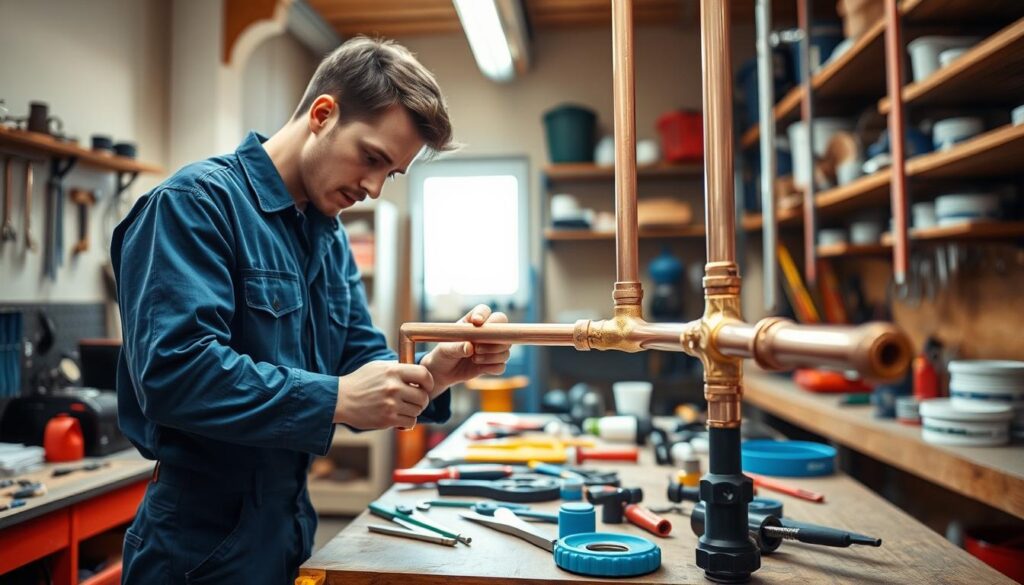
Understanding the needs of various pipe types is essential. Each material needs specific cutting and fitting methods for a tight seal.
- PVC pipes require precise cutting with a fine-tooth carbide blade
- Copper pipes need careful measurement and clean cuts
- Steel pipes demand specialized metal-cutting tools
Accurate cutting is vital in plumbing training. A circular saw works well for most materials. But, choose the right blade for each task.
| Pipe Material | Recommended Blade | Cutting Technique |
|---|---|---|
| PVC | Fine-tooth carbide | Slow, steady motion |
| Copper | Tubing cutter | Rotate evenly around pipe |
| Steel | Metal-cutting blade | Use steady pressure |
“Precision in pipe installation separates good plumbers from great ones.” – Master Plumber’s Handbook
Improving your plumbing skills takes practice and focus. Always align pipes right, use the right sealants, and check connections to avoid leaks.
Troubleshooting Common Plumbing Issues
Every homeowner faces plumbing problems that can quickly become big issues. Knowing how to fix these problems can save you time, money, and prevent water damage.
To solve plumbing issues, you need a step-by-step approach and sharp eyes. Spotting early signs can avoid expensive fixes and damage to your home.
Diagnosing Leaks and Clogs
Finding hidden leaks requires careful checking. A sudden increase in your water bill can be a sign of trouble. Here are steps to find leaks:
- Check water meter when all appliances are off
- Inspect visible pipes for moisture or discoloration
- Listen for unexplained water running sounds
- Look for water stains on walls or ceilings
Water Pressure Problems
Unstable water pressure can point to several plumbing issues. Low pressure might come from mineral buildup, pipe corrosion, or faulty regulators.
Here’s how to diagnose water pressure problems:
- Use a pressure gauge to measure PSI
- Check for blockages in aerators
- Examine pipe connections
- Test individual fixtures
Emergency Repair Procedures
In plumbing emergencies, fast action is key. Keep tools like pipe wrenches, plumber’s tape, and a bucket ready. Knowing how to shut off main water valves can stop major water damage.
Remember: Prevention is always better than emergency repair.
Water Heater Maintenance and Installation
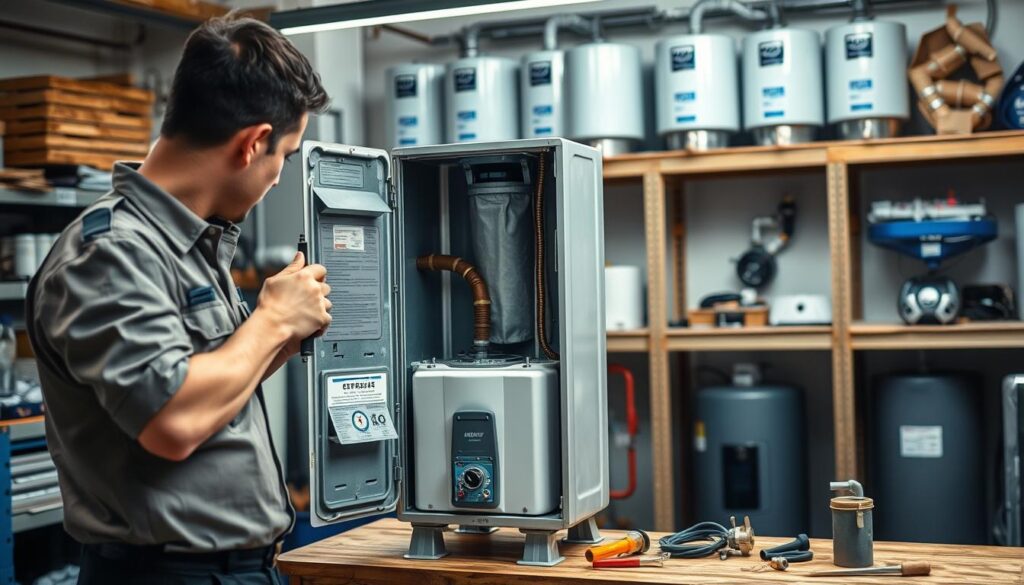
Learning to work with water heaters is key for plumbers. Knowing how to maintain and install them can open up more job opportunities. It also makes your clients happier.
There are different types of water heaters, each needing its own set of skills. The main types are:
- Electric water heaters
- Gas water heaters
- Tankless water heaters
- Solar water heating systems
Keeping water heaters in good shape is important. Your plumbing skills should include:
- Annual tank flushing to remove sediment
- Checking and replacing sacrificial anode rods
- Inspecting pressure relief valves
- Testing water temperature and pressure
When installing a water heater, follow these steps:
- Verify local building codes and permits
- Ensure proper ventilation
- Check electrical and gas connections
- Install earthquake straps in seismic zones
Safety tip: Always disconnect power sources before performing maintenance or installation.
“A well-maintained water heater can save homeowners significant money on energy costs and prevent unexpected breakdowns.” – Professional Plumbing Association
Developing Professional Customer Service Skills
Customer service for plumbers is more than just fixing pipes. It’s about making a positive experience. This turns one-time clients into loyal customers who recommend you.
Successful plumbers know technical skills are just half the battle. Your ability to communicate well and build trust can make you stand out.
Communication Best Practices
Effective communication is key for plumbers. Here are some strategies to improve your interactions:
- Use clear, simple language when explaining technical issues
- Listen actively to client concerns
- Provide detailed, transparent explanations
- Remain calm and professional, even during stressful situations
Estimating and Pricing Jobs
Transparent pricing builds trust with clients. Develop a consistent approach to job estimates that shows your professionalism:
- Conduct thorough initial assessments
- Provide written estimates with clear breakdowns
- Explain possible additional costs upfront
- Offer multiple solution options when possible
Building Client Relationships
Long-term success in plumbing comes from strong client connections. Treat each job as a chance to build a lasting relationship. Follow up after service, send maintenance reminders, and show genuine care for your clients’ needs.
“Great customer service is the foundation of a successful plumbing business.” – Professional Plumbing Association
By focusing on customer service, you’ll solve immediate problems and build a reputation. This drives referrals and repeat business.
Advanced Plumbing Techniques and Specializations
As you grow in your plumbing career, learning specialized skills is key. Getting a master plumber certification opens up new chances in complex systems and new technologies.
Professional plumbers can dive into many advanced areas:
- Radiant Heating Systems – These need precision and deep technical knowledge
- Solar Water Heating Technology
- Smart Home Plumbing Integration
- Commercial and Industrial Plumbing Solutions
To become a master plumber, you need more than basic training. You’ll need a lot of education, hands-on experience, and passing special exams. These tests check your advanced plumbing abilities.
New technologies are changing plumbing. Water-saving methods, smart systems, and green installations are the future. By keeping up with learning and getting advanced certifications, you can be a leading pro in this field.
“Specialized skills make top plumbers stand out.”
Important advanced areas include:
- Green Plumbing Technologies
- Hydronics and Thermal Systems
- Advanced Pipe Welding
- Building Information Modeling (BIM) for Plumbing Design
By focusing on improving your plumbing skills and getting a master plumber certification, you’ll find better jobs and get more respect in the field.
Business Management and Growth Strategies
Running a plumbing business is more than just fixing pipes. You need to know about plumbing licenses and use smart business strategies. This can turn your job into a successful business.
To make your plumbing business strong, focus on a few key areas:
- Financial planning and budgeting
- Marketing and brand development
- Client relationship management
- Professional licensing and compliance
Understanding plumbing license rules is key to staying legal. Each state has its own rules. So, it’s important to check your local laws. You’ll likely need:
- Verified work experience
- Passing a licensing exam
- Proof of insurance
- Continuing education credits
| Business Growth Strategy | Key Actions |
|---|---|
| Digital Marketing | Create a professional website, use social media, manage online reviews |
| Networking | Join local trade groups, go to industry events |
| Service Diversification | Offer more services, learn new skills |
Your success comes from getting better at business. Invest in yourself, keep up with trends, and always aim for top service.
Staying Current with Industry Trends and Technology
The plumbing industry changes fast. It’s key to keep learning to stay ahead. This helps you offer better services and stand out from others.
Improving your skills in plumbing needs a plan. By always learning, you can grow your career and get better at your job.
Continuing Education Opportunities
Boost your skills with focused learning. Here are some ways to do it:
- Online certification courses
- Technical workshops sponsored by manufacturers
- Industry conferences and trade shows
- Local community college technical programs
- Webinars focused on plumbing innovations
New Tools and Technologies
Modern plumbing uses advanced tech. Use the latest tools to improve your training:
- Digital pipe inspection cameras
- Advanced leak detection systems
- Thermal imaging equipment
- Smart water monitoring devices
Sustainable Plumbing Practices
Green tech is changing plumbing. Learn about saving water and eco-friendly ways to install:
- Graywater recycling systems
- Low-flow fixture installations
- Energy-efficient water heating solutions
- Sustainable pipe materials
Invest in your training and keep up with new tech. This makes you a leader in a fast-changing field.
Conclusion
Becoming a good plumber is a journey of learning and skill building. Your success depends on technical knowledge, mastering skills, and professional growth. A plumber apprenticeship is the first step in understanding this trade.
To be a successful plumber, you need dedication and adaptability. You must learn building codes, safety, and technical skills. Also, strong customer service, business management, and staying updated with technology are key.
Continuous education is vital for a plumber. Take advantage of training, workshops, and new technologies. The best plumbers see their career as a learning journey, always ready to grow.
Your plumbing journey is more than a job—it’s a skilled profession. It requires technical skills, problem-solving, and a commitment to excellence. Whether starting or advancing, your passion and learning will be your greatest assets.