
Affiliate Disclosure
Plumber Guide Guys is a participant in the Amazon Services LLC Associates Program, an affiliate advertising program designed to provide a means for sites to earn advertising fees by advertising and linking to Amazon.
Are Plumbing Repairs Tax Deductible? Did you know not all plumbing repairs can save you money on taxes? Many homeowners wonder if they can get tax deductions for plumbing work. But the truth is, it’s not always a simple yes or no.
The IRS has rules to decide if plumbing costs can be tax deductions. Most regular maintenance doesn’t qualify for tax relief. But, some situations might help you save money on taxes.
Homeowners often miss out on tax benefits for plumbing repairs. Whether it’s an emergency fix or a home improvement, understanding tax rules is key. You need to document everything carefully.
Key Takeaways
- Routine plumbing repairs typically aren’t tax-deductible
- Some home improvements may qualify for tax benefits
- Documentation is key for tax claims
- Specific situations can affect tax deduction eligibility
- Getting advice from a tax expert is helpful
Understanding Basic Tax Rules for Home Repairs
Homeowners often find it hard to understand tax rules for home repairs. The IRS has clear guidelines for what plumbing expenses you can deduct. Knowing these rules helps you get the most tax benefits while following the law.
IRS rules for plumbing expenses focus on the difference between repairs and improvements. This difference is key to your tax deductions.
Repairs vs. Improvements: What’s the Difference?
The IRS clearly separates home repairs from improvements:
- Repairs: Maintenance that keeps your home in good working condition
- Improvements: Upgrades that increase your home’s value or extend its life
IRS Guidelines for Home Maintenance
Here are the main IRS guidelines for home maintenance:
- Routine repairs are generally not tax-deductible for personal residences
- Repairs for rental properties may be deductible as business expenses
- Some energy-efficient improvements can qualify for tax credits
Documentation Requirements
Keeping good records is key for tax claims. Make sure to document all plumbing work, including:
- Receipts from plumbing repairs
- Contractor invoices
- Detailed descriptions of the work performed
- Before and after photographs
Pro Tip: Always consult with a tax professional to understand the specific tax implications of your home maintenance expenses.
Are Plumbing Repairs Tax Deductible: A Comprehensive Guide
Figuring out if plumbing repairs are tax deductible can be tricky for homeowners. Most routine plumbing fixes aren’t directly tax-deductible. Homeowner plumbing tax write-offs depend on your property’s use and specific situations.
To see if plumbing repairs are tax deductible, consider a few important things:
- Property usage (personal residence vs. rental property)
- Nature of the repair (maintenance vs. improvement)
- Potential tax credit opportunities
Scenarios can change how you might get tax deductions. For example, plumbing work in a home office or rental might get different tax treatment than in a main home.
| Property Type | Tax Deduction Potential |
|---|---|
| Primary Residence | Limited tax benefits |
| Rental Property | Higher deduction chances |
| Home Office | Possible partial deductions |
Talking to a tax expert can help you understand homeowner plumbing tax write-offs better. They can give advice tailored to your situation and help you get the most tax benefits.
Tax Benefits for Energy-Efficient Plumbing Upgrades
Homeowners can save a lot of money with energy-efficient plumbing tax credits and home improvement tax benefits. The federal government and many states offer big incentives for making your plumbing systems greener.
Looking into plumbing upgrades can lead to big savings. Tax credits and incentives are there to help. They push homeowners to make their homes more eco-friendly, saving energy and water.
Qualifying Energy-Saving Improvements
Not every plumbing upgrade gets you tax credits. But, some key ones do:
- High-efficiency water heaters
- Low-flow toilets and showerheads
- Tankless water heating systems
- Greywater recycling systems
Available Tax Credits and Incentives
Knowing about tax credits can help you save more. Here’s a quick look at what’s available:
| Improvement Type | Potential Tax Credit | Maximum Credit |
|---|---|---|
| Energy Star Water Heater | $300 | $300 per system |
| Tankless Water Heater | $300 | $300 per unit |
| Solar Water Heating | 30% of installation | No maximum limit |
Documentation for Energy-Efficient Claims
To get plumbing repair tax credits, you’ll need detailed documentation. Keep these records:
- Manufacturer’s certification statement
- Purchase receipts
- Installation invoices
- Product specifications
It’s wise to talk to a tax expert. They can help make sure you qualify for these great tax benefits.
Home Office Deductions for Plumbing Repairs
Understanding tax deductions for home plumbing can be tricky, mainly if you work from home. Homeowners with a dedicated office might get special tax breaks. These can help cover the cost of plumbing repairs.
To figure out tax write-offs for a home office, first, find out how much of your home is for work. The IRS lets you deduct a part of home upkeep costs, like plumbing repairs, based on your office size.
- Calculate the square footage of your home office
- Divide the office space by total home square footage
- Apply this percentage to your total plumbing repair costs
For instance, if your office is 10% of your home, you can deduct 10% of plumbing repair costs. Accurate documentation is key for these deductions.
Keep detailed records of plumbing repairs, including:
- Invoices from plumbing contractors
- Receipts for materials
- Proof of business use of the space
Consult a tax professional to ensure you’re maximizing your tax deductions while following IRS rules.
Only repairs for your business area are usually deductible. Routine upkeep and improvements for your whole home might have different tax rules.
Rental Property Plumbing Deductions
Understanding tax deductions for home plumbing in rental properties can be tricky. As a landlord, knowing which plumbing expenses are deductible is key to your financial plan.
Rental property plumbing deductions are a big help for property owners. The IRS lets landlords deduct certain plumbing costs. These costs help keep the property in good shape.
Qualifying Plumbing Expenses for Rental Properties
Not all plumbing costs are deductible. Here are the main types of plumbing expenses you can deduct:
- Routine repair and maintenance
- Pipe replacements
- Fixture updates
- Emergency plumbing repairs
Depreciation of Plumbing Systems
Big plumbing system upgrades can be spread out over time. The IRS lets you divide the cost of big improvements over several years. This can lower your taxes and help your rental income.
Documentation Essentials
Keeping good records is key for claiming plumbing deductions. You should keep:
- Receipts for all plumbing work
- Contractor invoices
- Dates of repairs
- Specific improvements made
Pro tip: Always talk to a tax professional. They can help you get the most out of your rental property tax deductions and make sure you follow IRS rules.
Knowing about these tax deductions can help you manage your rental property’s finances. It can also lower your taxes.
Medical Necessity Plumbing Modifications
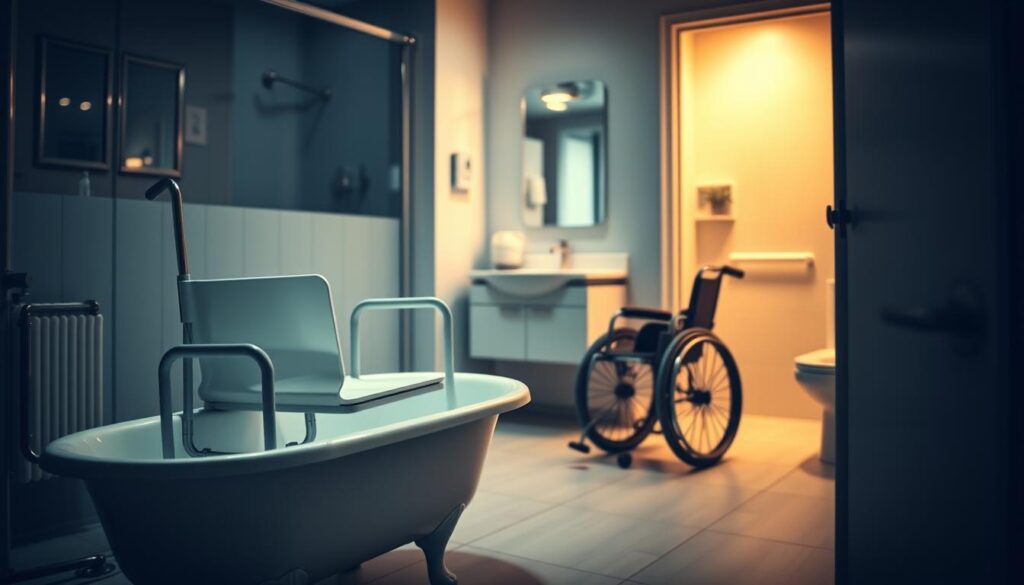
Medical plumbing modifications can help homeowners save money on taxes. The IRS lets you deduct certain plumbing changes that help with health issues. These changes are part of the medical expense deductions.
These tax write-offs cover special plumbing setups for people with disabilities or health problems. They make homes more accessible and comfortable. These changes are not just for repairs but are essential for health reasons.
- Wheelchair-accessible bathroom fixtures
- Walk-in shower installations
- Grab bars and safety handles
- Raised toilet seats
- Handheld shower attachments
To get these tax breaks, you must follow IRS rules. The changes must be medically necessary and ordered by a doctor. Also, these costs must be more than 7.5% of your income to be deductible.
| Modification Type | Medical Necessity Criteria | Potential Tax Deduction |
|---|---|---|
| Bathroom Safety Modifications | Mobility Impairment | Potentially Deductible |
| Accessibility Fixtures | Physician Recommendation | Likely Qualifying |
| Special Plumbing Adaptations | Documented Medical Need | Possible Tax Write-off |
Keep all your medical and repair documents handy. This includes doctor’s orders, repair bills, and proof of need. Talk to a tax expert to make sure you get these deductions right.
Business Property Plumbing Expenses
Understanding business plumbing expense deductions can be tricky. It’s key to know how plumbing repairs and maintenance affect your taxes. This knowledge helps you save more money.
Commercial Property Deduction Strategies
Managing commercial properties means using tax deductions for plumbing. The IRS lets businesses deduct costs for property upkeep, like plumbing fixes.
- Repair costs are usually fully deductible in the year they happen
- Big improvements might need to be capitalized
- It’s vital to keep good records for deductions
Calculating Business Use Percentages
Finding out your business use percentage is important for tax deductions. Not all plumbing costs are 100% deductible. You must figure out what expenses are for business use.
Keep detailed records of plumbing expenses for accurate tax reporting.
For properties used for both business and personal, you’ll need to split costs. If your property is 60% for business, you can deduct 60% of plumbing costs.
Get advice from a tax expert. They can help you get the most from your plumbing expense deductions while following IRS rules.
Home Improvement Tax Benefits for Plumbing
Homeowners can get big financial wins with smart plumbing upgrades. These upgrades offer tax credits that boost your home’s value and efficiency. It’s not just about fixing leaks; it’s about making your home better.
When looking at plumbing repair tax credits, pick upgrades that last. Some plumbing changes can really help your tax plan.
- Water-efficient fixtures that cut down on water use
- Eco-friendly pipe installations
- Advanced filtration systems
- Energy-saving water heater swaps
Big plumbing updates can up your home’s value. This is key when you sell your home. Investing in your home’s plumbing can bring comfort now and tax savings later.
Save all your plumbing upgrade receipts and photos. These prove your upgrades for tax deductions. Talking to a tax expert can help you get the most from these benefits.
Smart plumbing investments today can translate into significant tax savings tomorrow.
Capital Improvements vs. Routine Maintenance
It’s important to know the difference between capital improvements and routine maintenance for tax purposes. The IRS has rules for how plumbing expenses are classified.
Homeowners need to understand the IRS rules on plumbing expenses. Capital improvements add value or extend your home’s life. Routine maintenance keeps systems working well.
Long-term Value Additions
Capital improvements can offer tax benefits in certain situations:
- Replacing an entire plumbing system
- Installing new pipes that upgrade your home’s infrastructure
- Significant bathroom or kitchen remodeling
“Not all plumbing work is created equal in the eyes of the IRS” – Tax Experts
Repair Classification Guidelines
Here are some guidelines for tax-deductible home maintenance:
- Routine Repairs: Minor fixes that keep things as they are
- Unclogging drains
- Fixing leaky faucets
- Replacing small pipe sections
- Capital Improvements: Big upgrades that increase your home’s value
- Complete plumbing system replacements
- Adding new water lines
- Installing energy-efficient plumbing
Keep good records of all plumbing work. This helps support your tax claims and follows IRS guidelines for home maintenance expenses.
Record Keeping for Plumbing Tax Deductions
Keeping detailed records is key for tax deductions on home plumbing. Good documentation can help you get the most tax benefits. This is true when you fix plumbing or make big changes to your home.
“Documentation is the key to successful tax deductions for home maintenance and repairs.”
Here are the main parts of your tax record-keeping plan:
- Original invoices from plumbing contractors
- Detailed receipts for all repair materials
- Before and after photographs of plumbing work
- Contractor statements and work descriptions
- Proof of payment for plumbing services
The IRS says to keep these records for at least three to seven years after you file your taxes. With digital storage, keeping records is easier. Cloud storage and scanning help a lot.
| Document Type | Recommended Storage Duration | Storage Method |
|---|---|---|
| Repair Invoices | 7 Years | Digital & Physical Copies |
| Payment Receipts | 7 Years | Digital Scan |
| Contractor Agreements | 7 Years | Original + Digital Backup |
Tax pros suggest having a special folder for plumbing tax documents. This makes preparing your taxes easier. It also helps prove your deductions for plumbing repairs.
Special Tax Considerations for Emergency Repairs
When plumbing emergencies happen, knowing about taxes is key for homeowners. Emergency plumbing fixes can be tricky for tax write-offs. The IRS has rules to see if these repairs are tax deductible in urgent cases.
Not every emergency repair is tax-deductible. The IRS splits repairs into two: necessary fixes and big improvements. Here are important points for emergency plumbing repair taxes:
- Repairs that make your home like new might be seen as maintenance costs
- Emergencies that stop property damage could get partial tax deductions
- Big plumbing failures might be taxed differently than regular problems
Keeping good records is vital during emergencies. Having detailed records, invoices, and expert reports can help with tax claims. The type of emergency, how it affects your home, and the repair’s size all matter for tax purposes.
Insurance claims and emergency repairs can mix with tax rules. Talking to a tax expert who knows about homeowner plumbing tax write-offs can guide you through these complex issues.
Emergency repairs need careful financial records to get the most tax benefits.
Conclusion
Figuring out if plumbing repairs are tax deductible can be tricky. Most routine upkeep doesn’t get you a tax break right away. But, some situations might help you save money. It’s important to think about both your plumbing needs and the tax side of things.
It’s key to know the difference between repairs and upgrades when it comes to taxes. Routine fixes usually don’t qualify, but energy-saving changes or fixes for rental homes or offices might. Keeping good records is essential to get the most tax benefits.
Getting help from a tax expert can really help with plumbing repair tax questions. Tax rules change often, and everyone’s situation is different. A tax pro can guide you on how to use tax deductions for your plumbing.
Smart homeowners plan their plumbing upkeep carefully. While tax savings are nice, they shouldn’t be the only reason for repairs. Knowing about tax benefits can help you make better choices for your home’s upkeep.
FAQ
Are routine plumbing repairs tax deductible for homeowners?
Usually, routine plumbing repairs aren’t tax deductible for homeowners. The IRS sees these as maintenance costs, not deductible on personal tax returns. But, there are cases where plumbing costs might be tax benefits, like for rental properties or home offices.
When can plumbing repairs be claimed as tax deductions?
Plumbing repairs can be tax deductible in certain situations. For example, as business expenses for rental properties, or for home offices based on business use. They can also be for medical necessity or as part of significant home improvements. Each case has its own IRS rules and documentation needs.
What’s the difference between a plumbing repair and a plumbing improvement?
Repairs fix existing issues and keep your property’s current state. Improvements, like a new plumbing system, add value or extend your property’s life. Improvements might be tax-deductible, but simple repairs usually aren’t.
Are energy-efficient plumbing upgrades tax deductible?
Yes, many energy-efficient plumbing upgrades can get tax credits or incentives. This includes water-saving fixtures and energy-efficient water heaters. Both federal and state programs offer tax benefits for these upgrades.
How do I document plumbing expenses for tax purposes?
Keep detailed records like contractor invoices, receipts, and before-and-after photos. Include descriptions of the work and proof of payment. For rental or business properties, log the repair date, cost, and purpose. Digital records are okay, but they must be clear and easy to access.
Can emergency plumbing repairs be tax deductible?
Emergency plumbing repairs are usually treated like routine repairs for personal homeowners. But, disaster-related repairs or modifications that make a home habitable might have special tax considerations or deductions.
How do plumbing repairs for a rental property differ in tax treatment?
Plumbing repairs for rental properties are business expenses and can be fully deducted in the year done. Major improvements are depreciated over time. Landlords can deduct repairs that keep the property in its current state, but significant upgrades are handled differently for taxes.
Are plumbing modifications for medical reasons tax deductible?
Plumbing modifications for medical necessity, like accessible fixtures, might be tax deductible as medical expenses. They must meet IRS criteria and usually need to exceed a certain income percentage to qualify as a deduction.