

Affiliate Disclosure
Plumber Guide Guys is a participant in the Amazon Services LLC Associates Program, an affiliate advertising program designed to provide a means for sites to earn advertising fees by advertising and linking to Amazon.
What Does Rough In Plumbing Mean? Ever wondered how your home’s plumbing system is set up before the walls go up? What’s behind those unfinished pipes and connections that are the heart of your home’s water system?
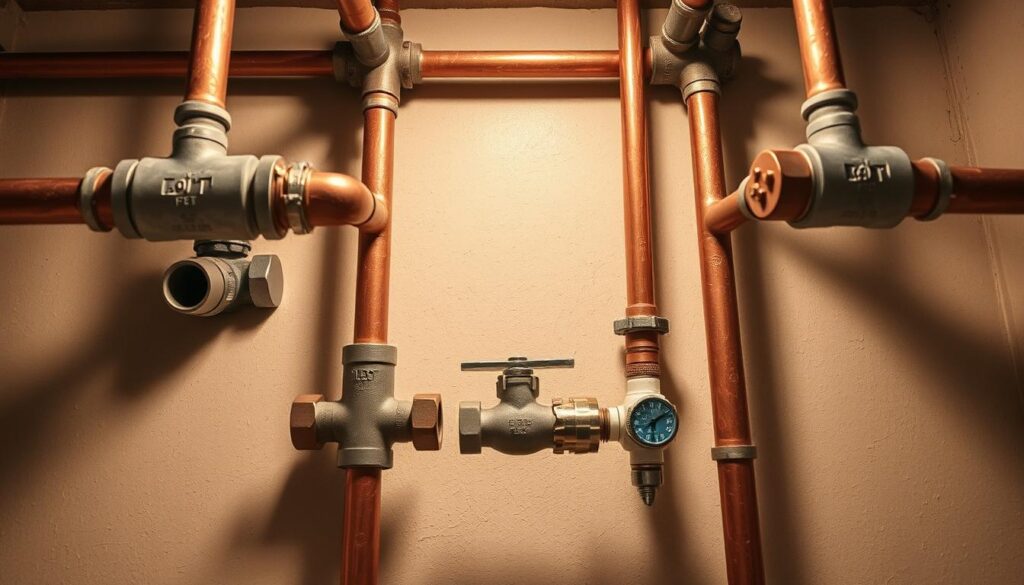
Rough in plumbing is the first step in plumbing setup, happening after framing and before walls are finished. It involves placing water lines, drain pipes, and vent systems. These will support your home’s plumbing needs.
Knowing what rough plumbing is helps you see the hard work needed for a working water system. Plumbers plan out where fixtures will go, making sure every pipe and connection follows building codes and standards.
Key Takeaways
- Rough in plumbing is a foundational construction phase
- Involves installing primary water and waste pipeline systems
- Occurs before walls are finished and fixtures are installed
- Requires precise planning and adherence to building regulations
- Critical for ensuring long-term plumbing system efficiency
Table of Contents
Understanding the Fundamentals of Rough In Plumbing
Rough in plumbing is a key part of new construction. It lays the groundwork for your home’s water and waste systems. This important step happens early in building, creating the plumbing framework.
The plumbing rough in process focuses on several key parts. These parts make sure your home’s water and drainage systems work well. Let’s look at the main parts of this important construction phase.
Definition and Core Components
Rough in plumbing starts with the first setup of important plumbing parts before walls are finished. The main parts usually include:
- Water supply lines
- Drain and waste pipes
- Vent stacks
- Primary connection points
When Rough In Plumbing Occurs
In new construction, the rough in phase comes after framing but before insulation and drywall. This timing lets plumbers place pipes in the right spots.
Key Elements of the Process
The plumbing rough in process has several important steps:
- Excavating underground pipe locations
- Routing pipes through building structures
- Installing vent stacks
- Connecting drain lines to sewer systems
- Establishing water line connections
Professional precision during this phase prevents future problems. It ensures your home’s plumbing system works well for years.
The Importance of Rough In Plumbing in Construction
Building or renovating a home? Rough in plumbing is key. It lays the foundation for your plumbing system. This work is essential for managing water and waste in your home.
Rough in plumbing is more than just pipes. It’s an investment in your home’s future. It prevents maintenance problems later on. By planning and executing these stages well, you get:
- Optimal water flow and pressure
- Proper drainage system functionality
- Long-term fixture performance
- Reduced risk of future repairs
Professional plumbers know the importance of these early stages. Precise measurements, strategic pipe placement, and following building codes are vital. They ensure your plumbing works well for years.
Investing in thorough rough in plumbing future-proofs your home’s water system. It prevents problems and boosts your home’s value and function.
What Does Rough In Plumbing Mean: A Detailed Explanation
Rough in plumbing is a key part of building a home. It’s when the basic plumbing setup is done before walls and floors are finished. Knowing about rough in plumbing helps you see how complex it is.
Plumbers put in pipes, drainage, and connections for your plumbing needs. They plan carefully and follow plumbing codes to make sure it works right and is safe.
Main Stages of Rough In Work
- Initial pipe layout planning
- Running water supply lines
- Installing drain and waste pipes
- Positioning fixture mounting points
- Preparing for future fixture connections
Professional vs DIY Considerations
Professional plumbers strongly recommend against DIY rough in plumbing. It needs special skills and knowledge of building rules. Doing it wrong can cause:
- Potential water damage
- Costly repairs
- Failed inspections
- Safety hazards
“Rough in plumbing is not a weekend project – it demands professional expertise and precision.” – Professional Plumbing Association
Building Code Requirements
Plumbing codes are strict and change by area. Pros make sure every part meets local and national rules. These rules cover things like:
- Pipe material specifications
- Slope and alignment regulations
- Ventilation standards
- Fixture connection protocols
Following these rules ensures your plumbing is safe, works well, and meets standards.
Essential Components of Rough In Plumbing Systems
Knowing the key parts of a plumbing rough in is vital for a working home plumbing system. These parts work together for good water flow and waste removal.
- Water Supply Lines: Responsible for delivering clean water to various fixtures throughout your home
- Drain Lines: Designed to remove wastewater efficiently
- Vent Stacks: Critical for maintaining proper air pressure in the plumbing system
- Pipeline Connections: Ensure seamless integration of different plumbing components
Gravity is key in the plumbing rough in process. Pipes are placed to use gravity to move water and waste well through your home.
*Proper venting is the silent guardian of your home’s plumbing system*
When planning your plumbing, focus on pipe size and placement. Each part must be well-thought-out to avoid problems like blockages or poor water flow. Plumbers know that small details greatly affect your plumbing’s performance.
By focusing on these key components, you’ll build a strong plumbing system. It will give you reliable water and waste management for many years.
The Step-by-Step Rough In Plumbing Process
The plumbing rough in process is key in new construction. It needs precision and careful planning. Knowing each step ensures a good installation that meets codes and manages water and waste well.
First, you must make a detailed plumbing blueprint. It should show every pipe, connection, and fixture location. This planning is the base for a smooth process.
Initial Planning and Layout
Your plumbing layout must consider important factors:
- Building codes and local regulations
- Precise measurements for pipe routes
- Fixture locations
- Water pressure requirements
- Drainage slope calculations
Installation Sequence
New construction plumbing has a specific order for best performance:
- Excavate and prepare the ground for underground pipes
- Install main water supply lines
- Run pipes through wall cavities
- Connect drain and vent stacks
- Position fixture mounting brackets
Testing and Inspection Requirements
After installing, thorough testing is vital. Plumbers do pressure tests to check for no leaks. Inspectors then check pipe connections, drainage slope, and if everything meets local standards.
Being detailed in the plumbing rough in process avoids expensive fixes. It ensures a plumbing system that lasts for many years.
Bathroom Rough In Measurements and Standards
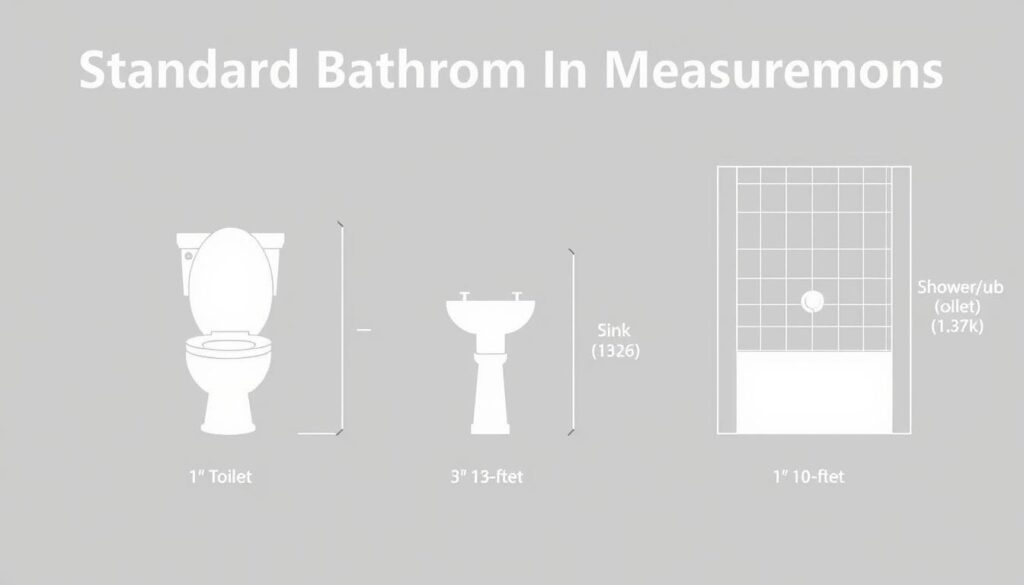
Knowing bathroom rough in measurements is key for good plumbing work. These exact sizes help fixtures fit right in your bathroom. Both pros and DIY folks need to focus on the right sizes for each part.
The size needed for bathroom fixtures changes with each type. For toilets, the usual size is 12 inches from the wall to the drain’s center. Older homes might need sizes from 10 to 14 inches.
- Toilet rough in: 12 inches standard
- Sink rough in: 20-22 inches from floor
- Shower drain: Centered in shower area
- Bathtub rough in: Varies by tub design
Getting the bathroom rough in measurements right avoids expensive errors. When you’re redoing your bathroom, double-check your measurements before you start cutting pipes or placing fixtures.
| Fixture | Standard Rough In Measurement | Potential Variation |
|---|---|---|
| Toilet | 12 inches | 10-14 inches |
| Sink | 20-22 inches | +/- 2 inches |
| Shower Drain | Centered in shower | Depends on shower size |
Experts say to use precise tools and check local building codes for bathroom measurements. Spending time on planning and measuring will save you a lot of hassle and money later.
Water Supply Line Installation During Rough In
Water line rough in is a key part of plumbing setup. It needs precision and planning. Knowing how to place water lines is important for your home’s plumbing.
During this stage, experts focus on pipe routing and sizing. They aim to make sure water flows well in your home. The goal is to have steady water pressure and temperature.
Hot and Cold Water Line Configuration
Setting up hot and cold water lines right is important. Here are some tips:
- Use 3/4-inch pipes for main supply lines
- Reduce to 1/2-inch lines for individual fixtures
- Maintain proper separation between hot and cold water lines
- Implement color-coded markings for easy identification
Main Valve Placement Strategies
Choosing the right spot for your main water valve is key. It’s important for easy access and emergency shutdown.
| Valve Location | Accessibility Rating | Recommended Placement |
|---|---|---|
| Basement | Excellent | Near main water entry point |
| Crawl Space | Good | Close to foundation wall |
| Utility Room | Very Good | Near water heater |
Your water line setup should be easy to access. Plumbers suggest checking local building codes for compliance.
DWV System Installation in Rough In Plumbing
Understanding drainage is key for your home’s plumbing. The Drain-Waste-Vent (DWV) system is vital for handling wastewater. It keeps your building clean and sanitary.
- Positioning drain lines with a downward angle
- Ensuring proper gravity-based drainage
- Minimizing horizontal drain line runs
- Implementing effective venting strategies
Gravity is the main force behind efficient wastewater removal. Your drain lines need to be placed right to use this force. Experts say to aim for a slope of about 1/4 inch per foot for smooth flow.
Venting is also key in DWV system installation. It stops sewer gas buildup and keeps air pressure balanced. Without good venting, you might face slow drains, gurgling, or health risks.
Effective DWV system design requires precise planning and expert execution.
When planning your DWV system, keep these tips in mind:
- Map out precise drain line routes
- Calculate appropriate pipe diameters
- Select compatible materials
- Plan for future maintenance access
By following these guidelines, you can create a strong and efficient drainage system. It will meet local codes and last a long time.
Common Challenges and Solutions in Rough Plumbing
Rough plumbing is the first step in installing plumbing systems. It happens before walls and fixtures are put in place. Contractors face many technical challenges during this phase. They need to solve these problems carefully and precisely.
Dealing with rough plumbing needs a lot of skill and strategy. Plumbers must be ready to tackle many issues. These issues can affect the whole plumbing system’s integrity.
Key Troubleshooting Strategies
- Conduct thorough pipe leak detection tests
- Make sure pipes are aligned and sloped correctly
- Check if the venting system works well
- Look for any conflicts with electrical and HVAC systems
Leak Detection Techniques
To find leaks in rough plumbing, you can use several methods:
- Listen for hissing sounds at pipe joints
- Apply soap solution to possible leak spots
- Watch for bubbles, which show air escaping
- Use pressure testing tools for accurate checks
Quality Control Measures
To keep standards high in rough plumbing, pay close attention to details. Professional plumbers suggest:
- Regular, thorough inspections
- Keep detailed records of the installation
- Follow local building codes
- Test all pipe connections carefully
Being proactive and strict about quality are key to good rough plumbing work.
Cost Considerations and Budget Planning
Planning your plumbing installation stages needs a careful financial plan. Knowing the cost factors helps you make smart choices for your home project. The total cost depends on several important variables that affect your budget.
Your rough-in plumbing costs change based on several things:
- Home size and layout complexity
- Number of fixtures being installed
- Material quality and type
- Local labor rates
- Specific project requirements
Breaking down the plumbing installation stages helps manage costs well. Consider a phased approach to spread out costs over time. This is great for big renovation projects where paying all at once is hard.
| Project Scale | Estimated Cost Range | Recommended Budget Strategy |
|---|---|---|
| Small Bathroom Rough-In | $1,500 – $3,000 | Single-phase investment |
| Full Home Plumbing Rough-In | $5,000 – $15,000 | Phased approach recommended |
| Basement Renovation Rough-In | $2,500 – $6,000 | Flexible staging possible |
Pro tip: Invest in quality materials during rough-in stages to reduce long-term maintenance costs. Cutting corners initially might lead to expensive repairs later.
Getting professional advice can give you exact estimates for your plumbing project. Always get several quotes and know what the project includes before you start.
Professional Requirements and Safety Considerations
To become a professional plumber, you need more than just pipe knowledge. It’s key to understand plumbing code requirements for safety and quality in building projects.
Plumbers must learn a wide range of skills. They need to know about wood framing to avoid damage. This helps them work well with other builders.
- Obtain proper state licensing and certification
- Complete extensive technical training programs
- Stay updated on current plumbing code requirements
- Develop cross-disciplinary construction knowledge
Safety is a big deal in plumbing. Plumbers must focus on safety by:
- Handling tools right and keeping them in good shape
- Wearing the right protective gear
- Checking for risks before starting a job
- Keeping up with safety training and certifications
Being good at plumbing isn’t just about doing the job. Continuous learning about new tech and codes keeps plumbers ahead in the construction world.
| Professional Requirement | Key Considerations |
|---|---|
| Licensing | State-specific certification and ongoing education |
| Technical Skills | Advanced knowledge of plumbing systems and building codes |
| Safety Training | Regular workshops and equipment handling courses |
By keeping high standards and focusing on safety, plumbers protect themselves and their clients. They also provide top-notch service.
Conclusion
Knowing what rough in plumbing means is key for any building or renovation project. This early stage is vital for your plumbing system’s success. It ensures water supply, drainage, and infrastructure work right.
Professional plumbers are essential for this complex task. They follow building codes, pick the right materials, and design a layout that fits your needs. Quality rough in work avoids future problems like leaks and water pressure issues, saving you money.
Rough in plumbing is more than just putting in pipes. It involves careful measurement, strategic placement, and thorough testing. Plumbers say fixing issues early saves time and money later.
Your plumbing system is a big investment. Understanding rough in plumbing and working with pros ensures a strong, efficient, and compliant system. It will serve your home or building well for many years.