

Affiliate Disclosure
Plumber Guide Guys is a participant in the Amazon Services LLC Associates Program, an affiliate advertising program designed to provide a means for sites to earn advertising fees by advertising and linking to Amazon.
What Does FPT Mean in Plumbing? Ever wondered what plumbers mean by FPT? It might seem like a secret code, but knowing it can prevent expensive plumbing errors.
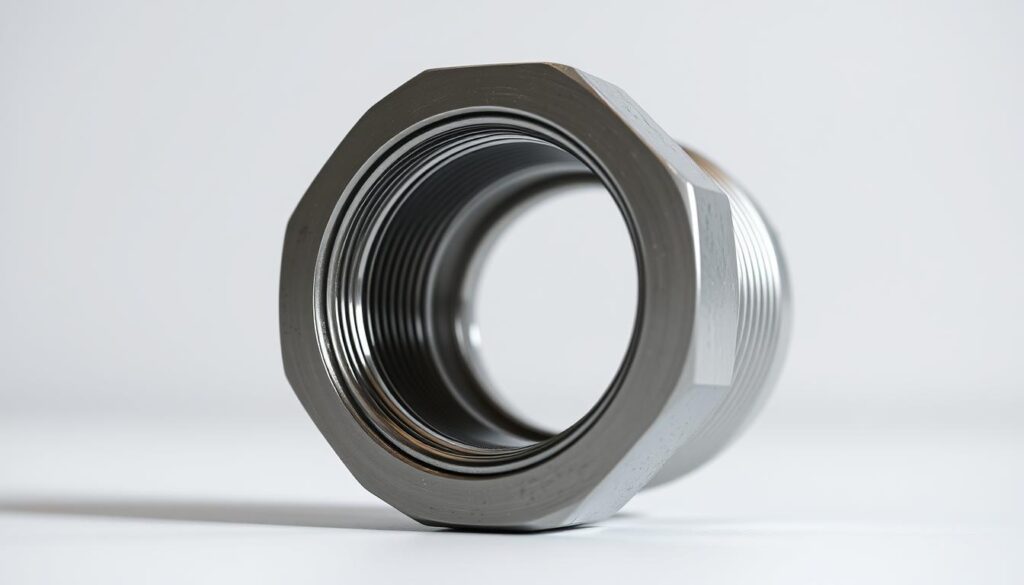
FPT, or Female Pipe Thread, is key in plumbing. It helps pipes and fittings connect securely, ensuring water flows right where you want it.
Understanding FPT is vital for any plumbing project. It helps create a tight seal, stopping leaks and keeping systems working well.
Key Takeaways
- FPT means Female Pipe Thread in plumbing terminology
- Provides internal threading for pipe connections
- Essential for creating leak-proof plumbing systems
- Used in various residential and commercial applications
- Requires proper matching with male pipe threads
Table of Contents
Understanding Basic Pipe Thread Terminology
Plumbing needs a good grasp of pipe thread terms. Whether you’re fixing things yourself or are a pro, knowing pipe thread basics saves time and avoids mistakes.
Exploring Pipe Thread Types
Pipe thread types are key for secure, leak-free connections. The main types are:
- NPT (National Pipe Thread)
- BSPT (British Standard Pipe Thread)
- NPTF (National Pipe Thread Fuel)
- ISO (International Organization for Standardization) threads
Male vs Female Thread Connections
It’s important to know male and female thread connections. A male thread sticks out, while a female thread is inside, ready to accept the male thread.
| Thread Type | Connection Style | Common Application |
|---|---|---|
| Male Thread (MPT) | External threading | Pipe ends, external fittings |
| Female Thread (FPT) | Internal threading | Pipe connections, valves |
Common Thread Standards and Specifications
Knowing plumbing abbreviations is key. NPT is the top thread standard in North America. It has a tapered design for a tight seal.
Learning about these pipe thread types and connections makes you more confident in plumbing projects.
What Does FPT Mean in Plumbing?
In plumbing, FPT stands for Female Pipe Thread. Knowing what FPT means is key when picking parts for your plumbing jobs.
A female pipe thread has internal, tapered threads for male pipe thread (MPT) fittings. These threads are common in plumbing and ensure leak-free connections.
- FPT connections feature internal threads
- Designed to connect with male pipe threads (MPT)
- Used in both residential and commercial plumbing systems
Both pros and DIY folks need to know about FPT fittings. The female thread makes a tight, sealed connection with a male thread. This keeps your plumbing system water-tight.
Understanding FPT is essential for creating reliable plumbing connections that prevent leaks and maintain system integrity.
Different projects need specific FPT thread types. So, picking the right fitting is critical. Whether it’s water lines, gas pipes, or hydraulic systems, knowing about FPT helps you make better choices.
The Difference Between FPT and NPT Connections
Knowing the differences in threaded pipe connections is key for plumbing success. FPT (Female Pipe Thread) and NPT (National Pipe Thread) are vital for secure plumbing connections.
Exploring fpt vs npt plumbing shows they share some traits but also have unique features.
Thread Design and Sealing Mechanisms
Threaded connections need precise engineering for watertight seals. NPT has a tapered thread for a tight seal when installed right.
- NPT threads have a 60-degree thread angle
- Threads are designed to create a mechanical seal
- Proper installation requires specific tightening techniques
Application and Usage Scenarios
FPT connections are used in many plumbing areas. They’re found in:
- Residential water supply systems
- Industrial piping networks
- HVAC installations
- Agricultural irrigation systems
| Connection Type | Primary Use | Compatibility |
|---|---|---|
| FPT (Female) | Receiving male threads | Compatible with NPT male connections |
| NPT | Standard pipe threading | Universal in plumbing applications |
Installation Requirements
Installing threaded connections needs careful attention. Use the right thread sealants and follow specific tightening steps for a leak-free connection.
Important tips include using thread tape or pipe dope, avoid over-tightening, and check for clean, undamaged threads before connecting.
Essential Features of Female Pipe Threads
Female pipe threads (FPT) are key in plumbing systems. They help connect and seal pipes. Knowing their unique traits is important for plumbing choices.

A female pipe thread has special threading inside. It’s made to fit male pipe thread (MPT) fittings well. The main features that make FPT connections reliable are:
- Internal tapered design for tight sealing
- Precise thread pitch and angle
- Compatible with various pipe materials
- Versatile connection mechanisms
The inside of a female pipe thread makes a tight seal with a matching male thread. This design keeps connections leak-free. It works in many plumbing jobs, from homes to big industrial systems.
Materials for FPT connections include:
- Brass
- Stainless steel
- Galvanized steel
- Plastic polymers
Each material has its own benefits for plumbing projects. Choosing the right female pipe thread ensures your system works well and lasts long.
Pro tip: Always match your FPT connections with compatible thread standards to guarantee a proper and secure fit.
How to Identify FPT Fittings in Your Plumbing System
Knowing how to spot female pipe thread (FPT) fittings is key for plumbing success. It’s important to recognize these special connections to pick the right parts for your plumbing job.
To master identifying FPT fittings, you need to use your eyes and precise tools. Plumbing abbreviations are also vital. They give you important details about thread types.
Visual Inspection Techniques
Start by looking closely at FPT fittings. Here’s what to look for:
- Internal threading inside the fitting
- Slightly tapered interior surface
- Specific markings indicating thread type
- Smooth, uniform internal threads
Thread Measurement Tools
For accurate identification, you’ll need special tools:
- Thread gauge: Determines thread pitch and angle
- Caliper: Measures external and internal diameters
- Thread pitch ruler: Checks thread density
Common FPT Sizes and Applications
FPT fittings come in many standard sizes. They’re used in both homes and businesses. Sizes range from 1/8 inch to 2 inches, each for different needs.
Learning these identification techniques will make you more confident in choosing and installing the right plumbing parts for your project.
Working with FPT and MPT Connections
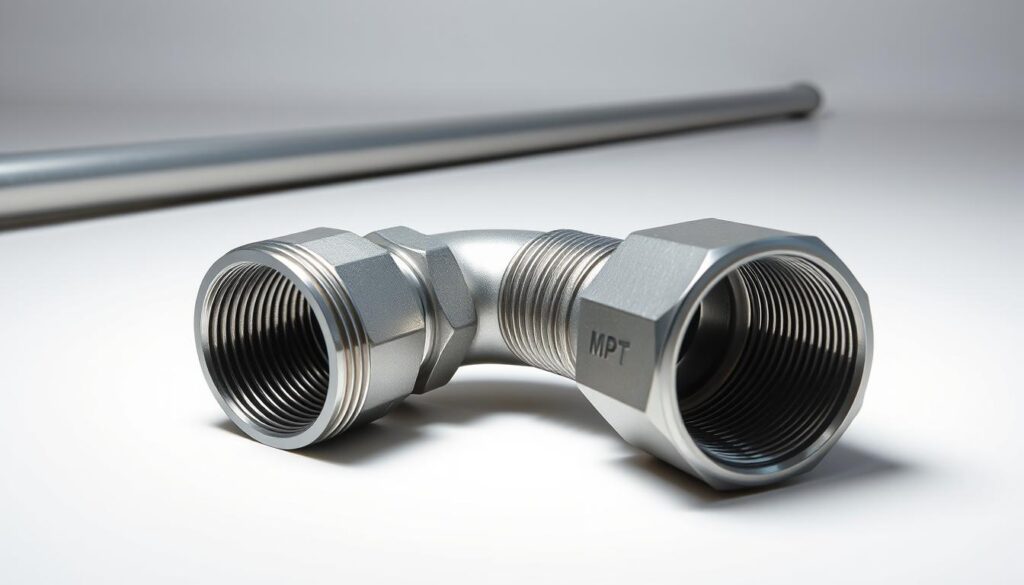
Understanding threaded pipe connections is key for good plumbing work. Male pipe threads (MPT) and female pipe threads (FPT) are vital for leak-free systems. They need careful handling and specific techniques for proper connection.
Here are the main steps for working with threaded pipe connections:
- Clean the pipe threads well before you start
- Check the threads for damage or odd shapes
- Pick the right thread sealant
- Make sure MPT and FPT connections are aligned right
Choosing the right thread sealant is very important to stop leaks. Teflon tape and pipe thread compound are top choices for NPT connections. Use the sealant just right to cover all without too much.
When you’re connecting MPT and FPT fittings, remember these important points:
- Make sure the threads are aligned right
- Use the right wrench pressure
- Avoid cross-threading
- Check for a tight, secure fit
Pro tip: Always start threads by hand to avoid damage and ensure a smooth fit.
Different pipe thread types need special techniques. NPT threads are the usual choice for MPT and FPT in plumbing. With practice and focus, you’ll get better at these important skills for plumbing projects.
Best Practices for Thread Sealing and Installation
Working with fpt pipe connections needs you to know how to seal and install them right. This knowledge helps avoid leaks, cuts down on maintenance costs, and makes your pipes last longer.
Proper Sealing Techniques
Sealing threads well is key in plumbing. You must pick the right sealant for your job. Here are the main methods:
- Teflon tape for general water and gas connections
- Pipe dope for metal-to-metal threaded connections
- Anaerobic sealants for high-pressure systems
For Teflon tape, wrap it clockwise on male threads for even coverage. Making sure threads are ready prevents and ensures a tight connection.
Tools and Materials Required
To install fpt pipe connections right, you’ll need these tools:
- Adjustable pipe wrench
- Teflon tape
- Thread sealant
- Clean cloth for surface preparation
Common Installation Mistakes to Avoid
Staying away from common mistakes is vital for strong pipe connections. Here are some to watch out for:
- Over-tightening which can damage threads
- Using the wrong sealants
- Not cleaning thread surfaces before installing
- Misaligning pipe threads
Installing fpt pipe connections right takes patience, precision, and the right methods. Take your time and follow the guidelines for leak-free results.
Troubleshooting Common FPT Connection Issues
Working with female pipe thread (FPT) connections can lead to problems. Knowing these issues helps avoid expensive fixes and water damage.
Fixing FPT connection problems needs careful attention to a few key areas:
- Thread Compatibility: Using different thread standards like NPT and BSP can cause leaks
- Over-tightening: Too much force can damage threads and cause leaks
- Incorrect Sealing: Not using pipe tape or sealant can weaken connections
Leaks are a common issue with FPT connections. Look out for these signs:
- Visible moisture around pipe connections
- Unexplained water pressure drops
- Corrosion or mineral buildup at connection points
When checking fpt vs npt plumbing connections, first look at the threads. Check for cross-threading, stripped threads, or damage. Sometimes, just replacing the fitting can fix leaks.
Experts say to regularly check and handle connections gently to avoid problems. It’s cheaper to prevent issues than to fix them later.
Conclusion
Knowing what FPT means in plumbing is key for making pipe systems work well. Female pipe threads are important for linking plumbing parts securely and efficiently. Learning about plumbing fitting abbreviations helps you do your job better.
Knowing about thread types, how to seal, and how to install is important. It affects how well and long your plumbing lasts. Whether you’re a pro plumber or a DIY fan, knowing FPT connections means your work will last and won’t leak.
Choosing and installing FPT fittings right needs focus and knowing thread standards well. Always check your connections, use the right sealers, and follow the maker’s instructions. This guide will help you tackle plumbing tasks with skill and accuracy.
Keep learning and practicing to get better at plumbing. Stay up-to-date with standards, buy good tools, and ask for help when you need it. Your effort to learn plumbing basics will lead to successful and reliable projects.