

Affiliate Disclosure
Plumber Guide Guys is a participant in the Amazon Services LLC Associates Program, an affiliate advertising program designed to provide a means for sites to earn advertising fees by advertising and linking to Amazon.
Is Plumbing Blue Collar? Ever thought about if plumbing is really a blue-collar job today? The job world is changing fast, and old ways of thinking about work are fading.
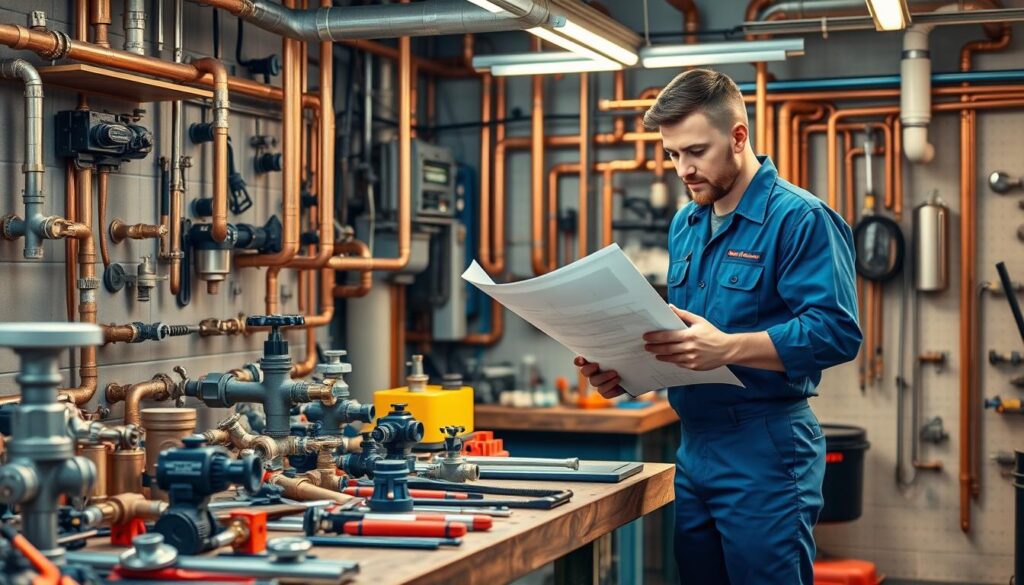
Plumbing is a key trade that keeps our places running well. Knowing if plumbing is blue collar helps people choose careers wisely. It also fights old ideas about trade jobs.
This guide will explore plumbing’s place in the job world. We’ll look at its importance, chances, and the great opportunities it offers.
Key Takeaways
- Plumbing is traditionally considered a blue-collar trade
- Modern plumbing requires advanced technical skills
- Significant income is possible in skilled trades
- Career paths go beyond what’s expected
- Technology is changing plumbing work
Table of Contents
Understanding Blue Collar Work Classifications
Blue-collar work is a key part of the US workforce. It powers many important industries. These jobs need special skills and hands-on knowledge.
Blue-collar careers have changed a lot in recent years. What was once simple labor now needs advanced technical skills and training.
Traditional Blue Collar Definitions
Older blue-collar jobs were known for:
- Being very physical
- Getting paid by the hour
- Working in places like construction sites and factories
Modern Interpretations of Trade Work
Today, skilled trade jobs require a lot of technical knowledge. Workers often go through long apprenticeships and get many certifications.
| Career Category | Skill Level | Training Requirements |
|---|---|---|
| Plumbing | High Technical | 4-5 Year Apprenticeship |
| Electrical Work | Advanced Technical | State Licensing |
| HVAC Technician | Specialized Technical | Vocational Certification |
Skill-Based Career Categories
Now, blue-collar work is classified based on:
- Technical skills
- Specialized knowledge
- Keeping up with professional growth
These changes show how complex and professional blue-collar trades have become in the 21st century.
Is Plumbing Blue Collar? The Definitive Answer
Plumbing is a blue-collar trade that needs special skills and technical knowledge. It’s a hands-on job that requires both physical effort and advanced skills.
The plumbing industry is a mix of manual skill and technical ability. Plumbers do hard work that’s more than just physical labor. They need:
- Advanced technical training
- Complex problem-solving abilities
- Specialized equipment mastery
- Precise mathematical calculations
Understanding plumbing as a blue-collar job means seeing the detailed skills involved. Modern blue-collar classifications show these jobs are not just about physical work. They also need expertise, technical knowledge, and critical thinking.
Professional plumbers spend a lot of time in apprenticeships, certifications, and learning. This makes the trade more than just manual labor. It shows that blue-collar jobs require both brain power and physical strength, breaking old stereotypes.
Plumbing is the top of skilled trade work – it combines technical knowledge, physical skill, and professional dedication.
The Evolution of Plumbing as a Skilled Trade
Plumbing has changed a lot from its early days to now. It’s a complex field that needs a lot of skill and knowledge. It’s not just about fixing pipes anymore.
Today, plumbers are experts who use old skills and new tech. They are trained to handle complex tasks. The American Plumber Stories documentary shows how plumbing has evolved.
Historical Development of Plumbing
Plumbing started with ancient civilizations. But it has changed a lot over time. Important changes include:
- Introduction of indoor plumbing in the 19th century
- Development of advanced water treatment systems
- Implementation of strict building codes
Technical Advancements in Modern Plumbing
Now, plumbers use advanced tech that needs special skills:
| Technology | Application |
|---|---|
| Digital Pipe Mapping | Precise infrastructure planning |
| Thermal Imaging | Leak detection and energy efficiency |
| Smart Water Systems | Advanced monitoring and conservation |
Professional Standards and Certifications
Vocational plumbing work needs a lot of training and certification. There are strict standards to ensure quality and safety.
Plumbers must go through detailed training, pass tough exams, and keep learning. This keeps them up to date in a fast-changing field.
Income and Career Growth in Plumbing

Plumbing is a rewarding career with great financial benefits. You can earn well without needing a pricey college degree. The plumber classification opens up many chances for growth and high pay.
Your earnings as a plumber depend on several things:
- Experience level
- Specialization
- Where you live
- If you own a business
New plumbers start with good pay, and more experienced ones make even more. Skills in commercial or industrial plumbing can really boost your income.
| Experience Level | Average Annual Earnings |
|---|---|
| Apprentice | $30,000 – $40,000 |
| Journeyman | $50,000 – $70,000 |
| Master Plumber | $70,000 – $100,000+ |
Starting your own plumbing business can increase your earnings. Owning a plumbing company offers unlimited income and a chance to build a lasting career.
The Bureau of Labor Statistics says plumbing jobs will grow 5% by 2030. This means steady job chances.
Being a professional plumber can lead to exciting career moves. Keep learning, get certifications, and specialize to reach your highest earning in this field.
Educational Requirements and Training Pathways
Plumbing is a dynamic blue collar career with many educational paths. Your journey into this skilled trade can take exciting paths. Each path is designed to build knowledge and practical skills.
Exploring plumbing opportunities reveals three main educational approaches:
- Apprenticeship Programs
- Vocational School Training
- Community College Certification
Apprenticeship Programs: Hands-On Learning
Apprenticeships are the traditional way into plumbing. These programs last 4-5 years. They mix:
- Classroom instruction
- Paid on-the-job training
- Mentorship from experienced professionals
Vocational Education Options
Technical schools offer specialized plumbing education. These programs focus on practical skills. They prepare you for your future career.
Continuing Education Requirements
Professional plumbers must keep learning. State licensing boards require ongoing education. This ensures you stay up-to-date with new technologies and safety standards.
Investing in your plumbing education opens doors to a stable, rewarding career with significant growth.
Technology’s Impact on Modern Plumbing Careers
The world of skilled trade jobs is changing fast with new technology. Plumbing, once seen as old-fashioned, now uses advanced digital tools. These tools change how plumbers work and serve their clients.
Smart technologies are making big changes in plumbing:
- Advanced diagnostic equipment finds problems quickly
- Digital scheduling and management software make running a business easier
- Thermal imaging cameras spot hidden water leaks with great accuracy
- GPS tracking helps plan the best routes for service
Today’s plumbers use digital ecosystems to work better. They use smartphone apps for quick communication, instant quotes, and detailed project records. This turns plumbing into a modern, professional service.
Knowing how to use technology is key in plumbing. Plumbers who use digital tools do better. They spend less time on paperwork and more on quality work.
“Technology is not replacing plumbers—it’s empowering them to work smarter, not harder.”
The plumbing career future relies on keeping up with technology. Those who learn new digital skills will lead the industry’s growth.
Breaking Stereotypes: The New Face of Plumbing
The plumbing industry is changing fast, thanks to Gen Z. Young professionals are shaking off old ideas and bringing new views to plumbing. They’re changing how we see plumbing jobs.
Digital tech is a big deal for plumbing careers. Social media lets young plumbers show off their skills and connect with clients in new ways. It’s a big change.
Gen Z’s Unique Approach to Plumbing Careers
- Embracing technology-driven skill development
- Leveraging social media for professional marketing
- Challenging traditional career perception
- Seeking meaningful and financially stable career paths
Digital Marketing Transforming the Industry
Young plumbers are using TikTok, Instagram, and YouTube to show off their skills. They make fun, engaging videos that show off their technical skills and creativity. It’s a new way to look at plumbing.
| Social Media Platform | Professional Impact |
|---|---|
| TikTok | Quick skill demonstrations |
| Portfolio showing | |
| YouTube | Detailed tutorial content |
Gen Z is making plumbing exciting again. They’re showing that plumbing jobs are more than just work. They’re tech-savvy careers with lots of room for growth and happiness.
Entrepreneurship Opportunities in Plumbing

Vocational plumbing work opens up exciting business opportunities for skilled professionals. It’s a chance to turn your technical skills into a thriving business. The plumbing trade offers many chances for ambitious plumbers to start their own ventures.
To start a plumbing business, you need more than just technical skills. You must also be good at managing a business. This is key to succeed in the competitive plumbing market.
- Create a detailed business plan
- Get the right state licenses
- Develop a strong marketing plan
- Build a reliable professional network
- Invest in top-notch tools and equipment
When starting your plumbing business, think about the money side. Knowing your startup costs and possible income is important. It helps you make smart choices.
| Business Aspect | Estimated Cost | Potential Annual Revenue |
|---|---|---|
| Initial Equipment | $5,000 – $15,000 | $75,000 – $120,000 |
| Marketing Expenses | $2,000 – $5,000 | More clients |
| Insurance/Licensing | $1,500 – $3,000 | Business safety |
Using digital marketing and having a strong online presence can help your business grow. Use social media and create a professional website. This will help attract clients and show off your skills.
Success in plumbing entrepreneurship comes from combining technical skills with smart business strategies.
Business Management and Customer Service Skills
Being a professional plumber is more than just fixing pipes. It’s about having a mix of technical skills and great business and people skills. You need to know how to manage your work and talk to customers well to succeed.
Starting a plumbing business is not easy. It’s not just about fixing pipes. You must be good at managing your clients and projects to do well in the long run.
Client Communication Strategies
- Develop clear and professional communication techniques
- Practice active listening to understand customer needs
- Use transparent pricing and detailed service explanations
- Create follow-up protocols for customer satisfaction
Project Management Essentials
Managing projects well is key for professional plumbers. You have to handle many parts of your business to keep things running smoothly.
| Skill Area | Key Competencies |
|---|---|
| Scheduling | Time management, appointment tracking, realistic timelines |
| Budgeting | Cost estimation, financial planning, resource allocation |
| Team Coordination | Communication, delegation, performance monitoring |
By improving your business skills, you can go from being a skilled plumber to a successful business owner. Keep learning and growing to stay on top in this fast-changing field.
Conclusion
The world of plumbing has changed a lot. Yes, plumbing is a blue-collar job. But it’s more than what people think. It offers great chances for those who want to learn and grow.
Exploring plumbing shows it’s a field full of possibilities. With an aging workforce and new tech, there’s a lot of room for growth. Young professionals can make a big impact by learning new skills and using modern tools.
Seeing plumbing as more than just a job is smart. It’s a field with chances for starting your own business or working with new technologies. Success comes from always learning, being flexible, and mastering both technical and business skills.
Thinking about your future? Plumbing is a stable job with good pay and a chance to make a difference. The industry needs people who are passionate, skilled, and ready for new challenges. Start building your rewarding career today.