
Affiliate Disclosure
Plumber Guide Guys is a participant in the Amazon Services LLC Associates Program, an affiliate advertising program designed to provide a means for sites to earn advertising fees by advertising and linking to Amazon.
How Much Does Plumbing Cost to Install? Did you know the average American homeowner spends $2,000 to $15,000 on plumbing? Plumbing systems are key to your home’s function and value.
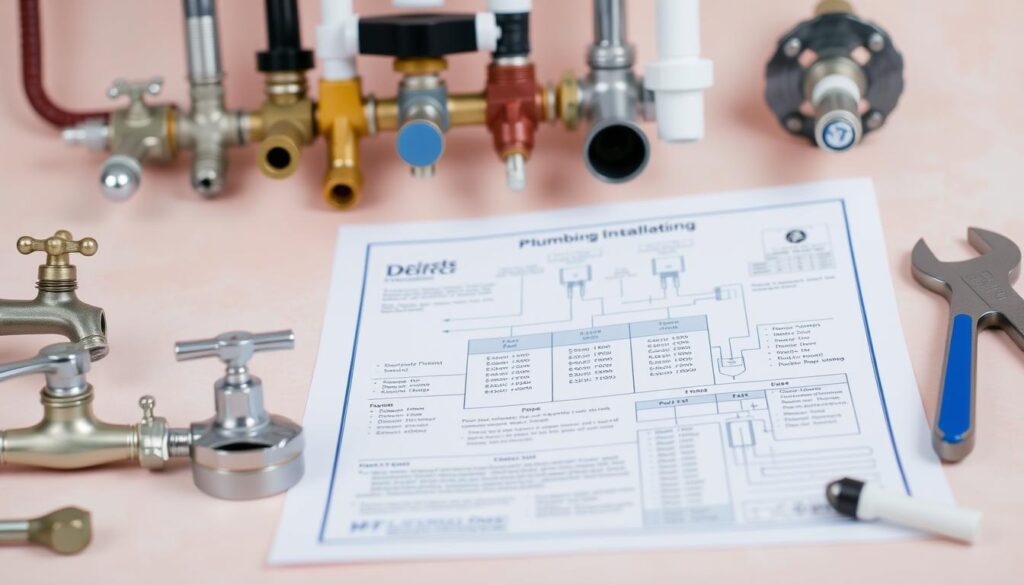
Figuring out plumbing costs involves many factors. These include your home’s size, how complex the job is, the materials used, and local labor rates.
This guide will cover everything about plumbing installation costs. It’s for those renovating or building a new home. You’ll learn about budgeting, planning, and making smart plumbing choices.
Key Takeaways
- Plumbing installation costs vary widely based on project scope
- Professional assessment is key for accurate budgeting
- Material selection greatly affects overall costs
- Location and local rules impact prices
- Good planning can lower unexpected costs
Understanding Plumbing Systems and Their Components
Your home’s plumbing system is a complex network. It delivers clean water and removes waste efficiently. Knowing how it works can help you manage costs.
Plumbing systems are key to a smooth-running home. They have three main parts:
- Supply Line Systems
- Drainage Systems
- Vent Systems
Water Supply Line Systems
Supply lines bring fresh water into your home. They connect your water source to sinks, showers, and appliances. The cost depends on the materials used, like:
- Copper pipes
- PEX (cross-linked polyethylene) tubing
- Galvanized steel pipes
Drainage Systems
Drainage systems take wastewater away from your home. They include pipes from sinks, toilets, and showers to the sewer line. The cost usually includes PVC or cast iron pipes.
Vent Systems
Vent systems are often overlooked but are vital. They keep air pressure right and prevent sewer gases. These pipes go through your roof, ensuring water flows well.
Pro tip: Knowing about these systems can help you make smart choices. This might save you money on plumbing projects later.
Types of Residential and Commercial Plumbing Installations
Plumbing jobs change a lot between homes and businesses. Knowing these differences helps you understand costs better. This is true for bathroom and kitchen plumbing projects.
Home plumbing deals with single and multi-family homes. It includes:
- Bathroom fixture replacements
- Kitchen sink and appliance connections
- Water heater installations
- Pipe repairs and replacements
Business plumbing is more complex. It needs special skills for big projects in:
- Office buildings
- Shopping centers
- Industrial facilities
- Healthcare institutions
Kitchen plumbing costs vary a lot between homes and businesses. Home projects might cost $1,000 to $5,000. Business projects can go up to $10,000 or more, depending on the job.
Big differences include pipe size, materials, and rules. Business plumbing must follow stricter rules. It also deals with more water and pressure than home systems.
Professional plumbers say to think about your project’s needs for accurate cost estimates.
When planning your plumbing job, think about your space’s needs. Talk to experts who know the differences between home and business plumbing.
How Much Does Plumbing Cost to Install: Complete Price Breakdown
Knowing the cost of plumbing installation is key for homeowners and property managers. Plumbing contractor rates can change a lot, affecting your budget. This detailed guide will help you understand the costs of plumbing installations.
Several important factors affect the cost of plumbing installation. The total cost includes different parts that can greatly change your final cost.
Labor Costs and Professional Fees
Plumbing labor is a big part of your budget. Plumbers usually charge between $45 and $200 an hour. This depends on:
- Plumber’s experience level
- Geographic location
- Project complexity
- Time of service (standard hours vs. emergency)
Material and Equipment Expenses
The cost of materials can change based on a few key things. The quality and type of fixtures are big factors in your costs.
| Material Type | Estimated Cost Range |
|---|---|
| PVC Pipes | $0.50 – $5 per linear foot |
| Copper Pipes | $2 – $10 per linear foot |
| Fixtures | $50 – $500 per item |
Permit and Inspection Costs
Many forget about permit and inspection costs when planning plumbing installations. These costs can be from $50 to $500. They depend on local rules and the project’s size.
Pro tip: Always check with your local building department to understand specific permit requirements for your plumbing project.
By looking at these costs, you can plan a better budget for your plumbing project. Look up local plumbing rates and get quotes from different contractors. This will help you make a smart choice.
Plumbing Installation Planning and Design Considerations
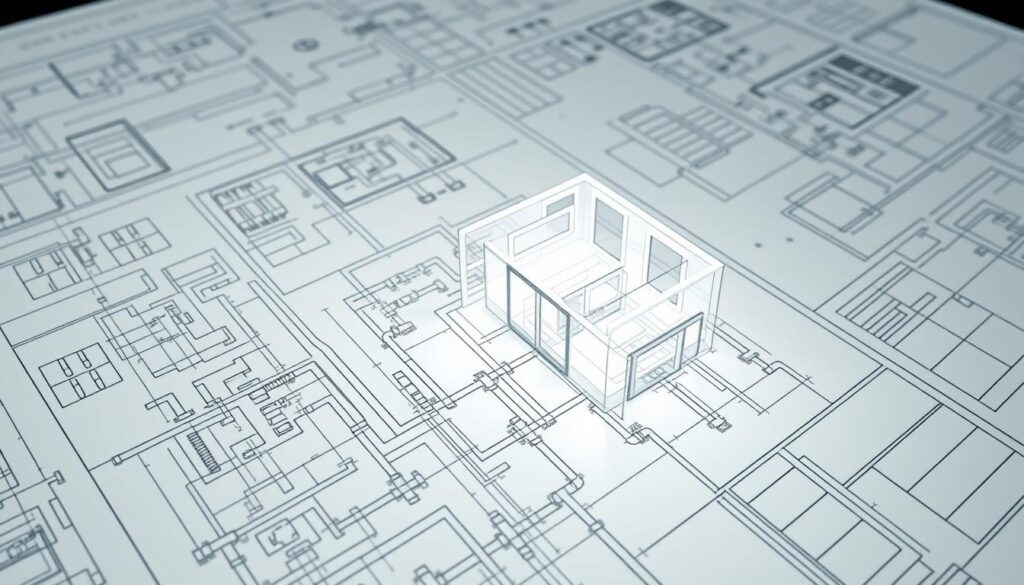
Creating an efficient plumbing system needs careful planning to keep costs down. The success of your project depends on a well-thought-out layout. This can greatly affect the final cost.
When planning a new plumbing system, remember these key strategies:
- Group wet areas like bathrooms and kitchens close together
- Minimize pipe length to reduce material and labor expenses
- Create strategic access panels for future maintenance
- Plan for possible future expansions or upgrades
Experts suggest a compact and efficient plumbing layout. By smartly placing fixtures and using good design, you can save a lot. This includes saving on installation and long-term maintenance costs.
Your design should focus on ease of access, function, and flexibility for the future. Good planning avoids expensive changes later. It keeps your plumbing system efficient for many years.
Essential Materials and Tools for Plumbing Installation
Getting plumbing right means picking the right stuff and using the right tools. Knowing the cost of pipes and plumbing systems is all about the gear and supplies you choose.
For a plumbing job, you need top-notch materials and tools. They make sure your plumbing works well and lasts a long time.
Pipe Materials for Different Applications
Choosing the right pipe material is key for your plumbing system’s price and success. Each material is best for different jobs:
- Copper Pipes: Great for water lines, durable but pricier
- PEX (Cross-linked Polyethylene): Flexible, cheap, and easy to set up
- PVC (Polyvinyl Chloride): Best for drainage and waste systems
- Galvanized Steel: For older homes, not the first choice for new installs
Essential Plumbing Tools
Pro plumbers use special tools to get the job done fast:
- Pipe cutters for exact cuts
- Adjustable wrenches
- Soldering gear
- Pipe threading machines
- Measuring tape and level
Safety Equipment and Supplies
Keeping safe while plumbing is a must. You need:
- Safety glasses
- Work gloves
- Protective shoes
- Respirator masks
Spending on good materials and tools might raise the upfront cost. But, it means a safer, more dependable plumbing system for years.
Professional vs DIY Plumbing Installation
Choosing between hiring a pro or doing it yourself for plumbing can be tough. Plumbing costs vary a lot. It’s key to know when to call a plumber to save money and avoid big problems.
Some plumbing jobs are easy for DIY experts. Others need special skills. Knowing the difference helps avoid costly errors and keeps your plumbing working right.
- DIY-Friendly Plumbing Tasks:
- Replacing faucet washers
- Unclogging simple drains
- Installing basic fixtures
- Professional-Only Plumbing Tasks:
- Main sewer line repairs
- Complex pipe installations
- Water heater replacements
At first, hiring a plumber might seem pricey. But, the long-term savings from avoiding damage can be worth it.
| Project Type | DIY Difficulty | Recommended Expertise |
|---|---|---|
| Fixture Replacement | Low | Homeowner |
| Pipe Rerouting | High | Professional |
| Leak Repair | Medium | Professional |
Your skills, tools, and the job’s complexity decide if you should DIY or hire a pro. Always choose safety and quality over saving money.
Building Codes and Regulations for Plumbing Installation
Understanding plumbing regulations is key for any plumbing project. Building codes are important. They make sure plumbing in new homes is safe and works well.
Knowing your local building codes is important. It affects your plumbing installation cost and project success. These rules protect homeowners and keep water safe and buildings strong.
Understanding Local Code Requirements
Local areas have their own plumbing codes. These rules cover:
- Pipe material specifications
- Installation techniques
- Minimum distance requirements
- Water pressure standards
Permit Processing Essentials
Getting the right permits is vital. The process includes:
- Submitting detailed project plans
- Paying required fees
- Waiting for municipal review
- Receiving official approval
Inspection Guidelines
Plumbing inspections check if your installation is safe and works right. Inspectors look at:
- Pipe connections
- Proper slope for drainage
- Material compliance
- Overall system functionality
Following local building codes carefully helps avoid mistakes. It ensures your plumbing system is safe and efficient in your new home.
Common Plumbing Installation Mistakes to Avoid
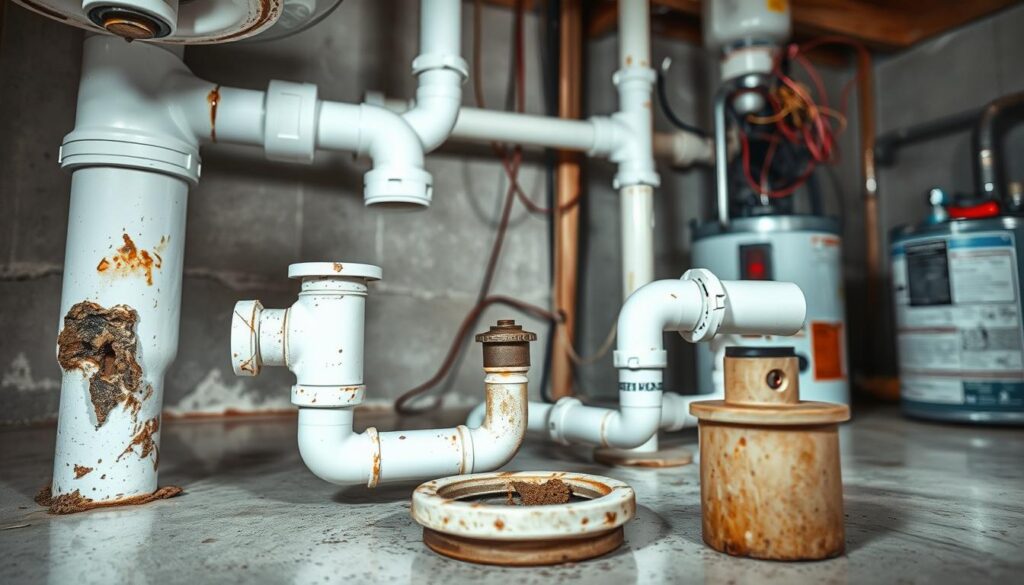
When you think about the cost of plumbing installation, knowing common mistakes can save you a lot. Professional plumbers often face errors that can harm your plumbing system’s performance and safety.
Some big mistakes can really up your plumbing costs over time. Knowing these mistakes helps homeowners make better choices during installations or renovations.
- Improper pipe sizing that restricts water flow
- Inadequate pipe support leading to possible structural damage
- Neglecting material expansion and contraction considerations
- Incorrect slope for drainage pipes
- Using mismatched pipe materials
Understanding these common errors can help avoid costly repairs. It ensures your plumbing system works well. Proper installation needs technical skill and careful planning.
| Mistake | Potential Consequences | Estimated Repair Cost |
|---|---|---|
| Incorrect Pipe Sizing | Reduced water pressure | $500 – $2,000 |
| Poor Pipe Support | Potential structural damage | $1,000 – $5,000 |
| Material Mismatch | Corrosion and leaks | $800 – $3,500 |
Working with certified professionals reduces risks in whole house plumbing replacement. They ensure the right techniques, materials, and long-term reliability.
Investing in quality installation prevents costly future repairs and keeps your home’s plumbing in good shape.
Maintenance and Care for New Plumbing Systems
Keeping your kitchen plumbing in good shape is key. Regular maintenance can save you from costly repairs. It also makes your plumbing last longer.
Your plumbing system needs regular care. Here are some important steps to keep your pipes and fixtures working well:
- Do monthly checks on exposed pipes
- Look for water leaks around fixtures
- Regularly clean drain stoppers and aerators
- Watch for changes in water pressure
- Flush drains with hot water to avoid clogs
Knowing the cost of plumbing helps you see the value of maintenance. Small steps can prevent big problems and save you money.
Here are some key maintenance tips:
- Check your water heater every year
- Test shut-off valves for easy use
- Watch for corrosion or mineral buildup
- Seal any leak points with the right caulk
Experts say get a full system check every two years. This keeps your plumbing running smoothly and catches problems early.
Preventative maintenance is the key to long-lasting, efficient plumbing systems.
Conclusion
Figuring out the cost of plumbing installation involves looking at several factors. The price of your plumbing system can change a lot. This depends on how complex the project is, the materials used, and the cost of local labor.
Getting professional help is key for a successful plumbing job. Even though it might cost more upfront, it saves you money in the long run. This is because it prevents costly repairs and water damage.
Keeping your plumbing system in good shape is the best way to save money. Regular checks, quick fixes, and knowing what your system needs can make it last longer. This way, you protect your investment and avoid future headaches.
Every plumbing job is different. Talking to licensed pros, getting different quotes, and staying up-to-date with new methods helps you make smart choices. By doing your homework and planning carefully, you can get a plumbing system that works well and fits your budget.