
Affiliate Disclosure
Plumber Guide Guys is a participant in the Amazon Services LLC Associates Program, an affiliate advertising program designed to provide a means for sites to earn advertising fees by advertising and linking to Amazon.
How Many Phases Are Plumbing Projects? Did you know that 78% of plumbing project failures come from bad phase management? Knowing how many phases plumbing projects have can really help your success rate. A good plumbing project timeline needs careful planning across several key stages.
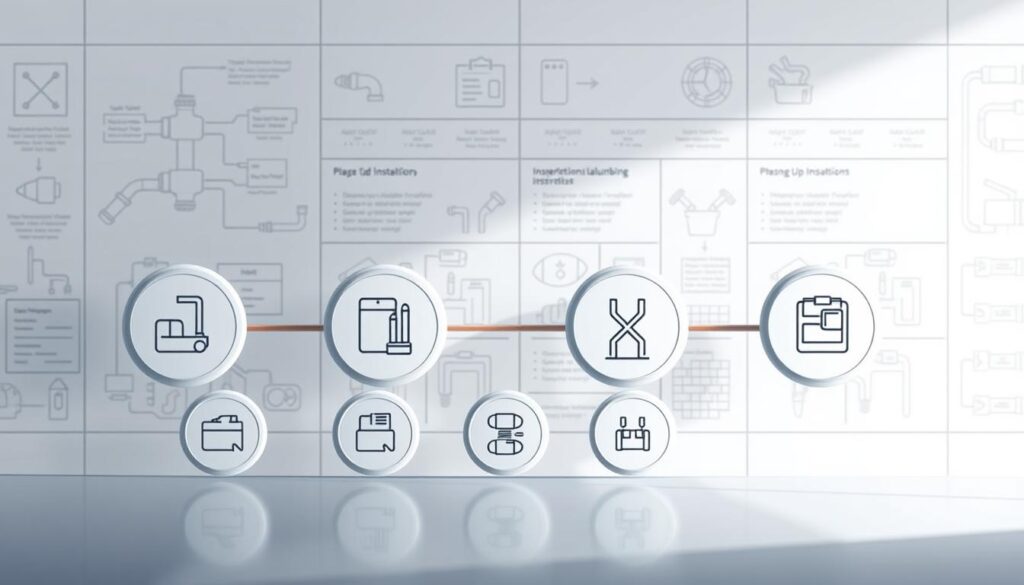
Professional plumbers say that plumbing jobs have three main phases: underground, above-ground (rough-in), and finishing. Each phase needs special skills, exact methods, and unique tools for the best results.
Getting your plumbing project right depends on handling these phases well. Whether it’s a home makeover or a big commercial build, knowing each phase’s details is key. It helps manage expectations, keeps costs down, and leads to top-notch results.
Key Takeaways
- Plumbing projects usually have three main phases
- Good phase management cuts down on problems
- Each phase needs special skills and tools
- Knowing the timeline helps avoid expensive errors
- Getting expert advice is vital for success
Table of Contents
Understanding the Core Phases of Plumbing Projects
Managing plumbing projects needs a strategic plan. It breaks down big installations into clear stages. Each stage is key to a successful plumbing system for homes or businesses.
Professional plumbers know that good projects need careful planning and execution. Plumbing systems are complex. They need a detailed approach to avoid problems.
The Importance of Proper Phase Planning
Good plumbing project management starts with careful planning. Your project’s success depends on understanding each stage’s connection:
- Detailed site assessment
- Comprehensive material selection
- Precise measurement and mapping
- Risk identification and mitigation
Impact on Project Timeline and Budget
| Project Phase | Time Allocation | Budget Impact |
|---|---|---|
| Underground Rough-In | 20-30% of total project | 35-45% of total budget |
| Above-Ground Installation | 40-50% of total project | 30-40% of total budget |
| Finishing Stage | 20-30% of total project | 15-25% of total budget |
Role of Professional Plumbers in Each Phase
Professional plumbers are vital in plumbing projects. Their skills ensure smooth transitions between phases. They keep quality high and avoid problems.
Knowing these core phases helps you plan your plumbing project confidently. You’ll see that each stage is well-planned and done by skilled professionals.
Phase One: Underground Rough-In Installation
The underground rough-in is the first and most important stage of plumbing in new homes. It lays the foundation for your plumbing system, right under your home’s base.
During this stage, skilled plumbers do several important tasks:
- They dig trenches for pipes.
- They install the drain, waste, and vent (DWV) system.
- They set up the water supply lines.
- They make sure drainage pipes are sloped and aligned right.
Soil type and terrain are key in this phase. Plumbers must check these to plan the plumbing layout well.
“Precision during the underground rough-in determines the long-term performance of your home’s entire plumbing system.” – Professional Plumbing Association
For a successful underground rough-in, consider these:
| Aspect | Key Requirements |
|---|---|
| Pipe Material | PVC, copper, or cross-linked polyethylene (PEX) |
| Depth | Minimum 12-18 inches below frost line |
| Slope | 1/4 inch per foot for proper drainage |
| Testing | Pressure and leak detection inspections |
Skilled plumbers use special tools for accurate measurements and correct pipe placement. This is a key part of your plumbing project.
How Many Phases Are Plumbing Projects Completed
Plumbing projects are complex and need careful planning. Knowing the typical phases helps homeowners and contractors. Professional plumbers divide these projects into three main stages for quality and precision.
Experts say plumbing projects are completed in a structured way. This approach helps avoid problems and works efficiently.
Underground Phase Requirements
The underground phase is the foundation of plumbing. Professionals focus on:
- Excavating precise areas for pipe placement
- Installing main water and drainage lines
- Ensuring proper slope and alignment
- Implementing protective measures against soil erosion
Above-Ground Installation Process
After the underground work, plumbers move to the above-ground phase. This includes:
- Connecting vertical pipe networks
- Installing fixtures and connection points
- Preparing for final connections
- Conducting initial pressure tests
Final Finishing Phase Details
The finishing phase is all about the details. Professionals will:
- Seal all connections
- Install final fixtures
- Conduct thorough system testing
- Ensure complete operational functionality
Understanding these phases shows the complexity and precision in plumbing work.
Phase Two: Above-Ground Rough-In Stage
The above-ground rough-in stage is a key part of plumbing installation. Here, experts turn underground work into a full piping system in the building.
Your plumbing team will work on several important tasks:
- Water supply line routing
- Waste and vent pipe placement
- Gas line connections
- Fixture rough-in preparation
It’s very important to place fixtures correctly. Plumbers need to plan each pipe’s path carefully. This ensures everything works well and doesn’t get in the way of other systems.
| Installation Component | Key Considerations | Typical Duration |
|---|---|---|
| Water Supply Lines | Material selection, pressure testing | 2-3 days |
| Waste Pipe System | Proper slope, venting requirements | 1-2 days |
| Gas Line Connections | Safety protocols, code compliance | 1 day |
It’s important for plumbers to work well with other trades. They need to coordinate with electricians, HVAC techs, and builders. This ensures everything works together smoothly.
“Precision in the above-ground rough-in stage sets the foundation for a reliable plumbing system.” – Professional Plumbing Association
Challenges in this stage include keeping pipes straight, avoiding leaks, and following local codes. Skilled plumbers use special tools and methods to ensure everything is installed right.
Essential Materials and Tools for Each Phase
When you start a plumbing renovation, picking the right materials and tools is key. Professional plumbers know each step needs specific gear for quality and lasting results.
Your plumbing project’s success depends on the right materials and tools. The right choice can greatly improve installation speed and long-term performance.
Underground Phase Equipment
For underground work, you need tools and materials that can handle soil and moisture:
- Pipe cutters for precise measurements
- PVC and copper pipes for reliable underground networks
- Waterproof sealants
- Trench-digging equipment
- Laser levels for accurate pipe alignment
Above-Ground Installation Tools
Above-ground plumbing needs different tools and methods than underground work:
- Pipe wrenches
- Thread sealant
- PEX tubing and connection tools
- Soldering equipment for metal pipes
- Pipe threading machines
Finishing Phase Materials
The final stage of your plumbing project needs precision and looks:
- Stainless steel fixtures
- Silicone caulk
- Pipe insulation
- Pressure testing equipment
- Final sealing compounds
Investing in top-notch materials and tools ensures a strong and reliable plumbing system. It will last for years to come.
Phase Three: The Finishing Stage
The finishing stage is the last and most important part of your plumbing project. It turns basic plumbing into a fully working system that fits your home’s needs.
In this stage, skilled plumbers work on several key tasks. They install bathroom and kitchen fixtures, connect appliances to drainage, set water temperatures, and test the system.
- Installing bathroom and kitchen fixtures
- Connecting appliances to drainage systems
- Setting precise water temperatures
- Performing final system testing
This is the last critical part of your plumbing project. Plumbers pay close attention to detail. They install toilets, sinks, showers, and connect appliances like dishwashers and washing machines.
| Finishing Stage Task | Estimated Time | Key Considerations |
|---|---|---|
| Fixture Installation | 2-4 hours | Proper alignment and secure mounting |
| Appliance Connections | 1-3 hours | Leak-free connections and drainage |
| System Testing | 1-2 hours | Comprehensive functionality check |
Getting the finishing stage right needs careful attention. Plumbers make sure all connections are tight, caulking is right, and water pressure is good. This ensures your plumbing works well and meets all building codes.
“The finishing stage transforms technical infrastructure into a reliable, functional home system.” – Professional Plumbing Association
Your plumbing project ends with a detailed final check. Experts make sure everything works right before saying it’s done.
Quality Control and Testing Throughout Phases
Quality control is key to a plumbing project’s success. It ensures your plumbing system works well. Plumbers test everything carefully to avoid future problems.
Important tests include:
- Pressure testing for pipe integrity
- Leak detection assessments
- Water flow and drainage evaluations
- Visual inspection of connections
- Compliance verification with local building codes
Each plumbing phase has its own quality checks. Underground stages need pressure tests to check pipe connections. Above-ground work requires leak checks and alignment checks.
Inspectors are vital for checking your plumbing’s quality. They use special tools and know-how to find issues early. This saves you money and ensures your plumbing works well.
“Effective quality control is the difference between a good plumbing project and a great one.” – Professional Plumbing Association
By focusing on quality testing, you protect your property. You also make sure your plumbing system works well for a long time.
Modern Technologies in Plumbing Installation
The plumbing renovation process has changed a lot with new technologies. Now, plumbing systems use smart tech to change how we handle water and our homes.
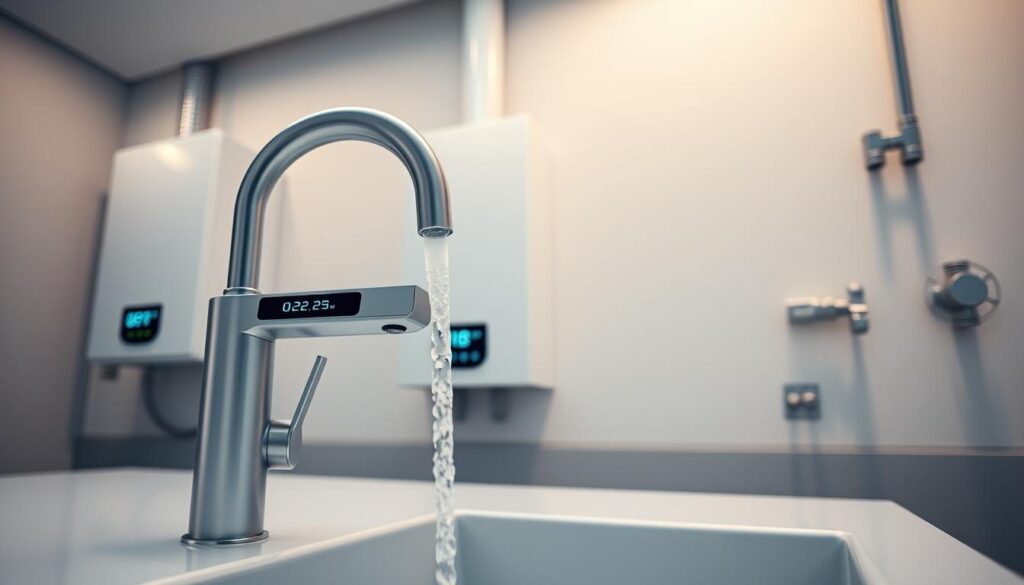
New plumbing tech brings better efficiency, sustainability, and home control.
Smart Plumbing Systems
Smart plumbing tech gives us control and monitoring like never before. These systems offer:
- Real-time water usage tracking
- Remote smartphone monitoring
- Automated leak detection alerts
- Energy consumption optimization
Water Conservation Features
New water-saving tech cuts down on waste and saves money. Key features include:
- Intelligent flow regulators
- Precision water usage sensors
- Automated water recycling systems
- Eco-friendly fixture designs
Leak Detection Technologies
Leak detection tech helps prevent water damage. It uses:
- Acoustic sensor networks
- Machine learning algorithms
- Wireless monitoring systems
- Instant notification capabilities
These modern techs make plumbing smarter, more efficient, and better for homeowners.
Common Challenges and Solutions in Each Phase
Managing commercial plumbing projects needs careful planning and quick problem-solving. Plumbers face many challenges that can affect project time and cost. Knowing these issues is key to managing plumbing projects well.
Ground conditions are a big challenge in underground work. Problems like unexpected soil, rocks, or water levels can make digging hard. To avoid these, detailed site checks are vital before starting.
- Underground Phase Challenges:
- Unpredictable soil conditions
- Potential utility line interference
- Water drainage complications
- Above-Ground Installation Obstacles:
- Coordination between multiple trade professionals
- Structural integration challenges
- Material compatibility issues
Good plumbing project management means finding smart solutions. Doing thorough checks before starting, keeping good communication, and having backup plans can help a lot.
Successful plumbing projects demand adaptability and thorough preparation across all installation phases.
Following local building codes is another big challenge. Codes vary, so you need to document everything carefully and know the rules well. Working with licensed pros who know the local rules helps avoid legal issues.
Conclusion
Knowing how many phases plumbing projects have is key for everyone. The three-phase method helps in doing complex plumbing jobs well. It breaks down the work into underground, above-ground, and finishing stages.
Each phase is vital for a strong plumbing system. The underground stage lays the groundwork. The above-ground stage adds important parts. The finishing stage ties everything together.
Professional plumbers use this method to avoid mistakes and ensure quality. This way, they meet both the needs of function and looks.
When you plan your plumbing project, knowing the phases helps a lot. It lets you talk better with experts, make smart choices, and maybe save money. The three-phase method is a guide to success, whether you’re updating your home or setting up a new plumbing system.
Understanding the plumbing timeline leads to better installations and lasting solutions. Spend time learning about these phases. You’ll be ready to handle any plumbing challenge confidently.