
Affiliate Disclosure
Plumber Guide Guys is a participant in the Amazon Services LLC Associates Program, an affiliate advertising program designed to provide a means for sites to earn advertising fees by advertising and linking to Amazon.
Do Hot Tubs Need Plumbing? Are you dreaming of turning your backyard into a relaxing oasis with a hot tub? But, you’re unsure about the installation requirements? Hot tubs are self-contained units, but knowing their plumbing and installation needs is key for a smooth setup.
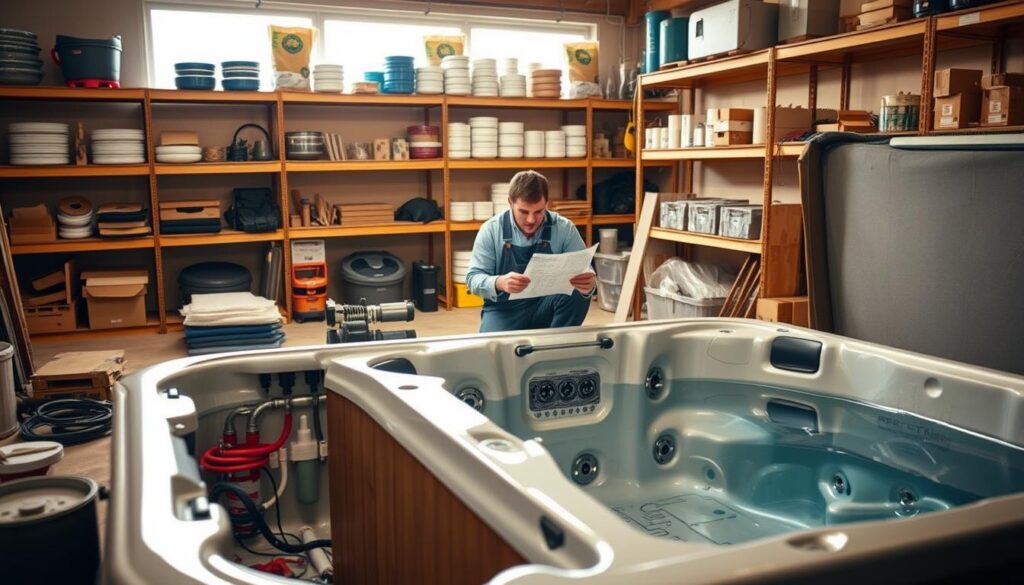
Installing a hot tub is more than just placing it in your yard. You need to consider water management, electrical setup, and local regulations. This guide will cover everything you need to know about hot tub plumbing and installation basics.
Whether you’re a first-time hot tub owner or upgrading, understanding the technical details is important. It can save you time, money, and avoid headaches later on.
Key Takeaways
- Hot tubs are mostly self-contained but require specific installation considerations
- Water supply and drainage are critical aspects of hot tub setup
- Local permits and zoning regulations must be carefully reviewed
- Electrical requirements are complex and often need professional installation
- Proper foundation and support are essential for long-term hot tub performance
Table of Contents
Understanding Hot Tub Installation Requirements
Setting up a hot tub means dealing with many rules, permits, and safety steps. You need to plan well to follow local laws and keep your hot tub safe for fun.
Before starting your hot tub project, it’s key to know the legal and safety rules. These can change based on where you live.
Building Permits and Regulations
Most places need special permits for outdoor and electrical work. Your hot tub setup will likely need:
- Electrical permit for circuit connections
- Construction permit for site preparation
- Potential zoning approval for placement
Local Zoning Requirements
Zoning laws can really affect where you can put your hot tub. Important things to think about include:
| Zoning Aspect | Typical Requirements |
|---|---|
| Setback Distances | Minimum 5-10 feet from property lines |
| Barrier Requirements | Self-closing gates, minimum 4-foot fence |
| Electrical Specifications | GFCI-protected dedicated circuit |
Safety Considerations
“Proper planning prevents possible dangers and makes sure your hot tub is safe.” – Home Safety Expert
Keeping your hot tub safe is the most important thing. Important safety steps include:
- Secure electrical connections
- Proper drainage systems
- Child-resistant barriers
- Non-slip surrounding surfaces
Always check with local authorities and a pro installer to make sure you meet all the rules for a safe hot tub setup.
Choosing the Perfect Location for Your Hot Tub
Choosing the right spot for your hot tub is important. It affects how well your jacuzzi plumbing system works and how much you enjoy it. Think about these things when picking a location.
Here are key factors to consider for your hot tub water hookup:
- Privacy considerations
- Weather protection
- Proximity to home entry points
- Accessibility for maintenance
- Electrical and water source connections
The best location is both practical and looks good. Strategic placement means easy access and a nice view. Look for spots that:
- Protect from wind
- Have level ground
- Are close to electricity
- Are not far from water sources
Make a special area that fits your yard design. Experts say to leave 3 feet around your hot tub for safety and upkeep.
Remember: Your hot tub’s location is key for fun and easy care.
Do Hot Tubs Need Plumbing? Essential Setup Guide
Setting up a hot tub requires planning for water supply and drainage. Hot tubs don’t need a lot of plumbing but do need specific solutions for water management. Knowing your hot tub electrical and plumbing setup is key for the best performance.
Hot tub owners have many options for water supply and drainage. Good planning makes installation smooth and ensures long enjoyment of your space.
Water Supply Options
When thinking about plumbing for hot tubs, you’ll find several easy water supply methods:
- Standard garden hose connection
- Dedicated water line installation
- Portable water filling techniques
Hot Tub Drainage Solutions
Good drainage solutions are vital for hot tub maintenance and water management:
| Drainage Method | Complexity | Cost |
|---|---|---|
| Submersible pump | Low | $100-$200 |
| Garden hose siphoning | Very Low | $0-$20 |
| Permanent drain line | High | $300-$500 |
Plumbing Connection Types
Most hot tubs use simple connections that don’t need a lot of plumbing. Flexible connections and standard fittings make it easy for homeowners to install.
Even though complex plumbing isn’t needed, getting professional advice can help you pick the best water supply and drainage solutions for your situation.
Foundation and Support Requirements
Creating a solid foundation is key for your hot tub installation. Your portable hot tub needs a stable, level base. This base must support the weight of water and people.
When planning your hot tub installation, you’ll need to consider several foundation options. These options ensure long-term durability and performance:
- Concrete pad
- Reinforced wooden deck
- Prefabricated spa pad
- Gravel base
Each foundation type has its own benefits for your portable hot tub setup. A concrete pad is the most stable and permanent solution. It distributes weight evenly and prevents structural issues.
| Foundation Type | Weight Capacity | Cost | Installation Difficulty |
|---|---|---|---|
| Concrete Pad | High | $$ | Moderate |
| Reinforced Deck | Medium | $ | Easy |
| Prefabricated Spa Pad | Low-Medium | $ | Very Easy |
Before installation, calculate your hot tub’s total weight. This includes water and users. A standard hot tub can weigh between 2,000 to 5,000 pounds when fully loaded. Proper foundation support is essential.
Professional tip: Always consult local building codes and consider professional assessment for complex installations.
Your chosen foundation must be level, stable, and support the entire weight. Improper support can cause structural damage, uneven water distribution, and safety risks.
Electrical Setup and Requirements
Setting up a hot tub needs careful electrical work. This is key for your jacuzzi plumbing system to work well and safely. Knowing what’s needed for a hot tub installation is important for a good setup.
Power Supply Specifications
Most home hot tubs need special electrical setup. You’ll need a 240-volt circuit with 50-amp service. This ensures your spa gets the right amount of electricity.
- 240-volt dedicated circuit
- 50-amp electrical service
- Professionally installed wiring
GFCI Protection Requirements
When working with electricity near water, safety is top priority. A Ground Fault Circuit Interrupter (GFCI) is mandatory for hot tubs. It stops electrical shock by cutting power if it finds a ground fault.
“Electrical safety isn’t an option—it’s a necessity in hot tub installations.” – Electrical Safety Foundation
Professional Installation Guidelines
While some might try DIY, hot tub installation needs a pro. A licensed electrician knows the rules and makes sure everything is safe.
| Installation Aspect | Professional Recommendation |
|---|---|
| Circuit Installation | Licensed Electrician |
| GFCI Protection | Mandatory Professional Setup |
| Permit Requirements | Local Code Compliance |
Choosing professional installation keeps your hot tub safe, working well, and under warranty.
Water Management and Filtration Systems
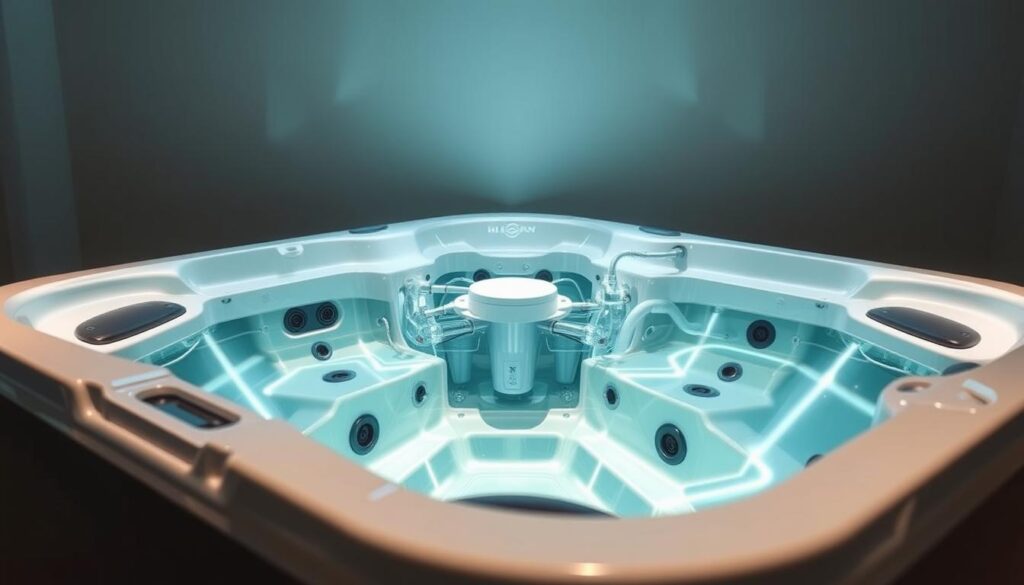
Keeping your hot tub water clear is key for a great experience. The plumbing system is important for this. It helps keep the water clean and safe by removing dirt and harmful stuff.
A good hot tub setup includes important parts for clean water:
- High-efficiency water filter
- Circulation pump
- Chemical treatment system
- Water testing mechanisms
Regular care is essential for your hot tub’s longevity. Experts say to check your water’s chemistry often. This includes pH levels, sanitizer levels, and alkalinity to avoid damage.
“Clean water is the foundation of a great hot tub experience” – Spa Maintenance Professionals
Here are some water care tips:
- Test water chemistry every week
- Clean or replace filters every 3-4 months
- Use quality chemical treatments
- Drain and refill your hot tub every 3-4 months
Spending time on water care will keep your hot tub a clean and relaxing spot for years.
Installation Process and Timeline
Setting up a portable hot tub needs careful planning. It involves several important steps for a smooth installation. From preparing the site to connecting the water, each step is vital for your backyard oasis.
Before starting, think about a few key factors. These will affect your inflatable spa’s water connections and overall setup.
Site Preparation Steps
Good site preparation is essential for a successful hot tub setup. Focus on these areas:
- Select a level surface with adequate drainage
- Ensure the area can support the hot tub’s weight
- Create a stable base using concrete, gravel, or reinforced decking
- Check proximity to electrical outlets and water sources
Delivery Considerations
When your hot tub arrives, be ready. Think about these delivery details:
- Measure access points and possible installation paths
- Clear a wide route for delivery professionals
- Protect surrounding landscaping during transport
- Have necessary tools and equipment ready
Setup Procedures
The final steps for your portable hot tub include water and electrical connections. Here’s a detailed guide:
| Installation Step | Key Requirements |
|---|---|
| Water Connection | Use approved hoses for inflatable spa water connections |
| Electrical Setup | Ensure GFCI-protected outlet within recommended distance |
| Initial Fill | Use clean water, follow manufacturer’s specific guidelines |
Pro tip: Always consult your specific hot tub manufacturer’s installation manual for precise instructions tailored to your model.
Cost Considerations and Budgeting
Planning a hot tub installation needs careful financial planning. The cost is more than just the hot tub’s price. Knowing what’s involved can help you plan your budget and avoid surprises.
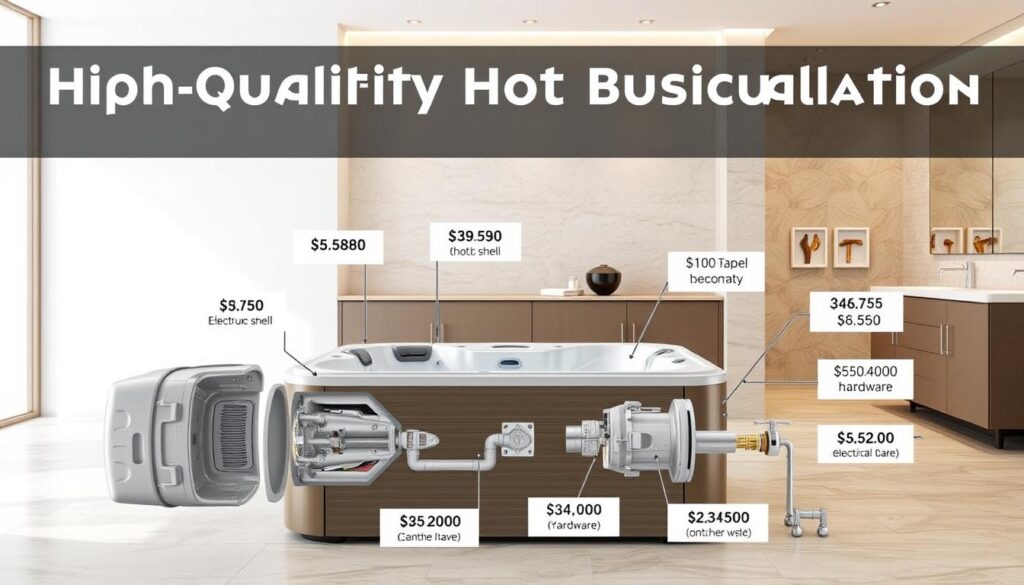
When thinking about if hot tubs need plumbing, remember to include several important costs:
- Hot Tub Purchase: $3,000 – $20,000
- Electrical Work: $500 – $1,500
- Site Preparation: $500 – $5,000
- Ongoing Maintenance: $500 – $1,200 annually
Your costs will vary based on location, hot tub type, and how complex the installation is. Getting a pro to install it ensures safety and follows local rules.
| Expense Category | Estimated Cost Range | Key Considerations |
|---|---|---|
| Equipment | $3,000 – $20,000 | Depends on size, features, brand |
| Electrical Setup | $500 – $1,500 | GFCI protection, dedicated circuit |
| Site Preparation | $500 – $5,000 | Concrete pad, landscaping, drainage |
Pro tip: Always get multiple quotes and check for rebates or financing to manage your costs.
Conclusion
Setting up a hot tub is more than just putting it outside. It’s important to know if your hot tub needs plumbing. While you might not need full plumbing, the right water supply and drainage are key.
Getting your hot tub installed right takes planning and expert help. You need to pick the best spot and make sure everything works right. Experts can guide you through all the steps, making sure your spa is safe and fun.
Keeping your hot tub in good shape is essential. Check the water, drainage, and electrical parts often. This guide will help you make a great backyard spa that lasts for years.
Learning about hot tub setup is worth it. Whether it’s your first time or you’re upgrading, knowing what to do makes all the difference. It ensures a great hot tub experience.