
Affiliate Disclosure
Plumber Guide Guys is a participant in the Amazon Services LLC Associates Program, an affiliate advertising program designed to provide a means for sites to earn advertising fees by advertising and linking to Amazon.
What Is The Element That Makes Plumbing Pipes? Ever thought about what makes plumbing pipes reliable? The world of plumbing is complex and fascinating. It’s more than just pipes delivering water to your home.
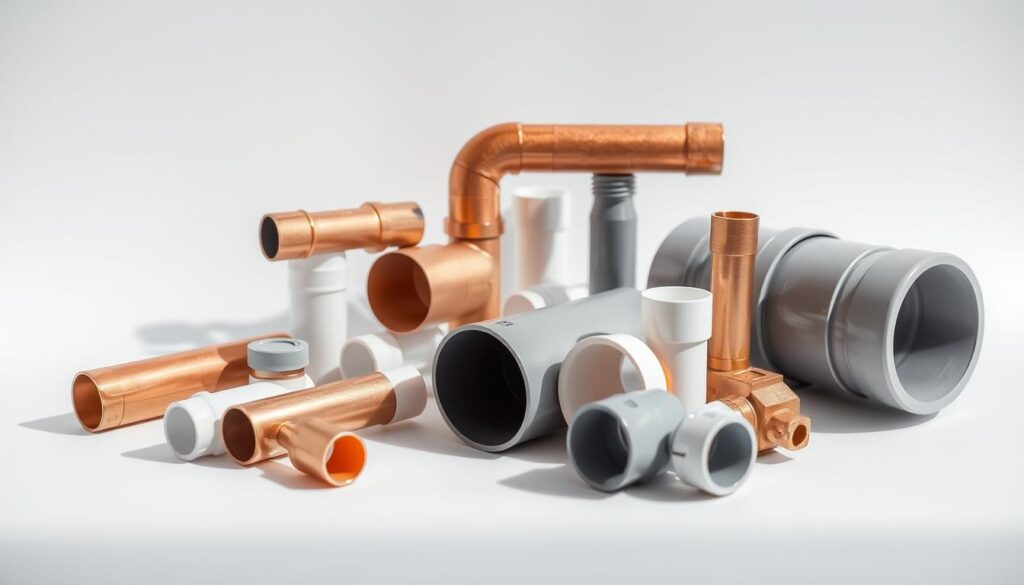
Plumbing technology has changed a lot. What makes today’s pipes durable and efficient? It’s a mix of materials designed for different needs.
From old clay pipes to new synthetic ones, plumbing has come a long way. Modern pipes can handle extreme temperatures and last a long time. They work well in homes and businesses.
Key Takeaways
- Plumbing pipe materials have dramatically evolved over centuries
- Modern pipes combine advanced chemical engineering with practical performance
- Material selection depends on specific environmental and usage requirements
- Technological advancements continue to improve plumbing pipe composition
- Understanding pipe materials helps make informed infrastructure decisions
Table of Contents
Evolution of Plumbing Pipe Materials Through History
The story of metal pipes for water supply goes back thousands of years. It shows how humans have always been innovating and improving. From ancient times to today, the materials used in plumbing have changed a lot.
Early human settlements showed great creativity in moving water. Archaeologists have found evidence of early water systems:
- Ancient Egyptians used copper pipes around 2150 B.C.
- Romans built complex water networks.
- Clay, wood, and lead were common in early plumbing.
Pioneering Pipe Materials in Ancient Times
The need to safely move water led to big tech breakthroughs. Lead in old plumbing was often used, even by the Romans. These early metal pipes were a big step forward for their time.
Technological Transitions in Pipe Manufacturing
The Industrial Revolution changed pipe making a lot. New materials were made that were stronger and safer. This was a key moment in learning about the health effects of plumbing materials.
Industrial Impact on Pipe Development
New technologies made it possible to mass-produce better pipes. Advances in metalworking led to stronger, safer pipes. These new pipes slowly replaced the old, less reliable ones.
What Is The Element That Makes Plumbing Pipes
Knowing what makes plumbing pipes is key for everyone. The type of pipe used depends on many things. This includes the job it needs to do, where it will be, and how long it should last.
Key elements in plumbing pipe composition include:
- Copper: Known for durability and corrosion resistance
- Polyvinyl Chloride (PVC): Lightweight and cost-effective
- Cross-linked Polyethylene (PEX): Flexible and easy to install
- Galvanized Steel: Traditional material with protective zinc coating
Choosing the right pipe material is important. Pipe size matters significantly. Most homes use pipes no bigger than 3/4 inch (19 mm). This is because bigger pipes can rust and get clogged with minerals.
The best pipe for you depends on a few things:
- Water pressure needs
- Local building codes
- How much you can spend
- The environment it will be in
- How long you want the pipes to last
Professional plumbers look at these factors to suggest the best pipe for you. Each material has its own benefits. These benefits can affect how well your water flows and how much you’ll spend on upkeep.
Copper: The Gold Standard of Modern Plumbing
Copper is the top pick for water pipes in homes and businesses. It has been a reliable choice for many years. Copper pipes are a solid option for today’s water needs.
Copper stands out among plumbing materials. It has unique qualities that make it better than other options. Copper pipes have proven their worth over decades in water systems.
Benefits of Copper Piping Systems
- Exceptional corrosion resistance
- Natural antimicrobial properties
- Ability to withstand high water temperatures
- Long-lasting durability
Durability and Longevity Factors
Your copper pipes can last 50-70 years. This is much longer than other materials. Copper’s strength helps it fight off mineral buildup and keep water clean for years.
Installation and Maintenance Requirements
Getting copper pipes installed by a pro is key. While they cost more upfront, they save money in the long run. They are a smart choice for anyone looking to invest in their plumbing.
Copper continues to be a premier choice for plumbing systems, balancing performance, durability, and water quality.
PVC and CPVC Pipe Components and Uses
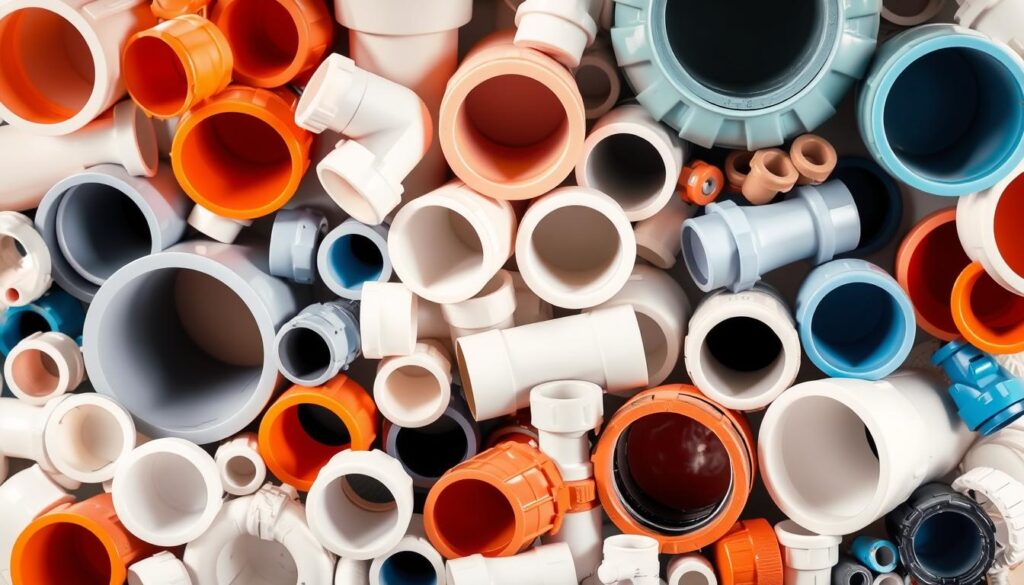
Choosing the right pvc pipe materials is key for your plumbing system. It’s important to know the difference between PVC and CPVC. These synthetic materials have changed plumbing with their special properties and uses.
Polyvinyl chloride (PVC) and chlorinated polyvinyl chloride (CPVC) are made for plumbing. They might look alike, but they’re not the same. Their chemical makeup gives them different abilities.
- PVC pipes are best for cold water
- CPVC materials handle both hot and cold water
- They differ in how well they handle heat
Choosing cpvc plumbing materials depends on your project’s needs. PVC can handle up to 140°F, but CPVC can go up to 200°F. This makes CPVC great for both home and business hot water systems.
| Material | Temperature Range | Primary Uses |
|---|---|---|
| PVC | Up to 140°F | Cold water, drainage, venting |
| CPVC | Up to 200°F | Hot and cold potable water |
PVC and CPVC pipes have big benefits over metal pipes. They’re light, don’t corrode, and save money. Your plumbing project’s needs will help decide between PVC and CPVC.
Cross-Linked Polyethylene (PEX) in Modern Plumbing
PEX tubing has changed the plumbing world with its new design and top-notch performance. It’s a modern choice for plumbing, better than old materials.
Understanding PEX Chemical Composition
PEX is a big step forward in plumbing. It’s made by linking molecules together, making it strong and flexible. This process gives PEX special qualities:
- It can handle high temperatures better.
- It’s very flexible.
- It lasts longer.
- It’s less likely to break.
Practical Applications and Advantages
PEX tubing is great for homes and businesses. Its special features make it perfect for different uses:
- It’s great for radiant floor heating.
- It’s perfect for carrying water.
- It works well in hydronic heating systems.
- It’s easy to use underground.
Advanced Installation Techniques
Setting up PEX pipes is easy. You can make sharp turns without extra parts. You can also run pipes all over a house with just one piece. Plumbers like it because it’s light and easy to handle, unlike metal pipes.
PEX represents the future of flexible, efficient plumbing solutions for modern construction projects.
Galvanized Steel Pipes: Traditional Choice
Galvanized steel pipes were once key in U.S. homes. They were a top choice for plumbing in the mid-20th century. Homeowners and contractors loved them for their benefits.
The secret of galvanized steel pipes is their zinc coating. This coating protects the steel from rust. They are often remembered as a classic plumbing choice.
- Exceptional durability compared to earlier pipe materials
- Affordable manufacturing process
- Strong resistance to external damage
- Ability to withstand high water pressure
But, galvanized steel pipes are no longer the go-to for plumbing today. The zinc coating can wear off, causing rust and water problems. Now, copper and PEX are more common.
If your home is old, it might have these pipes. They worked well for years. But, plumbers suggest replacing them for better water and system performance.
“Galvanized steel pipes represent an important chapter in the evolution of residential plumbing technology.” – Plumbing History Institute
Stainless Steel Plumbing Applications
Stainless steel is now a top pick for water supply pipes. It performs well in tough conditions. Its special mix makes it great for many uses.
Stainless steel is a standout in plumbing. It adds strength and lasts long in water systems.
Corrosion Resistance Properties
Stainless steel’s biggest plus is its strong resistance to corrosion. Its alloy mix protects against:
- Saltwater environments
- High-humidity areas
- Industrial chemical exposures
- Extreme temperature variations
“Stainless steel doesn’t just resist corrosion—it transforms how we think about long-term plumbing infrastructure.” – Plumbing Engineering Review
Ideal Usage Scenarios
Stainless steel pipes shine in specific areas that need top-notch performance. These include:
- Coastal residential water systems
- Chemical processing plants
- Marine infrastructure
- High-pressure industrial applications
While stainless steel pipes cost more, their long life and low upkeep often make them worth it.
Cast Iron Pipes in Modern Construction
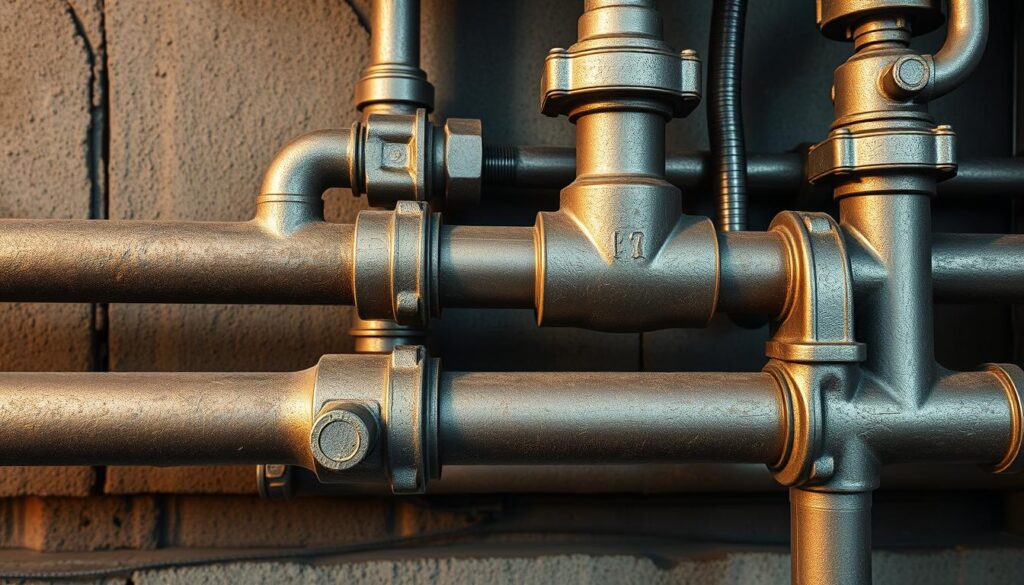
Cast iron is a key material in plumbing, used in drainage and big plumbing projects. Even with new tech, these strong pipes are vital in building today.
Cast iron’s makeup is special. It’s very strong and lasts long, perfect for certain jobs. Its weight also helps block out noise, unlike other pipes.
- Excellent durability in high-stress environments
- Superior noise reduction capabilities
- Proven performance in municipal and industrial drainage systems
But, cast iron pipes have their downsides. They’re heavy, making them hard to install. They also need special care to avoid rust. Experts must think about each project to choose the right pipes.
| Property | Cast Iron Performance |
|---|---|
| Strength | High structural integrity |
| Noise Reduction | Excellent sound dampening |
| Corrosion Resistance | Moderate with proper treatment |
| Weight | Heavy, requires specialized handling |
Today’s builders know cast iron’s worth in plumbing. Though not for every job, these pipes are essential where strength matters most.
High-Density Polyethylene (HDPE) Solutions
High-density polyethylene (HDPE) is a top choice for modern plumbing. It’s a game-changer for underground and outdoor pipes. Knowing about HDPE can really help you understand plumbing better.
HDPE has special qualities that make it stand out. It’s a better option than traditional materials for many uses. Its unique makeup offers benefits that others can’t match.
Chemical Structure Insights
The molecular structure of HDPE is what makes it special. Its polymer chain gives it amazing performance:
- High strength-to-density ratio
- Exceptional flexibility
- Superior chemical resistance
- Minimal environmental degradation
Environmental Sustainability
HDPE pipes are a green choice for plumbing. They’re good for the environment because they can be recycled and last a long time.
| HDPE Property | Performance Characteristic |
|---|---|
| Chemical Resistance | Withstands diverse chemical environments |
| Longevity | 50+ years operational lifespan |
| Recyclability | Up to 100% reusable material |
Choosing HDPE pipes means picking a strong, eco-friendly option. It meets both performance and sustainability needs.
Brass Fittings and Components in Plumbing Systems
Brass plumbing fittings are key in today’s water systems. They connect pipes and help water flow smoothly in homes and businesses. Knowing about brass fittings helps you choose the right plumbing materials.
Brass is great for plumbing because of its special mix of copper and zinc. This alloy is strong, doesn’t corrode easily, and works well in tough conditions.
- Exceptional durability against wear and tear
- High resistance to corrosion
- Easy to fabricate and shape
- Excellent thermal conductivity
New rules have made brass plumbing better. Now, brass fittings have less than 0.25 percent lead. This change helps keep water systems safe from lead.
| Brass Fitting Type | Primary Application | Key Characteristics |
|---|---|---|
| Compression Fittings | Water Supply Lines | Leak-resistant, versatile connections |
| Threaded Fittings | Pipe Connections | Easy installation, secure connections |
| Reduced Lead Brass | Potable Water Systems | Safe, compliant with modern regulations |
“Brass fittings represent the perfect balance between durability and functionality in modern plumbing systems.” – Plumbing Industry Expert
When picking brass plumbing fittings, think about your project’s needs. The right parts mean your water system will last long and need little upkeep.
Conclusion
Knowing what makes plumbing pipes work is key for homeowners and city planners. The type of pipe you choose affects how well it lasts, its cost, and how green it is. Each material has its own strengths for different needs.
Today, we have many types of pipes, from old favorites like copper and steel to new ones like PVC and PEX. When picking pipes, think about how long they last, if they can resist corrosion, how easy they are to install, and if they meet local rules. Getting advice from experts can help you choose the best for your home or business.
The future of pipes looks bright, with new research on better, greener options. New technologies aim to make pipes lighter, stronger against the elements, and cheaper. Keeping up with these advancements helps your plumbing stay strong and up-to-date.
Choosing the right pipe can save you money and trouble in the long run. Take the time to learn about different pipes and ask for advice. This way, you’ll pick the best one for your needs.