
Affiliate Disclosure
Plumber Guide Guys is a participant in the Amazon Services LLC Associates Program, an affiliate advertising program designed to provide a means for sites to earn advertising fees by advertising and linking to Amazon.
What Is Polybutylene Plumbing? Did you know nearly 10 million homes in the U.S. were built with polybutylene plumbing from 1978 to 1995? This pipe material was once seen as a breakthrough in home construction. But, it poses hidden risks that could harm your home’s structure.
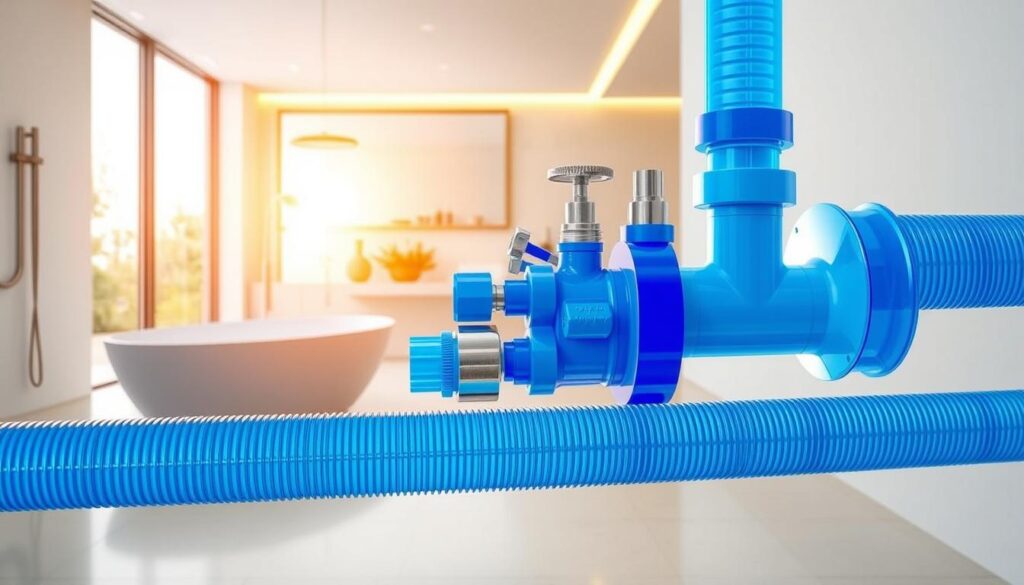
Polybutylene plumbing is a type of plastic piping system. It was designed to replace copper and metal pipes. It was cheaper and faster to install, making it popular for water distribution in homes.
If your home was built between the late 1970s and mid-1990s, knowing about polybutylene pipes is key. These pipes were used in many homes and mobile homes. They were thought to be durable and cost-effective.
Key Takeaways
- Polybutylene pipes were widely used from 1978 to 1995
- Approximately 10 million homes may have these pipes
- These pipes are no longer recommended for water systems
- Professional inspection is critical for identifying risks
- Replacement might be needed to avoid water damage
Table of Contents
What Is Polybutylene Plumbing
Polybutylene plumbing is a part of home water system history. It was used in homes from the late 1970s to the mid-1990s. It was an alternative to copper and galvanized steel pipes. Knowing about polybutylene plumbing helps homeowners spot problems in their water systems.
Understanding the Basic Components
Polybutylene pipe systems have unique parts. These include:
- Flexible plastic pipes made from polybutylene resin
- Specialized plastic and metal connectors
- Unique joining mechanisms using compression fittings
Types of Polybutylene Pipes
Identifying polybutylene pipes involves looking at their characteristics. They come in various sizes and colors. Each size and color meets different plumbing needs in homes.
| Pipe Size | Common Color | Typical Application |
|---|---|---|
| ½ inch | Gray | Interior water lines |
| ¾ inch | Black | Main water supply |
| 1 inch | Blue | High-volume water connections |
Common Installation Locations
Polybutylene pipes are found in key areas of homes:
- Underground water service lines
- Interior wall spaces
- Beneath concrete slabs
- Connected to water heaters and major appliances
Pro Tip: When identifying polybutylene pipes, look for gray, black, or blue plastic pipes. They have smooth surfaces and use compression-style fittings.
The History and Evolution of PB Pipes
In the late 1970s, polybutylene piping was introduced as a new plumbing option. It was seen as a cheaper and easier alternative to copper pipes. People were drawn to its flexibility and simple installation.
At first, polybutylene pipes seemed like a great choice. Builders and homeowners liked them for several reasons:
- They were cheaper than copper
- Lightweight and easy to handle
- Resisted freezing and corrosion well
- Installation was quick
In the 1980s and early 1990s, these pipes became very popular. About 10 million homes were fitted with them. It seemed like a smart plumbing choice at the time.
“Polybutylene was considered the pipe of the future, promising to transform residential plumbing infrastructure.” – Plumbing Industry Retrospective
But, polybutylene pipes had big problems. They reacted badly with water treatment chemicals and the environment. By the mid-1990s, the company faced legal issues and stopped making them.
| Decade | Polybutylene Pipe Status | Key Developments |
|---|---|---|
| 1970s | Initial Development | First introduced as innovative plumbing material |
| 1980s | Peak Popularity | Widespread residential installation |
| 1990s | Decline | Legal challenges and production halt |
Knowing the history of polybutylene pipes helps homeowners understand the risks. It helps them make smart choices about replacing their plumbing.
Physical Characteristics and Properties
Knowing the physical traits of polybutylene pipes is key for spotting them. These pipes have special features that make them stand out from others.
Material Composition
Polybutylene pipes are made from a special plastic. They have:
- A partially crystalline thermoplastic structure
- Flexible and lightweight design
- Resistance to corrosion and mineral buildup
Pipe Dimensions and Sizes
Polybutylene pipes come in certain sizes:
| Pipe Type | Typical Diameter | Common Applications |
|---|---|---|
| Residential Plumbing | 1/2 inch to 1 inch | Water supply lines |
| Commercial Systems | 1 inch to 2 inches | Large water distribution |
Color Coding and Markings
Identifying polybutylene pipes is easier with specific markings. Look for:
- PB2110 stamp on the pipe
- Color codes for water types:
- Blue: Cold water lines
- Gray: Main water supply
- White: Hot water connections
These traits help us understand polybutylene pipes better. They aid in identifying these unique plumbing parts.
How to Identify Polybutylene Pipes in Your Home
Knowing how to spot polybutylene pipes is key for homeowners worried about plumbing problems. It’s about recognizing their unique look and where they are in your home.
Spotting polybutylene pipes needs a close look at certain spots. These pipes have special signs that make them stand out from others.
- Look for pipes in gray, blue, or black colors
- Check near water heaters, crawl spaces, and interior walls
- Examine pipe markings for “PB” followed by numbers
To find polybutylene pipes, look for these signs:
| Characteristic | Description |
|---|---|
| Color | Gray, blue, or black |
| Markings | “PB” with numeric code |
| Texture | Smooth plastic surface |
When checking for polybutylene pipes, focus on areas prone to issues. Look at connections near sinks, toilets, and water heaters. You might find them in unfinished basements or behind panels.
Pro Tip: When in doubt, consult a professional plumber for definitive identification.
Remember, catching these pipes early can save you from water damage and expensive fixes.
Common Problems and Failure Mechanisms
Polybutylene pipes can be a big risk for homeowners. They have several failure mechanisms that can harm your plumbing system. Knowing about these dangers is key to avoiding water damage and costly repairs.
Polybutylene pipe failure happens through several key ways. These ways slowly weaken the pipe. This can turn your home’s plumbing into a disaster waiting to happen.
Chemical Degradation Risks
The main danger to polybutylene pipes is chemical reactions. Chlorine and other oxidizing agents in water break down the pipe’s structure. This causes:
- Microscopic cracking
- Reduced pipe elasticity
- Progressive material weakening
Environmental Stress Factors
External conditions make polybutylene pipes worse. Temperature changes and UV exposure create stress points. This weakens the pipe’s performance.
| Environmental Factor | Impact on Pipes |
|---|---|
| Temperature Changes | Causes expansion and contraction |
| UV Radiation | Degrades polymer structure |
| Water Pressure | Creates internal stress points |
Installation-Related Vulnerabilities
Bad installation increases the risks of polybutylene pipes. Wrong connections, poor supports, and bad joint prep can lead to failure.
“The weakest link in your plumbing system can become a catastrophic failure point.” – Plumbing Expert
Keeping your home safe means understanding these failure mechanisms. Regular checks by professionals can spot problems early. This helps avoid expensive water damage.
Understanding the Risks and Dangers
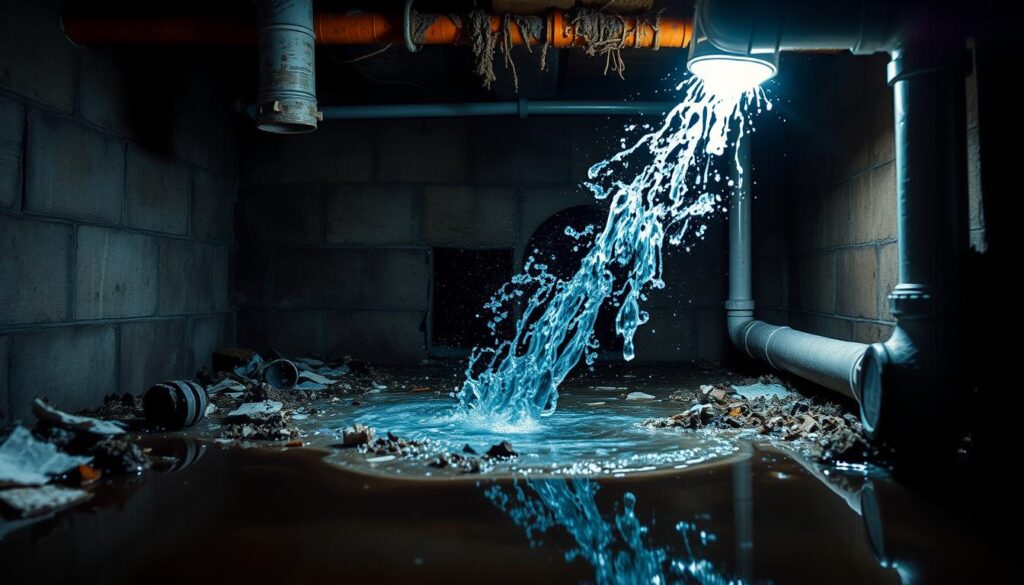
Polybutylene pipes can cause a lot of trouble for homeowners. They can lead to expensive and extensive damage. These pipes can even threaten the safety and value of your home.
The main risks of these pipes include:
- Sudden and unpredictable pipe ruptures
- Extensive water damage to walls, floors, and personal property
- Potential mold growth from hidden water leaks
- Significant repair and replacement expenses
Water damage from these pipe failures can cost thousands of dollars. Homeowners may face catastrophic financial consequences if these pipes are not proactively addressed. Insurance companies might see homes with these pipes as high-risk. This can lead to higher premiums or trouble getting coverage.
The risks grow as these pipes get older. Chemical reactions between the pipe and water treatment chemicals cause them to deteriorate. This happens slowly, so you might not notice a problem until it’s too late.
Signs that you need a professional inspection right away include:
- Visible flaking or scaling on pipes
- Unexplained moisture around pipe connections
- Decreased water pressure
- Recurring leaks or pipe breaks
Proactive replacement is often the most cost-effective strategy for managing the dangers of polybutylene pipes.
Class Action Lawsuits and Legal History
The polybutylene plumbing class action lawsuit was a big deal for consumer rights. It showed how bad pipes affected many homeowners in the U.S.
The Cox v. Shell Oil Case: A Turning Point
The Cox v. Shell Oil lawsuit was a major challenge. It brought to light big problems with polybutylene pipes. Key points of this case were:
- Allegations of systematic manufacturing defects
- Claims of possible water damage and infrastructure failures
- Substantial evidence of pipe material degradation
Settlement Terms and Eligibility
The lawsuit led to a big settlement for homeowners. To qualify, you needed:
- A home with polybutylene piping installed between 1978-1995
- Proof of pipe-related damage
- Proof of original installation during that time
Current Legal Status
Even though the settlement is over, homes with polybutylene pipes are at risk. It’s important to talk to lawyers and check your home for safety.
The polybutylene plumbing class action lawsuit shows how key product accountability and consumer protection are.
Replacement Options and Solutions
Homeowners face a big choice when dealing with polybutylene pipes. The debate between polybutylene and PEX is key as plumbing tech gets better. Experts say looking into better options is smart
You have a few main choices:
- PEX (Cross-linked Polyethylene) Tubing
- Highly flexible
- Resistant to corrosion
- Lower installation costs
- Copper Piping
- Long-lasting material
- Traditional reliability
- Excellent heat conductivity
PEX tubing is a top pick in the polybutylene vs PEX debate. It’s great at handling temperature changes. It also resists chemical damage and is easy to bend during setup.
“Replacing polybutylene pipes is not just a repair—it’s an investment in your home’s infrastructure.”
Before you start, talk to a licensed plumber. They can figure out what you need. They’ll guide you to the best material and ensure it’s installed right, keeping your home safe.
Cost Analysis: Repair vs. Replacement
Dealing with polybutylene plumbing can be a big financial challenge for homeowners. It’s important to know the cost of replacing polybutylene pipes to make smart choices for your home’s plumbing.
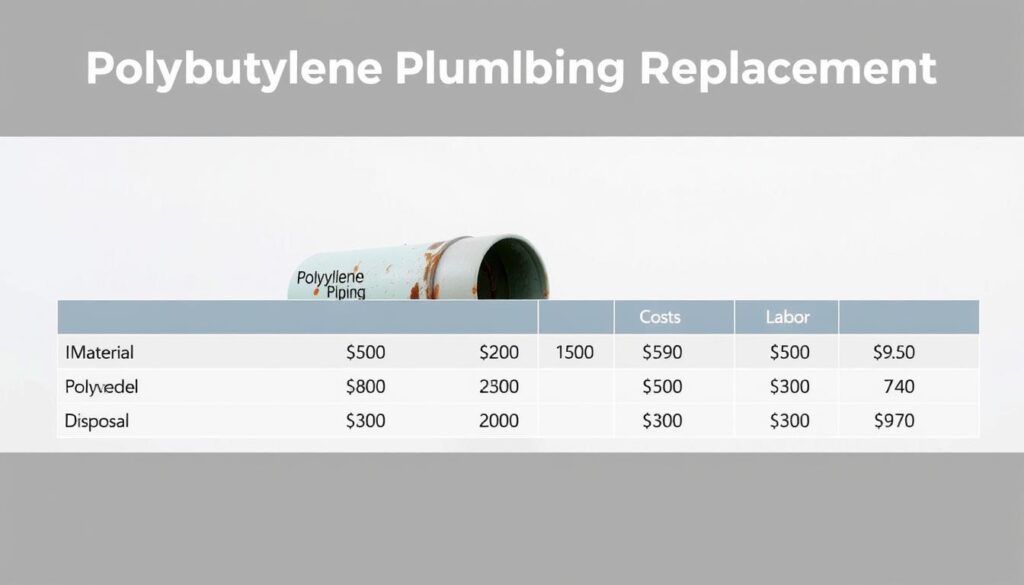
The cost to fix polybutylene pipes varies a lot. Replacement costs can range from $3,000 to $25,000. This depends on several important factors.
Average Replacement Expenses
Here’s what homeowners usually pay for replacing polybutylene pipes:
- Small homes (1-2 bathrooms): $3,000 – $7,500
- Medium homes (3-4 bathrooms): $7,500 – $15,000
- Large homes (5+ bathrooms): $15,000 – $25,000
Price Influencing Factors
Several key elements affect the cost of replacing polybutylene pipes:
- Home size
- Complexity of the plumbing system
- Local labor rates
- How easy it is to access the pipes
- Cost of materials for new pipes
| Cost Factor | Potential Impact on Price |
|---|---|
| Home Size | Directly affects the total cost |
| Pipe Accessibility | Can raise labor costs by 20-40% |
| Material Selection | Varies from $0.50 to $2 per linear foot |
Insurance Considerations
Replacing pipes early can lower your home insurance costs. Insurers often see polybutylene pipes as risky. This might lead to higher rates or coverage issues.
Choosing to replace pipes now can save a lot of money from future water damage.
Even though replacing polybutylene pipes costs a lot upfront, it’s a vital investment. It helps protect your home’s long-term value and structure.
Impact on Property Value and Real Estate
Polybutylene piping can really hurt your home’s appeal and value. Buyers often see these pipes as a major issue. This can make them less interested in your property. The lifespan of polybutylene pipes is shorter than newer materials, causing worries for home sales.
When you sell a home with polybutylene pipes, you face several problems:
- Less interest from buyers because of pipe reliability issues
- Need to replace pipes before selling
- Lower appraisals
- Tougher negotiations
Real estate experts usually suggest fixing polybutylene pipes before listing your home. Taking action early can prevent a drop in value. Replacing these pipes might cost a lot, but it can boost your home’s appeal and price.
Home inspectors often point out polybutylene pipes during inspections. This can make selling harder, possibly requiring you to replace pipes or lower the price.
Fixing polybutylene pipes is more than just upkeep—it’s about keeping your property’s value up.
Replacing pipes wisely can turn a negative into a positive. It shows buyers you’ve cared for your home’s important systems.
Professional Inspection and Assessment
Dealing with polybutylene pipes requires a professional inspection. It’s hard for homeowners to spot these pipes. That’s why getting an expert’s opinion is the best way to go.
A skilled plumber will check your pipes thoroughly. They use special methods to see if your pipes are in good shape. They can also spot any dangers.
- Visual examination of exposed piping
- Pressure testing to check pipe integrity
- Detailed documentation of pipe condition
- Assessment of possible replacement needs
Looking for a pro to check your pipes? Here’s what to look for:
- Certification from known plumbing groups
- Experience with polybutylene pipes
- Good reviews and references
- Complete reports on the inspection
Inspections usually cost between $250 and $500, based on your home’s size and layout. It might seem pricey, but it can save you a lot in the long run.
Spotting problems early can stop big water damage. It also keeps your home safe and sound.
Conclusion
Knowing about polybutylene plumbing is key for homeowners. It helps protect their homes and ensures safe water systems. These pipes were once common but now pose a big risk to many homes in the U.S.
They can cause unexpected water damage, expensive repairs, and serious structural problems. Your proactive steps are important when facing these pipes. Getting a professional inspection is the best way to find and check how bad the pipes are.
Replacing them might seem costly, but it saves you from big water damage and keeps your home’s value up. Experts say to have licensed plumbers check your pipes. They know the risks of these old pipes.
Fixing polybutylene plumbing needs careful thought and planning. Knowing about these pipes’ history, limits, and failure risks helps you make smart choices. Choosing modern, reliable pipes gives you peace of mind and protects your home.
Stay alert and take care of your home’s plumbing. With the right knowledge and quick action, you can avoid big financial and structural problems from these old pipes.
FAQ
What exactly is polybutylene plumbing?
How can I identify polybutylene pipes in my home?
Why are polybutylene pipes considered problematic?
What are the typical replacement options for polybutylene pipes?
How much does it cost to replace polybutylene plumbing?
Was there a lawsuit related to polybutylene pipes?
What exactly is polybutylene plumbing?
How can I identify polybutylene pipes in my home?
Why are polybutylene pipes considered problematic?
What are the typical replacement options for polybutylene pipes?
How much does it cost to replace polybutylene plumbing?
Was there a lawsuit related to polybutylene pipes?
FAQ
What exactly is polybutylene plumbing?
Polybutylene (PB) plumbing is a type of plastic piping system. It was used in homes from the late 1970s to the mid-1990s. It was seen as a cheaper, flexible alternative to copper pipes.
How can I identify polybutylene pipes in my home?
Look for gray, white, or blue flexible plastic pipes. They are often near water heaters, under sinks, or in crawl spaces. These pipes have “PB” on them and are flexible and colored differently than other pipes.
Why are polybutylene pipes considered problematic?
Polybutylene pipes can fail early because of water treatment chemicals like chlorine. They can become brittle and break suddenly. This can cause a lot of water damage to your home.
What are the typical replacement options for polybutylene pipes?
You can replace them with PEX, copper, or CPVC pipes. These are more durable and don’t break down as easily. They also meet today’s building codes for plumbing.
How much does it cost to replace polybutylene plumbing?
The cost is between ,000 and ,000. It depends on your home’s size, fixtures, and where you live. Replacing them all can be pricey but saves you from future damage and repair costs.
Was there a lawsuit related to polybutylene pipes?
Yes, a big lawsuit, Cox v. Shell Oil, got a
FAQ
What exactly is polybutylene plumbing?
Polybutylene (PB) plumbing is a type of plastic piping system. It was used in homes from the late 1970s to the mid-1990s. It was seen as a cheaper, flexible alternative to copper pipes.
How can I identify polybutylene pipes in my home?
Look for gray, white, or blue flexible plastic pipes. They are often near water heaters, under sinks, or in crawl spaces. These pipes have “PB” on them and are flexible and colored differently than other pipes.
Why are polybutylene pipes considered problematic?
Polybutylene pipes can fail early because of water treatment chemicals like chlorine. They can become brittle and break suddenly. This can cause a lot of water damage to your home.
What are the typical replacement options for polybutylene pipes?
You can replace them with PEX, copper, or CPVC pipes. These are more durable and don’t break down as easily. They also meet today’s building codes for plumbing.
How much does it cost to replace polybutylene plumbing?
The cost is between $2,000 and $15,000. It depends on your home’s size, fixtures, and where you live. Replacing them all can be pricey but saves you from future damage and repair costs.
Was there a lawsuit related to polybutylene pipes?
Yes, a big lawsuit, Cox v. Shell Oil, got a $1 billion settlement. It helped homeowners with bad pipes get their pipes replaced and damages fixed.
How long do polybutylene pipes typically last?
They were supposed to last 25-30 years but often fail in 10-15 years. Water chemistry, how they were installed, and the environment can make them fail faster.
Can polybutylene pipes affect my home’s value?
Yes, they can make your home harder to sell. Buyers and insurance companies see them as a risk. This can lower your home’s value and make it hard to get insurance.
How do I know if I need to replace my polybutylene pipes?
You need a professional to check. Look for leaks, low water pressure, pipe discoloration, and corrosion. A plumber can tell you if you need to replace them.
Are there any preventive measures for polybutylene pipes?
Unfortunately, there’s nothing reliable to prevent them from failing. Because of their chemical weaknesses, replacing them is usually the best option to avoid damage and expensive repairs.
billion settlement. It helped homeowners with bad pipes get their pipes replaced and damages fixed.
How long do polybutylene pipes typically last?
They were supposed to last 25-30 years but often fail in 10-15 years. Water chemistry, how they were installed, and the environment can make them fail faster.
Can polybutylene pipes affect my home’s value?
Yes, they can make your home harder to sell. Buyers and insurance companies see them as a risk. This can lower your home’s value and make it hard to get insurance.
How do I know if I need to replace my polybutylene pipes?
You need a professional to check. Look for leaks, low water pressure, pipe discoloration, and corrosion. A plumber can tell you if you need to replace them.
Are there any preventive measures for polybutylene pipes?
Unfortunately, there’s nothing reliable to prevent them from failing. Because of their chemical weaknesses, replacing them is usually the best option to avoid damage and expensive repairs.