

Affiliate Disclosure
Plumber Guide Guys is a participant in the Amazon Services LLC Associates Program, an affiliate advertising program designed to provide a means for sites to earn advertising fees by advertising and linking to Amazon.
What is a Nipple in Plumbing? Ever thought about how plumbing systems connect their parts so well? A small but key part called a plumbing nipple is at the center of these connections. It’s vital for keeping water flowing and systems working right.
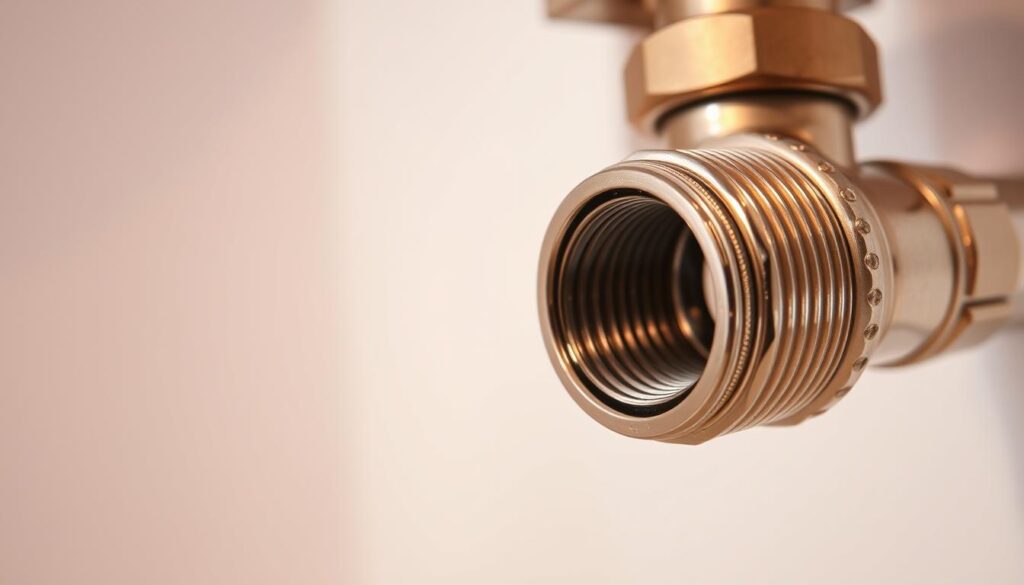
A plumbing nipple is a short pipe with male threads on both ends. It’s a key connector in plumbing. Its job is to link different fittings together, making sure your water systems run smoothly.
Knowing about plumbing nipples shows the detailed work in pipe connections. These small parts are essential for making plumbing systems reliable and efficient. They’re used in homes, businesses, and big industrial places.
Key Takeaways
- Plumbing nipples are short pipes with male threads on both ends
- They connect different plumbing components seamlessly
- Nipples ensure watertight seals in various systems
- Available in multiple materials and sizes
- Critical for maintaining proper water flow and system integrity
Table of Contents
Understanding the Basic Function of Plumbing Nipples
Plumbing nipples are key in fluid transfer systems. They connect pipes and fittings securely. Knowing how they work is important in homes, businesses, and factories.
Key Components of a Plumbing Nipple
A plumbing nipple has important parts for its job:
- Threaded ends on both sides
- Uniform or varying body length
- Specific diameter matching plumbing fittings types
- Material-specific threading design
How Plumbing Nipples Connect Fittings
The main job of a pipe nipple is to link plumbing parts together. Its threads make tight, leak-free connections. Nipples can:
- Extend pipe lengths
- Change pipe directions
- Connect dissimilar pipe materials
- Adapt different pipe sizes
Common Applications in Plumbing Systems
Plumbing nipples are used in many places. At home, they connect water heaters and faucets. In industries, they’re in chemical and water treatment systems.
Professional plumbers count on nipples for their flexibility and reliability in complex setups.
Types of Thread Specifications for Plumbing Nipples
Choosing the right threaded pipe nipple is key to a plumbing system’s success. Different thread types are vital for a tight seal and proper connection. They work well in various applications.
Plumbing experts know about five main thread types for threaded pipe nipples:
- BSP (British Standard Pipe)
- BSPT (British Standard Pipe Tapered)
- NPT (National Pipe Thread)
- NPSM (National Pipe Straight Mechanical)
- Metric Thread
Each thread type has its own role in plumbing. NPT threads are common in North America. They have a tapered design for a tight seal. British Standard threads (BSP and BSPT) are used in international plumbing.
When picking a threaded pipe nipple, think about:
- What your system needs
- Where you’ll use it
- If it fits with what you already have
- The environment it will be in
Knowing about thread specifications helps avoid leaks. It ensures your plumbing works right and lasts longer.
Common Materials Used in Pipe Nipples
Choosing the right material for plumbing nipples is key. It affects durability, performance, and how long they last. Each material has its own strengths for different uses and places.
Both pros and DIY folks have many choices for steel pipe nipples and more. Knowing what each material can do helps pick the best for your project.
Stainless Steel Nipples
Stainless steel nipples stand out for their strong resistance to corrosion and strength. They’re great for tough spots, like:
- High-moisture areas
- Chemical processing facilities
- Marine applications
- Food and beverage industries
Brass and Bronze Options
Brass nipples are durable and look good. They’re perfect for many uses, like in homes and businesses.
| Material | Corrosion Resistance | Typical Applications |
|---|---|---|
| Brass | Good | Potable water systems |
| Bronze | Excellent | Marine environments |
Galvanized Steel Varieties
Galvanized nipples fight rust and corrosion well. The zinc layer protects them, making them last longer in harsh places.
- Zinc coating prevents oxidation
- Suitable for exterior installations
- Cost-effective solution for many applications
Think about the environment, your budget, and what your system needs when picking a nipple material. This ensures they work well and last a long time.
What is a Nipple in Plumbing: Essential Features and Functions
A pipe nipple is key in plumbing systems. It connects different pipes and fittings. Knowing about it helps you see its role in making piping systems flexible and efficient.
The design of a pipe nipple is unique. It’s a short pipe with male threads on both ends. This lets it connect various plumbing parts easily. Its small size is great for tight spaces in plumbing layouts.
- Provides a direct connection between pipe fittings
- Enables quick repairs and system modifications
- Supports different pipe diameter transitions
- Offers versatility in plumbing configurations
Looking at a plumbing nipple’s features, you’ll see its simple yet smart design. The threads on each end ensure tight connections. The middle section, without threads, adds strength and lets you manage length precisely.
Plumbing nipples are the unsung heroes of pipe connections, bridging gaps and creating seamless water flow in residential and commercial systems.
Experts use these small parts to build strong and flexible plumbing systems. Whether it’s a home update or a big industrial project, knowing about pipe nipples helps you make better choices for your plumbing setup.
Different Types of Pipe Nipples and Their Uses
Understanding the different types of pipe nipples is key for successful plumbing work. Each type has its own role in connecting pipes, making sure systems work well and last long.
Pipe nipples vary in design to tackle different plumbing needs. Choosing the right one can greatly impact your project’s success and lifespan.
Close Nipples vs Barrel Nipples
Close and barrel nipples are two main types with different uses:
- Close Nipples: Very short, with little thread showing
- Barrel Nipples: Longer, for easier pipe alignment
Hex Nipples: Specialized Connections
Hex nipples stand out with their hex shape. They make it easier to grip with wrenches. This makes installation simpler and connections more precise.
Reducer Nipples for Size Transitions
Reducer nipples are vital for joining pipes of different sizes. They help pipes of different diameters connect smoothly, keeping flow optimal.
| Nipple Type | Primary Function | Typical Application |
|---|---|---|
| Close Nipple | Minimal length connection | Tight space installations |
| Barrel Nipple | Extended pipe connection | Flexible pipe alignments |
| Hex Nipple | Enhanced grip connection | Mechanical systems |
| Reducer Nipple | Size transition | Pipe diameter changes |
Choosing the right nipple depends on your plumbing needs. It ensures your system works efficiently and reliably.
Standard Sizes and Length Specifications
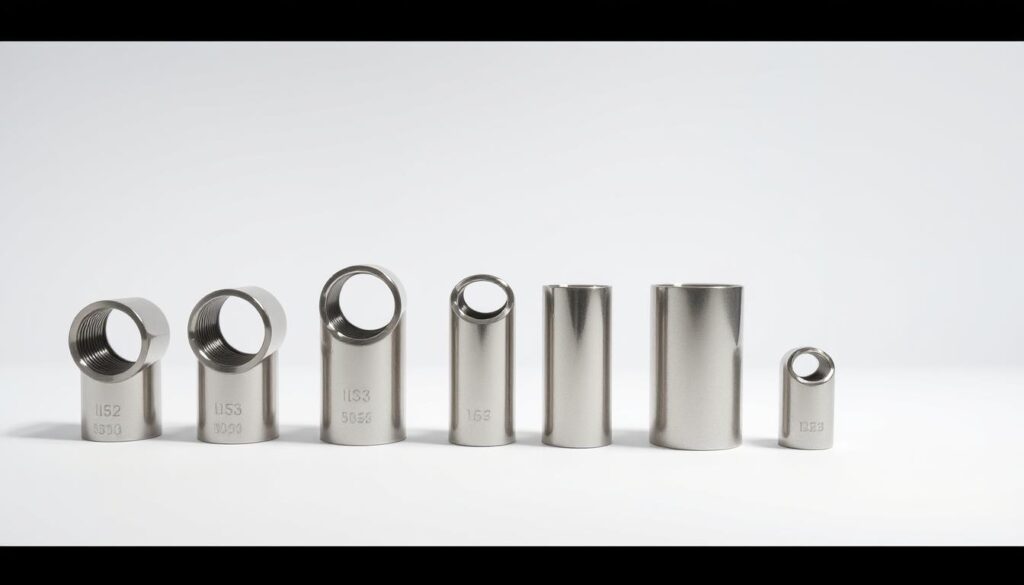
Knowing about pipe nipple sizes is key for good plumbing work. They range from small 1/8″ to big 8″ diameters. This variety is great for homes and businesses.
When picking pipe nipple sizes, you need to look at a few things:
- Nominal pipe size (NPS)
- Thread specifications
- Length requirements
- Material compatibility
Here are the usual sizes you’ll find:
- Small Sizes: 1/8″ to 1/2″ – perfect for tight spots
- Medium Sizes: 3/4″ to 2″ – often used in homes
- Large Sizes: 2.5″ to 8″ – for big projects
Pipe nipple sizes use international standards like DN or NPS. These standards help ensure everything fits right together.
Choosing the right pipe nipple size stops leaks, pressure problems, and waste.
Remember, pipe nipple lengths vary too. You might need a short one or a longer one. The right size and length depend on your project.
Installation Techniques and Best Practices
Installing pipe nipples needs precision and attention to detail. Professional plumbers know that the right techniques and approach are key. Knowing the correct methods can prevent leaks and ensure connections last long.
Proper installation of pipe nipples involves several critical steps. These steps can make or break your plumbing project. Understanding these techniques will help you achieve professional-grade results.
Proper Threading Methods
Threading pipe nipples requires careful technique to create a secure seal. Follow these essential guidelines:
- Clean threads thoroughly before installation
- Use thread sealant or plumber’s tape
- Ensure threads are straight and aligned
- Apply consistent, moderate pressure when threading
Essential Tools for Installation
| Tool | Purpose | Recommended Type |
|---|---|---|
| Pipe Wrench | Tightening connections | Adjustable 14-inch model |
| Thread Gauge | Checking thread compatibility | Precision NPT gauge |
| Pipe Dope | Sealing thread connections | Industrial-grade sealant |
Common Installation Mistakes to Avoid
When installing pipe nipples, watch out for these pitfalls:
- Avoid over-tightening, which can damage threads
- Check for proper thread compatibility
- Inspect nipples for defects before installation
- Use appropriate sealants for different materials
By following these installation techniques and best practices, you’ll ensure reliable and leak-free connections in your plumbing projects.
Maintenance and Care of Plumbing Nipples
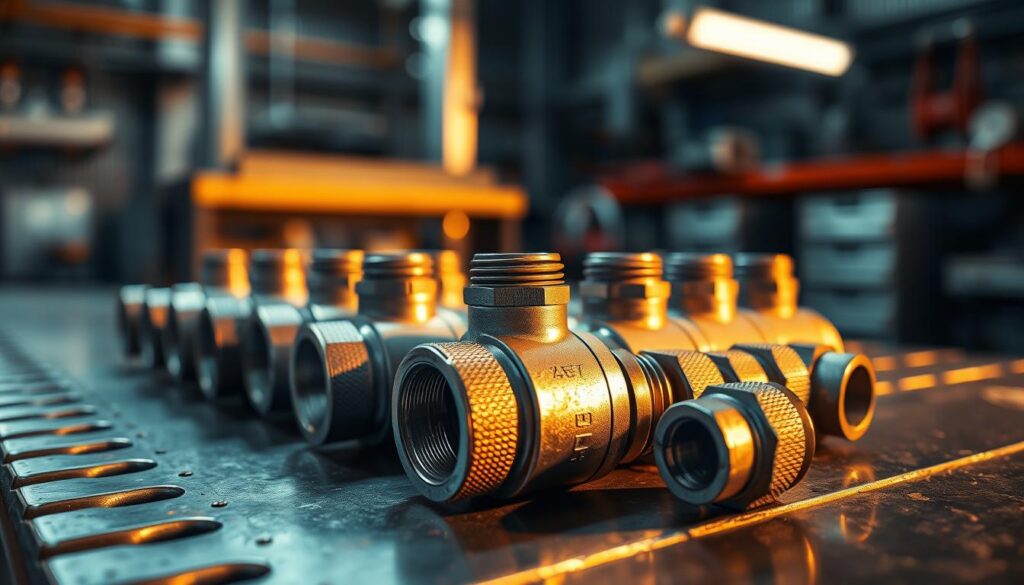
Keeping galvanized nipple fittings in good shape is key to a long-lasting plumbing system. Regular upkeep stops problems before they start and saves money on repairs.
Focus on a few important steps to maintain your galvanized nipple fittings:
- Regularly check for corrosion and rust
- Inspect the threads for wear
- Clean around the fittings to avoid buildup
- Watch for leaks or damage
Galvanized nipple fittings react differently in various environments. Here’s a quick guide for upkeep based on where you live:
| Environment | Maintenance Frequency | Key Considerations |
|---|---|---|
| High Humidity | Every 3-4 months | Check for accelerated corrosion |
| Industrial Settings | Monthly | Inspect for chemical damage |
| Coastal Areas | Quarterly | Watch for salt-related deterioration |
To make your galvanized nipple fittings last longer, try these tips:
- Use the right sealants when you install them
- Avoid cross-threading when connecting fittings
- Replace fittings that show a lot of wear
Pro tip: Always use specialized cleaning solutions for galvanized surfaces to avoid damage during maintenance.
Safety Considerations and Industry Standards
Working with steel pipe nipples in plumbing systems requires safety and compliance. Knowing industry standards and pressure ratings is key to picking the right parts for your needs.
Choosing a steel pipe nipple involves looking at several important factors. Plumbers and engineers must check these carefully for performance and reliability.
Pressure Ratings and Limitations
Steel pipe nipples have specific pressure ratings. These ratings show their maximum working capacity. They depend on:
- Material composition
- Pipe diameter
- Wall thickness
- Manufacturing specifications
Compliance Requirements
Industry standards are essential for the quality and safety of steel pipe nipples. Important regulations include:
| Standard | Primary Focus | Application |
|---|---|---|
| ASTM A733 | Carbon Steel Specifications | Welded/Seamless Pipes |
| DIN2982 | Pressure Ratings | Industrial Installations |
| BS EN10241 | Thread Dimensions | International Manufacturing |
Knowing these standards helps pick the right steel pipe nipples for any project. Always check professional advice and local building codes when picking plumbing parts.
Choosing the Right Nipple for Your Plumbing Project
Choosing the right brass or steel plumbing nipple is key. It’s all about finding the perfect fit for your plumbing needs. The right choice can make your project a success.
When picking a nipple, think about a few important things. These ensure your system works well and fits together right:
- Material characteristics
- Thread specifications
- Size and length requirements
- Environmental conditions
- System pressure ratings
Brass nipples are great for water systems because they resist corrosion well. Steel nipples are stronger for high-pressure jobs. Pick what works best for your project, considering durability and cost.
| Material | Best Used For | Performance Rating |
|---|---|---|
| Brass Nipple | Potable Water Systems | High Corrosion Resistance |
| Steel Pipe Nipple | Industrial Applications | High Pressure Tolerance |
Think about your project’s special needs when choosing. Consider temperature, chemicals, and stress on the system. This helps you pick the right nipple.
Pro tip: Always check local building codes and plumbing standards. This ensures your system meets requirements and works well.
Conclusion
Learning about nipples in plumbing is key for strong and reliable pipes. These parts link different pipes and fittings, adding flexibility and strength. Knowing about pipe nipples helps you make smart choices in your plumbing work.
Knowing your materials, thread types, and how to install them is vital. Whether you’re using stainless steel, brass, or galvanized, picking the right nipple matters. It depends on pressure, size, and your project’s needs. Both pros and DIY folks need to grasp these points.
Safety and following rules are also important. Always install correctly and follow local codes. This way, you get connections that last and work well.
Every plumbing job is different. Choosing the right nipple and knowing how to install it affects your system’s performance. Spend time learning and applying these plumbing basics.