
Affiliate Disclosure
Plumber Guide Guys is a participant in the Amazon Services LLC Associates Program, an affiliate advertising program designed to provide a means for sites to earn advertising fees by advertising and linking to Amazon.
Can a Handyman Do Plumbing? Are you wondering if a handyman can fix your plumbing problems without costing too much? It’s important to know what a handyman can do for plumbing. This helps homeowners find affordable repair solutions.
Handymen offer a wide range of home repair services. They help with simple tasks and some complex ones too. But, it’s key to understand their plumbing work limits and legal needs.
This guide will dive into the world of handyman plumbing services. You’ll learn when to use their skills and when to call a pro. You’ll get tips on safe and effective home repairs.
Key Takeaways
- Handymen can perform basic plumbing tasks within specific legal boundaries
- State regulations vary regarding handyman plumbing work
- Complex plumbing issues require licensed professional plumbers
- Understanding scope of work prevents possible home damage
- Cost and complexity determine the right service provider
Understanding the Role of a Handyman in Home Repairs
A handyman is a versatile professional who fixes many home repair needs. They keep homes in great shape. Knowing what handymen do helps you decide on repairs.
Handymen handle small plumbing jobs and more. They have the skills to fix common household problems quickly.
What Qualifies as Handyman Work
Handymen do many home maintenance tasks:
- Basic plumbing repairs
- Minor electrical work
- Carpentry and woodworking
- Painting and touch-up work
- Fixture installations
Skills and Competencies Required
Handymen need a wide range of skills. They must be good at:
| Skill Category | Key Abilities |
|---|---|
| Technical Knowledge | Understanding of basic repair techniques |
| Problem-Solving | Ability to diagnose and fix household issues |
| Tool Proficiency | Skilled use of various repair tools |
Legal Considerations for Handyman Services
Unlicensed plumbing work can be risky. Homeowners should know handymen’s limits. Some repairs need licensed pros for safety and code compliance.
Always verify a handyman’s qualifications and understand the scope of work they can legally perform in your area.
Handymen are very helpful, but know when to call a specialist. This can avoid legal and safety issues.
Can a Handyman Do Plumbing? Understanding the Scope
Many homeowners wonder if a handyman can handle plumbing tasks. The answer is yes, for minor plumbing repairs that don’t need a lot of special knowledge.
A handyman can usually fix common plumbing problems. These tasks are within their skill range. They can save you money compared to hiring a licensed plumber.
- Fixing leaky faucets
- Replacing showerheads
- Unclogging simple drain blockages
- Replacing toilet flush mechanisms
- Installing basic fixtures
“Not all plumbing work requires a professional license, but knowing the limits is key for home maintenance,” says home repair expert Mike Stevens.
Understanding what a handyman can do with plumbing is important. They have basic plumbing skills for routine maintenance and simple repairs. They’re great for fixing minor issues that don’t need a lot of technical knowledge or permits.
But, handymen have their limits. They can’t handle complex tasks like big pipe changes, sewer line fixes, or installing water heaters. These jobs need a licensed plumber’s skills.
Legal Limitations for Handyman Plumbing Work
Understanding the legal side of handyman plumbing work can be tricky. Each state and area has its own rules. These rules decide what you can and can’t do with plumbing tasks.
Knowing the handyman plumbing license rules is key. It helps you stay legal and avoid trouble. Every state has its own set of guidelines. These guidelines tell you what plumbing tasks you can do without a special license.
State-Specific Regulations
Handyman plumbing rules change a lot from place to place. Here are some important things to remember:
- Some states need special certifications for plumbing jobs
- Permits needed can vary by area
- There might be limits on how much you can charge for plumbing fixes
Licensing Requirements
What you can do with plumbing depends on a few things:
- The type of plumbing job
- The rules in your area
- The specific license rules in your area
Insurance and Liability Concerns
Having the right insurance is very important. Doing plumbing work without insurance can be very risky financially. Always check your insurance. Know the risks of different plumbing repairs.
Professional advice: If you’re unsure, talk to local licensing boards and insurance companies. They can help you follow the plumbing rules.
Common Plumbing Tasks Suitable for Handymen
Homeowners often deal with small plumbing issues. These don’t need a full professional fix. Handyman services for small plumbing jobs are a smart, affordable choice for many household problems.
Minor plumbing repairs handyman experts handle a variety of simple tasks. These tasks can save you both time and money. Here are some common plumbing jobs for a skilled handyman:
- Fixing leaky faucets and replacing old washers
- Unclogging slow sinks and blocked shower drains
- Replacing showerheads and basic fixtures
- Fixing low water pressure in bathrooms and kitchens
- Repairing or replacing toilet parts like flush mechanisms
- Sealing minor pipe leaks and connections
When you think about handyman services for small plumbing jobs, know what they can do. They can handle minor repairs that don’t need big changes to the plumbing system.
Keep in mind, while handyman services are handy, some jobs need a licensed plumber. Always check local laws and the handyman’s skills. This ensures the job is done right and safely.
When to Choose a Licensed Plumber Instead
Knowing when to hire a plumber vs handyman can save you a lot of time, money, and prevent damage to your property. Handymen can fix small issues, but some plumbing jobs need a pro’s touch.
Not all plumbing problems are the same. Some need special skills that go beyond simple fixes. It’s important for homeowners to know when to call a professional plumber.
Complex Plumbing Scenarios
Some plumbing jobs need advanced skills and a professional’s license. These include:
- Main sewer line replacements
- Extensive pipe repiping projects
- Water heater installations
- Complex drain system redesigns
Emergency Situations
In plumbing emergencies, a licensed plumber is a must. Urgent situations like:
- Burst water pipes
- Significant sewage backups
- Gas line leaks
- Major water pressure issues
Code Compliance Issues
Some plumbing work must follow local building codes. Licensed plumbers know these rules and can:
- Ensure proper permit acquisition
- Implement code-compliant installations
- Provide necessary documentation
- Prevent legal issues
If you’re unsure about a plumbing job, it’s best to talk to a licensed plumber. They can avoid risks and ensure your plumbing is safe and up to code.
Cost Comparison: Handyman vs Professional Plumber
Knowing the price difference between handyman services and professional plumbers is key. It helps you decide on home repairs wisely. Your choice depends on the plumbing job’s complexity and its long-term effects.
When deciding between a handyman and a plumber, several factors affect costs:
- Scope of plumbing work
- Required specialized tools
- Potential repair complexity
- Local labor rates
For small fixes like a leaky faucet or a new showerhead, handymen charge $50-$100 an hour. Plumbers, with their advanced skills and certifications, cost $100-$250 an hour.
| Service Type | Average Hourly Rate | Typical Tasks |
|---|---|---|
| Handyman Services | $50-$100 | Minor repairs, basic fixture replacement |
| Professional Plumber | $100-$250 | Complex installations, code compliance work |
Choosing the right professional depends on your plumbing needs. Small jobs are best for handymen, but complex tasks need licensed plumbers for quality and safety.
Smart homeowners consider both immediate and long-term repair costs before deciding.
Safety Considerations for DIY Plumbing Work
Homeowners might want to fix plumbing themselves to save money. But, it’s important to know the risks of DIY plumbing compared to hiring a professional. This is for your safety and the safety of your home.
Essential Safety Equipment
Before starting any plumbing job, you need the right safety gear. This helps avoid risks from unlicensed plumbing work:
- Safety goggles to protect eyes from water and debris
- Waterproof rubber gloves
- Non-slip work boots
- Protective clothing that can get wet
Common Hazards to Avoid
DIY plumbing can be dangerous. It can lead to problems that are more than just simple fixes:
| Hazard Type | Potential Consequences |
|---|---|
| Water Damage | Structural damage, mold growth |
| Electrical Risks | Potential shock, short circuits |
| Contamination | Health risks from sewage exposure |
When to Stop and Call a Professional
Knowing your limits is important to avoid big mistakes. Stop immediately and contact a licensed plumber if you encounter:
- Complex pipe configurations
- Signs of extensive water damage
- Issues involving main water lines
- Any repair requiring specialized tools
Remember, saving a few dollars isn’t worth the risk. Professional plumbers can do the job safely and well. They have the skills for tricky repairs.
Tools and Equipment for Basic Plumbing Repairs
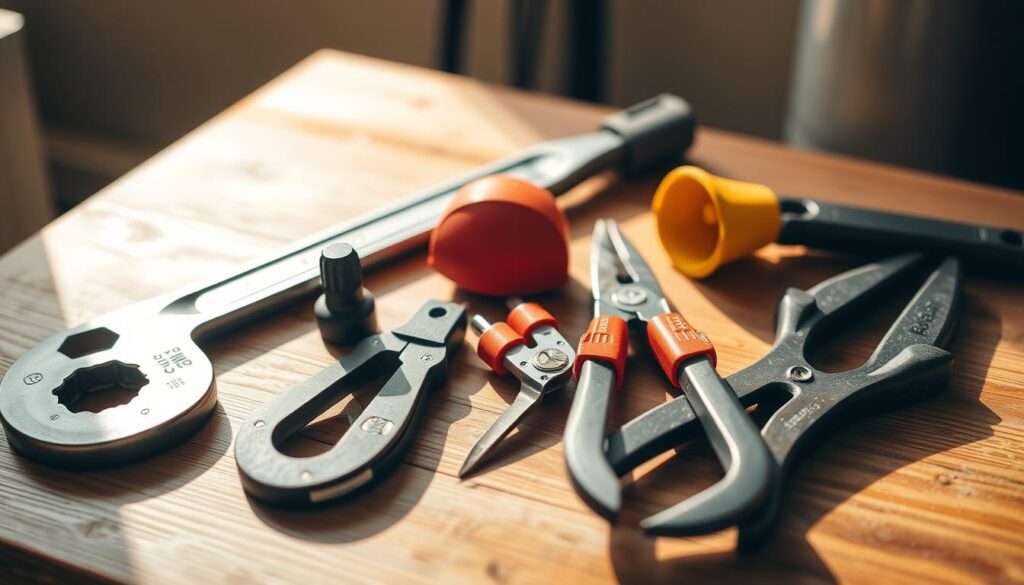
Having the right tools is key for minor plumbing repairs. Whether you’re doing it yourself or hiring a pro, the right tools matter. Knowing how to use them is just as important.
Your plumbing repair kit should have basic hand tools. These can help with simple problems at home. Experts say you should have these items:
- Adjustable pipe wrench
- Channel-lock pliers
- Plumber’s tape
- Drain snake
- Plunger
- Hacksaw
- Assorted screwdrivers
While you can fix some plumbing issues, pros have better tools. They use advanced tools for more complex jobs.
Safety tip: Always wear gloves and safety glasses when working on plumbing. Know your limits to decide if you can do it yourself or need a pro.
“The right tool can make even complex repairs look simple” – Professional Handyman Advice
Good tools can save you money over time. But, know when to call a licensed plumber for jobs you can’t handle.
Tips for Hiring a Qualified Handyman for Plumbing Work
Choosing the right handyman for plumbing services can save you time, money, and headaches. It’s important to know how to pick a qualified professional for small plumbing jobs.
Before making a hiring decision, consider these key factors. They ensure you get a reliable and skilled handyman for your plumbing needs.
Verifying Professional Experience
Your ideal handyman should have proven experience in plumbing. Look for professionals who can show:
- Specific training in handyman plumbing license requirements
- Years of practical experience in home repairs
- Documented proof of completed plumbing projects
- Familiarity with local building codes
Checking Insurance Coverage
Protecting yourself is key when hiring a handyman. Make sure the professional has:
- General liability insurance
- Worker’s compensation coverage
- Proof of current insurance documentation
Researching Reviews and References
Reputation is important for a handyman’s reliability. Take time to:
- Read online reviews from verified platforms
- Request and contact previous client references
- Check ratings on professional websites
- Verify credentials through local business associations
By following these guidelines, you’ll find a skilled handyman. They can handle your small plumbing jobs well and meet professional standards.
Conclusion
Knowing when to call a handyman versus a plumber is key for homeowners. Your plumbing system needs a careful check to pick the right person for the job. Some small fixes might be okay for a handyman, but big plumbing jobs need a pro.
Think about the job’s complexity, local laws, and future risks when choosing. A handyman can handle simple tasks like fixing a faucet or a small leak. But, big jobs like sewage repairs or work that follows local codes need a licensed plumber.
Always put safety and following the law first. A plumber has the right training, license, and insurance. This way, you protect your home and avoid expensive mistakes.
By doing your homework and picking the right person, you save money and avoid damage. Choosing wisely between a handyman and a plumber is important for your home’s plumbing.
FAQ
Can a handyman legally perform plumbing work?
The rules about handyman plumbing work differ by state and area. Handymen can usually fix small plumbing issues like leaky faucets or clogged drains. But, for bigger jobs, you need a licensed plumber. Always check local laws to make sure you’re following them and avoid legal trouble.
What specific plumbing tasks can a handyman typically handle?
Handymen can handle simple plumbing jobs. This includes replacing washers, fixing small leaks, and installing basic fixtures. They can also unclog drains and replace showerheads or faucet cartridges. But, they can’t do major plumbing work or system changes.
When should I hire a professional plumber instead of a handyman?
You should call a professional plumber for big jobs. This includes main line repairs, extensive repiping, water heater installations, and sewer line work. Also, for emergency situations or jobs that need building code knowledge, a pro is best.
How do I verify a handyman’s qualifications for plumbing work?
First, check if the handyman has plumbing experience. Make sure they have insurance and read customer reviews. Ask for references and confirm they know local plumbing laws. They should show you their training or certifications and have insurance to protect you.
What are the risks of hiring an unlicensed handyman for plumbing work?
Hiring an unlicensed handyman can be risky. It might lead to code violations, water damage, and safety issues. It could also void warranties, cause insurance problems, and lead to expensive repairs later.
Are there differences in handyman plumbing regulations by state?
Yes, plumbing laws vary a lot by state and even local areas. Some places have strict rules, while others are more relaxed. Always check with local building departments or licensing boards to know the rules in your area before hiring a handyman.
What tools should a handyman have for basic plumbing repairs?
A good handyman should have basic tools. This includes adjustable wrenches, pipe wrenches, pliers, plunger, and pipe tape. They should also have a drain snake, hacksaw, and various washers and gaskets. While they don’t need professional tools for simple repairs, they should have a good toolkit for basic plumbing tasks.
How much can I expect to pay for handyman plumbing services?
Handyman plumbing rates vary. They usually cost between to 0 per hour. Simple jobs like fixing a leaky faucet might cost 0-0. More complex repairs can be pricier. Always get quotes from different handymen and compare their services.