
Affiliate Disclosure
Plumber Guide Guys is a participant in the Amazon Services LLC Associates Program, an affiliate advertising program designed to provide a means for sites to earn advertising fees by advertising and linking to Amazon.
What Is Wet Vent in Plumbing? Ever thought about how your home’s plumbing system handles drainage without a mess of pipes? Wet venting might be the clever answer you’ve never known. This plumbing trick changes how water and waste flow through your home’s pipes.
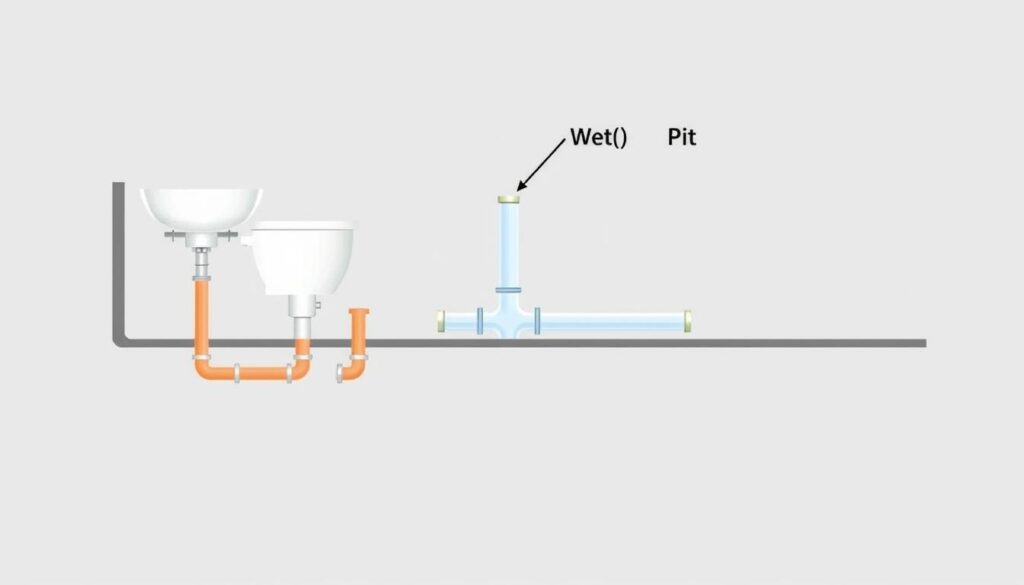
So, what is wet vent in plumbing? It’s a smart way for different plumbing fixtures to use one vent pipe. This makes drainage easier and cheaper. Unlike old plumbing ways, wet venting makes your plumbing simpler and less complicated.
More and more people, both homeowners and plumbers, are choosing wet venting for drainage issues. It saves space and cuts down on costs and setup time. This makes it a great choice for homes and businesses alike.
Key Takeaways
- Wet venting allows multiple fixtures to share a single vent pipe
- Reduces complexity in plumbing system design
- Cost-effective drainage solution
- Simplifies installation process
- Increasingly popular in modern plumbing
Table of Contents
Understanding the History and Evolution of Wet Venting
Plumbing has changed a lot over the past century. Wet vent plumbing code is a big step forward. It changed how drainage systems work in homes and businesses.
Origins of Wet Venting in the 1920s
Wet venting started in the 1920s as a new idea in plumbing. Plumbers wanted better drainage systems. They wanted ones that could handle many fixtures without being too complicated.
- First introduced in urban building codes
- Designed to simplify drainage configurations
- Reduced installation complexity for contractors
“Wet venting represented a paradigm shift in plumbing engineering, allowing more flexible and efficient drainage solutions.” – Plumbing Engineering Quarterly
Development of Modern Wet Venting Standards
As technology got better, wet vent plumbing code got updated. Plumbers worked together to make rules. These rules make sure systems are safe, work well, and are the same everywhere.
- Standardization of pipe dimensions
- Enhanced trap seal protection mechanisms
- Improved load-bearing capacity
Impact on Contemporary Plumbing Systems
Today, wet venting has changed plumbing a lot. Modern codes have new rules for wet venting. These rules make systems better, cheaper, and stronger.
The changes in wet vent plumbing code keep improving drainage systems. This makes plumbing in new buildings better and more reliable.
What Is Wet Vent in Plumbing
A wet vent is a special plumbing solution that changes how we drain water. It’s a pipe that does two jobs at once. It carries waste and also lets air move through your home’s plumbing.
To get how wet venting works, you need to know its design. It’s different from old ways of venting. Wet vents let many fixtures use one pipe. This makes plumbing more efficient and keeps air pressure right.
- Enables connection of multiple fixtures
- Balances air pressure in drainage systems
- Reduces overall plumbing complexity
- Supports efficient water flow
Wet venting is great for homes. It combines waste and air in one system. This means fewer pipes and easier setup.
| Fixture Type | Wet Vent Compatibility |
|---|---|
| Toilets | Highly Compatible |
| Sinks | Excellent Compatibility |
| Showers | Good Compatibility |
| Bathtubs | Strong Compatibility |
Plumbers love wet venting for its smart design. It saves space and is easy to use. Homeowners can see the clever engineering behind it.
Fundamental Components of Wet Vent Systems
Knowing the basic parts of a wet vent system is key for good plumbing design. These systems are important for handling drainage and keeping air pressure in your home’s plumbing.
A wet vent system has several main parts that work together. They help remove waste smoothly and avoid plumbing problems. Let’s look at the important parts that make these systems work well.
Main Pipe Structure and Configuration
The heart of a wet vent system is its pipe network. Your system usually has:
- Horizontal drain pipes
- Vertical vent stacks
- Strategic pipe connections
Essential Parts and Connections
Key parts of a wet vent system include:
- Pipe fittings for smooth transitions
- Special connectors for different fixtures
- Precision-engineered joints
Role of Trap Seals in Wet Venting
Trap seals are vital in wet vent systems. They do two main things:
- Keep sewer gases out of living areas
- Keep the right air pressure in drainage pipes
Keeping trap seals in good shape keeps your plumbing system working well and clean.
Understanding these basic parts shows how complex and important wet vent systems are in today’s homes.
How Wet Venting Works: Core Mechanisms
Wet venting is a complex plumbing system. It lets many fixtures use one pipe while keeping air pressure right and waste flowing well.
The main idea behind wet venting is balanced air pressure. Water moving through pipes can create vacuum issues. Wet venting fixes this by making sure air can move around freely.
- Air circulation prevents trap siphoning
- Shared pipes accommodate multiple fixture connections
- Proper pipe sizing ensures efficient drainage
By engineering well, wet venting can handle many fixtures. The pipe must be big enough for all the waste and water. This keeps bathrooms and kitchens running smoothly, avoiding clogs and backups.
Wet venting’s key points are:
- Maintaining consistent air pressure
- Preventing water trap seal disruption
- Enabling efficient waste removal
Skilled plumbers figure out the right pipe sizes and slopes. This makes sure wet venting works well for all kinds of fixtures.
Wet Vent vs Dry Vent: Key Differences
It’s important to know the difference between wet vent and dry vent systems for good plumbing design. These systems handle waste and air in different ways in your home’s plumbing.
Plumbing experts say wet vents and dry vents are good for different situations. They differ in how they work and when to use them.
Structural Variations
Wet vent systems mix waste drainage and air in one pipe. This design has big benefits:
- Combines waste water and air transportation
- Reduces the number of pipes needed
- Offers more flexible installation options
Performance Comparison
Looking at wet vent and dry vent systems, we see some key differences:
| Feature | Wet Vent | Dry Vent |
|---|---|---|
| Pipe Function | Dual-purpose (waste + air) | Air circulation only |
| Space Efficiency | High | Lower |
| Installation Complexity | Moderate | More complex |
Application Scenarios
Choosing between wet vent and dry vent depends on your plumbing needs. Wet venting is great for small spaces like bathrooms and kitchens. Dry venting is better for bigger systems with many fixtures.
Think about building codes, how close fixtures are, and your plumbing layout. Talking to a professional plumber can help pick the right system for you.
Installation Requirements and Code Compliance
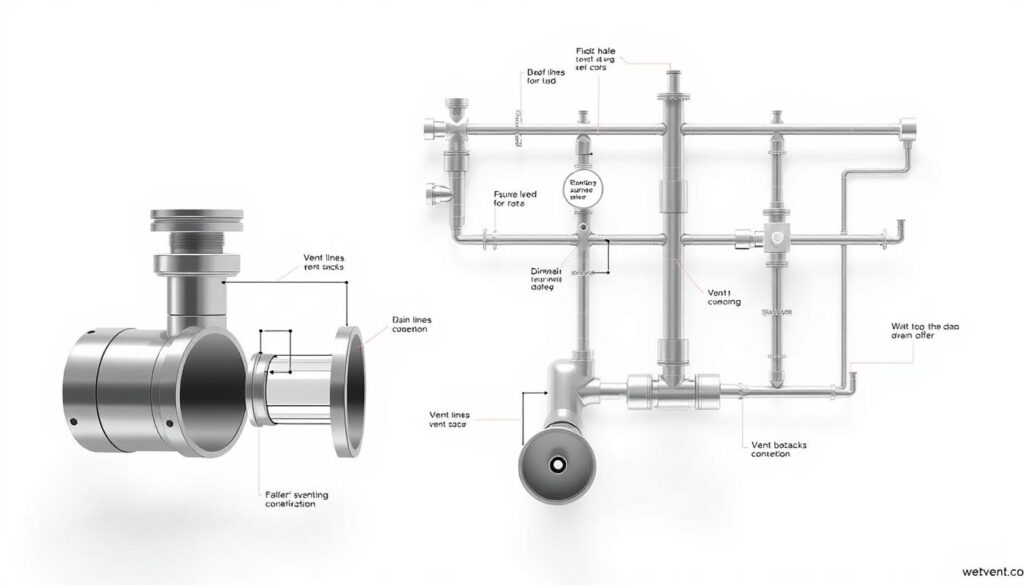
Knowing the plumbing wet vent requirements is key for a safe and efficient plumbing system at home. Local building codes set rules for the right installation and work of wet vent systems.
To follow wet vent plumbing code standards, you must consider a few important things:
- Pipe diameter specifications
- Proper slope and alignment
- Maximum fixture connection distances
- Specific fixture type restrictions
Professional plumbers must stick to local plumbing regulations to ensure the system works well. Installing wet vents needs precise measurements and smart fixture placement.
Important things to keep in mind for compliance include:
- Ensuring adequate pipe sizing
- Maintaining correct slope angles
- Verifying fixture compatibility
- Preventing possible drainage problems
Remember, each place has its own wet vent plumbing code rules. So, it’s vital to check with local building authorities for correct setup.
Proper wet vent installation protects your home’s plumbing system and stops health risks.
While DIY fans might want to try installing wet vents, it’s safer to get a pro. They have the skills to meet the complex plumbing wet vent needs.
Common Applications in Residential Plumbing
Wet venting has changed residential plumbing by making waste management easier in small spaces. Knowing how wet venting works can help homeowners make their plumbing systems better.
Bathroom Group Configurations
Wet venting in bathrooms saves a lot of space. You can find different setups like:
- Toilet and sink combinations
- Shower and vanity connections
- Bathtub and bathroom sink venting
These setups let professional plumbers create efficient vents. They use the space well and ensure good drainage.
Kitchen and Laundry Applications
Wet venting is also great for kitchens and laundry rooms. It helps in small spaces by connecting appliances smoothly.
- Kitchen sink and dishwasher connections
- Washing machine and utility sink venting
- Compact laundry room configurations
Multiple Fixture Connections
Setting up wet venting in bathrooms needs careful planning. Plumbers must think about pipe size, how close fixtures are, and local rules.
Pro tip: Always talk to a licensed plumber for the right installation and to follow local laws.
Sizing and Design Considerations
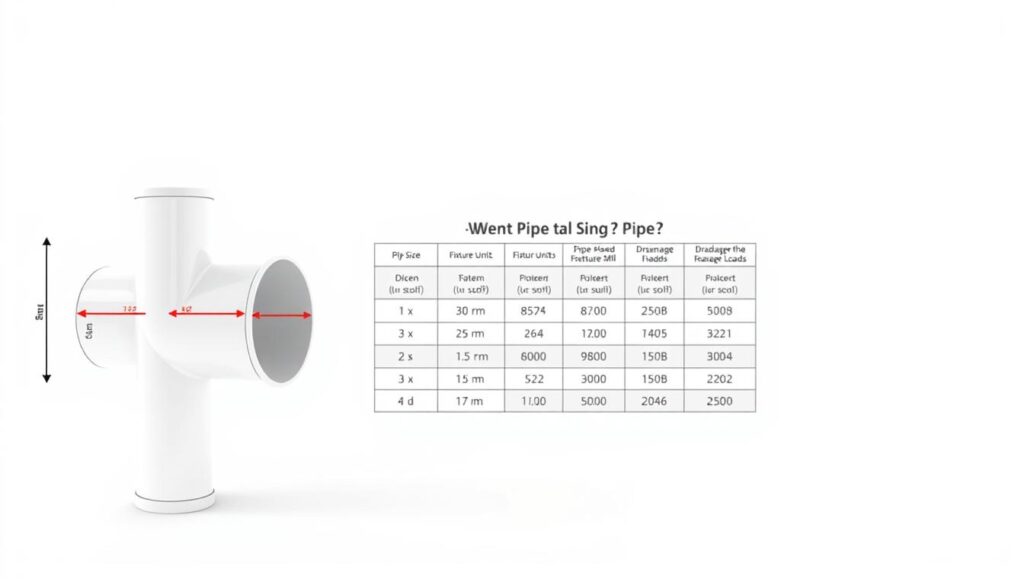
Creating a good wet vent system needs careful thought. The size of your wet vent pipe is key for good drainage and avoiding plumbing problems. Knowing the important design parts helps make a plumbing system that works well.
To figure out the right size for your wet vent pipe, you must look at a few important things:
- Number of connected fixtures
- Total system length
- Local building code requirements
- Fixture unit values
- Required slope and drainage capacity
The size of your wet vent pipe affects how well it works. Pipes that are too small can cause:
- Slow drainage
- Potential blockages
- Inadequate air circulation
- Increased risk of hydraulic pressure problems
Experts use special math to find the right size for wet vent pipes. They look at fixture unit loads, pipe materials, and water flow rates. Getting the measurements right is key for a plumbing system that works and meets local standards.
Proper wet vent pipe sizing is not just a technical requirement—it’s a critical component of safe and efficient plumbing design.
Even though there are general rules, always check local building codes. It’s also wise to talk to a professional plumber to make sure your wet vent system is the right size and set up correctly.
Troubleshooting and Maintenance Tips
Keeping your wet vent system in good shape is key. Regular checks can stop expensive plumbing problems. They also keep your home’s drainage working well.
Spotting issues early can save you a lot of money and time. Homeowners should look out for signs of trouble with their wet vent system.
Common Issues and Solutions
- Slow Drainage: Shows there might be a blockage in the system
- Gurgling Sounds: Means there’s a problem with air pressure in the pipes
- Foul Odors: Could mean the trap seals are failing
- Water Backups: Points to big venting issues
Preventive Maintenance Practices
- Do a visual check on exposed pipes every three months
- Regularly clean the drain traps
- Use enzymatic cleaners to stop buildup
- Look for leaks in pipe connections
When to Call a Professional
Some problems need a pro’s help. Call a plumber if you see:
| Problem | Professional Needed? |
|---|---|
| Persistent drainage issues | Yes |
| Multiple fixture backups | Yes |
| Visible pipe corrosion | Yes |
| Minor drain slow-down | No |
Knowing these tips can help keep your plumbing system safe. This way, you avoid costly repairs.
Conclusion
Understanding what is wet vent in plumbing is key to better home plumbing. Wet venting helps manage water and air in small spaces. It uses one pipe for many fixtures, making setup easier and cheaper.
Wet venting can greatly improve your plumbing. Experts see its benefits in saving space and improving flow. It connects many fixtures to one vent, making your plumbing system more efficient.
But, following codes and installing correctly is vital. Always talk to licensed plumbers who know the rules. They’ll make sure your system is up to date. Regular checks and upkeep keep your plumbing working well for years.
Wet venting is a smart choice for modern homes. It makes plumbing systems better, cheaper, and more reliable. By using these new methods, you can have a plumbing system that’s efficient and meets today’s needs.