
Affiliate Disclosure
Plumber Guide Guys is a participant in the Amazon Services LLC Associates Program, an affiliate advertising program designed to provide a means for sites to earn advertising fees by advertising and linking to Amazon.
What is a Jetter for Plumbing? Are you tired of stubborn drain clogs that traditional methods can’t seem to solve? What if there was a powerful solution that could blast away even the most challenging blockages in your pipes?
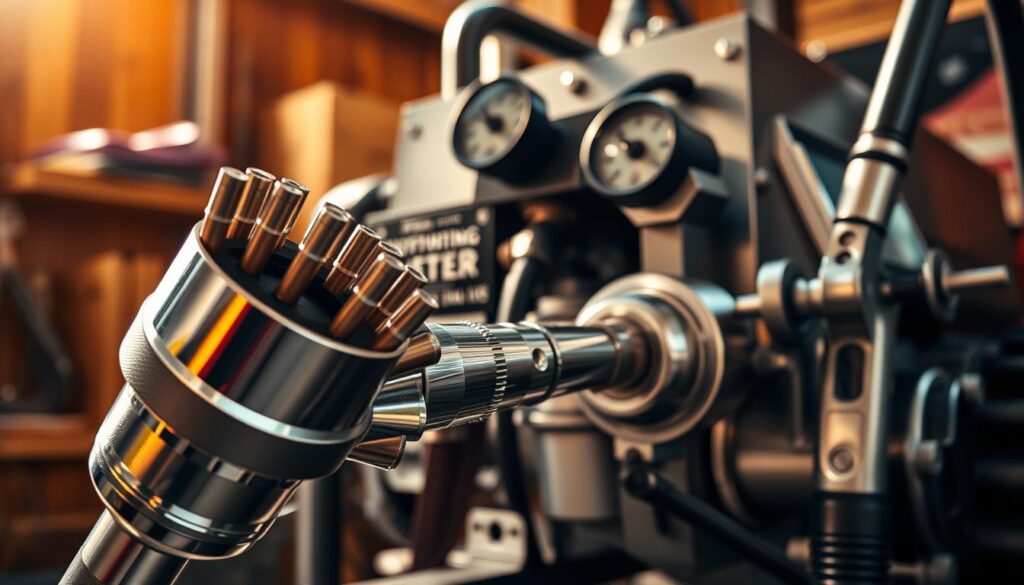
A plumbing jetter, or hydro jetting equipment, is a revolutionary cleaning tool. It uses high-pressure water streams to eliminate tough blockages in residential and commercial drain systems. This advanced technology goes beyond traditional snake or chemical methods.
It provides a complete pipe cleaning solution. It removes grease, debris, and even tree root intrusions.
Unlike conventional drain cleaning techniques, a water jetter delivers powerful water pressure directly into your pipes. The pressurized water cuts through accumulated grime. It effectively clears out years of buildup that can cause slow drains or complete blockages.
Key Takeaways
- Hydro jetting uses high-pressure water to clean pipes thoroughly
- Effective for removing grease, debris, and stubborn blockages
- Environmentally friendly alternative to chemical drain cleaners
- Works on both residential and commercial plumbing systems
- Provides a more complete cleaning than traditional methods
Table of Contents
Understanding Plumbing Jetters and Their Purpose
Plumbing jetters are a strong solution for cleaning sewers that goes beyond old methods. These machines use new tech to clear tough blockages with great precision and speed.
Dealing with hard clogs? A plumbing jetter machine offers a new way to keep your drains flowing. It uses high-pressure water to clear out stuck debris, unlike old tools.
Basic Components of a Jetter System
A plumbing jetter has key parts:
- High-pressure water pump
- Flexible, durable hose
- Specialized cleaning nozzle
- Water reservoir
- Pressure control mechanisms
How Water Pressure Creates Cleaning Power
The secret to sewer cleaning is water pressure. Powerful jets of water push through pipes, breaking down and removing:
- Grease buildup
- Organic matter
- Mineral deposits
- Light root intrusions
Applications in Modern Plumbing
Plumbing jetters are used everywhere, from homes to big buildings. They clean drains well, keeping water flowing smoothly and preventing pipe damage.
These machines mix advanced tech with strong water pressure, changing sewer cleaning forever.
How Does a High-Pressure Water Jetter Work
Water jetters are a strong tool for cleaning out clogs in drainage systems. They use high-pressure water to clear out tough blockages and get pipes working again. The main idea is to create a strong water stream that can cut through hard debris.
The way a water jetter works is quite advanced. It uses special equipment to make water pressure that can be as high as 4,000 pounds per square inch (PSI). This strong force lets the jetter:
- Break up solid waste deposits
- Remove grease and mineral buildup
- Clean pipe walls thoroughly
- Reach deep into complex pipe networks
The design of the nozzle is key to a water jetter’s success. Different nozzles can make different water patterns to tackle different blockages. Rotating nozzles provide a thorough clean, while forward-facing nozzles focus the most pressure on clogs.
Professionals adjust the water pressure based on the pipe material and the cleaning job needed. Softer pipes might need lower pressure, while strong commercial systems can handle more intense cleaning.
“The right water jetter can transform a blocked pipe into a clean, free-flowing system in minutes.”
Understanding how high-pressure water jetters work shows their amazing ability to solve tough drainage problems fast and well.
Different Types of Plumbing Jetters Available
Choosing the right hydro jetting equipment is key for good plumbing care. Plumbing jetter machines vary, each for different jobs and places. Knowing these differences helps pick the best for your needs.
Professionals and maintenance teams use three main types of plumbing jetter machines:
- Electric Jetters
- Gas-Powered Jetters
- Commercial Grade Diesel Jetters
Electric Jetters for Indoor Environments
Electric hydro jetting equipment is great for indoor plumbing work. These machines are light, easy to move, and quiet. They’re perfect for homes, apartments, and indoor commercial areas where quiet and ease of use are important.
Gas-Powered Jetters for Outdoor Applications
For outdoor drainage issues, gas-powered jetters are the best choice. They have high water pressure, ideal for big sewer lines, city drainage, and places without electricity.
Commercial Grade Diesel Jetters
Diesel jetters are top-notch for pros. They’re mounted on trucks or trailers and tackle tough plumbing tasks. They’re durable, reliable, and handle big drainage problems in industrial and city settings.
Choosing the right jetter depends on your specific plumbing maintenance requirements and work environment.
What is a Jetter for Plumbing and Its Main Benefits
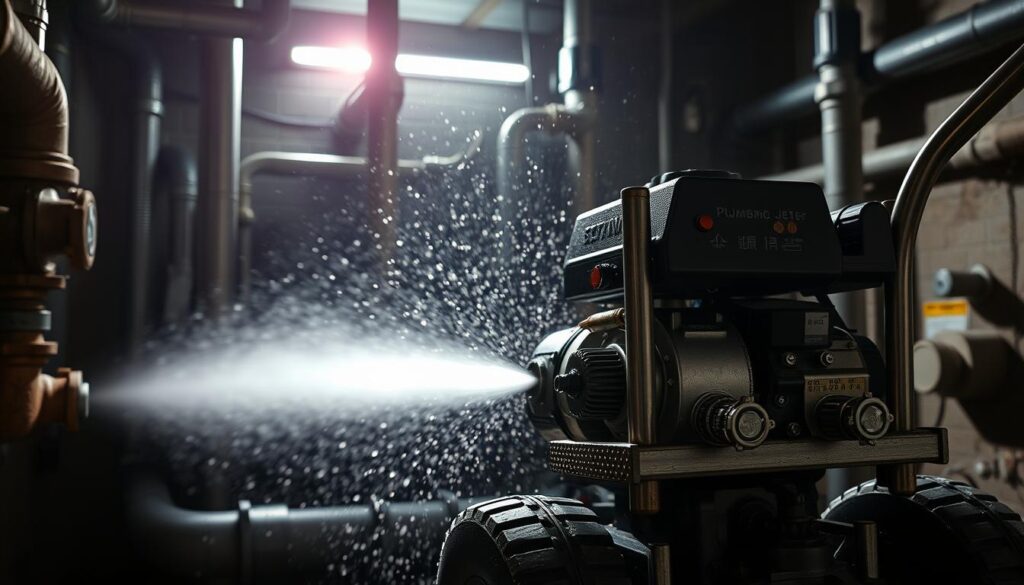
A jetter for plumbing is a strong cleaning tool that changes how you care for your pipes. It uses high-pressure water to clear out tough blockages and debris. This is something regular methods can’t do.
Pipe jetting does more than just clean drains. It’s a deep cleaning method that saves you time and money over time.
- Thorough Cleaning: Removes built-up sediment, grease, and mineral deposits
- Preventative Maintenance: Helps prevent future clogs and pipe damage
- Environmentally Friendly: Uses water instead of harsh chemical cleaners
- Cost-Effective: Reduces repeated plumbing service calls
So, what is a jetter for plumbing? It’s a tool that uses water pressure and special nozzles. Plumbers use it to clean all kinds of pipes, from small homes to big businesses.
Jettters are very useful for many plumbing problems. They can handle kitchen sink clogs, bathroom blockages, and even sewer line issues. They offer a deep clean solution.
Common Drain Problems Solved by Jetting
Dealing with stubborn sewer blockages can be tough. Water jetters are a strong fix for many plumbing problems. They use high-pressure water to clear out tough clogs.
Each type of blockage needs a special way to fix it. Jetters are great for dealing with hard-to-reach pipe clogs. They help keep your plumbing system working well.
Grease and Food Waste Blockages
Kitchen drains often get clogged with grease and food waste. These sticky messes build up in bends and block pipes. Water jetters are excellent at breaking down and removing these blockages, restoring optimal drainage.
- Targets stubborn grease build-up
- Clears food waste accumulations
- Prevents long-term pipe damage
Tree Root Infiltration
Drain systems outside often get clogged by tree roots. Water jetters can cut through and remove these roots. But, if the damage is too much, you might need a plumber to fix it.
Mineral Build-up and Scale
In areas with hard water, pipes can get clogged with mineral deposits. Water jetters can blast away these hard deposits, restoring pipe diameter and water flow. They remove calcium and other minerals that regular methods can’t.
Professional-grade jetters provide a complete solution for tough drain maintenance challenges.
Comparing Jetters to Traditional Drain Cleaning Methods
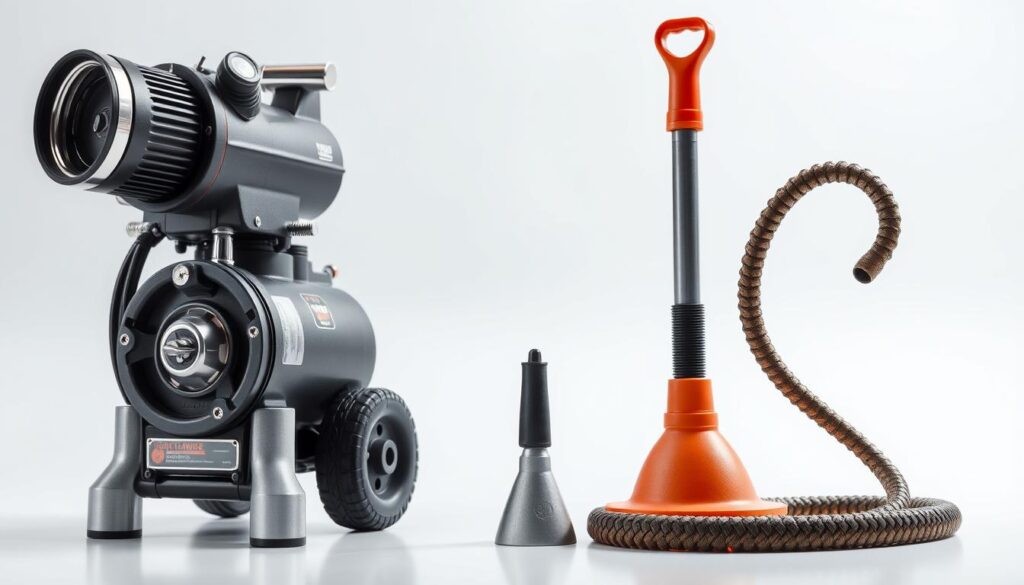
Understanding the difference between a rooter and a jetter can save you time and money. Traditional cable machines and modern high-pressure drain cleaners tackle plumbing challenges in different ways.
Cable machines have been a common choice for drain cleaning. They use a rotating metal cable to break through blockages. Rooter tools are effective for solid blockages like tree roots, but they don’t clean pipes as well as jetters do.
- Cable Machines: Best for solid obstructions
- Jetters: Superior for complete pipe cleaning
- Rooter Tools: Effective for specific blockage types
Water jetters are a more advanced option. They use strong water streams to not just break through blockages but also flush out the pipe interiors. Their cleaning method is different from traditional methods.
| Method | Effectiveness | Pipe Cleaning |
|---|---|---|
| Cable Machine | Limited | Minimal |
| Water Jetter | Comprehensive | Thorough |
“Water jetters don’t just create a path through blockages—they wash them away completely.” – Professional Plumbing Expert
Choosing between a rooter and a jetter depends on your specific drainage issue. For thorough pipe maintenance, water jetters are better. They remove grease, scale, and debris that traditional methods might miss.
Professional Jetting Services vs. DIY Solutions
When you face tough drain blockages, you might think about doing it yourself or getting help from professionals. DIY might seem cheaper, but professional drain jetting has big benefits. It saves you time, money, and can prevent damage to your property.
Cost Considerations
At first, professional drain jetting might seem pricier than DIY. But, it offers long-term savings and avoids costly fixes. Here’s a look at what you might spend:
- Professional jetter services: Thorough cleaning with guaranteed results
- DIY equipment: Expensive upfront costs for special tools
- Potential repair costs from DIY mistakes
Safety Precautions
Professional jetter techs get special training for safe use of high-pressure tools. Trying to use a jetter without the right skills can be risky. It can cause:
- Personal injury risks
- Potential pipe damage
- Not cleaning well enough
“Drain maintenance needs precision and skill that pros bring to every job.” – Plumbing Industry Expert
Equipment Requirements
Professionals have top-notch equipment that most homeowners can’t get. These tools ensure a deep clean and protect your plumbing.
In the end, while DIY might look good, professional jetter services offer safe, effective, and complete drain cleaning. They protect your property and prevent future problems.
When to Use a Plumbing Jetter
Knowing when to use a plumbing jetter can prevent expensive and inconvenient drain issues. Sewer drain cleaning is essential when other methods can’t clear tough blockages. Experts suggest using a high-pressure water jetter in certain situations.
Here are some scenarios where you might need a plumbing jetter:
- Persistent grease buildup in kitchen drains
- Recurring clogs that snake tools cannot remove
- Extensive mineral deposits in older pipes
- Drainage systems with significant organic waste accumulation
Regular maintenance is vital to keep your plumbing system in good shape. A professional jetter service can prevent blockages before they cause big problems. Homes and businesses with lots of people using the drains benefit from regular jetting.
Warning signs that mean you need a jetter right away include slow drainage, frequent backups, and strange gurgling sounds in your pipes. These signs point to serious blockages that can’t be fixed by simple tools.
Experts say to jet your pipes every year if you have complex drainage systems or often get clogs.
Choosing the right time for a plumbing jetter depends on your specific drainage problems. Whether it’s your home or a business, knowing how a plumbing jetter works helps you make smart maintenance choices.
Maintenance Tips for Plumbing Jetter Equipment
Keeping your hydro jetting equipment in good shape is key for its long-term performance. Your plumbing jetter machine is a big investment. So, taking care of it regularly is important to get the most out of it.
Regular upkeep includes several important steps to keep your plumbing jetter machine running smoothly:
- Check hoses and nozzles for wear or damage before and after each use
- Clean the hydro jetting equipment thoroughly after each operation
- Lubricate moving parts to prevent friction and possible breakdown
- Check pressure settings and calibrate according to manufacturer specifications
It’s also vital to wear the right safety gear when using hydro jetting equipment. This includes:
- Safety goggles
- Protective gloves
- Sturdy, water-resistant clothing
Storage is also key to keeping your plumbing jetter machine in good shape. Keep it in a dry, cool place to avoid rust and damage. Make sure to drain all water and dry all parts before storing.
By sticking to these maintenance tips, you can make your hydro jetting equipment last longer. This helps avoid sudden breakdowns and keeps it working at its best for your plumbing tasks.
Conclusion
Learning about jetters for plumbing shows us a strong way to keep drains working well. These tools use advanced methods to clear blockages without harmful chemicals or deep digging. They are great for keeping your home’s plumbing in top shape.
Pipe jetting does more than just clear drains. It offers a deep clean that removes all sorts of blockages. This method uses water to clean your pipes safely and effectively. It’s better than old methods in many ways.
Jetters are also good for the environment. They use water pressure instead of harmful chemicals. This keeps your pipes safe and helps the planet. Getting professional jetting services is a smart choice for your home.
When thinking about plumbing care, consider jetters as a smart option. They save money and keep your pipes working well. Try these new cleaning methods to protect your home and save on repairs.
FAQ
What exactly is a plumbing jetter?
How does a jetter differ from a traditional plumbing snake?
What types of plumbing jetters are available?
Can a jetter remove tree roots from pipes?
How much does professional jetting service typically cost?
What exactly is a plumbing jetter?
How does a jetter differ from a traditional plumbing snake?
What types of plumbing jetters are available?
Can a jetter remove tree roots from pipes?
How much does professional jetting service typically cost?
FAQ
What exactly is a plumbing jetter?
A plumbing jetter is a tool that uses high-pressure water to clean pipes. It removes blockages and debris from drainage systems. The tool directs water through nozzles to clear out clogs and buildup.
How does a jetter differ from a traditional plumbing snake?
A jetter uses water pressure to clean pipes, unlike a snake that pushes through clogs. Jetters clean the pipe walls, removing buildup. This provides a deeper clean than a snake, addressing the root of the problem.
What types of plumbing jetters are available?
There are electric, gas-powered, and diesel jetters. Each type is suited for different needs. Electric jetters are for indoor use, gas-powered for outdoors, and diesel for professional jobs.
Can a jetter remove tree roots from pipes?
Yes, jetters can cut through and flush out tree roots. But, severe cases might need more than just a jetter. Plumbers can assess and recommend the best solution.
How much does professional jetting service typically cost?
Jetting service costs range from 0 to
FAQ
What exactly is a plumbing jetter?
A plumbing jetter is a tool that uses high-pressure water to clean pipes. It removes blockages and debris from drainage systems. The tool directs water through nozzles to clear out clogs and buildup.
How does a jetter differ from a traditional plumbing snake?
A jetter uses water pressure to clean pipes, unlike a snake that pushes through clogs. Jetters clean the pipe walls, removing buildup. This provides a deeper clean than a snake, addressing the root of the problem.
What types of plumbing jetters are available?
There are electric, gas-powered, and diesel jetters. Each type is suited for different needs. Electric jetters are for indoor use, gas-powered for outdoors, and diesel for professional jobs.
Can a jetter remove tree roots from pipes?
Yes, jetters can cut through and flush out tree roots. But, severe cases might need more than just a jetter. Plumbers can assess and recommend the best solution.
How much does professional jetting service typically cost?
Jetting service costs range from $250 to $1,000. The price depends on the job’s complexity, pipe length, and blockage severity. It’s often cheaper than repeated fixes or pipe damage.
Is jetting safe for all types of pipes?
Most modern pipes are safe for jetting. But, older or damaged pipes might be at risk. Plumbers check pipes before jetting to ensure they can handle the pressure.
How often should I consider jetting my home’s drainage system?
Residential properties should jet every 18-24 months for maintenance. Homes with frequent issues or old plumbing might need more frequent cleaning.
Can I rent a jetter and do the work myself?
Renter jetters are available, but using one requires training. Incorrect use can damage pipes or cause injury. It’s safer to hire professionals for jetting services.
What drain problems are best solved by jetting?
Jetting is great for grease, food waste, mineral scale, and light tree roots. It’s also good for thorough pipe cleaning. It’s better than traditional snaking for stubborn clogs.
Are jetters environmentally friendly?
Yes, jetters are eco-friendly. They use water to clean pipes, avoiding harsh chemicals. This method is effective and safe for the environment.
,000. The price depends on the job’s complexity, pipe length, and blockage severity. It’s often cheaper than repeated fixes or pipe damage.
Is jetting safe for all types of pipes?
Most modern pipes are safe for jetting. But, older or damaged pipes might be at risk. Plumbers check pipes before jetting to ensure they can handle the pressure.
How often should I consider jetting my home’s drainage system?
Residential properties should jet every 18-24 months for maintenance. Homes with frequent issues or old plumbing might need more frequent cleaning.
Can I rent a jetter and do the work myself?
Renter jetters are available, but using one requires training. Incorrect use can damage pipes or cause injury. It’s safer to hire professionals for jetting services.
What drain problems are best solved by jetting?
Jetting is great for grease, food waste, mineral scale, and light tree roots. It’s also good for thorough pipe cleaning. It’s better than traditional snaking for stubborn clogs.
Are jetters environmentally friendly?
Yes, jetters are eco-friendly. They use water to clean pipes, avoiding harsh chemicals. This method is effective and safe for the environment.