

Affiliate Disclosure
Plumber Guide Guys is a participant in the Amazon Services LLC Associates Program, an affiliate advertising program designed to provide a means for sites to earn advertising fees by advertising and linking to Amazon.
Is Liquid Plumber Safe for Septic Tanks? Did you know that one out of every five homes in the United States relies on septic systems instead of public sewers? If you’re a homeowner with a septic system, you’ve likely wondered about the safety of using drain cleaners like Liquid Plumber. The critical question is: will these chemical solutions harm your delicate septic system?
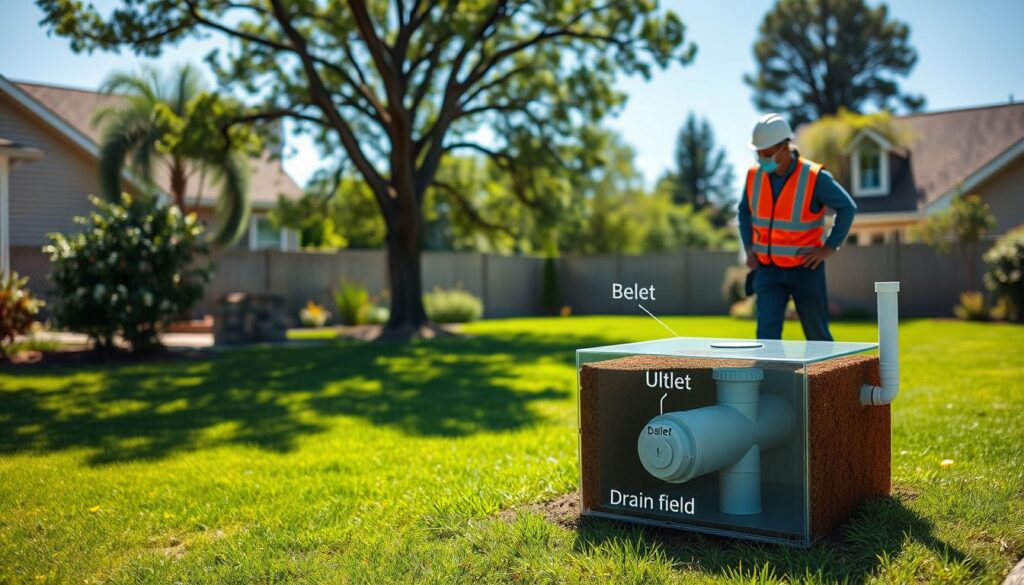
Septic system safety is a big concern for millions of homeowners. When a clogged drain strikes, many turn to quick chemical solutions without thinking about the long-term effects. Knowing if Liquid Plumber is safe for septic tanks can help protect your home’s waste management system and avoid expensive repairs.
Key Takeaways
- 20% of US homes use septic systems instead of public sewers
- Chemical drain cleaners can potentially damage septic system bacteria
- Homeowners need to be cautious about using chemical solutions
- Septic system maintenance requires careful product selection
- Alternative drain cleaning methods exist that are safer for septic systems
Table of Contents
Understanding Septic Systems vs. Public Sewers
Homeowners have two main choices for handling wastewater: septic systems or public sewers. About one in five homes in the U.S. use septic systems. They are key for many rural and suburban areas.
Septic systems have big advantages over public sewers. Septic tank maintenance is all about knowing how they work and their green benefits.
How Septic Tanks Process Waste
Your septic system is like a natural water treatment plant. It holds about 1,000 gallons of water. Beneficial bacteria break down solid waste in it.
- Collecting wastewater from your home
- Separating solids from liquids
- Allowing bacteria to decompose organic matter
- Filtering clean water into the surrounding soil
Benefits of Septic Systems
Septic systems are better for the environment than public sewers. They don’t need harsh chemicals. Using septic-friendly products keeps the tank’s bacteria healthy.
Typical Septic System Design
A typical home septic system has two parts: the septic tank and the drain field. The tank processes waste, and the drain field lets treated water soak into the ground. Regular checks every three to five years keep it working well.
The Critical Role of Bacteria in Septic Systems
Your septic system needs tiny workers to keep it running well. Millions of bacteria break down waste and keep the environment safe.
These tiny heroes work hard in your wastewater treatment. They turn solid waste into liquids and gases that your tank can handle.
- Anaerobic bacteria eat solid waste at the tank’s bottom
- Microorganisms break down complex waste into simpler forms
- Bacterial populations keep the ecosystem balanced
Keeping bacteria in balance is key. Chemicals, harsh cleaners, and too much water can harm them. This can make your system less effective.
Your septic tank’s bacteria work like a top-notch treatment plant. Each one has a job to do, breaking down different waste types. This keeps your system working well and prevents failures.
A healthy bacterial population is essential for optimal septic system performance and longevity.
It’s important to protect these bacteria for your septic system’s health and the environment.
Is Liquid Plumber Safe for Septic Tanks?
It’s important for homeowners to know if liquid drain cleaners are safe for septic systems. Liquid Plumber is a popular choice for tough clogs. But, its effect on septic tanks needs careful checking.
Chemical Composition and Degradation Process
Liquid Plumber has key ingredients that make it effective. The main parts are:
- Sodium hydroxide (lye)
- Aluminum particles
- Water-soluble solvents
These ingredients quickly break down organic matter. They create a reaction that dissolves tough clogs. The process is fast, which helps avoid long-term damage to your septic system.
Impact on Septic Tank Bacteria
Septic tank bacteria are vital for breaking down waste. When looking at Liquid Plumber’s safety for septic tanks, its effect on bacteria is key:
| Potential Impact | Severity | Recommended Action |
|---|---|---|
| Bacterial Disruption | Moderate | Limit Usage |
| Chemical Interference | Low to Moderate | Use Sparingly |
Safe Usage Guidelines
To keep your septic system safe while using liquid drain cleaners, follow these tips:
- Use minimal amounts
- Avoid frequent applications
- Follow manufacturer instructions precisely
- Consider alternative drain cleaning methods
Pro tip: Regular professional septic system checks can help avoid damage from chemical drain cleaners.
How Chemical Drain Cleaners Affect Septic Systems
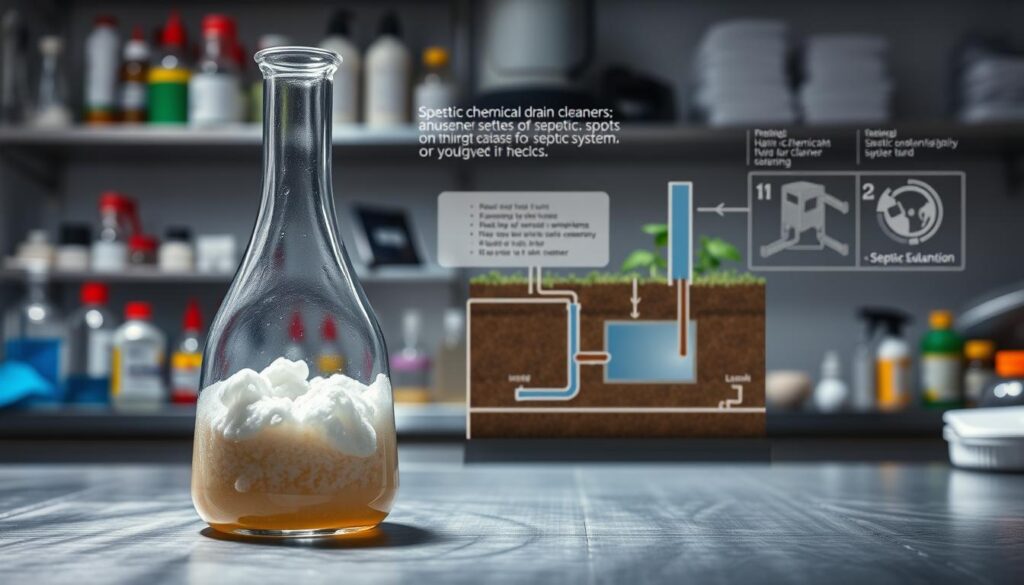
Chemical drain cleaners can harm your septic system’s balance. They might clear clogs fast, but they’re risky. Many homeowners don’t see the danger.
These cleaners upset the bacteria in your septic tank. They kill the good bacteria that break down waste. Without these bacteria, your septic system can fail.
- Bleach-based cleaners eliminate essential bacteria
- Harsh chemical solutions destroy natural waste decomposition processes
- Antibacterial products can completely halt septic tank functionality
The worst chemicals are hydrochloric acid, sodium hydroxide, and others. They kill good bacteria and can damage your septic system. This can lead to big repair bills and harm the environment.
Your septic system relies on a delicate microbial ecosystem that chemical drain cleaners can quickly destroy.
Knowing the risks helps you take care of your septic system. Keeping the bacteria balance is key. It keeps your system safe and avoids costly problems.
Natural Alternatives to Chemical Drain Cleaners
Keeping your septic system safe doesn’t mean you have to live with clogged drains. You can use safe and effective products to fix drainage problems without harsh chemicals. These natural solutions help keep your pipes clear and your septic tank balanced.
Think twice before using harsh chemicals. Instead, try these eco-friendly options that are kind to your plumbing and septic system:
Boiling Water Method
Boiling water is a simple fix for minor clogs. It can dissolve grease and soap in your pipes. Caution: Be careful not to damage porcelain fixtures with boiling water.
- Slowly pour boiling water into the drain
- Do this 2-3 times for the best results
- It works well for kitchen and bathroom clogs
Baking Soda and Vinegar Solution
This combo creates a fizz that can clear out small blockages. It’s a top choice for keeping your drains clean without harming your septic system.
- Pour 1/2 cup baking soda down the drain
- Then add 1/2 cup white vinegar
- Let it sit for 30 minutes
- Flush with hot water
Enzymatic Cleaners
For tough clogs, enzymatic cleaners are a top-notch option. They use natural bacteria to break down organic matter safely, without harming your septic system.
“Prevention is always better than cure when it comes to septic system maintenance.” – Plumbing Experts
Choosing these natural options helps protect your pipes and septic system. It also saves you from the damage and costs of harsh chemicals.
Signs of Septic System Damage from Drain Cleaners
Keeping your septic system safe means watching for damage from chemical drain cleaners. Spotting early signs can stop expensive fixes and big system problems.
Chemical drain cleaners mess with the good bacteria in your septic tank. Look out for these important signs of damage:
- Slow drainage in many places in your home
- Strong bad smells near drains or the septic tank
- Ground around the drainfield feels wet or soggy
- You hear gurgling sounds in your pipes
- Sewage backs up in toilets or sinks
How well you use drain cleaners affects your septic system’s health. Harsh chemicals can kill off the good bacteria needed to break down waste. The Washington Department of Health warns that using chemical cleaners too much can cause the system to fail completely.
| Warning Sign | Potential Cause | Recommended Action |
|---|---|---|
| Sewage Backup | Chemical Bacterial Destruction | Professional Inspection |
| Foul Odors | Bacterial Imbalance | System Treatment |
| Slow Drainage | Chemical Residue Buildup | Enzymatic Cleaner |
Spotting problems early is vital for a healthy septic system and avoiding big repair costs. Keep an eye on things and use safe alternatives to protect your home’s wastewater system from drain cleaner damage.
Proper Septic Tank Maintenance Guidelines
Keeping your septic system in good shape is key to avoiding expensive fixes. A well-maintained septic system protects your property and the environment.
Good septic system care begins with knowing the right maintenance steps. Your septic tank needs regular checks and professional help.
Regular Inspection Schedule
Experts say you should have your septic system checked at least once a year. During these checks, professionals will look at:
- Tank structural integrity
- Waste levels
- Drainage field performance
- Potential signs of wear or damage
Professional Cleaning Intervals
Getting your septic tank cleaned by pros is a must. How often you need cleaning depends on:
| Household Size | Tank Size | Recommended Cleaning Interval |
|---|---|---|
| 1-2 people | 1000 gallons | Every 5-7 years |
| 3-4 people | 1250 gallons | Every 3-5 years |
| 5+ people | 1500 gallons | Every 2-3 years |
Record Keeping Importance
Keeping detailed records of your septic system is vital. Document:
- Inspection dates
- Cleaning records
- Repair history
- System modifications
Proactive maintenance can save you thousands in repair costs and extend your septic system’s life.
Environmental Impact of Chemical Drain Cleaners
Chemical drain cleaners are harmful to our environment. They can damage more than just your pipes. When they get into septic systems and waterways, they cause big problems.
These cleaners have toxic stuff that can harm our planet. They can:
- Contaminate groundwater resources
- Disrupt local ecosystem balances
- Harm beneficial microorganisms in soil and water
- Introduce dangerous chemical compounds into natural habitats
Knowing the risks helps you choose better. Septic systems and water supplies are very sensitive to these chemicals.
| Chemical Component | Environmental Risk | Potential Impact |
|---|---|---|
| Sodium Hydroxide | Water Pollution | High toxicity to aquatic life |
| Sulfuric Acid | Soil Degradation | Reduces soil fertility |
| Bleach Compounds | Ecosystem Disruption | Kills beneficial bacteria |
Your choices have a big impact. By picking environmentally friendly alternatives, you help our planet. You also keep your drains working well.
When to Call a Professional for Septic Issues
Septic tank care can be challenging, and some problems need a pro’s touch. Knowing when to call a professional can prevent expensive fixes and system failures.
Some drain clog solutions need a pro’s help. Look out for these signs that mean you should get expert assistance:
- Persistent sewage backups or slow drains
- Unexplained wet spots or standing water near your septic system
- Foul odors around your property’s drainage areas
- Unusual gurgling sounds from pipes
Professional help is key when DIY fixes don’t work for septic system problems. Experts can spot issues that you can’t see.
“Trying to fix complex septic problems without the right skills can cause a lot of damage and cost a lot.” – Septic System Professionals Association
Septic experts have the right tools and knowledge. They can do detailed checks, find hidden problems, and fix drain clogs that keep your system safe.
Your septic system is a big investment. Get professional help when you see serious problems. Quick expert advice can stop small issues from becoming big, expensive problems.
Conclusion
Figuring out if Liquid Plumber is safe for septic tanks needs careful thought. Your septic system works best with a delicate balance of bacteria. Harsh chemicals can upset this balance, leading to big problems.
Choosing products that are safe for septic systems is key. This helps keep your system working well and avoids expensive fixes.
Regular checks and natural cleaning methods are your best defense. They help keep your septic system running smoothly. If you’re unsure about Liquid Plumber, go for enzymatic cleaners or get advice from a pro.
Being mindful of the environment is also important. Using gentle, safe products helps your home and the planet. This way, you keep your septic system working well for a long time.
Knowing what to do is your strongest ally in caring for your septic system. Spend time learning about your system, find safe cleaning options, and seek expert help when needed. Your careful actions will keep your septic system strong and reliable for your home.