

Affiliate Disclosure
Plumber Guide Guys is a participant in the Amazon Services LLC Associates Program, an affiliate advertising program designed to provide a means for sites to earn advertising fees by advertising and linking to Amazon.
What Does ABS Stand for Plumbing? Ever wondered about the three letters that changed plumbing? ABS, or Acrylonitrile Butadiene Styrene, is a special plastic. It has changed how we install pipes in homes and businesses.
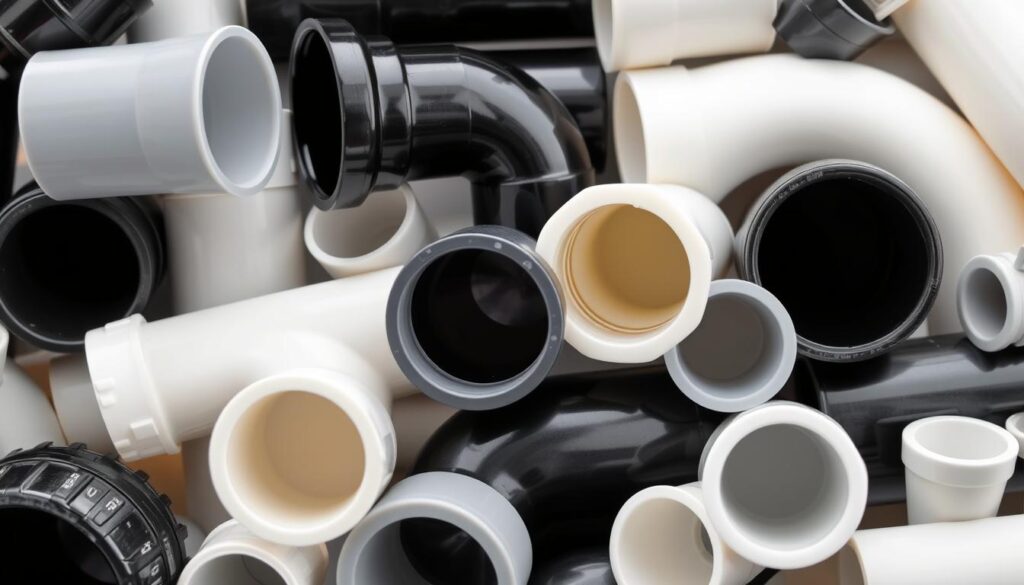
ABS is a key player in plumbing. It’s known for its top-notch performance in drainage and waste systems. This plastic is made to last, meeting high standards in the industry.
Learning about ABS in plumbing can help you choose better for your projects. ABS pipes are strong and affordable. They’re great for underground work and complex waste systems.
Key Takeaways
- ABS stands for Acrylonitrile Butadiene Styrene
- Used extensively in modern plumbing systems
- Offers superior durability and chemical resistance
- Lightweight and easy to install compared to metal pipes
- Meets strict building and safety regulations
Table of Contents
Understanding ABS Pipe Material and Its Components
ABS plastic pipes are a big step forward in plumbing. They are made to work well in moving water and waste. This makes them key in modern plumbing systems.
The abs drain pipe is made from a special synthetic polymer. It’s known for being tough and having great technical features. This material is a standout in the plumbing world.
Chemical Composition of ABS
ABS is a terpolymer made from three main parts:
- Acrylonitrile: Gives it chemical resistance
- Butadiene: Boosts impact strength
- Styrene: Makes it have a smooth surface and be rigid
Physical Properties and Characteristics
The mix of these materials gives ABS amazing qualities:
- It can handle high temperatures well
- It’s very strong against impacts
- It’s stable against chemicals
- It’s also light
Manufacturing Process Overview
ABS pipes are made through a detailed polymerization process. This process controls the mix of chemicals. It makes sure the pipes are consistent in quality and performance.
This careful making ensures the pipes meet high standards. They work well in homes and businesses.
What Does ABS Stand for in Plumbing: A Complete Definition
When we talk about what does abs stand for in plumbing, it’s Acrylonitrile Butadiene Styrene. This is a special plastic that has changed the way we use pipes today. It’s a key part of plumbing in homes and businesses.
ABS pipes are known for their strength and ability to handle different conditions. Knowing the abs plumbing code helps experts pick the best pipes for each job.
- Chemical resistance to corrosive substances
- High temperature tolerance
- Lightweight construction
- Excellent impact strength
Plumbers love ABS for its solid design. Its molecular makeup makes pipes strong against high pressure and damage. It also doesn’t rust, rot, or break down from chemicals, making it last a long time in buildings.
“ABS pipes represent a technological breakthrough in modern plumbing solutions” – Plumbing Engineering Association
Knowing about ABS pipes is more than just knowing what they’re made of. It’s about understanding a top-notch engineering solution. It meets high standards and helps manage water efficiently.
The History and Evolution of ABS Piping Systems
ABS piping systems have seen big changes from when they first came out. They have changed how plumbers solve problems today.
The story of ABS pipes started in the mid-20th century. It was a big step forward in plumbing tech. People saw that acrylonitrile butadiene styrene was great for drainage systems.
Early Development Stages
In the 1950s and 1960s, engineers looked into using ABS instead of old materials. Important steps included:
- Starting to study synthetic polymers
- First making ABS drainage parts for sale
- Testing how long ABS parts last
Modern Advancements in ABS Technology
New tech has made ABS pipes better. Makers have worked on making them stronger, more flexible, and better against the weather.
- Better against chemicals
- Stays stable in heat
- More eco-friendly to make
Industry Standards and Regulations
Rules for ABS pipes have gotten stricter for safety and quality. Groups have made detailed rules for using ABS in buildings and plumbing.
The growth of ABS pipes shows a dedication to keeping plumbing top-notch.
Now, pros use ABS pipes for their great performance. They meet tough abs plumbing code rules in homes and businesses.
Key Benefits and Advantages of ABS Plumbing
Choosing the right piping material is key for your plumbing project. ABS pipes stand out with their many advantages. Knowing the differences between ABS and PVC can help you decide what’s best for you.
- Exceptional Lightweight Design: ABS pipes are much lighter than metal, making them easier to install and less stressful on structures
- Superior Impact Resistance: These pipes can handle rough handling and harsh conditions without cracking
- Impressive Temperature Performance: ABS pipes can handle cold temperatures well
ABS pipes are durable, making them great for homes and businesses. They resist chemicals and have a smooth inside to prevent corrosion and reduce friction. This ensures they last a long time.
| Property | ABS Performance | Comparative Material |
|---|---|---|
| Weight | Lightweight | Heavy Metal Pipes |
| Temperature Tolerance | -40°F to 180°F | Limited Range |
| Installation Complexity | Easy | Moderate to Difficult |
ABS plumbing is also cost-effective. It saves on material and labor costs because it’s quick to install and needs little maintenance. Its versatility comes from being compatible with many connection methods.
ABS pipes are a reliable choice for plumbers and DIYers alike. They offer strength, flexibility, and performance, making them a popular choice in modern building.
Common Applications and Uses in Modern Plumbing
ABS pipes are key in modern plumbing, working well in many places. They are strong and help with drainage and waste in homes, businesses, and factories.
Knowing about abs drainage system components helps both pros and homeowners choose the right plumbing.
Residential Plumbing Essentials
In homes, ABS pipes are great for many things:
- Drain and waste system installations
- Vent pipe configurations
- Underground drainage networks
- Bathroom and kitchen plumbing connections
Commercial and Industrial Uses
For big projects, plumbers use different abs plumbing fittings types:
| Application | Specific Use |
|---|---|
| Sewer Systems | Large-scale waste management |
| Industrial Drainage | Chemical-resistant piping solutions |
| Electrical Conduit | Protective insulation for wiring |
Specialized Installation Requirements
Installing ABS pipes right is important. Professional help ensures the plumbing works well for a long time.
ABS pipes are a vital part of modern infrastructure, known for their strength and flexibility.
When choosing and installing ABS pipes, consider local rules, the environment, and the project’s needs.
ABS vs PVC: Understanding the Key Differences
Choosing the right pipes for your plumbing project is key. ABS and PVC are two popular options with different features. They suit various needs in abs vs pvc plumbing.
ABS (Acrylonitrile Butadiene Styrene) and PVC (Polyvinyl Chloride) pipes have unique benefits. Let’s look at their main differences:
- Chemical Composition: ABS is a thermoplastic polymer with higher impact resistance
- Temperature Performance: ABS does well in cold environments
- Color Options: ABS is usually black, PVC is white or gray
- Sound Dampening: PVC is better at reducing noise
Knowing the abs plumbing code requirements is vital. Different areas have their own rules for pipe use.
| Characteristic | ABS | PVC |
|---|---|---|
| Impact Resistance | High | Moderate |
| Cold Temperature Performance | Excellent | Limited |
| Flexibility | Less Flexible | More Flexible |
| Noise Reduction | Standard | Superior |
Your project needs will decide which material is best. Getting professional advice can help you choose wisely.
Installation Techniques and Best Practices
Installing ABS drainage system components needs precision and detail. Whether you’re a DIY fan or a pro plumber, knowing the right methods is key. This ensures your plumbing system works well without leaks.
Essential Tools and Materials
Before you start with ABS pipe installation, make sure you have these important tools and materials:
- ABS pipes and fittings
- Pipe cutter or hacksaw
- Measuring tape
- ABS primer
- ABS cement
- Sandpaper or deburring tool
- Protective gloves
- Safety glasses
Step-by-Step Installation Guide
- Measure and mark your abs drainage system components precisely
- Cut pipes squarely using a pipe cutter
- Clean pipe ends with sandpaper to remove burrs
- Apply ABS primer to pipe and fitting surfaces
- Immediately apply ABS cement
- Connect pipes quickly and hold firmly for 30 seconds
- Allow joint to cure for 24 hours before pressurizing
Safety Considerations
Working with ABS pipes requires careful safety steps. Always work in a well-ventilated area when using primers and cements. Wear protective eyewear and gloves to avoid chemical exposure. Keep cement away from skin and clothing.
Pro Tip: Always read manufacturer instructions for specific installation guidelines for your abs plumbing fittings types.
Maintenance and Troubleshooting ABS Plumbing Systems
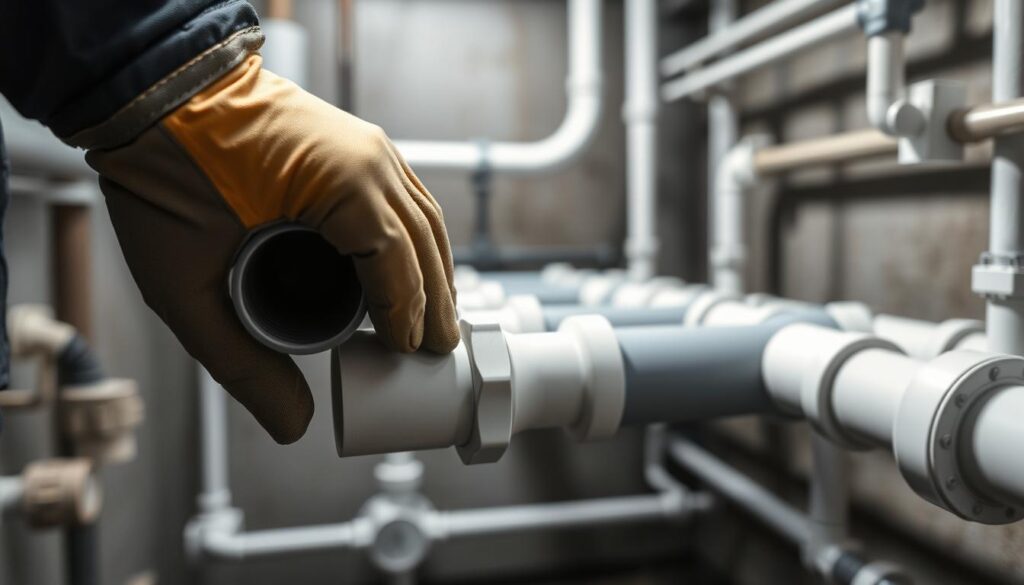
Keeping your ABS drainage system in good shape is key to avoiding expensive fixes. Knowing the abs pipe temperature rating and regular upkeep can make your plumbing last longer.
Regular care includes several important steps to keep your ABS pipes working well:
- Do visual checks every 6-12 months
- Look for signs of wear, cracks, or damage
- Clean the pipes to stop buildup and clogs
- Watch the temperature to protect the pipes
Fixing common problems needs a careful plan. Look out for these issues:
- Leaks at joint connections – Check for proper sealing and alignment
- Temperature-related stress – Make sure pipes stay within the abs pipe temperature rating
- Unusual noises or slow drainage – Look for blockages
When dealing with ABS drainage, it’s smarter to prevent problems than fix them. Get a professional check every few years to catch issues early. Keep your plumbing system in top shape by being proactive about maintenance.
Pro tip: Keep detailed records of your plumbing system’s maintenance and any repairs to track its long-term performance.
Understanding Building Codes and Regulations for ABS Plumbing
Dealing with ABS plumbing code requirements can be tough. Building codes for ABS drainage systems change a lot from place to place. It’s key to know the local rules before starting any plumbing work.
Local building codes are very important for using ABS pipes. Some areas have rules because of fire safety and material concerns. Knowing these rules can help you avoid problems and save money.
Key Local Code Considerations
- Check municipal building department regulations
- Verify material compatibility with local standards
- Understand specific installation requirements
- Review fire safety guidelines for ABS materials
Certification and Compliance Standards
Professional plumbers must follow strict rules for ABS drainage systems. They need to meet both national and local codes. This means:
- Choosing the right materials
- Installing them correctly
- Following the manufacturer’s guidelines
- Passing inspections
Professional Installation Requirements
ABS plumbing usually needs a pro’s touch. Even simple tasks can be tricky. Licensed plumbers know the abs plumbing code requirements well.
They make sure your system is safe and works right. Always talk to a local licensed pro for your ABS plumbing project.
Conclusion
Knowing what ABS stands for in plumbing is key for everyone. Acrylonitrile butadiene styrene (ABS) is a top choice for pipes. It’s durable and reliable for many plumbing tasks.
ABS pipes beat PVC in many ways. They handle chemicals, impacts, and temperature changes better. For the best results, check out ABS pipe guides online.
Getting ABS pipes installed right is important. You need to know local codes and how to use the pipes. ABS is great for homes and businesses alike.
Success in plumbing comes from knowing your stuff. ABS pipes are strong and last long. With the right knowledge, your plumbing will be top-notch.