
Affiliate Disclosure
Plumber Guide Guys is a participant in the Amazon Services LLC Associates Program, an affiliate advertising program designed to provide a means for sites to earn advertising fees by advertising and linking to Amazon.
Ever thought about how bath bombs might harm your plumbing? These colorful treats have become super popular, making a big splash in the market. Now, many people wonder: are bath bombs bad for plumbing?
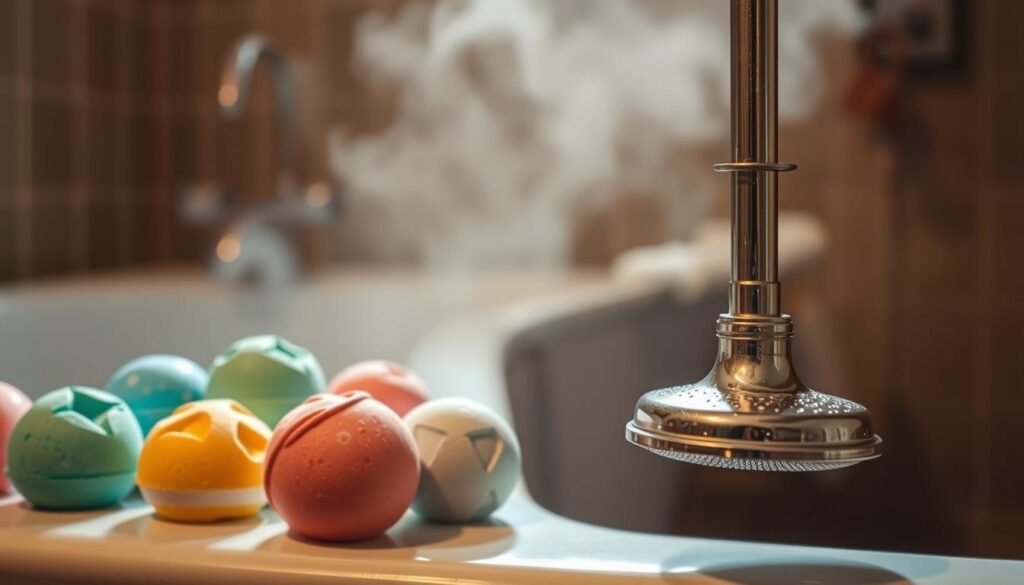
The self-care trend has turned bath time into a special experience. Companies like Lush and Bath & Body Works have seen their sales soar. But, there’s a hidden risk of bath bomb plumbing damage that many ignore.
It’s important to know how bath bombs can affect your pipes. They may promise relaxation and nice smells, but they can leave harmful residues. This could damage your plumbing system over time.
Key Takeaways
- Bath bombs are increasingly popular in the self-care market
- Potential risks to plumbing systems exist with frequent use
- Understanding ingredient composition is critical
- Not all bath bombs are created equal
- Preventive measures can minimize plumbing risks
Understanding Bath Bombs and Their Rising Popularity
Bath bombs have changed the way we relax at home. They are colorful, fragrant, and turn our baths into spa-like experiences. You don’t need to leave your bathroom to enjoy a spa day.
The self-care movement has made bath bombs very popular. Despite some concerns about plumbing issues, people love their sensory appeal.
The Self-Care Revolution and Bath Bomb Statistics
Recent studies show the bath bomb industry is growing fast:
- Sales from popular brands have doubled in recent years
- Over 60% of millennials consider bath bombs a key relaxation tool
- Online sales have increased by 45% in the past two years
Why People Love Bath Bombs
People love bath bombs for many reasons. The sensory experience of vibrant colors, luxurious scents, and skin-nourishing ingredients is amazing. Even though some ingredients might cause plumbing damage, people enjoy their benefits.
The Growing Market Trend
The bath bomb market is getting bigger. New, eco-friendly options are attracting more customers. Brands are now making products that address plumbing damage concerns, making bath bombs more appealing than ever.
What’s Inside Your Bath Bomb: Common Ingredients
Bath bombs are more than just colorful spheres of relaxation. They’re complex mixtures of ingredients that create a luxurious bathing experience. Understanding these components is key to avoiding bath bomb residue in pipes and preventing plumbing damage.
The typical bath bomb contains a blend of key ingredients. These ingredients work together to create their signature fizz and fragrance:
- Baking soda: Provides the primary fizzing reaction
- Citric acid: Triggers the effervescent effect
- Epsom salts: Offers muscle relaxation benefits
- Essential oils: Delivers aromatic experiences
- Cornstarch: Helps slow down the fizzing reaction
When considering if bath bombs harm plumbing, it’s important to look at the problematic ingredients. Oils and butters can solidify in your pipes, causing blockages. Decorative elements like glitter or flower petals also pose risks to your plumbing system.
| Ingredient | Potential Plumbing Impact | Risk Level |
|---|---|---|
| Cocoa Butter | Solidifies at room temperature | High |
| Essential Oils | Can leave residue in pipes | Medium |
| Glitter | Non-dissolving particles | High |
Pro tip: Always check the ingredient list of your bath bombs to understand their impact on your home’s plumbing system.
Are Bath Bombs Bad for Plumbing: The Truth Revealed
Bath bombs might seem like a luxury for your self-care routine. But, they can harm your plumbing system. It’s important to know how they affect your pipes to avoid costly damage and repairs.
How Bath Bombs Affect Your Pipes
Clogged drains from bath bombs are more common than you think. These products have a mix of ingredients that can damage your plumbing. The oils and solid particles in bath bombs can block your pipes, causing problems in older or sensitive systems.
- Oils solidify at room temperature, creating sticky residue
- Solid glitter and flower particles can get trapped in pipe walls
- Mineral salts may accumulate and create hard deposits
Signs of Plumbing Damage from Bath Bombs
Spotting early signs can help prevent big plumbing problems. Look out for these signs of damage from bath bombs:
- Slow drainage in your bathtub or shower
- Unusual gurgling sounds from drains
- Recurring clogs that seem unrelated to typical debris
Long-term Effects on Plumbing Systems
Bath bombs and septic systems don’t always get along. Using them too much can cause long-term problems that might need a professional fix.
| Plumbing Component | Potential Damage | Repair Complexity |
|---|---|---|
| Drain Pipes | Oil and Particle Buildup | Moderate |
| Septic Systems | Bacterial Disruption | High |
| Pipe Joints | Residue Accumulation | Low to Moderate |
To protect your plumbing, use bath bombs less and follow proper disposal and cleaning. Your pipes will appreciate the extra care.
The Science Behind Bath Bomb Reactions
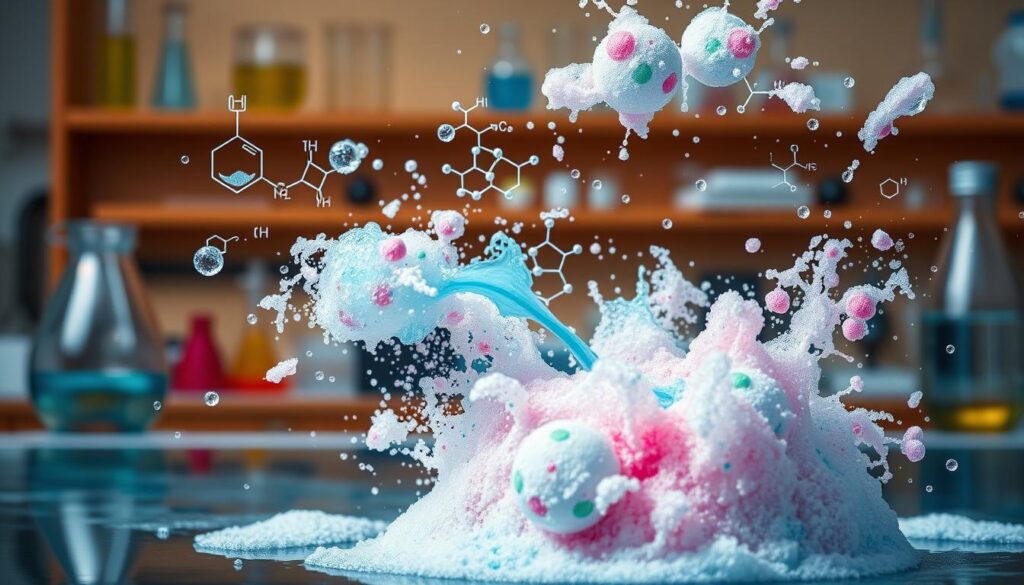
When you drop a bath bomb into water, a fascinating chemical dance begins. The science behind bath bombs shows why they can harm your plumbing. This damage comes from the reaction between baking soda and citric acid.
The fizzing you see is an acid-base reaction. It changes your bathtub in a dramatic way. As the bath bomb dissolves, it releases carbon dioxide gas. This gas creates the bubbling and effervescent effect that bath bombs are known for.
- Baking soda (sodium bicarbonate) acts as the base
- Citric acid serves as the acidic component
- Warm water triggers the chemical reaction
- Carbon dioxide gas creates the fizzing effect
While the reaction looks magical, it can harm your plumbing. The ingredients in bath bombs can leave residues in pipes. These can cause clogs and damage over time, making bath bombs a concern for homeowners.
The beauty of a bath bomb’s chemistry is matched only by the risks it poses to your home’s plumbing infrastructure.
Knowing the science behind bath bombs helps you make better choices. The chemical interaction might be stunning, but think about the long-term effects on your pipes and drainage system.
How Bath Bombs Can Create Plumbing Clogs
Bath bombs might seem harmless, but they can harm your plumbing. It’s important to know how they can clog drains. This knowledge helps protect your pipes and avoid expensive fixes.
Enjoying a bath with bath bombs might lead to plumbing problems. The residue from bath bombs can cause big issues with your drainage system.
Oil-Based Residue Problems
Bath bombs have oils that can cause plumbing problems. When these oils cool, they solidify and stick to pipes. This creates layers of wax that narrow your pipes and trap debris.
- Coconut oil can quickly solidify at lower temperatures
- Essential oils leave sticky residue in pipe joints
- Mineral oils create long-lasting buildup
Solid Particle Accumulation
Bath bombs also have solid particles that block pipes. Glitter, dried flower petals, and cornstarch can get stuck in pipe curves. This creates tough clogs.
| Particle Type | Clogging Potentia | Pipe Damage Risk |
|---|---|---|
| Glitter | High | Moderate |
| Dried Flowers | Medium | Low |
| Cornstarch | High | High |
Temperature Effects on Bath Bomb Ingredients
Temperature affects how bath bomb ingredients interact with your plumbing. Warm water can temporarily suspend oils and particles. But when temperatures drop, these substances can stick to pipe surfaces.
Be careful with bath bomb ingredients to protect your plumbing. Their long-term effects on your drainage system are important to consider.
Bath Bombs and Different Plumbing Systems
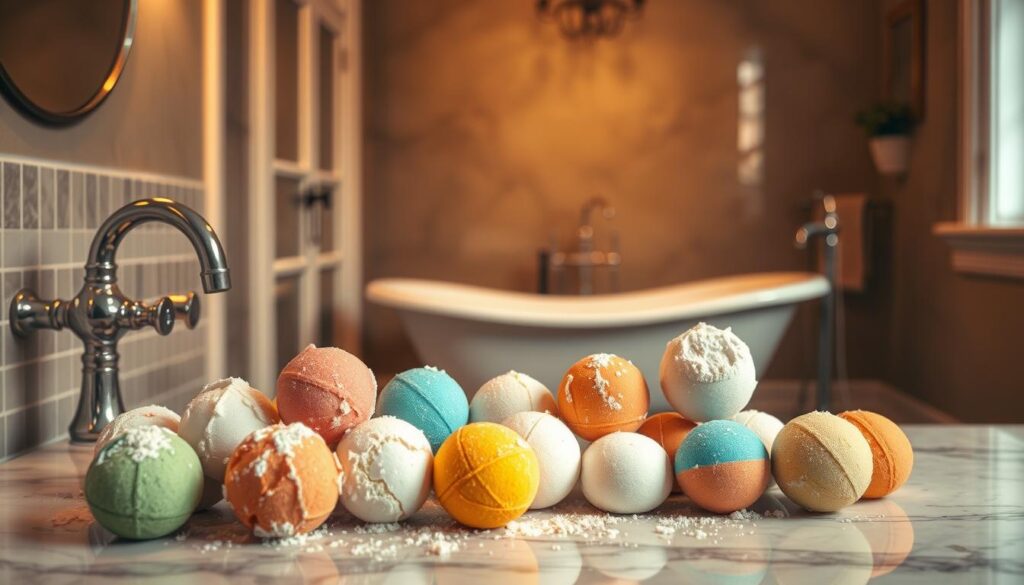
Your home’s plumbing system can be surprisingly vulnerable to bath bombs. Different types of plumbing have unique sensitivities that can be affected by these popular bath products. Understanding how bath bombs interact with various plumbing setups can help you protect your pipes and avoid costly repairs.
Septic systems are very sensitive to bath bomb ingredients. The oils, glitters, and artificial colors can disrupt the delicate bacterial balance inside your septic tank. These additives may:
- Coat pipe walls with waxy residue
- Interfere with natural waste decomposition
- Create possible blockages in drainage pipes
Traditional municipal plumbing systems aren’t immune to bath bomb damage either. Do bath bombs harm plumbing? Absolutely. The complex mix of oils, fragrances, and solid particles can accumulate in pipes, creating possible clogs and reducing overall drainage efficiency.
“Prevention is always cheaper than repair when it comes to plumbing maintenance.” – Professional Plumbing Association
Hot tub owners should be very cautious. Bath bombs can wreak havoc on jet systems and internal plumbing components. The combination of oils and solid particles can:
- Clog jet mechanisms
- Leave residue in pipes
- Potentially damage filtration systems
Knowing how bath bombs and septic systems interact is key for maintaining your home’s plumbing infrastructure. Always consider your specific plumbing type before dropping that colorful, fragrant bath bomb into your tub.
Safe Ways to Use Bath Bombs Without Damaging Pipes
Bath bombs make your bath time more enjoyable. But, it’s important to protect your plumbing. Knowing how to use bath bombs safely can help you relax without worrying about pipe damage.
To avoid plumbing problems from bath bombs, you need to be careful. A few simple steps can help protect your home’s drainage system.
Preventive Containment Strategies
- Use a mesh bag or nylon stocking to contain bath bomb ingredients
- Place bath bombs in breathable fabric to prevent direct contact with drain
- Create a barrier between dissolving bath bomb and plumbing pipes
Drain Maintenance Techniques
After your bath bomb bath, take steps to protect your pipes:
- Flush drain with very hot water immediately after bathing
- Use natural cleaning solution of vinegar and baking soda monthly
- Run warm water for 2-3 minutes to clear any residue
Disposal Best Practices
Proper disposal is key to keeping your pipes in good shape. Always strain bath water to catch loose particles and avoid sending them down the drain.
Clean pipes start with mindful bath bomb usage!
By following these tips, you can enjoy your bath bombs while keeping your plumbing system healthy and working well.
Alternative Bath Products for Plumbing Safety
Protecting your plumbing doesn’t mean giving up on relaxation. There are many safe bath products that offer luxury without harming your pipes. Knowing which bath bomb ingredients can damage plumbing helps you choose better for your self-care.
Here are some plumbing-friendly alternatives to keep your pipes clear:
- Mineral Bath Salts: Dissolve completely and leave minimal residue
- Water-soluble bubble baths
- Natural essential oil-based liquid soaks
- Organic bath powders without waxy components
When picking safe bath bombs for plumbing, look for water-soluble ingredients. Specialized bath products designed to protect your plumbing let you enjoy baths worry-free.
If you like DIY, you can make your own bath products. Use ingredients like Epsom salts, baking soda, and natural essential oils. These homemade options give you a spa feel without harming your pipes.
Pro tip: Always rinse your tub thoroughly after using any bath product to prevent buildup.
Maintaining Your Plumbing While Using Bath Bombs
Bath bombs can make your baths more enjoyable. But, they can also cause plumbing issues if not maintained properly. Your pipes need extra care when you use these colorful, fragrant products often.
To keep your plumbing safe from bath bombs, follow these important steps:
- Install mesh drain covers to catch solid particles
- Flush pipes regularly with hot water
- Use enzymatic drain cleaners monthly
- Inspect pipes for early signs of buildup
Getting professional help is also key. Think about getting your drains cleaned once a year. This helps remove any buildup from bath bomb ingredients.
| Maintenance Practice | Frequency | Benefit |
|---|---|---|
| Drain Cover Usage | Every Bath | Prevents Particle Accumulation |
| Hot Water Flush | Weekly | Removes Soft Residues |
| Professional Cleaning | Annually | Deep Pipe Maintenance |
Look out for signs like slow drains or bad smells. These could mean you have plumbing problems from bath bombs. Catching these early can save you from expensive fixes.
Regular maintenance is your best defense against plumbing problems from bath bombs.
By following these tips, you can enjoy your bath bombs without harming your plumbing. Keep your home’s pipes in good shape.
Professional Plumbing Solutions for Bath Bomb Related Issues
Bath bomb plumbing damage can quickly turn a relaxing self-care routine into a costly home repair. Knowing when to call a professional can save you time and money. It helps fix clogged drains from bath bombs.
It’s important to know when to call a plumber to protect your home’s plumbing. Look out for these signs:
- Persistent slow drainage in your bathtub
- Recurring clogs that don’t resolve with standard home treatments
- Unusual gurgling sounds from pipes after bath bomb use
- Water backing up in multiple drain locations
When Professional Help is Essential
Professional plumbers have the tools and knowledge to tackle tough bath bomb plumbing problems. Hydro jetting is a method they might use to clear tough blockages from bath bomb residue.
Common Professional Repair Solutions
Experts usually suggest these fixes for bath bomb plumbing damage:
- Camera inspection to find exact blockage spots
- Professional drain cleaning with special tools
- Pipe descaling to remove mineral and residue buildup
- Potential pipe section replacement if damage is severe
Trying DIY fixes can make clogged drains worse. Professional plumbers can quickly find and fix problems. They prevent long-term damage to your home’s plumbing.
Conclusion
Understanding if bath bombs are bad for plumbing is important. They offer a luxurious bath experience but can be risky. To avoid problems, it’s key to know how to use them wisely.
It’s all about finding a balance. Choose quality bath bombs and use them less. Also, take steps to protect your pipes. This way, you can enjoy bath bombs without harming your plumbing.
Following the advice in this article can help a lot. Regular maintenance and careful disposal are essential. This keeps your plumbing in good shape.
Enjoying bath bombs doesn’t have to harm your plumbing. With the right choices and care, you can have a great bath experience. Your pipes will stay clean and working well.
FAQ
Are bath bombs actually bad for my plumbing?
Bath bombs can harm your plumbing. Their ingredients, like oils and glitter, can clog pipes. These materials can stick to pipe walls, causing damage over time.
How do bath bombs cause plumbing problems?
Bath bombs can clog pipes in several ways. Oils and waxes solidify in pipes, trapping debris. Decorative items like glitter can stick to these residues, causing blockages.
Can bath bombs damage septic systems?
Yes, bath bombs can harm septic systems. Their oils and non-biodegradable particles can upset the balance of bacteria. This can lead to blockages and costly repairs.
What are the signs that bath bombs are damaging my pipes?
Look out for slow-draining water and recurring clogs. Unusual sounds or oily residue around drains are also warning signs. These could mean your pipes are in trouble.
Are there any bath bombs that are safe for plumbing?
Choose bath bombs with minimal oils and no glitter. Opt for products with natural, water-soluble ingredients. Brands that market their products as safe for pipes are a good choice.
How can I prevent plumbing damage when using bath bombs?
Use a mesh bag to keep bath bombs from releasing particles. Flush your drain with hot water after each use. Consider a drain strainer and use bath bombs less often.
What alternatives are there to traditional bath bombs?
Try bath salts or liquid bath oils. DIY bath products with natural ingredients are also good options. Look for products that dissolve completely without leaving residue.
When should I call a professional plumber about bath bomb-related issues?
Call a plumber for persistent clogs or slow drainage. Unusual odors or problems with multiple drains are also signs to seek help. Plumbers can use specialized techniques to clean out buildup.