
Affiliate Disclosure
Plumber Guide Guys is a participant in the Amazon Services LLC Associates Program, an affiliate advertising program designed to provide a means for sites to earn advertising fees by advertising and linking to Amazon.
Does a Plumber Install Gas Lines? Ever thought about who sets up the gas lines in your home? Do plumbers really handle gas line installation, or is it too complex for them?
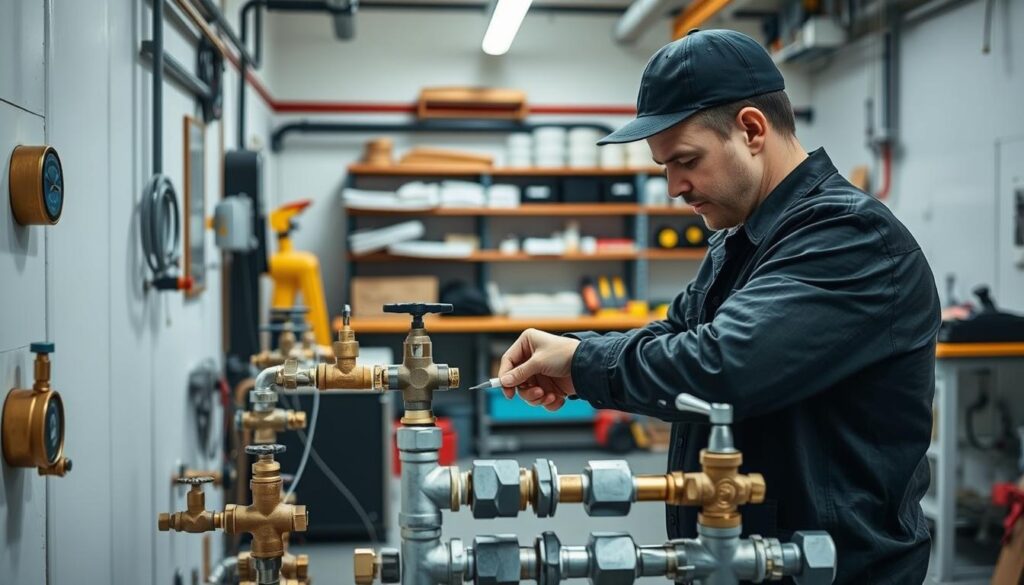
Installing gas lines is a job that needs careful attention, technical skills, and strict safety rules. Many people think only certain experts can do this, but plumbers often play a big part in it too.
Knowing who can safely install gas lines is key to keeping your home safe and your appliances working well. Plumbers with the right training and certifications are usually up for the task. They bring skills that go beyond just fixing water and drainage issues.
Key Takeaways
- Gas line installation requires specialized training and certification
- Professional plumbers can be qualified to install gas lines
- Safety is a top priority in gas line installation
- State laws differ on who can install gas lines
- Having the right certification means your gas line work is reliable and safe
Table of Contents
Understanding Gas Line Installation Basics
Gas line installations are complex and need special knowledge. If you’re thinking about gas line work for your home, knowing the basics is key. Licensed plumbers for gas lines have the skills to make sure your gas system works right and safely.
Gas line systems have many important parts that work together. They deliver fuel safely to your home’s appliances. Plumbing services for gas know how to handle these complex systems.
Key Components of Gas Line Systems
- Gas meters
- Pressure regulators
- Shut-off valves
- Pipe connections
- Leak detection mechanisms
Residential Gas Line Varieties
Different homes need different gas line setups. The main types are:
- Natural gas lines for main heating
- Propane gas lines for homes without a gas line
- Lines for kitchen appliances
- Outdoor cooking and heating systems
Critical Safety Standards
Gas line installations follow strict rules. Licensed plumbers for gas lines follow these rules to keep homeowners safe.
| Safety Regulation Category | Key Requirements |
|---|---|
| Material Standards | Approved pipe materials and connection types |
| Pressure Testing | Mandatory leak and pressure assessments |
| Ventilation | Proper airflow and exhaust mechanisms |
| Installation Depth | Specific underground depth requirements |
Professional plumbing services for gas make sure your gas line meets all safety standards. This keeps your home and family safe from risks.
Does a Plumber Install Gas Lines?
Not all plumbers can handle gas line installations. A specialized natural gas line plumber is key for safe and proper gas pipe installation. They work on both residential and commercial properties.
These plumbers get extensive training for gas line work. They know more than regular plumbing, focusing on gas line systems.
- Certified natural gas line plumbers complete specialized training
- Understand complex local and state regulations
- Possess advanced safety knowledge for gas line installations
- Can perform precise leak detection and prevention
Choosing the right professional is very important. Your safety depends on choosing a licensed and experienced gas pipe installation professional who knows gas line work well.
“Not all plumbers are qualified to install gas lines. Always verify certifications and specialized training.” – Professional Plumbing Association
Different gas line installations need different skills. Whether it’s for a kitchen, outdoor grill, or a big facility, a qualified plumber will do it right. They follow strict safety standards.
Improper gas line installation can lead to gas leaks, fires, and damage. But, experts in gas pipe installation avoid these risks. They do it with the right training and careful work.
Required Certifications for Gas Line Installation
To become a certified gas line plumber, you need more than skills. You must also get professional certification. This ensures you can handle gas line installations safely and protect everyone involved.
Getting plumber gas line certification means following specific rules that change by state. Each place has its own rules for gas line work. So, getting thorough training is key.
State-Specific Licensing Requirements
States have different rules for gas line professionals. For example, in Texas, plumbers need a license from the Texas State Board of Plumbing Examiners (TSBPE) to work on gas lines. These rules usually include:
- Completing approved training programs
- Passing detailed written exams
- Showing you can do the job well
- Keeping up with safety certifications
Professional Training and Experience
To get a certified gas line plumber credential, you need a lot of education and hands-on experience. Most programs ask for:
- Apprenticeships
- Technical school classes
- Real-world installation practice
- Continuing education
Insurance and Liability Coverage
Having professional liability insurance is vital for gas line work. It protects both the plumber and the client from accidents or damage.
| Certification Level | Minimum Insurance Requirements | Coverage Amount |
|---|---|---|
| Entry-Level | General Liability | $500,000 |
| Professional | Professional Liability | $1,000,000 |
| Master Plumber | Comprehensive Coverage | $2,000,000 |
Getting the right certification and insurance shows you’re serious about being great at gas line installation.
Gas Line Installation Process and Methods
Installing a gas line needs skill, precision, and strict safety rules. Experts in gas pipe installation follow a detailed process. This ensures safe and efficient gas line setup for homes and businesses.
The installation process includes several key steps:
- Comprehensive site assessment
- Detailed planning and measurement
- Material selection and preparation
- Precise pipe routing
- Secure connection and fitting
- Pressure testing and verification
“Safety is key in gas line installation. Always choose certified pros who know local building codes and rules.” – National Plumbing Safety Association
Experts start by mapping out the gas line route. They think about:
- Building structure
- Appliance locations
- Local building codes
- Safety needs
Skilled plumbers use special tools and methods for accurate measurements and strong connections. They pick the right materials for the job and local laws.
| Installation Step | Key Considerations |
|---|---|
| Site Assessment | Evaluate property layout, possible obstacles |
| Material Selection | Choose between black iron, copper, or flexible gas lines |
| Pressure Testing | Check line strength and find leaks |
Remember, gas line installation is not for DIY. Always trust certified gas pipe installation experts for safety and local rule compliance.
Common Gas Line Materials and Their Applications
Choosing the right materials is key for safe and efficient gas lines. A natural gas line plumber knows that the material affects your system’s performance and life.
Different materials have unique qualities for various uses. Your choice impacts costs, durability, and system reliability.
Black Iron Pipe vs Flexible Gas Lines
Two main materials are used in gas line installations:
- Black Iron Pipe: Traditional, rigid, and very durable
- Flexible Gas Lines: Modern, adaptable, and simpler to install
Material Selection Criteria
Experts consider several factors when picking gas line materials:
- Local building codes
- Environmental conditions
- Installation complexity
- Budget constraints
Installation Cost Factors
| Material Type | Average Cost per Linear Foot | Installation Difficulty |
|---|---|---|
| Black Iron Pipe | $5 – $10 | High |
| Flexible Gas Lines | $2 – $7 | Low |
Pro tip: Always consult a licensed professional for residential gas line services to ensure proper material selection and safe installation.
Safety Measures During Gas Line Installation
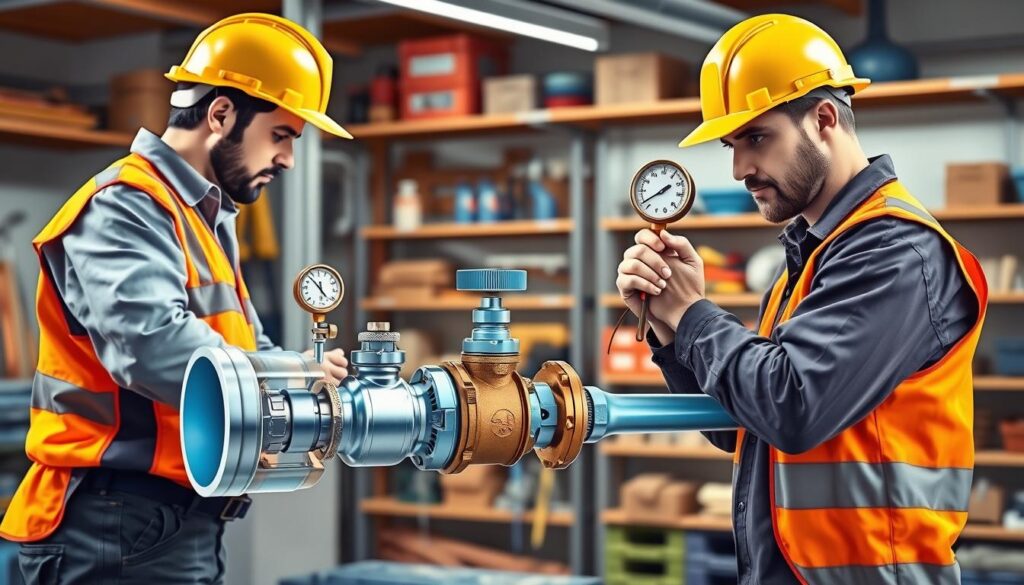
Safety is a must when installing gas lines. Licensed plumbers follow strict rules to keep everyone safe. This includes homeowners and workers.
Professional plumbing services for gas take many safety steps. These steps are more than just installing gas lines. They protect your home and family from gas dangers.
- Comprehensive leak detection before and after installation
- Proper ventilation assessment
- Use of specialized safety equipment
- Thorough connection testing
Licensed plumbers for gas lines use important safety steps. These include:
- Pressure Testing: Checking gas line strength with special gauges
- Connection Inspection: Making sure all connections are tight and leak-free
- Protective Gear: Wearing safety gear like gas detectors and protective clothes
“Safety is not an option—it’s a requirement in gas line installation.” – Professional Plumbing Association
Choose plumbing services for gas that focus on safety. They use advanced tools to find risks before, during, and after installation.
Installing gas lines is not a job for DIY. Always go with certified professionals. They know the safety rules and local laws for gas line work.
Signs You Need Gas Line Repair or Replacement
Your home’s gas line system needs regular checks for safety and efficiency. Spotting problems early can avoid dangers and expensive fixes for gas line services.
Gas line issues can sneak up on you. It’s key to know the signs that mean you need a plumber to check your system.
Gas Leak Detection Methods
Spotting gas leaks needs sharp eyes. Look out for these important signs:
- Distinctive rotten egg smell (artificial gas odor)
- Unusual hissing sounds near gas lines
- Dead or dying plants around gas lines
- Unexpected rise in gas bills
- Visible rust on gas pipes
Emergency Response Procedures
If you think there’s a gas leak, act fast:
- Get out of the area right away
- Stay away from electrical switches and sparks
- Call emergency services and your gas company
- Don’t go back inside until it’s safe, says the experts
Preventive Maintenance Tips
Keep your home and family safe with regular gas line care:
- Book yearly checks with certified pros
- Regularly check gas appliance connections
- Put gas leak detectors in important spots
- Swap out old gas lines before they’re a risk
Professional gas line services can keep your system safe and working well. Always choose a skilled plumber for thorough checks and fixes.
Cost Factors in Gas Line Installation
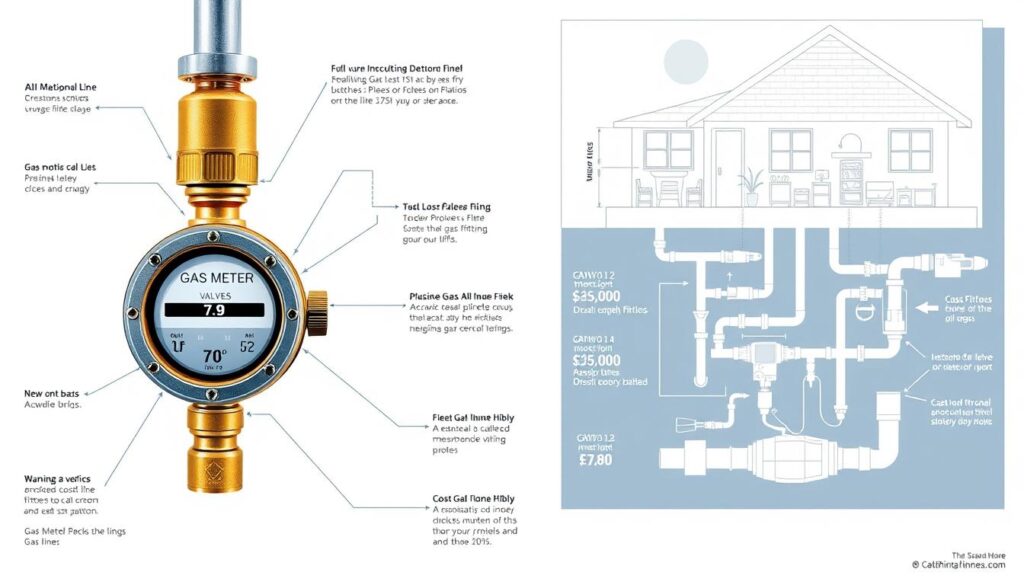
Knowing the cost of gas line installation helps you plan your budget. The price changes based on several important factors. These factors affect the total cost.
Several elements influence your project’s cost:
- Length of the gas line
- Complexity of the installation
- Materials used
- Geographic location
- Labor rates
Gas line installation costs range from $360 to $740. More complex jobs might cost over $1,000. The price per foot can be between $12 to $25. This includes labor, materials, and permits.
Different materials can change your costs. For instance:
- Black Iron: Around $4.89 per linear foot
- Flexible Corrugated Stainless-Steel Tubing: $2-$4 per linear foot
- Copper: $1-$2.64 per linear foot
Professional gas line installation by plumbers ensures safety and compliance with local building codes. Even though it might cost more upfront, it saves money and prevents safety risks later.
Professional vs DIY Gas Line Work
Installing a gas line is not a job for DIY enthusiasts. Homeowners might feel ready to tackle many repairs, but gas lines are different. They need the skills of certified plumbers to install and repair safely.
“Safety is not an option when it comes to gas line work – it’s an absolute necessity.” – Professional Plumbing Association
Gas line pros get deep training in safe gas line systems. They know more than just basic home fixes:
- They understand local building codes well.
- They can find leaks with special tools.
- They use the right tools for precise work.
- They follow strict safety rules.
Trying DIY gas line work is risky. It can lead to:
- Gas leaks
- Potential explosions
- Carbon monoxide poisoning
- Big damage to your property
| DIY Approach | Professional Approach |
|---|---|
| High Risk | Guaranteed Safety |
| Potential Legal Violations | Code Compliant Installation |
| No Warranty | Professional Guarantee |
Choosing a certified gas line plumber is not just an expense. It’s a vital safety step for your home and family.
Conclusion
When it comes to gas line installation, your safety is the most important thing. Yes, a plumber can install gas lines, but you need a special one. Look for a licensed professional who knows all about gas line work and safety rules.
Licensed plumbers for gas lines have the right skills for your project. They know the technical stuff, have the right certifications, and lots of experience. They make sure your gas lines are set up right and safe, covering everything from stoves to big gas line systems.
Getting professional gas line services is the best way to protect yourself. DIY might seem like a good idea, but it’s not worth the risks. Professional plumbers not only install your gas lines safely but also help with maintenance and emergencies. Choosing a qualified expert means keeping your home, family, and peace of mind safe.
Gas line installation is not just any plumbing job. It needs special skills, technical knowledge, and strict safety rules. Always talk to certified professionals who can ensure a safe and reliable gas line installation that fits your needs.