
Affiliate Disclosure
Plumber Guide Guys is a participant in the Amazon Services LLC Associates Program, an affiliate advertising program designed to provide a means for sites to earn advertising fees by advertising and linking to Amazon.
Do I Need a Plumber to Disconnect a Gas Stove? Ever thought about whether you can disconnect a gas stove by yourself or need a pro? It’s not as simple as it seems. The need for a plumber to disconnect a gas stove is not straightforward.
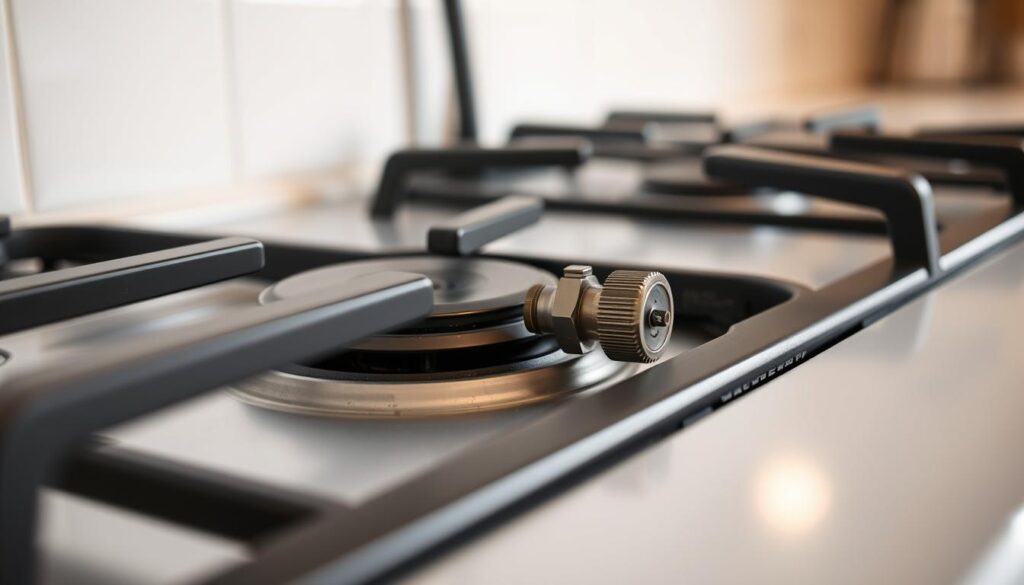
Disconnecting a gas stove safely is more than just knowing how to do it. It’s about avoiding big risks like gas leaks and explosions. You could also face legal trouble if you do it wrong.
Knowing when to call a plumber and when you can do it yourself is key. It helps homeowners make smart choices about gas stove disconnections.
Key Takeaways
- Professional expertise is key for safe gas stove disconnection
- Local building codes affect how to remove gas appliances
- DIY disconnection might void your insurance
- There are safety risks like gas leaks and injury
- Certified plumbers know the complex steps
Table of Contents
Understanding Gas Stove Disconnection Requirements
Disconnecting a gas stove is more than just unplugging it. You must follow strict safety rules to protect your home and family. Each area has its own rules for removing gas stoves, and these must be followed carefully.
There are several important things to think about when disconnecting a gas stove:
- Compliance with local building regulations
- Professional certification for gas work
- Safety standards and inspection protocols
- Proper documentation of disconnection
Local Building Codes and Regulations
Every city and county in the U.S. has its own rules for gas work. Your local area might require specific certification for installing gas stoves. These rules help ensure that the work is done safely and meets professional standards.
Professional Certification Requirements
Working on gas lines needs special training. Certified experts must show:
- Deep knowledge of gas system mechanics
- Understanding of safety rules
- Ability to do precise disconnections
- Following national and local safety standards
Safety Compliance Standards
Safety is key when dealing with gas appliances. Professional technicians stick to strict rules to avoid gas leaks, explosions, or carbon monoxide risks. They use special tools and methods to make sure the disconnection is complete and safe.
Safety Risks of DIY Gas Stove Disconnection
Trying to remove a gas stove yourself can be very dangerous. Natural gas safety rules are very important. Without the right training, you could put your home and family at risk.
The biggest dangers of DIY gas stove removal are:
- Gas Leaks: If you don’t disconnect it right, you might get gas leaks that could explode
- Carbon Monoxide Poisoning: Handling gas lines wrong can lead to deadly carbon monoxide
- Fire Hazards: Bad connections or damaged lines can start fires
- Structural Damage: Removing it wrong can harm your home’s gas system
Experts know how to safely remove gas appliances. They have the right tools and know-how to do it without harming you or your home.
Always get a pro to remove gas appliances for your safety and to follow local laws.
Don’t risk your safety by trying to do gas work without the right training. Getting a professional is safer and worth the cost compared to DIY risks.
Do I Need a Plumber to Disconnect a Gas Stove: Expert Insights
Disconnecting a gas stove is a complex task that needs professional help. Some people might try to do it themselves. But, hiring licensed plumbers for gas work can avoid risks and legal issues.
Deciding if you need a plumber for a gas stove disconnection involves several important factors. Professional help is key because of the complex gas line work and safety concerns.
Legal Requirements
Most places have strict rules for disconnecting gas appliances. Licensed professionals know:
- Local building codes
- Specific permit requirements
- Safety inspection protocols
Insurance Considerations
Your home insurance might have rules about gas appliance upkeep. Using licensed plumbers for gas work can help you:
- Keep your insurance valid
- Avoid claim denials
- Get proof of professional service
Professional Expertise Benefits
Experienced plumbers have the skills needed for gas stove disconnections. Their knowledge ensures safe disconnection, correct valve shutoff, and a full system check. They spot dangers that others might miss.
Professional gas line work is not just about disconnection—it’s about ensuring your home’s safety and compliance.
Essential Tools and Equipment for Gas Stove Disconnection
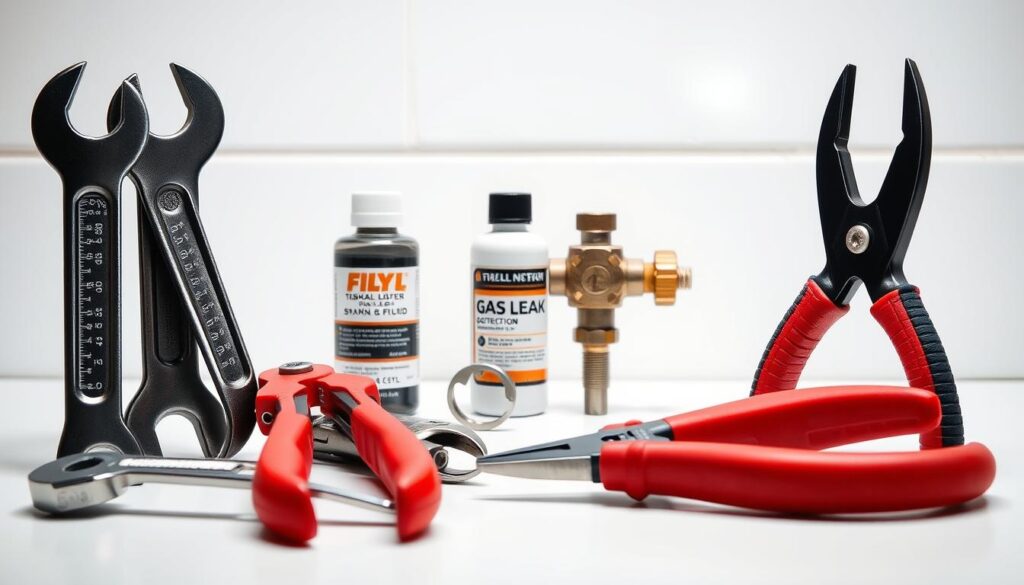
When you’re disconnecting a gas stove, having the right tools is key for safety. Both pros and DIY folks need specific gear for this job.
Homeowners thinking about doing it themselves or hiring a pro should know what tools are needed. A good toolkit includes:
- Adjustable wrench
- Pipe wrench
- Flashlight
- Protective work gloves
- Gas leak detection solution
Pros use special tools that go beyond what you find at home. Disconnecting gas lines needs precise tools that most people don’t have.
| Tool Category | DIY Equipment | Professional Equipment |
|---|---|---|
| Wrenches | Basic adjustable wrench | Specialized pipe wrenches |
| Leak Detection | Soap solution | Electronic gas detectors |
| Safety Gear | Standard work gloves | Professional-grade protective equipment |
Safety tip: If you’re unsure about using these tools, it’s always recommended to consult a licensed professional to prevent gas-related hazards.
Step-by-Step Gas Line Shut Off Procedure
Knowing how to shut off a gas line is key for keeping your home safe. It helps avoid dangers and keeps your family safe.
When dealing with gas appliances, it’s vital to shut them off quickly and correctly. Your safety depends on following these steps and knowing how to disconnect a gas line.
Emergency Shut Off Methods
In case of a gas leak or emergency, you must act fast. Here are the key steps for an emergency gas line shut off:
- Locate the main gas shut-off valve near your gas meter
- Use a wrench to turn the valve a quarter turn
- Ensure the valve is perpendicular to the pipe when closed
- Evacuate the area immediately
- Call your gas utility company from a safe location
Valve Location and Operation
Knowing where the valve is is key for safety. Most homes have a main shut-off valve in these spots:
| Location | Typical Accessibility | Action Required |
|---|---|---|
| Outside near gas meter | Easily accessible | Quarter turn with wrench |
| Basement | Indoor, near entry point | Rotate valve handle |
| Crawl space | Limited access | Might require professional help |
Post-Shutdown Verification
After shutting off the gas line, always check if it’s fully disconnected. Look for any gas smell and make sure all appliances are off. When unsure, call a professional to confirm it’s safe.
While it’s good to know these steps, getting help from a pro is best for complex tasks. It ensures your safety.
Common Mistakes to Avoid During Gas Appliance Removal
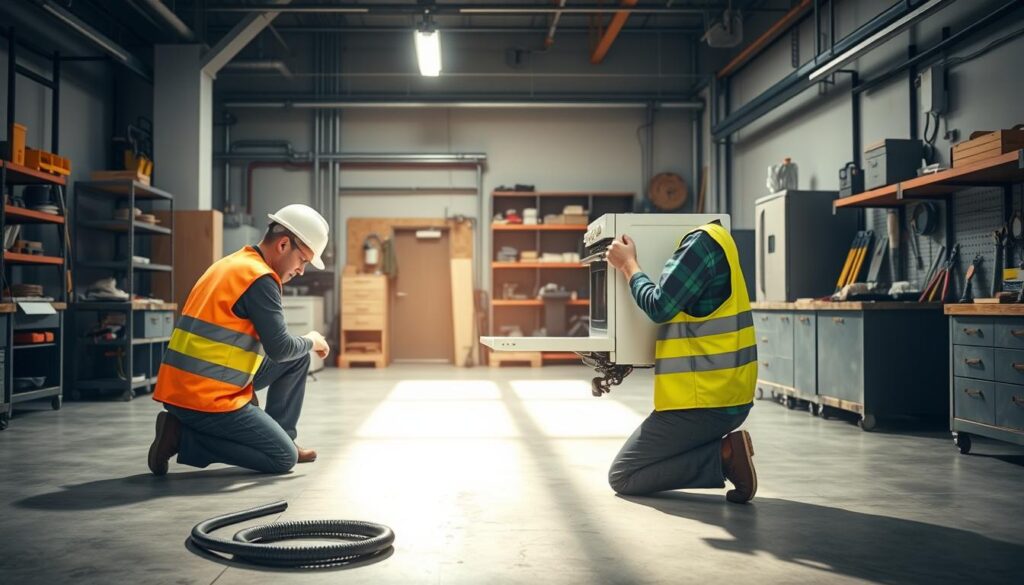
Removing a gas stove can be tricky. Many homeowners try to do it themselves without knowing the important steps. These mistakes can be dangerous, risking your home and family.
Experts point out several common errors during gas appliance disconnection:
- Failing to completely shut off the gas supply
- Using incorrect or inappropriate tools
- Neglecting proper ventilation during removal
- Ignoring personal protective equipment
- Attempting disconnection without proper knowledge
The biggest mistake in DIY gas stove removal is not understanding how complex gas line disconnection is. Wrong methods can lead to gas leaks, explosions, or carbon monoxide risks.
| Mistake | Potential Consequences |
|---|---|
| Incomplete Gas Shut-Off | Gas Leaks and Explosion Risk |
| Incorrect Tool Usage | Pipe Damage and Gas Line Compromise |
| No Safety Inspection | Undetected Structural Hazards |
Safety should always be your primary concern when dealing with gas appliances. While DIY projects can save money, gas stove disconnection needs special knowledge and professional help.
Getting a licensed professional ensures your gas appliance disconnection is safe and follows all rules. They can spot risks that untrained people might miss.
Cost Comparison: Professional vs DIY Gas Stove Disconnection
Understanding the costs of gas stove disconnection is key. Choosing between hiring pros or doing it yourself has more than just price tags.
Professional gas line work might seem pricey at first. But it offers long-term benefits and safety. Licensed plumbers can avoid costly errors and dangers.
Licensed Plumber Rates
Professional gas stove disconnection costs range from $75 to $250. This depends on your area and the job’s complexity. This price covers:
- Comprehensive safety inspection
- Proper gas line disconnection
- Equipment verification
- Compliance documentation
Hidden Costs and Considerations
DIY gas line work can lead to hidden costs. Many homeowners don’t think about these expenses. Some include:
- Specialized tool purchases
- Potential property damage
- Permit fees
- Potential insurance complications
“Saving money today could cost you significantly more tomorrow if something goes wrong.” – Professional Plumbing Association
Long-term Financial Impact
Hiring licensed plumbers for gas work offers long-term financial benefits. They ensure:
- Reduced liability risks
- Compliance with local building codes
- Potential insurance premium benefits
- Guaranteed workmanship
While it might seem like a simple cost comparison, hiring licensed plumbers is safer and more cost-effective in the long run.
Selecting a Qualified Professional for Gas Line Work
Choosing the right person for gas line work is key for your safety and home’s safety. When you hire licensed plumbers, make sure you’re thorough and smart in your choice.
First, check their professional credentials. Look for these important qualifications:
- Valid state-issued gas stove installation certification
- Proof of current professional licensing
- At least 5 years of experience in gas line services
- Comprehensive liability insurance coverage
Ask the right questions to find a truly qualified professional. Ask for:
- Proof of recent gas work certifications
- References from past gas line projects
- Details on their safety protocols
- Proof of ongoing professional training
Pro tip: Always check a plumber’s credentials with your state’s licensing board before hiring them for gas line work.
When looking at professionals, notice their communication skills, honesty, and ability to explain technical stuff. A good gas line technician will be patient and clear about the work, challenges, and results.
“Safety isn’t expensive, it’s priceless” – this is true, even more so for gas line installations and disconnections.
Don’t cut corners on professional skills. Spending time to choose a qualified, licensed professional keeps your home safe and avoids costly mistakes.
Timeline and Process for Professional Gas Stove Removal
Removing a gas stove needs careful planning and expert help for safety. Technicians use a safe method that follows local codes.
The process has several key steps. Each one is designed to keep you safe and follow local rules.
Pre-Disconnection Inspection
Before taking out your gas stove, experts do a full check:
- They look at the gas line setup
- Search for leaks or damage
- Check the area for safety risks
- Make sure all permits are in order
Documentation Requirements
Having the right documents is key for safety. Your technician will make:
- A detailed report of the disconnection
- A certificate for gas line inspection
- Proof of permits
- Records of safety checks
Post-Removal Safety Checks
After removing the stove, technicians do extra safety steps:
- They test the gas lines for pressure
- Seal any gas leak spots
- Make sure the system is fully shut off
- Give a final safety approval
“Always choose professional help for gas appliance removal for safety and to follow the law.” – Professional Gas Safety Association
By taking these steps, you keep your home and family safe during stove removal.
What Happens After Gas Stove Disconnection
After you disconnect your gas stove, there are several steps to take. These steps ensure your kitchen is safe and works well. It’s important to know about natural gas safety during this time.
First, you’ll focus on getting rid of the old stove and changing your kitchen. Experts suggest a few important actions:
- Schedule a professional to check the gas line
- Dispose of the old stove at a certified recycling center
- Seal any gas line connections to stop leaks
- Update your kitchen’s electrical or cooking setup
Disconnecting your gas stove requires certain safety steps. You should cap unused gas lines with metal caps. This stops gas leaks and keeps your home safe.
If you won’t use the gas line for a long time, get a licensed technician to check it. They can make sure everything is secure and safe.
Professional oversight ensures your home remains safe during and after gas appliance transitions.
Changing your kitchen doesn’t stop after disconnection. You might need to:
- Patch or repair flooring where the stove was
- Check if your electrical outlets fit new appliances
- Think about changing your kitchen’s layout
By following these steps, you can safely and effectively disconnect your gas stove.
Conclusion
When thinking about disconnecting a gas stove, safety is key. You need to check if you can do it yourself, follow local rules, and think about the risks. Plumbers have the skills to make sure everything is done right and safely.
Deciding to do it yourself or call a plumber involves weighing costs against safety. DIY might save money, but it could also be risky. Experts know how to disconnect gas lines safely, keeping your home and family safe.
Removing a gas stove is a big deal. You have to think about local laws, insurance, and technical know-how. For most people, hiring a licensed plumber is the best choice. It means your stove is disconnected safely and correctly.
Choosing to hire a professional is a smart move for your home’s safety and your family’s health. If you’re unsure about disconnecting a gas stove, talk to a qualified expert. They can help you do it safely and right.