
Affiliate Disclosure
Plumber Guide Guys is a participant in the Amazon Services LLC Associates Program, an affiliate advertising program designed to provide a means for sites to earn advertising fees by advertising and linking to Amazon.
Can a Plumber Install a Gas Line? Are you wondering if a licensed plumber can safely install your home’s gas line? Natural gas systems are complex and require expert care. They pose serious safety risks that need precise handling and deep knowledge.
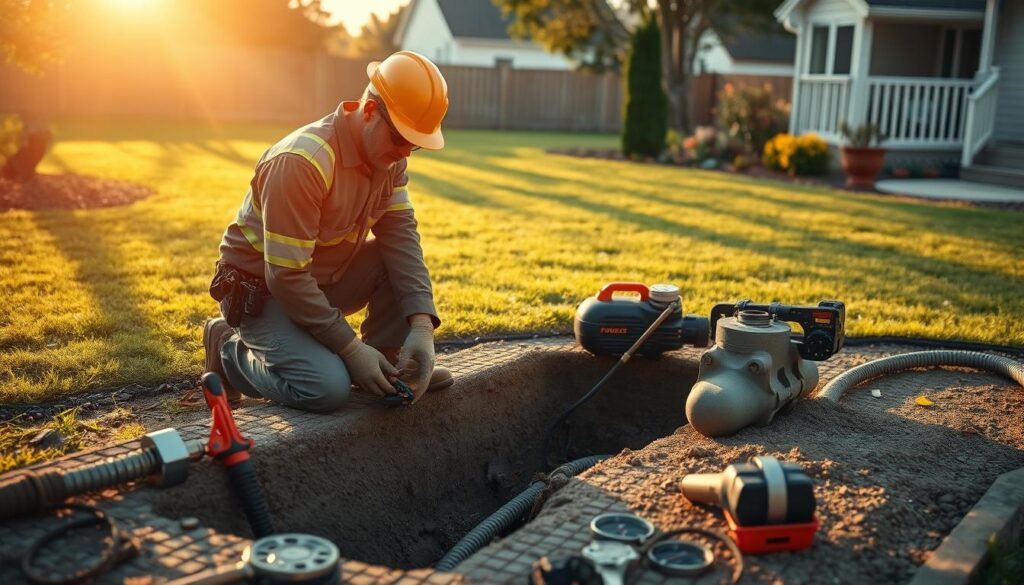
Installing gas lines is not a job for DIY enthusiasts. A professional plumber has the right skills and licenses. They ensure your home is safe and meets local building codes.
Knowing if a plumber can install a gas line involves understanding the risks. A bad installation can cause gas leaks, explosions, and damage your property.
Key Takeaways
- Professional gas line installation requires specialized certification
- Plumbers must have specific licensing for gas line work
- Safety is the top priority in natural gas system installations
- Incorrect installations can lead to severe hazards
- Always hire a certified professional for gas line services
Table of Contents
Understanding Gas Line Installation Requirements
Installing a gas line is a serious task that needs to follow strict rules and safety steps. It’s important to make sure your home’s gas system is set up right. This keeps you and your family safe from dangers.
Only certified plumbers can handle gas line installations. They go through a lot of training and get special licenses. This ensures the job is done safely and right.
Licensing and Certification Needs
Getting certified for plumbing gas lines is key for professionals. They need to finish special courses and get certain badges. These include:
- State-approved licensing exams
- Technical Standards & Safety Authority (TSSA) certification
- Comprehensive safety training programs
- Ongoing professional education credits
Safety Standards and Regulations
There are strict rules for gas line safety to avoid risks. These rules cover:
- Choosing the right materials for gas pipes
- Using the right installation methods
- Doing thorough pressure tests
- Following regular inspection and upkeep plans
“Safety is not an accident. It’s a conscious choice in gas line installation.” – Professional Plumbing Association
Required Permits and Documentation
Before starting a gas line project, pros need the right permits and detailed records. This includes:
- Local municipal gas line installation permits
- Detailed project blueprints
- Inspection certification forms
- Safety compliance documents
Knowing these important steps helps make sure your gas line is installed safely and correctly. It follows all national standards.
Can a Plumber Install a Gas Line?
Not every plumber can install a gas line. They need special certifications and skills. Make sure the plumber you choose has the right qualifications to safely install gas lines in your home.
Licensed plumbers for gas line installation must meet strict standards:
- Get specialized certification in gas line installation
- Finish extensive safety training
- Know local building codes and regulations
- Have technical knowledge of gas pipe materials and connections
Local regulations are key in gas line installation. Each area has its own rules for working with gas lines. Some places require specific licenses, while others have strict certification processes.
Your safety is at stake when choosing a plumber. Not all plumbers can do gas line installations. Check their credentials, ask for proof of certification, and make sure they have experience with gas line services before letting them work on your property.
Always prioritize safety and expertise when selecting a professional for gas line installation.
Professional Gas Line Services and Safety Measures
Gas line safety is very important for homes and businesses. Professional services help ensure gas systems are installed, maintained, and used safely. Knowing the risks and following safety steps can prevent accidents and keep people safe.
Professional gas line services cover all aspects of gas system management. Skilled technicians use the right tools and knowledge to keep safety levels high during installation and upkeep.
Emergency Response Procedures
Knowing how to act in a gas emergency can be life-saving. Here are some key steps:
- Get out of the area fast if you smell gas
- Don’t use electrical switches or lighters
- Call emergency services from a safe spot
- Don’t try to fix gas leaks yourself
Gas Leak Detection Methods
Advanced detection methods are part of professional gas line safety:
- Electronic Gas Detectors: These tools spot gas levels
- Pressure Testing: Finds weak spots in gas lines
- Visual Inspections: Looks for pipe and connection problems
- Specialized Thermal Imaging: Finds hidden gas leaks
Safety Protocols During Installation
Certified pros follow strict safety rules during installation:
- Do detailed site checks
- Use top-quality, approved materials
- Do full pressure tests
- Make sure there’s good ventilation and connections
Choosing professional gas line services keeps your property and family safe from gas dangers. Always go with certified experts for setup, upkeep, and emergency help.
Types of Gas Line Materials and Installation Methods
Choosing the right materials for residential gas piping is key for safety and performance. Your natural gas line installation needs pipes that meet local building codes and safety standards.
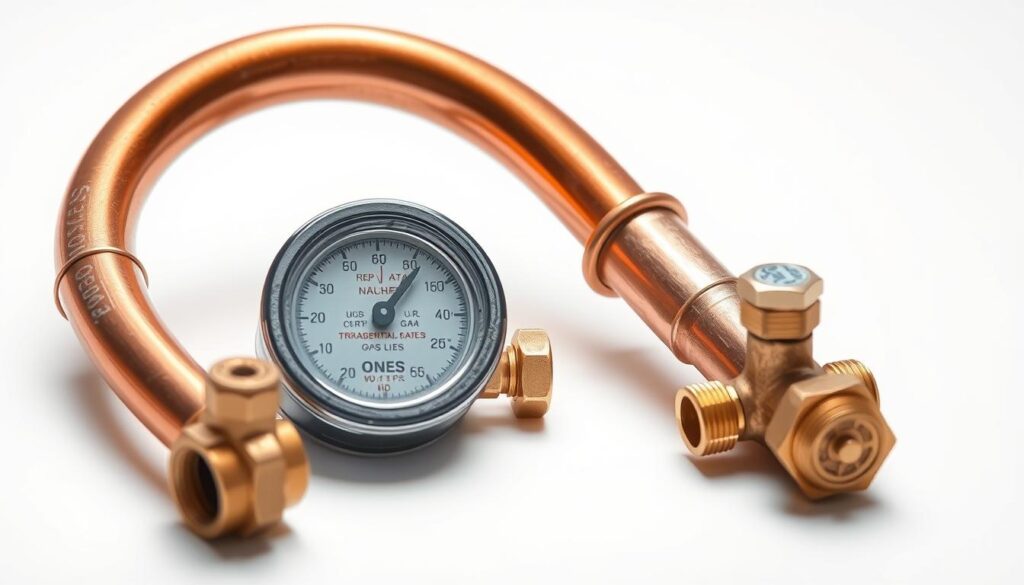
Black iron pipes are a traditional choice for natural gas lines. They are very durable and can handle high pressures well. Experts like them because they are reliable for connecting gas appliances.
CSST is a flexible option for gas piping. These yellow or black pipes have unique benefits:
- They are lightweight
- Installation is easier
- There are fewer connection points
| Material | Pros | Cons |
|---|---|---|
| Black Iron | High durability | Heavier installation |
| CSST | Flexible installation | Requires proper grounding |
CSST pipes need proper grounding. Your gas line must connect well to the home’s grounding system for electrical safety.
Always consult a licensed professional to determine the most suitable gas line material for your specific residential needs.
Gas Line Installation Process for Different Appliances
Installing natural gas lines for home appliances needs skill and precision. It involves setting up gas pipes for various devices safely and efficiently. This ensures your home runs smoothly.
Setting up gas lines for your home is a detailed task. It requires careful planning and the right skills. Your home’s gas system must handle different appliances safely and well.
Kitchen Appliance Connections
Installing gas lines for stoves and ovens is a precise job. Experts look at your kitchen’s setup and gas system to make sure everything works right. They focus on:
- Choosing the right pipe size for gas flow
- Making sure connections are leak-free
- Following local building codes
- Matching gas lines to appliance needs
Outdoor Gas Line Installation
Gas lines aren’t just for inside your home. Outdoor setups for grills, heaters, and fire pits need special care. This ensures they’re safe and work well.
- Check the outdoor area
- Choose materials that can handle the weather
- Use protective covers for gas lines
- Make sure connections are secure outside
Heating System Integration
Setting up gas lines for heating systems is a job for pros. They plan out gas line paths to ensure fuel gets to furnaces and boilers right. This keeps your heating system running well.
Professional installation makes sure your home’s gas system is safe, efficient, and reliable for all appliances.
Cost Factors in Gas Line Installation
When it comes to gas line installation, there are several important factors to consider. These factors can affect how much you’ll pay. Professional services look at these factors to figure out the total cost of your project.
The main things that affect the cost of gas line installation are:
- Length of gas line needed
- How complex the installation is
- The type of appliance being connected
- The quality and type of materials used
- Local labor costs
The cost can vary from $500 to $2,000, depending on these factors. Residential gas line services suggest using high-quality materials for safety and performance.
“Cutting corners on gas line installation can lead to expensive repairs and safety hazards.”
The cost of installation changes based on:
- Whether it’s installed indoors or outdoors
- How far the gas meter is
- The state of the existing infrastructure
- Permits and inspections needed
Professional services will give you a detailed estimate based on your needs. Always choose safety and quality over saving money upfront.
Common Gas Line Installation Challenges and Solutions
Natural gas line installation can be tricky. It needs the skills of a pro. Knowing the issues helps keep your gas system safe and working well. Getting ready and knowing what to do can avoid expensive problems.
Installing gas lines requires careful attention and strict safety rules. Experts face many challenges to make sure the gas line works right and is safe.
Troubleshooting Critical Issues
- Detect and resolve pipe alignment problems
- Identify possible leak points before connecting
- Make sure pressure tests are done right
- Check if materials are compatible and won’t corrode
Essential Maintenance Requirements
Keeping your gas line in good shape is key. Your plumber should:
- Do a full system check every year
- Check the pressure
- Look for signs of corrosion
- Check seals and connections
Quality Control Measures
Good quality control is vital for safety. Important steps include:
- Checking if the plumber is certified
- Using the latest leak detection tools
- Following local rules for gas pipe permits
- Keeping detailed records of the installation
Getting a pro to handle gas line installation is very important.
When to Schedule Professional Gas Line Services
Knowing when to get professional help for your gas line is key. It keeps your home safe and running smoothly. A licensed plumber can spot problems early.
Here are signs you need to call a pro:
- Persistent rotten egg or sulfur-like odors near gas appliances
- Unusual hissing sounds around gas lines or connections
- Visible corrosion or damage to gas pipes
- Aging gas line systems over 15-20 years old
Regular checks are vital to avoid gas dangers. Here’s when to get your gas lines checked:
| Property Type | Inspection Frequency | Recommended Action |
|---|---|---|
| Residential Homes | Annual | Comprehensive system check |
| Older Homes (15+ years) | Bi-Annual | Detailed inspection and possible upgrades |
| New Installations | Initial 6-month check | Confirm proper installation |
Your safety is the most important thing. If you see signs of gas leaks or suspect issues, call a licensed plumber. Quick action can save you from expensive fixes and dangers.
Remember: When it comes to gas line services, professional expertise is always the safest choice.
Conclusion
When you think about installing a gas line, knowing the importance of a licensed plumber is key. A certified professional can handle the complex tasks of gas line installation safely and well. Your home’s safety relies on choosing a skilled expert who knows the detailed installation needs.
The process of installing a gas line by a licensed plumber includes many important steps. It protects your property and family. Gas line work needs special knowledge of local building codes, precise skills, and safety measures. Trying to do it yourself or cutting corners can lead to gas leaks or serious accidents.
Working with certified professionals is your best defense. They have the right skills, tools, and knowledge of gas line installation standards. Experienced plumbers do thorough checks, pick the right materials, and follow strict safety rules. Hiring them is a smart move to protect your home and family.
Gas line installation is not a DIY project. Always choose licensed professionals for safe and reliable gas line services. This choice is a big investment in your home’s safety and your peace of mind.
FAQ
Can any plumber install a gas line?
What certifications are required for gas line installation?
How much does gas line installation typically cost?
Can any plumber install a gas line?
What certifications are required for gas line installation?
How much does gas line installation typically cost?
FAQ
Can any plumber install a gas line?
Not all plumbers can install gas lines. You need a licensed and certified professional. They must have special training and meet local and state rules for safe installation.
What certifications are required for gas line installation?
Plumbers need specific gas fitting certifications from places like TSSA. They must complete training, pass exams, and keep their licenses up to date. This shows they know how to install gas lines safely.
How much does gas line installation typically cost?
Costs vary based on line length, complexity, and appliance needs. Expect to pay between 0 and
FAQ
Can any plumber install a gas line?
Not all plumbers can install gas lines. You need a licensed and certified professional. They must have special training and meet local and state rules for safe installation.
What certifications are required for gas line installation?
Plumbers need specific gas fitting certifications from places like TSSA. They must complete training, pass exams, and keep their licenses up to date. This shows they know how to install gas lines safely.
How much does gas line installation typically cost?
Costs vary based on line length, complexity, and appliance needs. Expect to pay between $250 and $1,500. More complex jobs might cost over $2,000. This includes labor, materials, permits, and expert work.
What materials are used for gas line installation?
Plumbers use black iron pipes, CSST, and copper pipes. The choice depends on the job, local codes, and safety standards.
What safety precautions are taken during gas line installation?
Plumbers follow strict safety rules. They test for leaks, use approved materials, get permits, and check connections. They also inspect thoroughly and use special equipment to ensure the system’s safety.
How often should gas lines be inspected?
Gas lines should be checked annually or if you see signs of damage or leaks. Regular checks prevent safety issues and keep the system reliable.
Are permits required for gas line installation?
Yes, you need local building permits for gas line installation. Plumbers handle the permits and ensure the work meets all safety and compliance rules.
What appliances can be connected with gas lines?
Gas lines can connect many appliances, like stoves, ovens, water heaters, and furnaces. Each appliance needs a specific connection method and professional knowledge.
What are signs of possible gas line problems?
Look out for sulfur smells, hissing sounds, pipe corrosion, dead plants near lines, and sudden gas bill increases. If you see these signs, call a professional right away.
Can I install a gas line myself?
No, it’s not safe to do it yourself. Gas line installation needs special knowledge, certification, and safety standards. DIY attempts can cause leaks, explosions, and serious legal and insurance issues.
,500. More complex jobs might cost over ,000. This includes labor, materials, permits, and expert work.
What materials are used for gas line installation?
Plumbers use black iron pipes, CSST, and copper pipes. The choice depends on the job, local codes, and safety standards.
What safety precautions are taken during gas line installation?
Plumbers follow strict safety rules. They test for leaks, use approved materials, get permits, and check connections. They also inspect thoroughly and use special equipment to ensure the system’s safety.
How often should gas lines be inspected?
Gas lines should be checked annually or if you see signs of damage or leaks. Regular checks prevent safety issues and keep the system reliable.
Are permits required for gas line installation?
Yes, you need local building permits for gas line installation. Plumbers handle the permits and ensure the work meets all safety and compliance rules.
What appliances can be connected with gas lines?
Gas lines can connect many appliances, like stoves, ovens, water heaters, and furnaces. Each appliance needs a specific connection method and professional knowledge.
What are signs of possible gas line problems?
Look out for sulfur smells, hissing sounds, pipe corrosion, dead plants near lines, and sudden gas bill increases. If you see these signs, call a professional right away.
Can I install a gas line myself?
No, it’s not safe to do it yourself. Gas line installation needs special knowledge, certification, and safety standards. DIY attempts can cause leaks, explosions, and serious legal and insurance issues.