Affiliate Disclosure
Plumber Guide Guys is a participant in the Amazon Services LLC Associates Program, an affiliate advertising program designed to provide a means for sites to earn advertising fees by advertising and linking to Amazon.
When to Call an Emergency Plumber? Water dripping from your ceiling at midnight. A sudden pipe burst flooding your kitchen floor. These moments can quickly turn your home into a disaster zone. Knowing when to call an emergency plumber is key to avoiding major water damage.
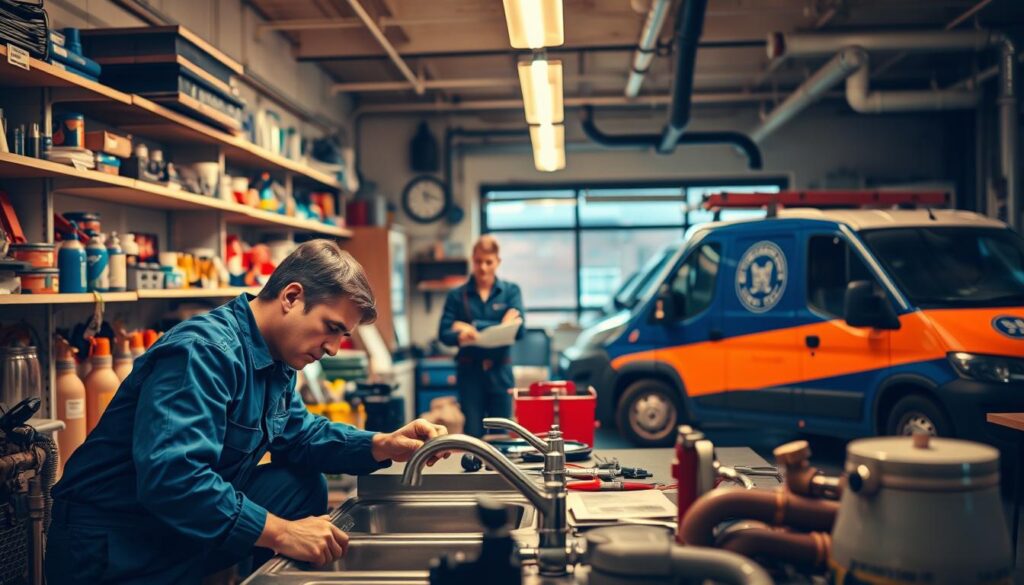
Plumbing emergencies often come without warning. They can turn your home into a high-stakes situation quickly. Calling a 24-hour plumbing service is not just about fixing pipes. It’s about keeping your home safe, your belongings secure, and your family safe.
This guide will show you how to spot critical plumbing issues that need immediate help. We’ll teach you to recognize signs that mean it’s time to call an emergency plumber. This way, a small leak won’t turn into a big financial problem.
Key Takeaways
- Recognize urgent plumbing situations that require immediate action
- Understand the risks of delaying emergency plumbing repairs
- Learn when to handle minor issues and when to call professionals
- Protect your home from water damage and structural issues
- Save money by addressing plumbing emergencies quickly
Table of Contents
Understanding Emergency Plumbing Situations
Plumbing emergencies can happen anytime, turning your home into a water disaster. Spotting signs of a burst pipe or water heater leak early can prevent big damage and high repair costs.
If water is leaking where it shouldn’t, you must act fast. Emergency plumbers are ready to stop home disasters before they start.
Common Signs of Plumbing Emergencies
- Sudden drops in water pressure
- Unexplained water stains on walls or ceilings
- Gurgling sounds from pipes or drains
- Persistent musty odors
- Visible water pooling around fixtures
Difference Between Regular and Emergency Plumbing
Not every plumbing problem needs urgent help. A slow water heater leak is different from a burst pipe that needs quick action.
“Prevention is always better than cure, when it comes to your home’s plumbing system.” – Professional Plumbing Experts
Risk Assessment for Plumbing Issues
Knowing the risks helps you make smart choices. Think about these when judging a plumbing issue:
- Potential for structural damage
- Risk of electrical hazards
- Potential health risks from water contamination
- Extent of water spread
Quick action can stop small problems from becoming big, costly ones.
Burst Pipes and Water Line Emergencies
A burst pipe can happen suddenly, causing a lot of water damage. It can also lead to expensive repairs. Knowing the risks and acting fast can save you a lot of money.
Broken water lines often happen for a few main reasons:
- Extreme temperature changes
- Old pipes
- High water pressure
- Corrosion and wear
If a pipe bursts, you must act quickly. Water can spread fast, damaging your home’s structure and creating mold.
Here are some emergency steps for a burst pipe:
- Turn off the main water supply right away
- Switch off electricity in affected areas
- Move valuable items away from water
- Call an emergency plumber within an hour
Emergency plumbers are experts in quick responses to burst pipes. They can find the problem fast and fix it to prevent more damage.
Pro Tip: Regular pipe checks can stop burst pipe emergencies and save you money.
Gas Leak Detection and Emergency Response
Gas leaks are a major emergency in plumbing. They can quickly become dangerous, risking your home and family. Knowing the signs and how to act can save lives.
Every homeowner needs to understand gas leak dangers. A small leak can quickly become deadly. So, quick detection and action are key.
Signs of a Gas Leak
- Strong sulfur or rotten egg smell
- Hissing sounds near gas lines
- Dead or discolored vegetation around gas pipes
- Unusual condensation on windows near gas lines
- Physical symptoms like dizziness or headaches
Immediate Actions to Take
- Evacuate the premises immediately
- Avoid turning on electrical switches
- Do not use any open flames
- Call your gas company from a safe location
- Contact a 24-hour plumbing service for emergency assistance
Professional Gas Line Repair Services
Experts in gas leaks have the right tools and training. They can safely find and fix gas line problems. A 24-hour plumbing service means help is always available, keeping you and your property safe.
Safety should always be your top priority when dealing with gas leaks.
Remember: Never try to fix gas lines yourself. Always call certified pros who know how to handle gas line emergencies.
When to Call an Emergency Plumber
Knowing when to call an emergency plumber can save you from big property damage and expensive fixes. Not all plumbing problems need quick help, but some do.
Here are key times to call an emergency plumber:
- Severe water flooding in your home
- Sewage backing up into your property
- A clogged drain emergency with possible structural damage
- Burst pipes causing a lot of water leakage
- No water supply throughout your house
Think about the risks when deciding to call an emergency plumber. Water damage can get worse fast, turning a small problem into a big renovation. A clogged drain might mean deeper plumbing issues that need a pro.
Fast action is key. Plumbers can quickly check the problem, stop more damage, and fix it right away. If you’re not sure about your plumbing issue, it’s best to call a pro.
“Better safe than sorry when it comes to protecting your home’s infrastructure.”
Listen to your gut. If a plumbing problem looks too hard to fix yourself, call a pro. They can figure out and fix the issue fast.
Sewer Backup and Flooding Situations
A sewer backup can quickly turn into a big problem in your home. When your sewer system gets too full, it’s a plumbing emergency that needs fast help. Knowing how to fix sewer backups can prevent a lot of damage and health risks.
Common Causes of Sewer Backups
Sewer backups happen for a few main reasons:
- Tree roots getting into underground pipes
- Old sewer systems
- Too much rain for drainage systems
- Blockages from debris and grease
- Broken or collapsed pipes
Health Risks and Property Damage
When sewage gets into your basement, finding solutions is key. Sewage has harmful germs that can make you sick. It can cause:
- Bacterial infections
- Viral diseases
- Mold growth
- Damage to your home’s foundation
Professional Solutions
Fixing sewer backups needs expert skills and tools. Professionals use methods like hydro jetting and pipe relining. They also check your drainage system to stop future problems.
Act fast if you have a sewer backup. Call a professional plumber right away. This helps protect your home and keeps your family safe.
Water Heater Failures and Leaks
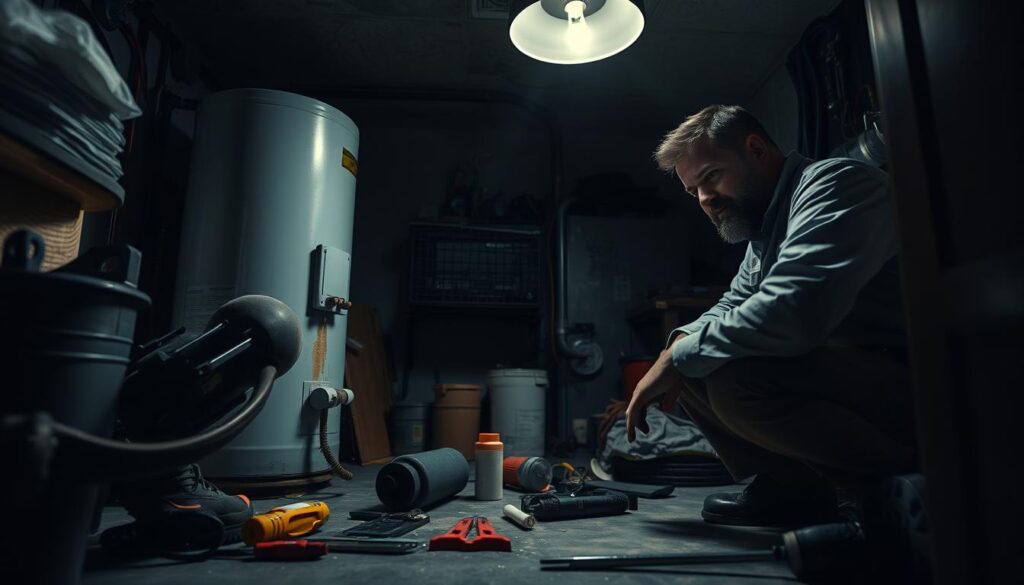
Your water heater is a key appliance in your home. A leak might seem small, but it can quickly turn into a big problem. Spotting issues early can help avoid expensive fixes and water damage.
Here are some signs you need a 24-hour plumbing service for your water heater:
- Unusual rumbling or popping sounds from the tank
- Inconsistent water temperature
- Visible water pooling around the base of the heater
- Rusty or discolored water
Ignoring a leak can cause big problems. You might face:
- Potential floor damage
- Electrical hazards
- Complete system failure
- Increased energy consumption
If you see ongoing issues, call a 24-hour plumbing service right away. Experts can fix problems fast to avoid major disasters.
| Water Heater Issue | Potential Risk | Recommended Action |
|---|---|---|
| Small Leak | Minor Water Damage | Immediate Inspection |
| Large Leak | Significant Property Damage | Emergency Repair |
| Tank Corrosion | Complete System Failure | Replacement |
Pro tip: Regular maintenance can prevent most water heater emergencies and extend the life of your system.
Emergency Toilet and Drain Problems
Toilet overflows and clogged drains can quickly turn into big problems. Knowing the signs early can help avoid water damage and costly repairs.
It’s important to spot early signs of a serious blockage. These signs can mean bigger issues in your plumbing that need quick fixing.
Signs of Severe Blockages
- Multiple drains backing up at once
- Gurgling sounds from toilets or sinks
- Sewage smells coming from drains
- Water rising in the toilet bowl after flushing
- Slow drainage in many fixtures
Prevention Tips for Clogged Drain Emergencies
Preventing clogs can save you from expensive problems. Here are some tips to keep your plumbing in good shape:
- Use drain strainers to catch hair and debris
- Don’t flush things you shouldn’t
- Run hot water through drains once a week
- Check your pipes regularly
Professional Intervention
Some clogs can be fixed with a plunger, but others need a pro. Emergency plumbers have the tools and skills to handle tough blockages.
| Situation | Recommended Action |
|---|---|
| Persistent Toilet Overflow | Immediate Professional Assessment |
| Sewage Backup | Emergency Plumbing Service |
| Multiple Drain Blockages | Comprehensive Plumbing Inspection |
Remember, acting fast can stop big water damage and keep your home safe.
Basement Flooding and Water Damage
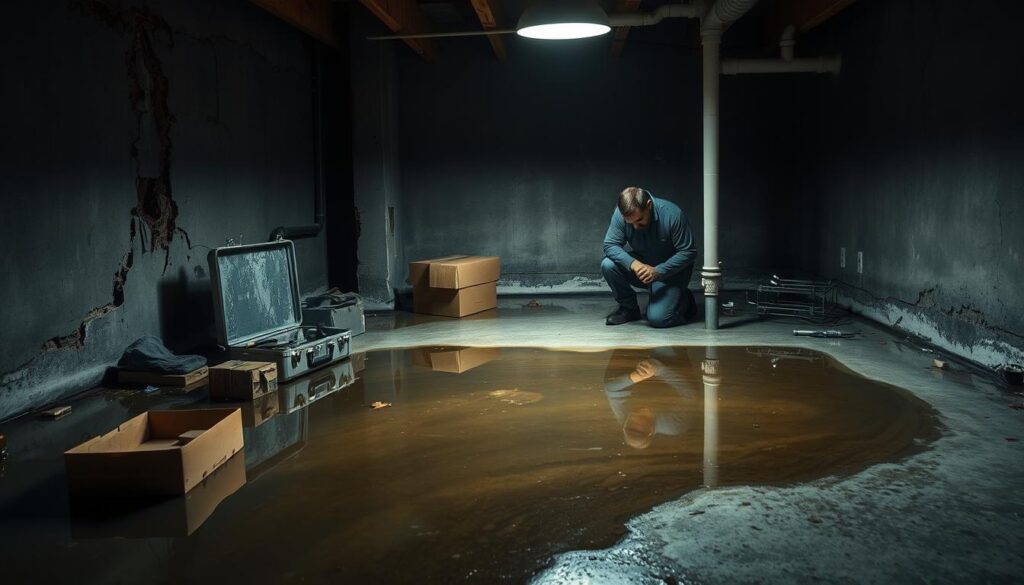
Finding out your basement is flooded is a nightmare. Water damage from broken lines or flooding can turn into a big problem fast. It’s key to know how to handle flooded basements to protect your home and avoid lasting damage.
Several things can cause basement flooding:
- Broken water line incidents
- Malfunctioning sump pumps
- Severe weather conditions
- Foundation cracks
- Sewage backup problems
If your basement floods, act fast. Your safety is most important. Turn off the power and wear protective gear before going in. Water can hide electrical dangers that aren’t easy to see.
Experts usually follow these steps to fix a flooded basement:
- Water extraction with special tools
- Thorough drying of the structure
- Checking for moisture
- Treating for mold
- Fixing any structural damage
Preventing problems is cheaper than fixing them later. Think about getting a good sump pump and keeping your foundation dry. Also, check for water line issues often to avoid big problems.
Acting quickly can save you from needing big repairs.
Cost Considerations for Emergency Plumbing Services
Dealing with the cost of 24-hour plumbing services can be tough for homeowners. It’s not just about knowing when to call an emergency plumber. It’s also about weighing the urgency of the problem against the possible costs.
Plumbing emergencies can happen when you least expect them. They can cause water damage and cost a lot to fix. Understanding these costs helps you make smart choices when you need help fast.
Average Emergency Service Rates
Emergency plumbing costs can change a lot. Usually, homeowners pay between $150 and $500 for urgent fixes. Prices can go up or down based on:
- Time of day (nights and weekends cost more)
- Complexity of the plumbing issue
- Required materials and replacement parts
- Local service rates
Insurance Coverage Options
Check your homeowner’s insurance to see if it covers emergency plumbing repairs. Look at your policy to find out:
- What types of water damage are covered
- Deductible amounts
- Limitations on emergency service claims
Value of Quick Response
Getting help right away can save you a lot of money. Waiting too long can cause big problems like water damage, mold, and structural issues. These problems can make fixing things much more expensive.
| Emergency Type | Estimated Cost Range | Potential Damage if Delayed |
|---|---|---|
| Burst Pipe | $300 – $1,500 | Structural damage, mold growth |
| Sewer Backup | $500 – $3,000 | Health risks, property contamination |
| Gas Leak | $200 – $1,000 | Potential safety hazards |
Smart homeowners save money by having an emergency fund and knowing a good 24-hour plumber. Being ready can help avoid financial stress when plumbing emergencies happen.
Conclusion
Knowing when to call an emergency plumber can prevent big problems and save money. Quick action can turn a small fix into a big repair. A 24-hour plumbing service is key when unexpected issues threaten your home’s safety.
Homeowners need to watch out for plumbing dangers. Signs like sudden pipe bursts or gas leaks mean you should act fast. Trusting your gut and calling a pro is vital. Emergency plumbers can handle tough problems that could get worse fast.
Keeping your plumbing in check is important. Regular checks, quick fixes, and knowing your plumbing system can prevent emergencies. Having a reliable 24-hour plumbing service on speed dial helps you handle any plumbing crisis well.
Your plumbing system is complex and needs care. If you’re unsure about a plumbing issue, it’s best to get expert advice. An experienced emergency plumber can keep your home safe and your family protected.