
Affiliate Disclosure
Plumber Guide Guys is a participant in the Amazon Services LLC Associates Program, an affiliate advertising program designed to provide a means for sites to earn advertising fees by advertising and linking to Amazon.
What Is DFU Plumbing? Ever wondered how plumbers keep your drainage system working right? They use DFU plumbing to avoid big problems. It’s all about making sure your water flows smoothly.
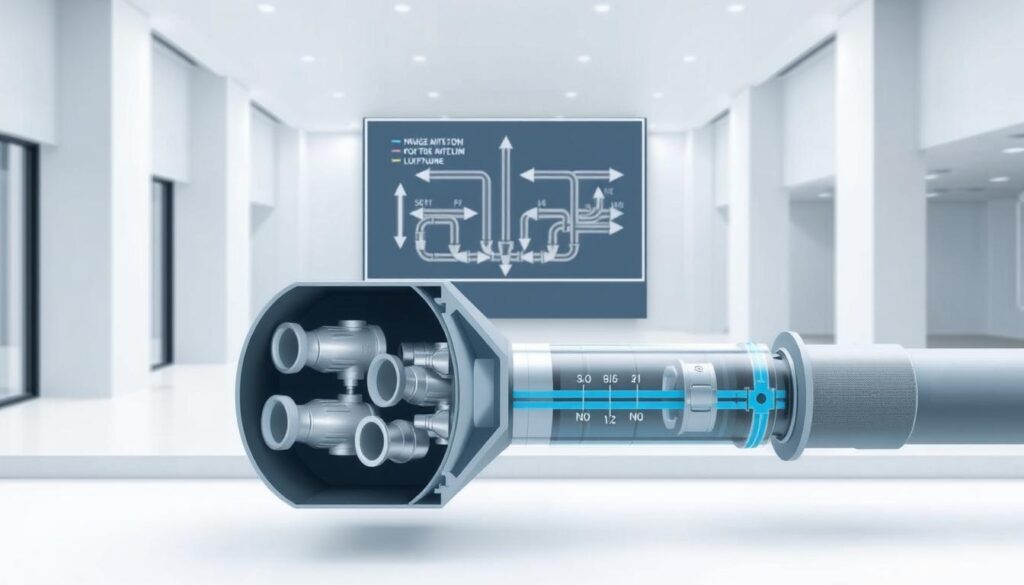
So, what is DFU plumbing? It’s a way to measure how well your plumbing works. Plumbers use it to design systems that can handle water flow well. This helps them make sure your plumbing is reliable.
DFU is based on how much water a pipe can handle in a minute. Knowing about drainage fixture units helps you understand how your plumbing works. It’s all about keeping your home’s plumbing system running well.
Key Takeaways
- DFU provides a standardized method for measuring plumbing drainage capacity
- One DFU represents one cubic foot of water drain per minute
- Proper DFU calculations prevent possible plumbing system failures
- Professionals use DFU to design efficient drainage networks
- Understanding DFU helps homeowners make informed plumbing decisions
Table of Contents
Understanding DFU Fundamentals in Plumbing Systems
Drainage Fixture Units (DFU) are key in modern plumbing design. They help professionals size and plan drainage systems well. Knowing how to calculate plumbing dfu is vital for efficient water management.
Plumbing systems need precise measurements for best performance. DFU is a standard way to figure out how much water different fixtures will send into a drainage system. It looks at several important factors:
- Volume rate of drainage discharge
- Time duration of individual drainage operations
- Average interval between successive drainage events
Definition and Basic Concepts
Drainage system sizing is about knowing how fixtures affect water flow. Each fixture gets a DFU value based on its water use and discharge. This helps design systems that handle water volumes well.
Importance in Modern Plumbing
Getting plumbing dfu right stops problems like backups and slow drains. By planning fixture units well, you build a strong plumbing system. It works for homes and businesses alike.
Key Components of DFU Systems
Good drainage system sizing needs several parts:
- Fixtures with specific discharge characteristics
- Pipe sizing and configuration
- Venting systems
- Slope and gravity considerations
Knowing these basics helps design plumbing systems that meet today’s building codes and standards.
What is DFU Plumbing
Learning about DFU plumbing can change how you design drainage systems. Drainage Fixture Units (DFU) are a way to figure out pipe sizes and water flow. They offer a smarter way to handle water drainage compared to old methods.
At its heart, DFU plumbing is a way to calculate drainage that’s more detailed than just flow rates. It looks at several things that affect how well drainage works:
- Fixture discharge rates
- How often it’s used
- How long water flows
- What size pipe is needed
Plumbing experts use drainage fixture unit values to make plumbing designs better. This method helps avoid making pipes too big, saving money and preventing problems.
The real power of DFU plumbing lies in its ability to provide realistic load calculations. It helps design drainage systems that are both affordable and work well in homes and businesses.
DFU plumbing represents a smart evolution in understanding water flow dynamics and system design.
Whether you’re redoing your home or building a big commercial place, knowing about DFU plumbing is key. It helps you make better choices for your drainage system.
Different Plumbing Codes and Their DFU Requirements
Understanding plumbing code dfu requirements can be tough for both pros and homeowners. It’s key to know the drainage fixture units explained in various codes. This ensures your plumbing system is right and follows the rules.
Plumbing codes give important rules for figuring out drainage fixture units (DFU). Each code has its own rules that affect plumbing system design and setup.
Uniform Plumbing Code (UPC)
The Uniform Plumbing Code, made by the International Association of Plumbing and Mechanical Officials (IAPMO), is common in the Western U.S. and Asia. It stands out because of:
- Clear guidelines for drainage fixture units
- Specific rules for homes and businesses
- Updates to keep up with new plumbing tech
International Plumbing Code (IPC)
The International Plumbing Code, by the International Code Council (ICC), is used a lot in the U.S. and the Middle East. It focuses on:
- Standard ways to calculate drainage fixture units
- Exact pipe size advice
- Works well with different building types
National Standard Plumbing Code (NSPC)
The Plumbing-Heating-Cooling Contractors Association (PHCC) looks after this code, mainly used in the Northeast U.S. It has a special way of handling drainage fixture units, including:
- Rules based on local building needs
- Requirements for local water systems
- Focus on regional building styles
Knowing these codes helps make sure your drainage system is safe and works well.
Calculating Drainage Fixture Units
Learning to calculate plumbing DFU needs focus and following certain rules. Drainage Fixture Units (DFU) show the total drainage load of a plumbing system. This helps experts design systems that work well and remove waste efficiently.
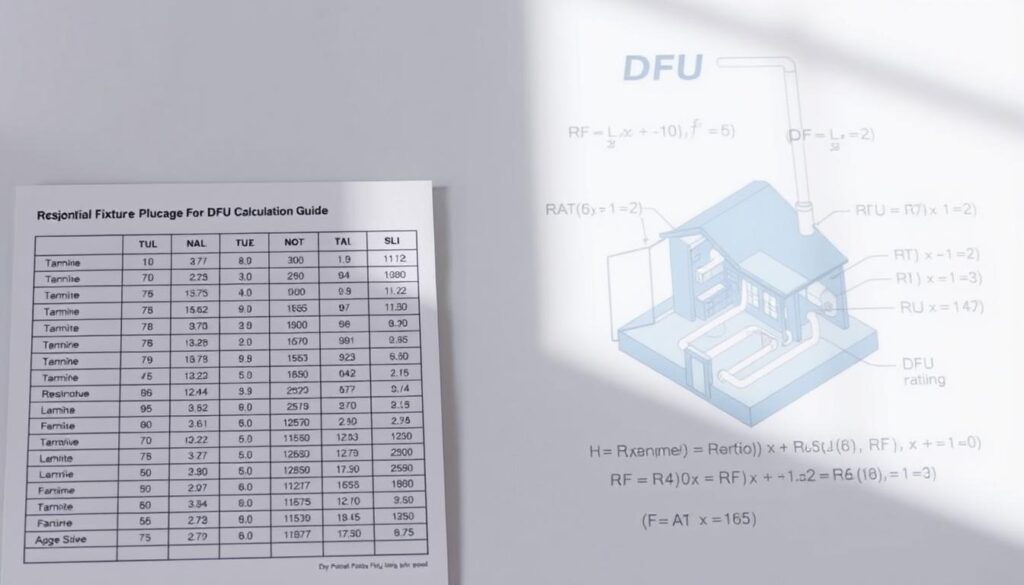
- Find out what fixtures are in your plumbing system
- Find the DFU value for each fixture
- Add up all the DFU values for your system
- Check your work against local plumbing codes
Each fixture has a different DFU value. For example:
| Fixture Type | DFU Value |
|---|---|
| Kitchen Sink | 2 DFU |
| Bathroom Sink | 1 DFU |
| Water Closet | 4 DFU |
Skilled plumbers use exact methods to design drainage systems. Getting the DFU right stops blockages and keeps waste management smooth in homes and businesses.
Right DFU calculations are key for keeping plumbing systems running well and following building codes.
Local building codes might have special rules for DFU. Always talk to a licensed plumber to make sure your project meets all standards.
DFU Values for Common Plumbing Fixtures
Understanding drainage fixture units (DFU) is key for efficient plumbing systems. Both homes and businesses need different plumbing setups. Knowing the right DFU values is essential for your plumbing design.
Each fixture has its own drainage needs. Knowing the exact DFU values is vital for creating effective water management systems.
Residential Fixture DFU Values
Home plumbing usually involves standard fixtures with known drainage needs. Here are typical residential dfu values:
- Kitchen Sink: 2 DFU
- Bathroom Sink: 1 DFU
- Shower: 2 DFU
- Toilet: 3 DFU
- Washing Machine: 2 DFU
Commercial Plumbing Fixture Units
Commercial spaces need more complex plumbing setups. Commercial plumbing fixture units are quite different from home systems:
- Urinal: 4 DFU
- Commercial Sink: 3 DFU
- Industrial Washbasin: 5 DFU
- Floor Drain: 0 DFU
Special Use Case Considerations
Some places need special DFU calculations. Things like water pressure, how often fixtures are used, and specific industrial needs affect these assessments.
Professional plumbers must carefully evaluate each project’s specific needs to ensure optimal drainage performance.
Sizing Drainage Pipes Using DFU
Getting the right size for drainage pipes is key to a good plumbing system. Knowing how to size your drainage system helps avoid water flow problems. It also makes sure your plumbing works well.
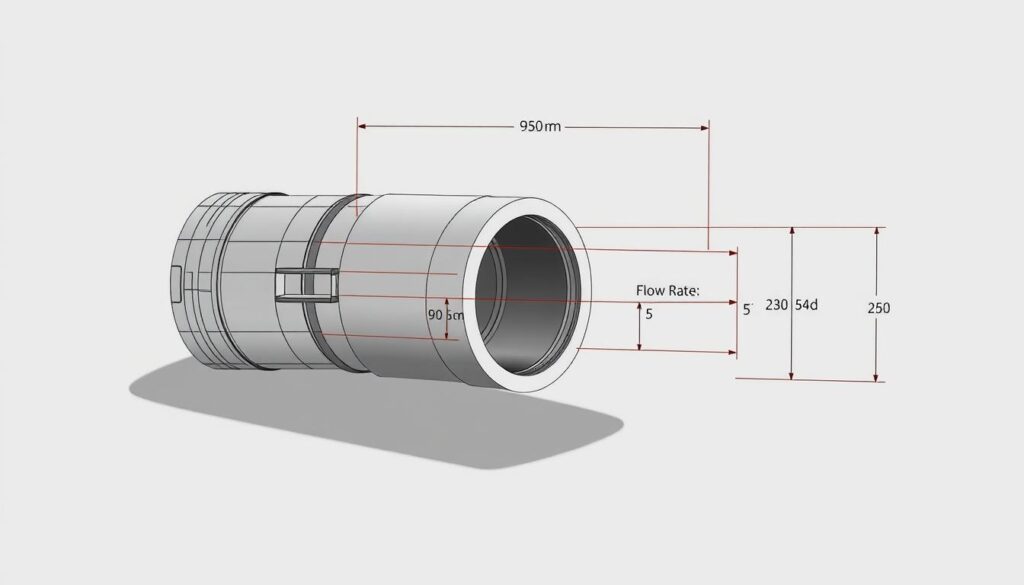
When picking out drainage pipe sizes, you need to think about a few things:
- Total drainage fixture units (DFU) connected to the pipe
- Pipe slope and horizontal/vertical pipe configurations
- Plumbing code requirements for minimum pipe diameters
To figure out the right pipe sizes, you must calculate the total DFU load. Then, you look at plumbing code tables. Different fixtures have different DFU values, which affect the pipe diameter needed.
“Accurate pipe sizing is not just about preventing clogs, but ensuring efficient water flow throughout your entire plumbing system.”
Experts use tables from codes like the Uniform Plumbing Code (UPC) or National Standard Plumbing Code (NSPC) for sizing. These guides help with both home and business drainage systems.
Your plan for drainage system sizing should include:
- Total number of fixtures
- Individual fixture DFU values
- Pipe length and slope
- Building occupancy and expected water usage
By carefully choosing the right pipe sizes, you can build a strong drainage system. It will handle water flow well and follow all local plumbing rules.
Vertical and Horizontal DFU Requirements
Knowing how to size a drainage system is key for good plumbing. Fixture unit load factors help figure out the right pipe size and capacity. This is true for both vertical and horizontal systems.
Designing a drainage system well means looking at many factors. These factors affect water flow and how well the system works. Plumbers must think about these when figuring out drainage fixture units (DFU).
Stack Sizing Guidelines
For vertical drainage stacks, you need to think about a few important things:
- Total fixture unit load
- Building height
- Pipe diameter needs
- Local plumbing code rules
Branch Line Calculations
When sizing branch lines, you look at where horizontal lines meet the main stack. You must figure out the total fixture unit load for each branch. This ensures the drainage flows right.
| Pipe Size (inches) | Maximum Fixture Units | Recommended Use |
|---|---|---|
| 2 | 20 | Small residential places |
| 3 | 48 | Medium-sized homes |
| 4 | 180 | Big homes and commercial places |
Maximum Load Factors
Knowing the maximum load factors is key to avoid overloading the drainage system. Each pipe size can handle a certain number of fixture units.
Your plan for drainage system sizing should focus on:
- Following local building codes
- Right slope and pipe gradient
- Expected water volume
- Room for future growth
Professional tip: Always check local plumbing codes. Also, consider talking to a licensed plumbing engineer for complex designs.
Venting Requirements and DFU Calculations
Proper venting is key to keeping your drainage system working well. Plumbing dfu calculation helps figure out the best venting plan for your place. Knowing how drainage system sizing affects venting can stop plumbing problems and keep things running smoothly.
- Equalizing air pressure in drainage pipes
- Preventing water trap siphoning
- Removing sewer gases from the building
- Supporting proper drainage flow
To figure out vent needs, you must look at a few important factors:
| Vent Pipe Size | Maximum DFUs | Maximum Length |
|---|---|---|
| 2-inch vent | 24 DFUs | 50 feet |
| 3-inch vent | 84 DFUs | 212 feet |
Your drainage system’s size depends on the right calculation of total fixture units. Using the wrong vent size can cause big plumbing issues, like slow drains, gurgling sounds, and sewage backups.
Professional plumbers use special math to find the right vent size for your plumbing layout. This makes sure your system has the right air flow and drainage.
Common DFU Design Mistakes to Avoid
Calculating plumbing dfu needs precision and attention to detail. Many professionals make mistakes that can harm the drainage system’s performance. Knowing these common errors can help you design better and more reliable plumbing systems.
- Code Confusion: Never mix plumbing codes like IPC and UPC for DFU calculations
- Vent and Trap Limitations: Overlooking specific vent and trap-arm restrictions
- Offset Ignorance: Failing to account for pipe offsets in drainage design
- Oversizing Misconception: Assuming larger pipes always perform better
Your plumbing dfu calculation must consider many factors. Drainage systems need a deep understanding of flow dynamics, pipe velocities, and local building codes.
| Common Mistake | Potential Consequence | Prevention Strategy |
|---|---|---|
| Incorrect Code Application | Non-compliant drainage system | Verify local code requirements |
| Overlooking Pipe Velocities | Potential solids accumulation | Calculate minimum and maximum flow rates |
| Ignoring System Complexity | Inadequate drainage performance | Consider total system load and configuration |
Professional plumbers suggest double-checking all calculations. Also, consult local building codes to ensure your design meets all standards.
Tools and Resources for DFU Calculations
Getting the right tools and resources is key for accurate plumbing dfu calculations. Whether you’re a pro plumber or a DIY fan, knowing how to do dfu calculations can save you time and money.
Today, plumbers have many tools for DFU calculations:
- Printed Plumbing Code Books
- Digital Online Calculators
- Specialized Plumbing Design Software
- Professional Plumbing Associations’ Guidelines
Printed code books are a trusted source for traditional dfu calculations. They offer detailed tables and guidelines for different fixtures and buildings.
Digital tools have changed the game for dfu calculations. Online calculators and software give:
- Quick results
- Checks for errors
- Large databases of fixtures
- Visual pipe sizing advice
Software like AutoCAD MEP and Revit offer advanced features for complex calculations. They integrate tools into design workflows, making planning easier.
When picking tools for dfu calculations, think about your project’s needs, complexity, and your skills. Using different tools can lead to the most precise and reliable results.
Conclusion
Knowing what DFU plumbing is key for both pros and homeowners. Drainage fixture units help design plumbing systems that follow local rules and standards. They ensure pipes are the right size and the system works well.
This guide shows how to figure out plumbing needs. By using these methods, you can make plumbing systems that work better in homes and businesses. It’s important to keep up with new plumbing codes and practices.
Plumbers and DIY fans need to know that DFU rules change. Plumbing tech and building codes keep getting updated. Learning about drainage fixture units helps you create plumbing that meets today’s needs.
Getting DFU calculations right is more than just following rules. It shows you care about safety, efficiency, and green building. Whether it’s a small home fix or a big commercial build, these rules help you make plumbing systems that last.