
Affiliate Disclosure
Plumber Guide Guys is a participant in the Amazon Services LLC Associates Program, an affiliate advertising program designed to provide a means for sites to earn advertising fees by advertising and linking to Amazon.
What is a Bushing in Plumbing? Ever wondered how plumbers connect pipes of different sizes without leaks? They use something small but very important. Plumbing bushings are key to solving pipe connection problems in a way you might not expect.
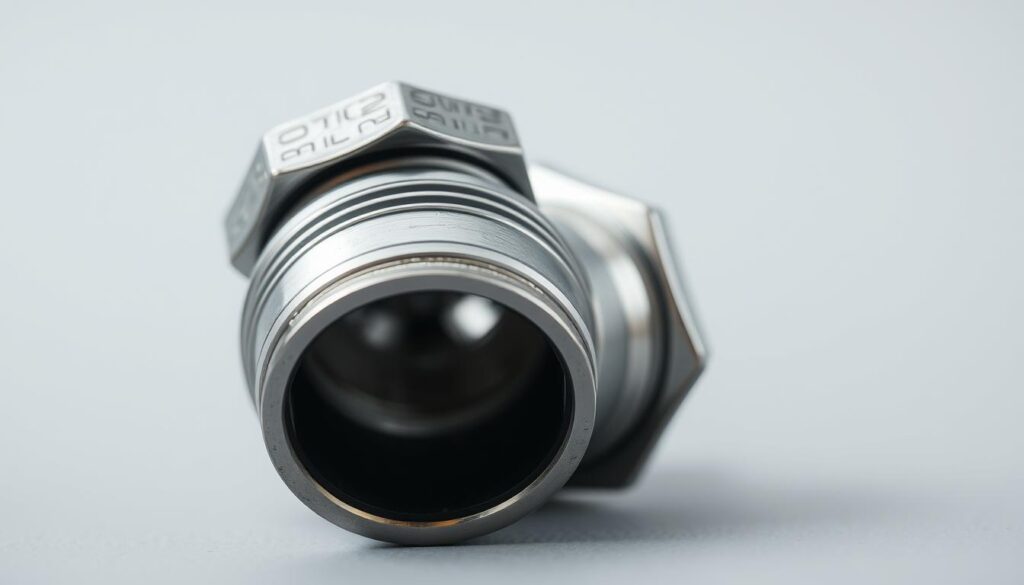
A plumbing bushing is a special fitting that connects pipes of different sizes. It’s not like regular connectors. These devices make sure water flows well in your home or business plumbing systems.
Exploring what a plumbing bushing does, you’ll find a great solution. It turns tricky pipe connections into reliable, leak-free spots. Plumbing bushings are more than just adapters. They’re precision tools that keep your plumbing system working right.
Key Takeaways
- Plumbing bushings connect pipes of different diameters
- They provide a seamless transition between pipe sizes
- Essential for maintaining water flow and system efficiency
- Available in multiple materials like brass, steel, and plastic
- Critical component in residential and commercial plumbing
Table of Contents
Understanding Plumbing Bushings: Basic Definition
Plumbing bushings are key parts that connect pipes of different sizes. They ensure smooth flow in various systems. These adapters are small but very important, fitting well in many places.
A pipe bushing adapter helps join pipes with different sizes. It makes plumbing networks work better. When you need to link pipes of different sizes, a reducer bushing is a must-have.
Components of a Standard Plumbing Bushing
Standard plumbing bushings have a few main parts:
- Threaded male and female ends
- Varying internal and external diameter measurements
- Precision-engineered connection points
- Material-specific design for durability
Function in Pipe Connections
Your pipe bushing adapter does a few important things:
- Reduces pipe diameter smoothly
- Provides secure connections between different pipe sizes
- Maintains optimal fluid flow
- Prevents leaks and structural weaknesses
Common Applications
Reducer bushings for plumbing are used in many fields, including:
- Residential plumbing systems
- Industrial processing plants
- HVAC installations
- Agricultural irrigation networks
Knowing how plumbing bushings work helps you make better choices for your pipes and systems.
Types of Plumbing Bushings Available
Knowing the different types of plumbing bushings is key to picking the right one. Plumbing systems use various types of plumbing bushings for good connections and flow.
The most common types of brass bushing fittings include:
- Threaded Bushings: These standard fittings have internal and external threads. They provide a secure and tight connection between pipes of different sizes.
- Reducing Bushings: Designed to connect pipes with different diameter sizes, these bushings help manage pipe transitions smoothly.
- Hex Bushings: With their hexagonal shape, these bushings offer easy grip and installation using standard wrenches.
When picking plumbing bushings, you’ll find two main material categories:
- Metal Bushings: Made from brass, stainless steel, or copper, these are great for high-pressure and industrial uses.
- Plastic Bushings: Lightweight and corrosion-resistant, these are ideal for low-pressure residential plumbing systems.
Your project needs will guide you to the best bushing type. Think about the pipe material, pressure, temperature, and connection type when choosing.
Materials Used in Plumbing Bushings
Choosing the right material for plumbing bushings is key for lasting and efficient connections. Different places and uses need special materials. These materials greatly affect how well and long the bushings last.
When looking at metal vs plastic bushings, each has its own benefits. Knowing these differences helps you pick the best for your pipes.
Metal Bushings: Strength and Durability
Metal bushings come in three main types:
- Brass: Great for fighting corrosion
- Steel: Strong and durable
- Bronze: Best for tough environments
Plastic and PVC Bushings: Lightweight Solutions
Plastic bushings, like PVC, are light and affordable. But, they need careful handling with temperature and pressure.
Material Selection Criteria
Think about these when picking bushing materials:
- How hot or cold your plumbing is
- How much pressure it needs
- If it can handle chemicals
- Your budget
- The environment it’s in
“The right bushing material can prevent costly repairs and ensure system longevity.” – Professional Plumbing Association
For PVC bushing installation, make sure to size them right. Clean the pipes well. And use the right glue for your plumbing job.
What is a Bushing in Plumbing and How Does It Work?
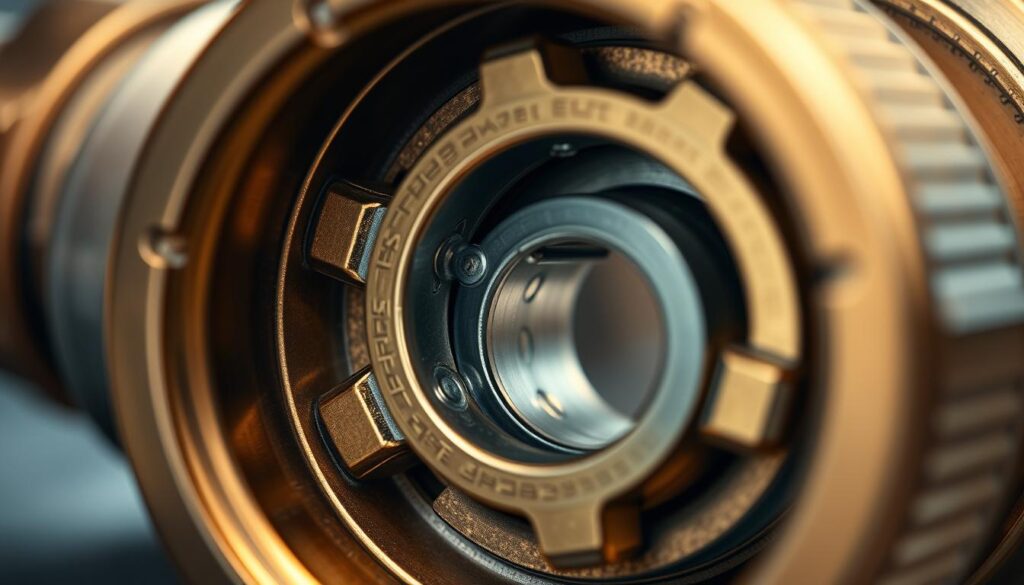
A bushing is a key part of plumbing systems. It helps connect pipes of different sizes smoothly. Knowing what is a bushing in plumbing can save you time and ensure your pipes are connected right.
A bushing has two ends: an outer end (spigot) and an inner end (socket). Both ends are threaded, making it easy to connect pipes. This lets you change pipe sizes without harming your plumbing system.
- Outer Spigot: Connects to the larger pipe diameter
- Inner Socket: Receives the smaller pipe diameter
- Threads provide secure and leak-proof connections
Learning to use a reducer bushing is easy. It fits between pipes of different sizes, making a smooth transition. You’ll use pipe tape or sealant to make sure the connection is tight and water-resistant.
Reducer bushings are made from materials like brass, steel, and PVC. This means you can pick the right one for your plumbing needs. The important thing is to choose a bushing that fits your pipe material and size.
Benefits of Using Plumbing Bushings
Plumbing bushings are key parts that bring many benefits to pipe systems. They are small but powerful. They can make your plumbing work better by solving common problems.
Find out why plumbers and DIY fans use plumbing bushings for better pipe connections:
Cost-Effectiveness
Plumbing bushings are a smart choice for saving money on pipe changes. They help you:
- Save on materials
- Avoid the hassle of replacing pipes
- Make connections between different pipe sizes easy
Installation Efficiency
These handy parts make plumbing projects easier and faster. Plumbing bushings make it simple to change pipe sizes. This saves a lot of time during setup.
| Installation Benefit | Description |
|---|---|
| Quick Connections | Rapid pipe size transitions |
| Minimal Tools Required | Simple wrench and sealant application |
| Reduced Labor | Faster project completion |
Durability Factors
Designed to last, plumbing bushings are very durable. They are built to withstand:
- Corrosion
- High pressure
- Keeping seals tight
Choosing top-notch plumbing bushings means you’re getting reliable, cost-effective pipe connections for the long haul.
Installation Guide for Plumbing Bushings
Installing plumbing bushings needs careful preparation and attention. Whether you’re using PVC or learning about reducer bushings, the right steps are key. They ensure a secure and leak-free connection.
- Pipe wrench
- Thread tape or pipe sealant
- Clean cloth
- Appropriate sized bushing
Start by cleaning the pipe threads well. Remove dirt, rust, or old sealant for a tight seal. Proper cleaning is key to prevent leaks.
To use a reducer bushing right, follow these steps:
- Check the threads for damage or corrosion
- Apply thread tape in a clockwise direction
- Hand-tighten the bushing first
- Use a pipe wrench for final tightening
- Check alignment carefully
Make sure the materials match. Different pipes need specific bushings to avoid chemical reactions or damage. Always choose the right bushing for your pipes.
Pro tip: Never force a bushing that doesn’t fit perfectly. Slight misalignments can lead to leaks or structural failures.
After installing, do a pressure test to check the connection. This step confirms your plumbing bushing is installed right.
Size Standards and Measurements
Knowing plumbing bushing sizes is key for pipe connections. The right size means a secure and leak-free joint. To pick the right size, you need to measure carefully and know the standard sizes.
Pipe and bushing sizes are measured by their internal diameter. When picking bushing sizes, think about both the inlet and outlet pipe sizes. Plumbers use specific rules to ensure the right fit and performance.
Common Bushing Size Ranges
- 1/2 inch to 3/4 inch for residential water lines
- 1 inch to 2 inches for drainage systems
- 3 inches to 6 inches for larger commercial applications
Sizing Guidelines
To choose the right plumbing bushing sizes, follow these steps:
- Measure the diameter of your existing pipes
- Determine the reduction needed
- Choose a bushing with matching specifications
- Verify material compatibility
Pro tip: Always measure twice and purchase once to avoid costly mistakes in your plumbing project.
Accurate measurement is the key to successful pipe fitting and connection.
Maintenance and Troubleshooting
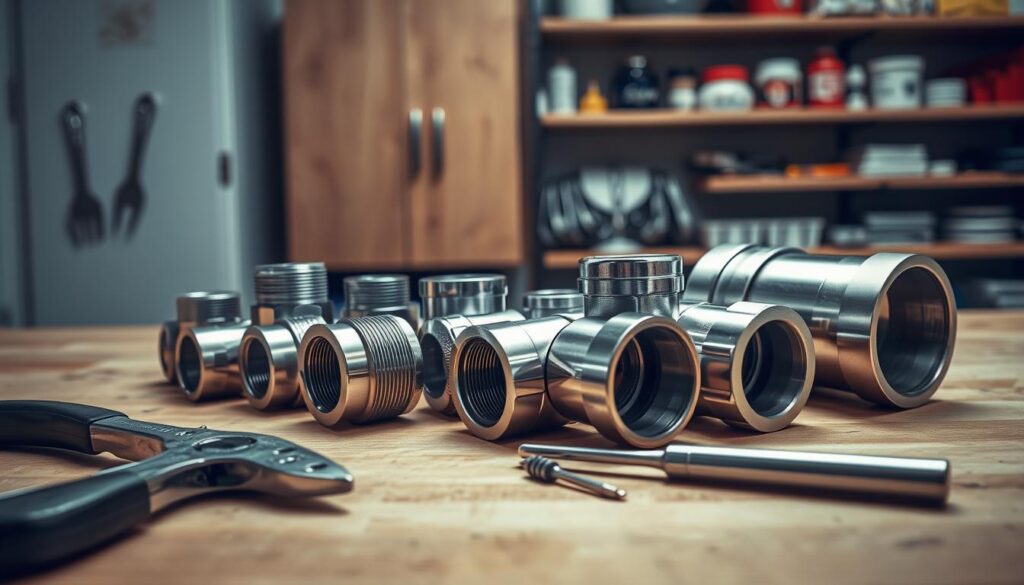
Keeping plumbing bushings in good shape is key to your pipes lasting longer. Regular checks and care stop expensive fixes and water damage. This is important for your home or work place.
When checking plumbing bushings, watch out for these signs:
- Visible corrosion or discoloration
- Small hairline cracks
- Mineral buildup around connection points
- Slight leakage or moisture around the bushing
Fixing plumbing bushing problems needs a careful plan. First, check the connections and the bushing’s condition.
| Issue | Potential Cause | Recommended Action |
|---|---|---|
| Minor Leakage | Loose fitting | Tighten connection carefully |
| Significant Corrosion | Age or poor material quality | Replace bushing immediately |
| Mineral Deposits | Water hardness | Clean with vinegar solution |
To make your plumbing bushings last longer, follow these tips:
- Do visual checks every quarter
- Use high-quality pipe sealant when installing
- Avoid over-tightening connections
- Keep bushings away from extreme temperatures
Experts say to replace plumbing bushings every 5-7 years or sooner if they show wear. Being proactive with maintenance stops sudden failures and saves you money on water damage.
Applications in Different Plumbing Systems
Pipe bushing adapters are key in linking various plumbing systems. They work in homes and big industrial places. These parts help pipes connect smoothly and manage fluids well.
These adapters are vital for plumbing. They connect pipes of different sizes and materials. They are needed in many places.
Residential Plumbing Uses
In homes, pipe bushing adapters have many roles:
- Connecting water supply lines with different diameter pipes
- Transitioning between metal and plastic piping systems
- Repairing and extending existing plumbing infrastructure
- Facilitating gas line connections
Commercial Applications
Commercial places use pipe bushing adapters for complex plumbing needs. Buildings and public areas need them for:
- Standardizing pipe connections across diverse systems
- Enabling flexible maintenance and upgrades
- Ensuring consistent water and drainage management
Industrial Systems
Industrial settings need strong pipe bushing adapters for harsh conditions. Factories and plants use them for:
| Industry | Specific Application |
|---|---|
| Chemical Processing | Connecting corrosion-resistant pipes |
| Food Manufacturing | Hygienic pipe system transitions |
| Petrochemical | High-pressure fluid management |
Knowing how pipe bushing adapters work helps us see their importance. They keep plumbing systems running smoothly in all kinds of places.
Safety Considerations and Best Practices
Working with reducer bushings for plumbing needs careful safety and proper installation. Knowing the risks helps avoid costly mistakes and keeps your plumbing system working well.
“Safety in plumbing is not an option, it’s a necessity.” – Professional Plumbing Association
When you work with reducer bushings, you must think about several important safety points:
- Wear the right protective gear like safety glasses and gloves
- Check reducer bushings for damage before you install them
- Use the right tools for plumbing connections
- Make sure they fit with your pipe materials
Different places need special safety steps for reducer bushings. Places with high pressure or extreme temperatures need extra care in choosing and installing.
| Environment | Safety Considerations | Recommended Action |
|---|---|---|
| High Pressure | Risk of pipe burst | Use rated metal reducer bushings |
| High Temperature | Material degradation | Select heat-resistant materials |
| Corrosive Environments | Chemical breakdown | Choose corrosion-resistant reducer bushings |
Always choose professional installation or advice for complex plumbing reducer bushing jobs. This ensures safety and reliability in your system.
Conclusion
Understanding what a bushing is in plumbing shows its key role in pipe connections. These small parts act as vital adapters. They connect pipes of different sizes, making fluid transfer smooth and efficient in various systems.
Exploring plumbing bushings reveals their wide use. They are useful in both home water lines and complex industrial setups. The right bushing can stop leaks, make installation easier, and improve your piping system’s performance.
Choosing the right bushings can greatly help your plumbing projects. Whether it’s for home repairs or big infrastructure projects, knowing about bushings is key. It helps you make smart choices about pipe connections and system design.
Both professional plumbers and DIY fans know how important bushings are. They ensure reliable and efficient pipe networks. By picking the right materials, sizes, and types of bushings, you can make your plumbing systems last longer and work better.